Analyses
Politics
test
Politics
test analyses
Regional Trends
After the Assassination of Khamenei: Scenarios for the Third Supreme Leader
International and Global Trends
Israeli-U.S. Military Operation Scenarios and Iranian Responses
International and Global Trends
Washington and Tehran: Negotiations Under the Hammer of Military Buildup
Filter by:
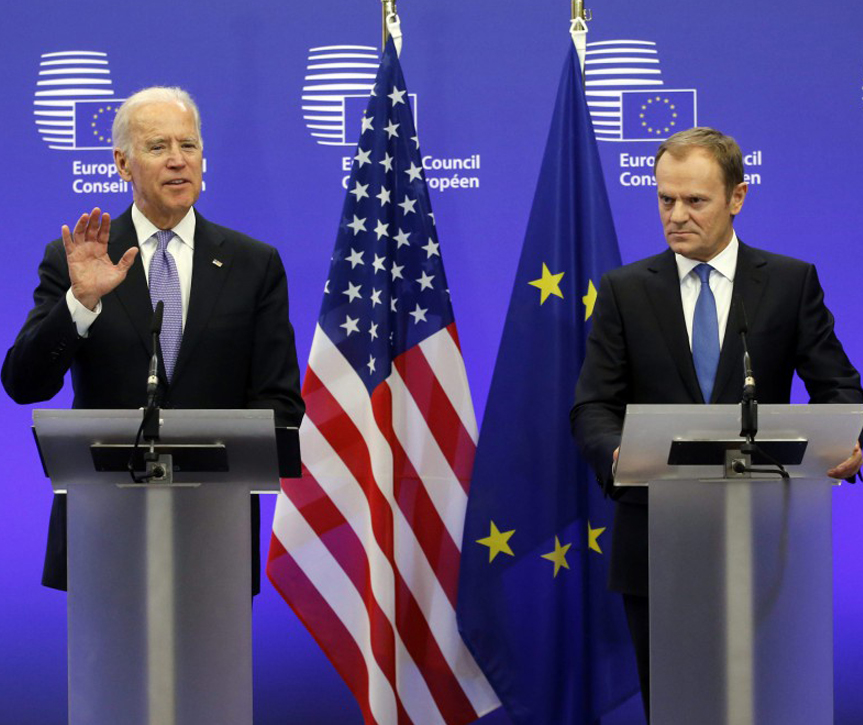
Between Allies and Adversities: What Does Biden's Victory Imply?
Joe Biden never stopped stressing – ever since he was still a candidate – his promises to put the United States back on the global arena, rehabilitate relations with allies and curb competitors, in a time where the whole world is observing this traditional American discourse welcoming and anticipating. This material studies the shape of foreign affairs that will be adopted by the newly elected president, it also seeks to answer an important question: what are the variables and invariables that we will witness in policies compared to those of the outgoing president Donald Trump?
Arab World as Reflected in Some Global Indicators: What Do the Numbers Tell Us?
Looking at several and comprehensive indexes offers a broad perception of the ranking of any state or region to the entire world. This is done by measuring the dynamic changes in the fields of development, economics, local politics, security, and peace. Accordingly, this article introduces a wider perspective of the situation of Arab countries in a number of selected global indexes.
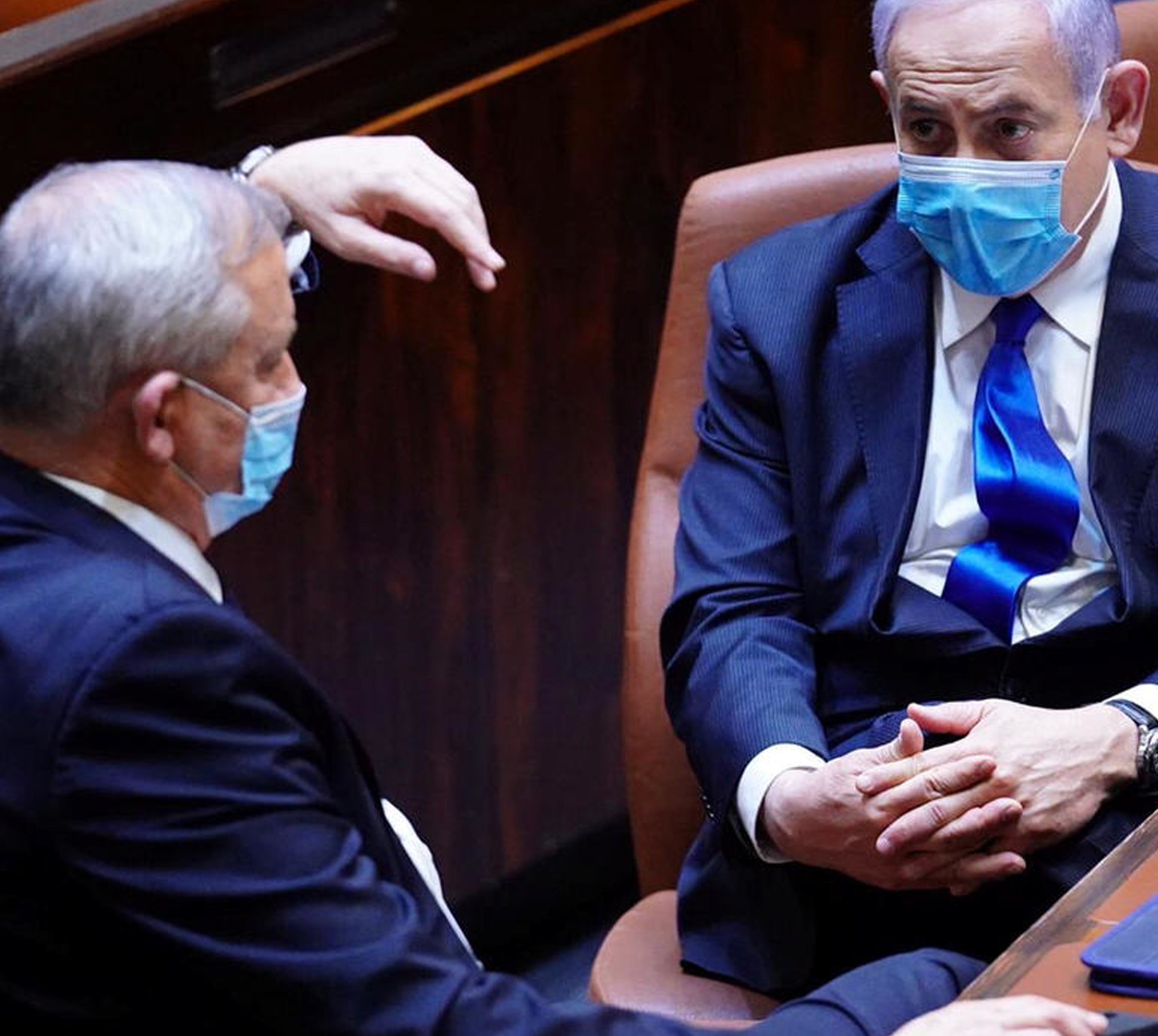
Endless Political Crises In Tel Aviv
The political crisis in Israel is deepening due to the sharp disagreements between the poles of the coalition government. What are the options before the main political powers in Tel Aviv? How did the Israeli political scene get to such level of complexity in the first place?
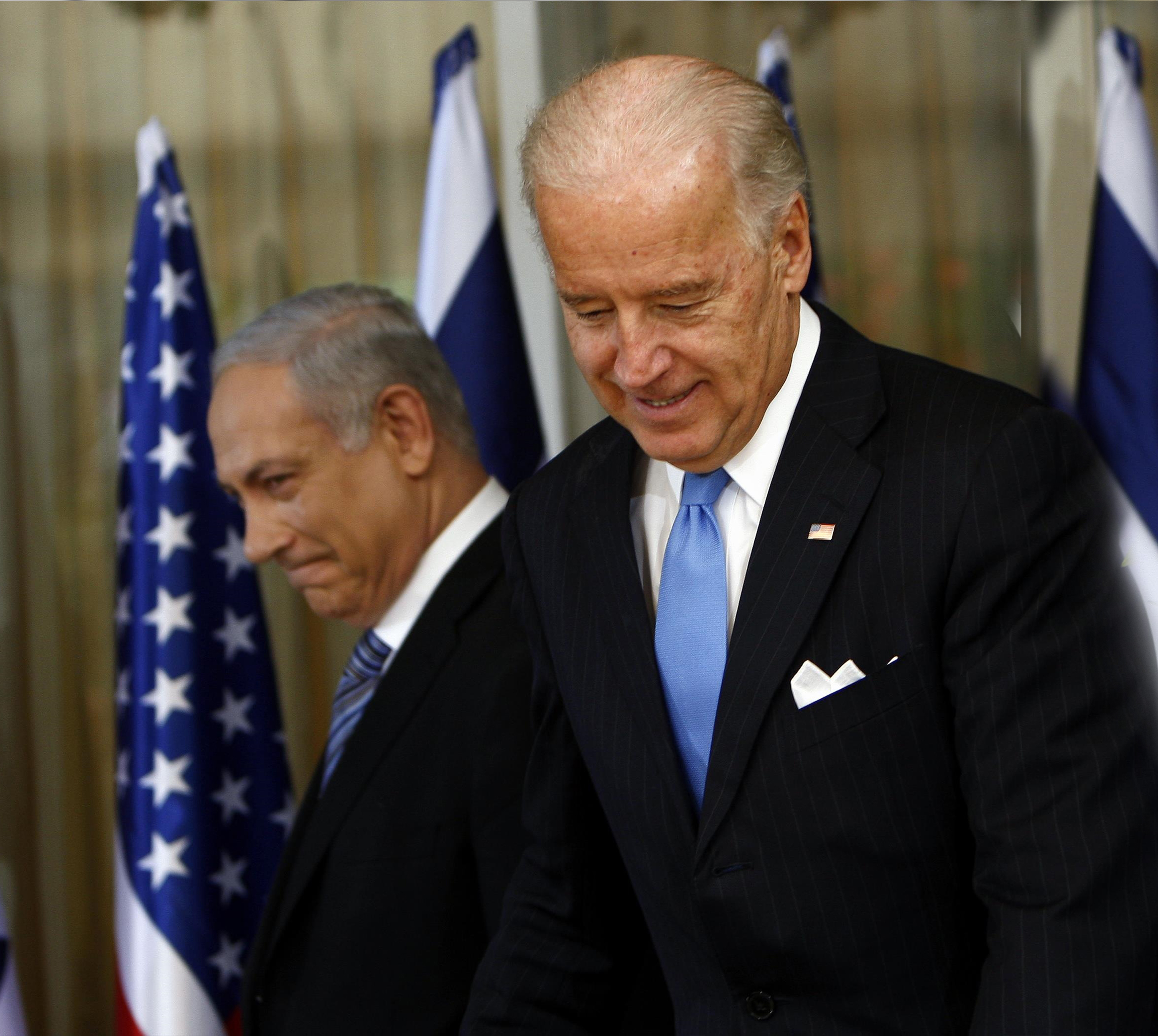
Biden-Netanyahu Relationship as Described in A "Promised Land"
This article tackles the nature of the relationship between US President-elect, Joe Biden, and Israeli Prime Minister, Benjamin Netanyahu, in light of the presidential memoirs of Barack Obama, A Promised Land, in which he narrates the most prominent stations of his life and devotes a good deal of space to speak about the Biden-Netanyahu relationship based on his involvement with the latter.
Advertising space title
Description of the advertising space. Upon the client’s initial approval of the design, this text will be removed.
.jpg-h%D8%A7%D9%88%D8%B1%D8%A7%D9%82-%D8%A7%D9%81%D8%BA%D8%A7%D9%86%D8%B3%D8%AA%D8%A7%D9%86.jpg)
"The Afghanistan Papers" and the future's peace with Taliban
The Afghan situation may be less ambiguous. What the Taliban wants from Washington regarding the withdrawal of its forces has been agreed upon and a timeframe has been set for it.
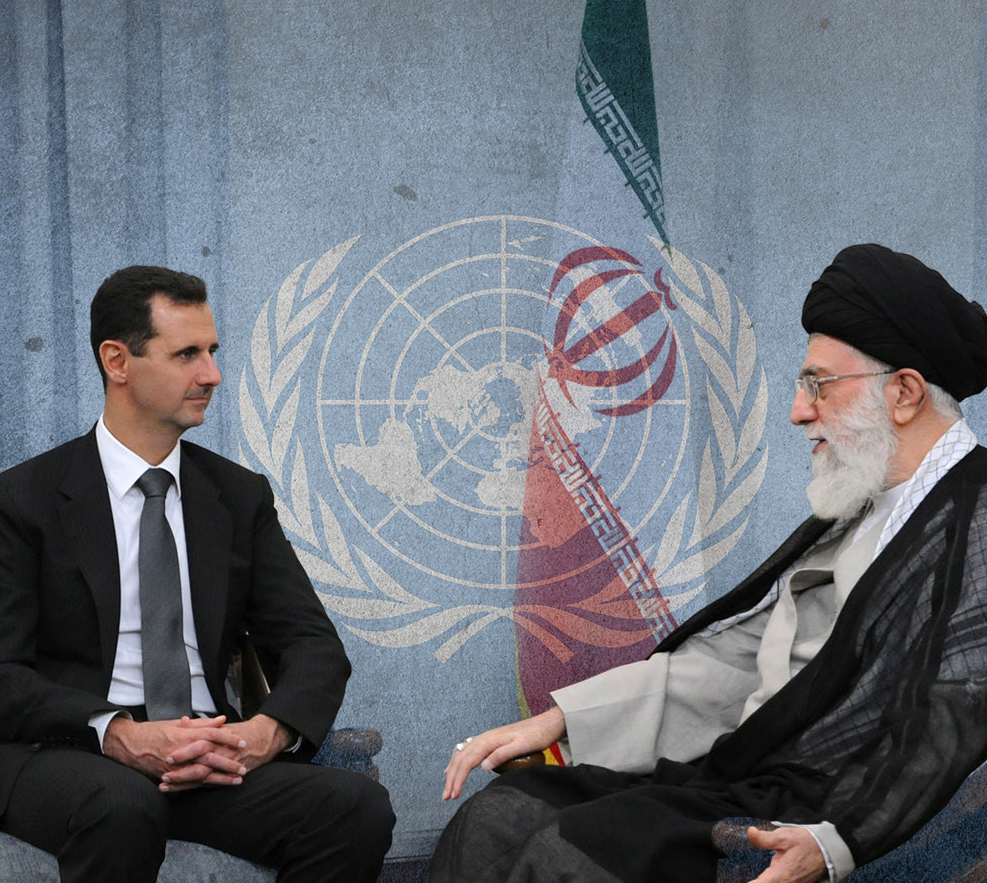
The West and the Syrian-Iranian alliance: a card that should be played
I believe it is necessary to emphasize that dealing with Syria should be different to dealing with Iran. Syria does not have an expansionist project in the region, and should not be punished for opposing Israel which still occupies Syrian territories and Damascus has not yet found any just proposals to motivate it to choose peace.
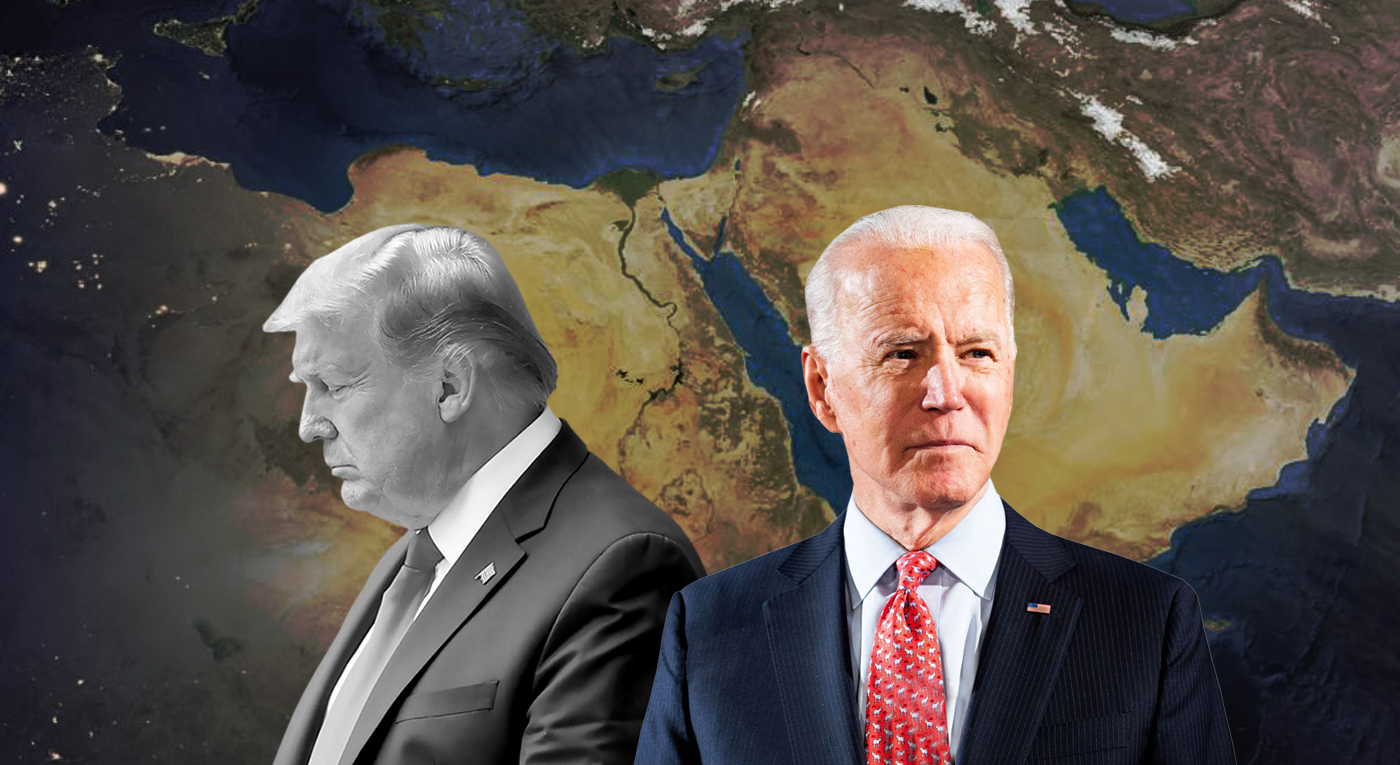
Gifts and Inheritance: The Middle East from Trump to Biden
Biden's success in the Middle East depends on building on what has been achieved, namely by accepting the "gifts" of the previous administration in Iran and in the peace process, while breaking the deadlocks of its "inheritances" in places such as Turkey and Syria.
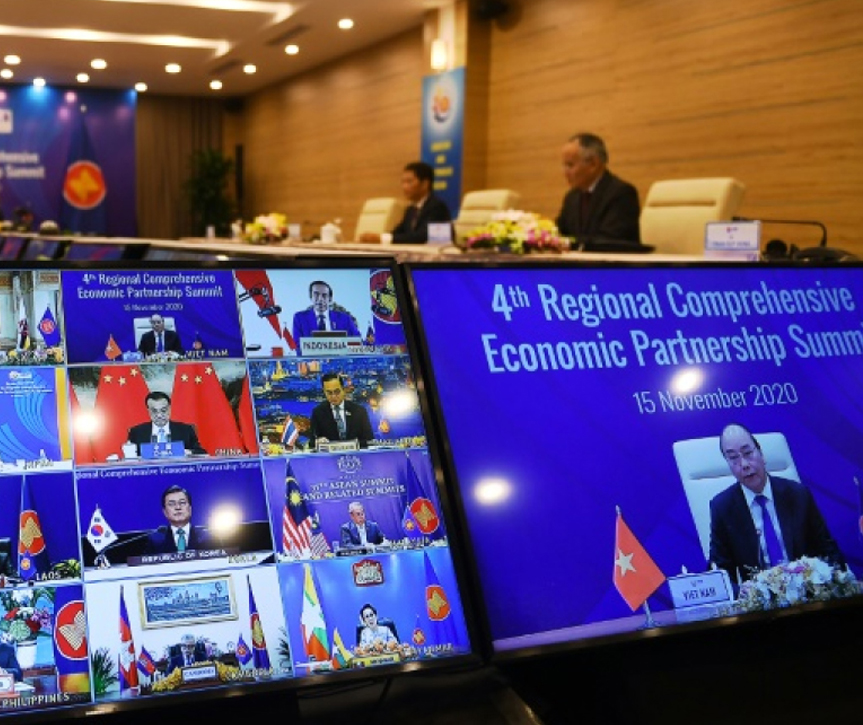
How was the largest free trade agreement in history signed?
This article provides an analysis to the conditions of signing the Regional Comprehensive Economic Partnership, in a reading of China’s role in this important economic event and its relations with other involved parties, in addition to speculating about the way in which the coming US administration will deal with this commercial understanding.
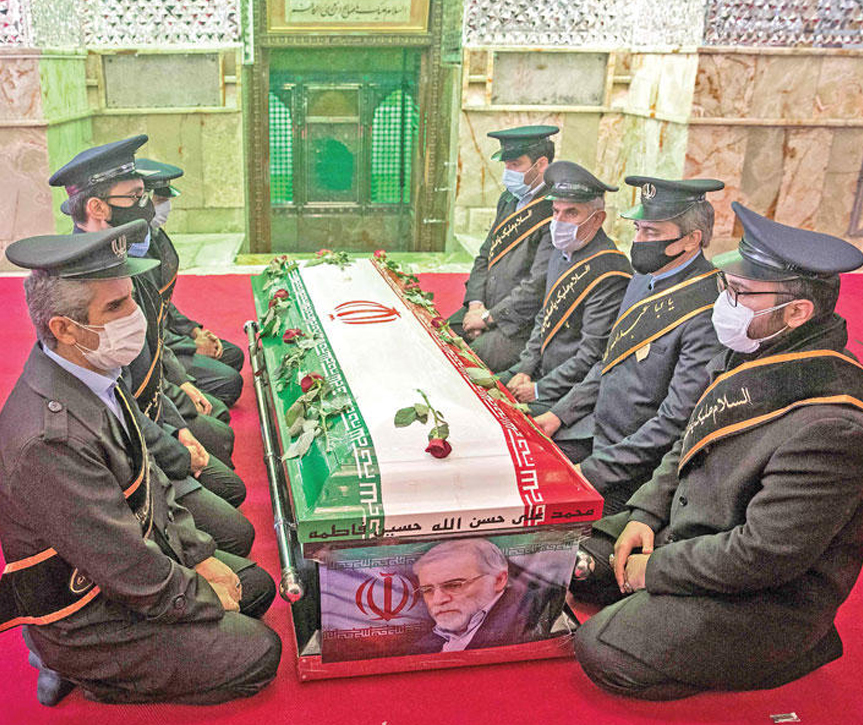
The assassination of Mohsen Fakhri Zadeh: what is next?
The assassination of the top nuclear scientist in Iran is a source of speculations about the imminent date of the war, what delays it? What can the coming new administration do for the accelerated tension in the region? And how has this defined the current attitude of the Iranian leadership?