The Palestinian–Israeli Conflict
The Palestinian–Israeli Conflict
Will “Trump’s Plan” Succeed in Achieving a Ceasefire and Peace?
The Palestinian–Israeli Conflict
The Outcomes of the Doha Emergency Summit and the Missed Arab Opportunity
The Palestinian–Israeli Conflict
Gaza’s Society: Roles and Effectiveness in Light of the Political and Security Vacuum
The Palestinian–Israeli Conflict
The American-Israeli Proposal and the Shift Towards a Unilateral Path in the Gaza Strip
The Palestinian–Israeli Conflict
The Gaza Humanitarian Foundation’s Role in the Post-War Gaza Equation
Filter by:
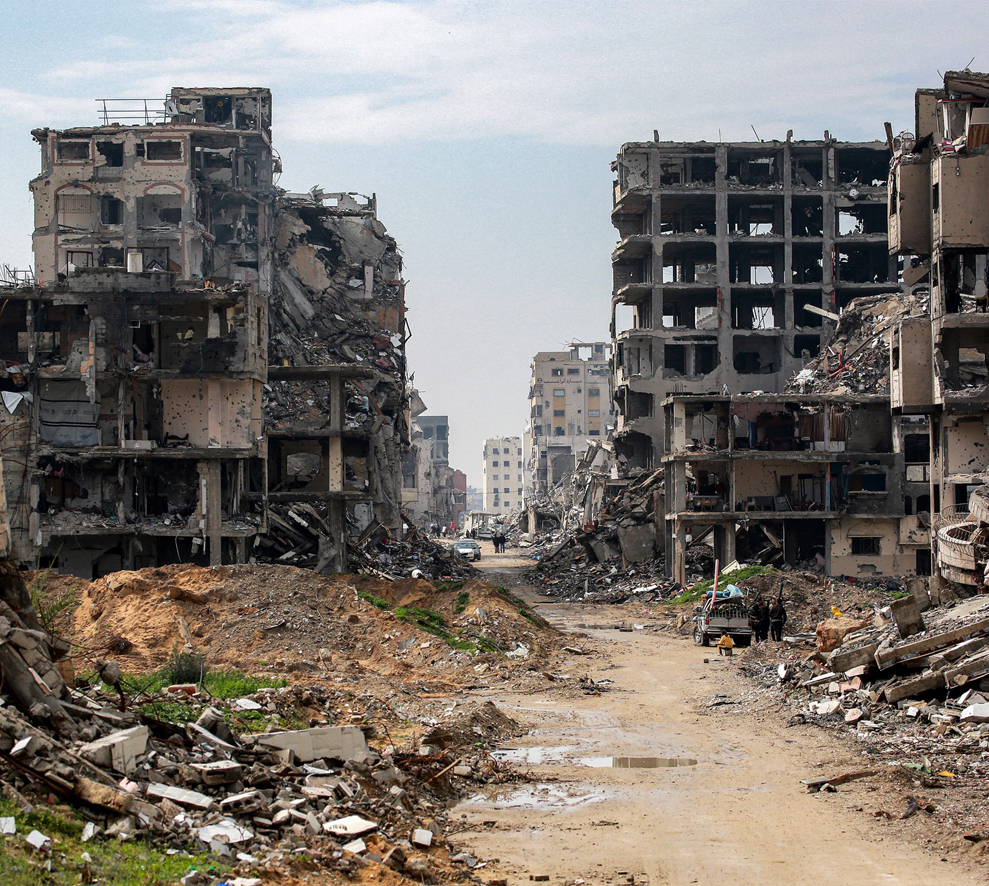
Operation Gideon’s Chariots: Is It the Last Stage of the War?
Operation Gideon’s Chariots marks an unprecedented Israeli escalation in the Gaza Strip, aimed at dismantling Hamas and redrawing the region’s demographic and military map, amid mounting international and regional pressure. Despite its ambition to end the war, Israel faces internal and external challenges that could turn the operation into a critical turning point: either a decisive resolution, a prolonged war of attrition, or a political breakthrough that brings an end to the ongoing conflict.
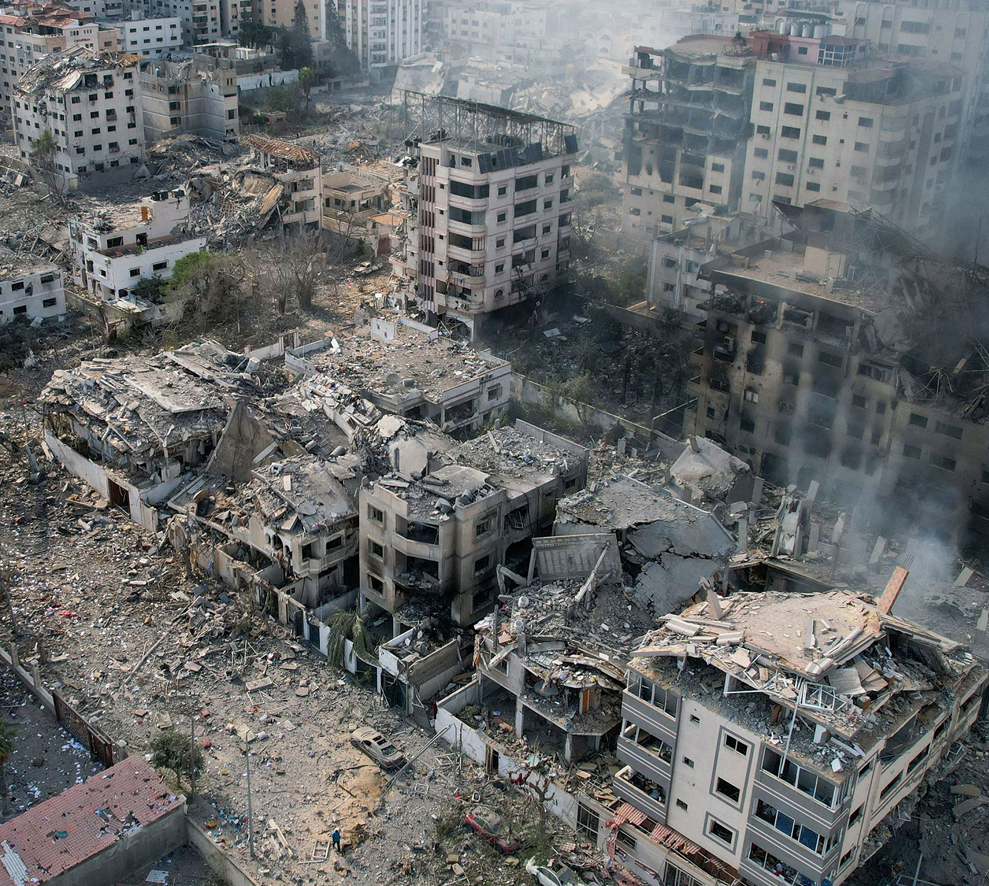
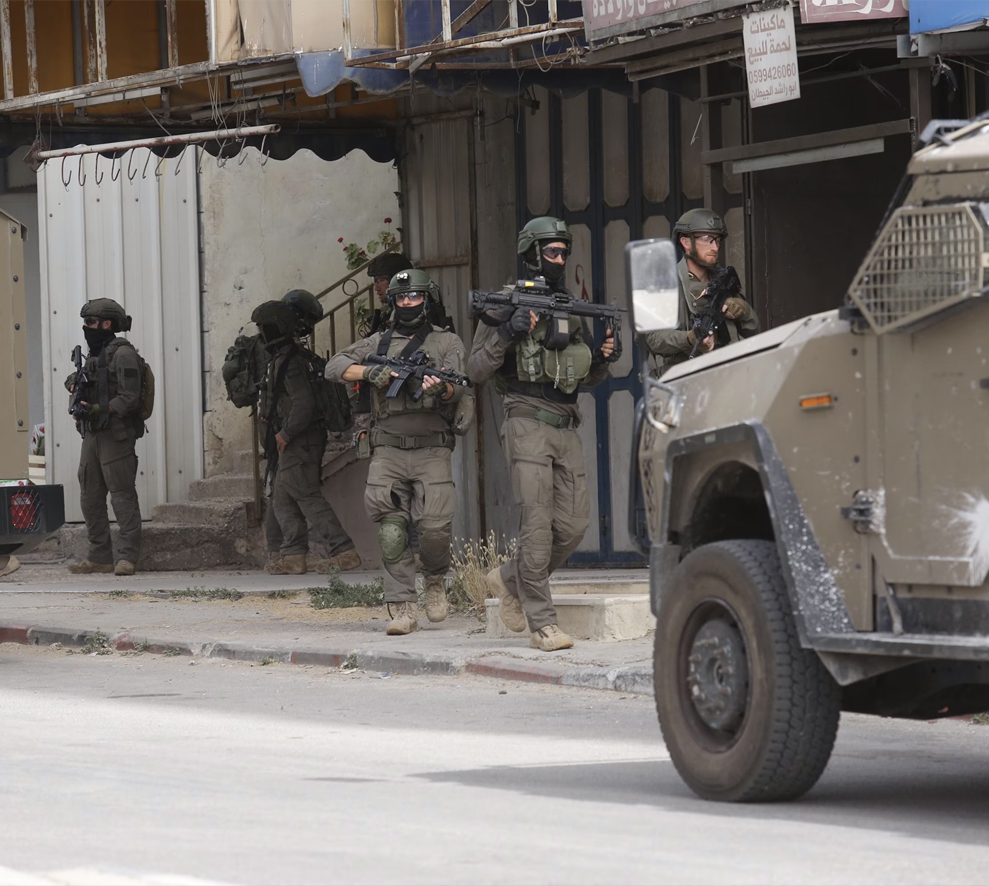
The Resumption of the War on Gaza: New Equation for Its Risks and Objectives
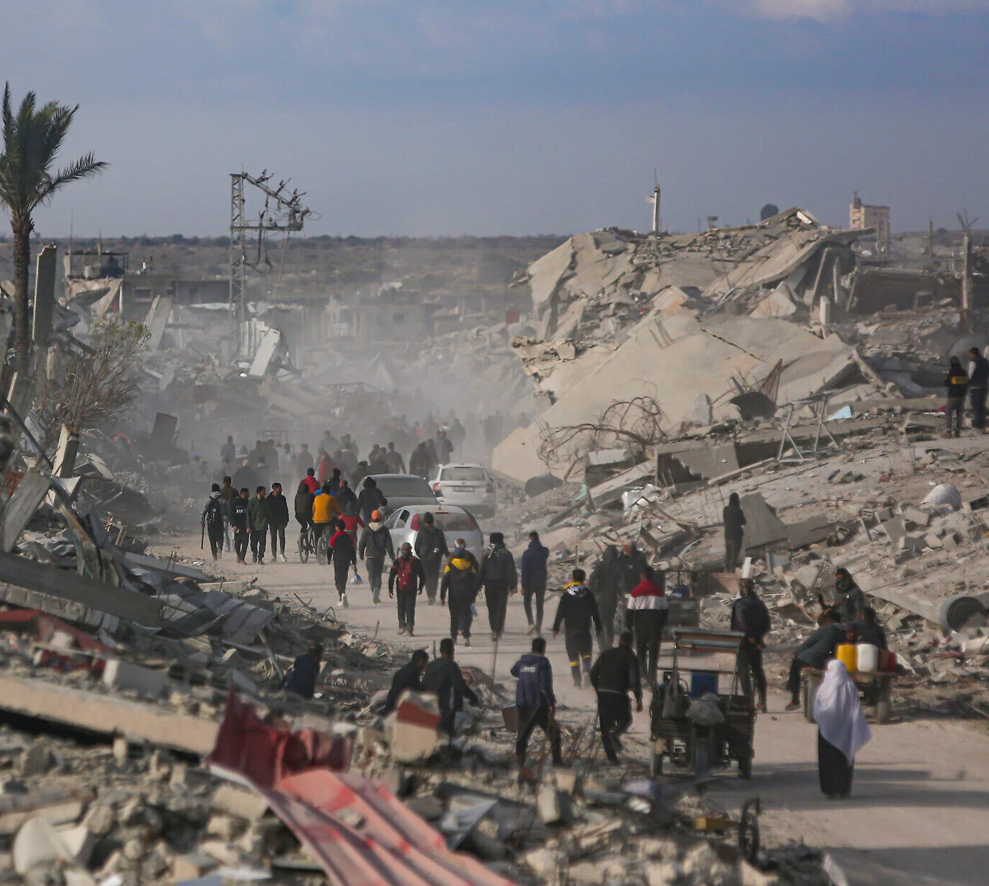
Israel’s resumption of military operations in the Gaza Strip comes after the failure of negotiations. It reflects strategic objectives that go beyond merely responding to the deadlock, aiming instead to redraw goals and reshape the geographical and demographic structure of the Strip through displacement, occupation, and the imposition of military rule.
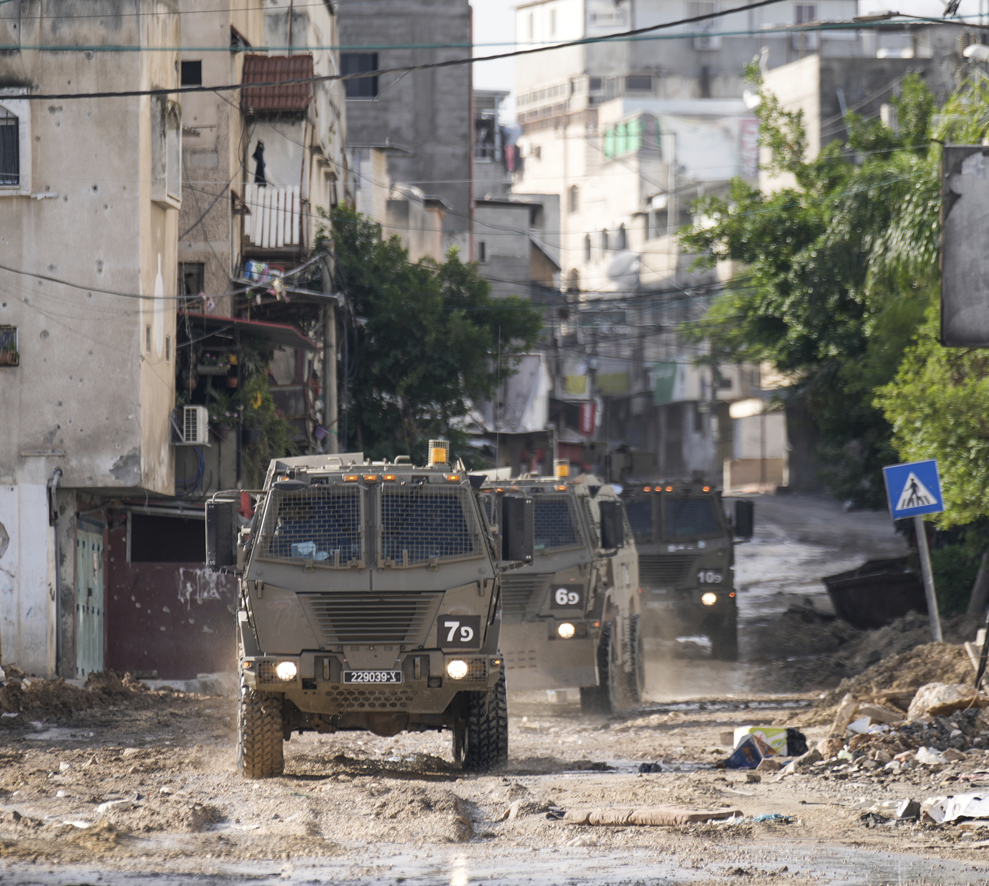
Operation “Iron Wall”: Similarities in procedures and overlapping objectives between the Gaza Strip and the West Bank
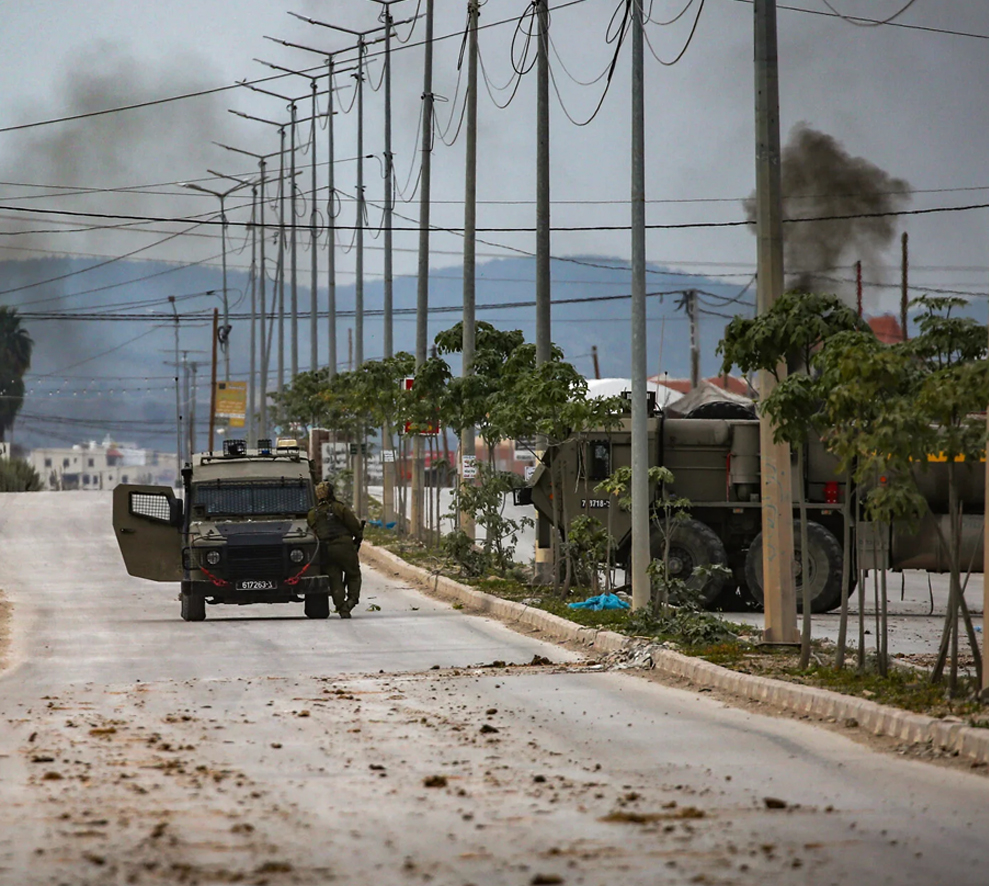
Operation Iron Wall comes as an advanced stage of the war in the Gaza Strip and is part of the previous promises made by Israeli Prime Minister Benjamin Netanyahu to reshape the Middle East. This is especially evident through a series of Israeli measures aimed at re-engineering the Palestinian and Syrian geography, both spatially and demographically, and changing urban planning in the West Bank in favor of Israeli settlement projects in an advanced step towards annexation and imposing Israeli sovereignty.
“Operation Iron Wall” and the Permanent Crisis Policies
The Israeli “Iron Wall” operation in the northern West Bank comes in light of several local, regional, and international developments. It followed two days after the ceasefire in the Gaza Strip came into effect. The timing of this operation raises several questions, including the possibility of its scope expanding to include various areas of the West Bank, especially after being described by Israeli officials as part of a shift in the concept of security in the West Bank.
Advertising space title
Description of the advertising space. Upon the client’s initial approval of the design, this text will be removed.
Complications of the Gaza Ceasefire Agreement
The ceasefire agreement in the Gaza Strip between Hamas and Israel consists of three basic stages, which will end the war that has been waged since October 7, 2023, by graduating the ceasefire from temporary to sustainable during the stages of the agreement. This agreement comes in light of a set of major regional and international variables, which prompted the parties to agree to it.

How Gallant’s Dismissal Affects Israel’s War Management
The dismissal of Israeli Defense Minister Yoav Gallant came at a critical moment, coinciding with Election Day in the United States, the presumed end of the war in Gaza, the start of a new conflict in Lebanon, and a security leaks crisis that led to removing key officials from Prime Minister Benjamin Netanyahu’s office.

A Year Since October 7: Where Did the Region Reach?
This paper provides a comprehensive assessment of the attacks carried out by Hamas against Israeli settlements and military bases in the Gaza envelope on October 7, 2023. The ideological framework of these attacks was based on a set of political and military foundations that shape Hamas’s vision of the conflict with Israel, as well as the tools and strategies for managing it, considering past experiences and new developments. The paper also addresses the Palestinian landscape and the trajectory of the movement before and after October 7, along with the considerations for the second year of the war.

Beyond Sinwar: Hamas at a Crossroads
The assassination of Yahya Sinwar places Hamas at a crossroads on various organizational, political, and military levels, especially in the context of the ongoing wars in Gaza and Lebanon. It also raises questions about the movement’s role in the aftermath of the war, which could significantly impact its alliances and relations both domestically and internationally.

The Military Operation in Jabalia and Post-War plans
Israel seeks to test a plan that involves a new social engineering of Gaza’s society by creating what it calls “humanitarian bubbles” and contracting private security companies to manage them, which posing a threat of structural changes to the geography and demographics of the Gaza Strip.