Emerging Threats and Non-Traditional Security

The Escalation of Houthis and the Repercussions on the Region
Emerging Threats and Non-Traditional Security
Asymmetric Threats:A Study in the Transformations of Traditional Deterrence Strategies
Emerging Threats and Non-Traditional Security
Did Jordanian-Syrian Relation Pass Narcotics Test?
Emerging Threats and Non-Traditional Security
What is new in Jordan's war on drugs?
Emerging Threats and Non-Traditional Security
ESCALATING EMERGING THREATS: JORDAN'S FIGHT AGAINST DRUG CARTELS AS A MODEL
Filter by:

Map of the Militarization of the Red Sea and the Features of Upcoming Conflicts
This policy analysis addresses the U.S. and Western military presence in the Red Sea in response to Houthi attacks. It also addresses several questions about the implications and motives behind the unprecedented military mobilization in the Red Sea. For instance, is it proportional to the scale of the Houthi threats to international trade?

The Escalation of Houthis and the Repercussions on the Region
This policy analysis addresses the escalation of the Houthi attacks in the Red Sea and its effects on Arab countries. This analysis also touches on the Operation Prosperity Guardian coalition launched by the United States with the participation of more than 20 countries to protect international shipping lanes.

Asymmetric Threats:A Study in the Transformations of Traditional Deterrence Strategies
Position Assessment | This paper presents a theoretical interpretation of the growing asymmetric threats and their repercussions on international peace and security. Such threats have imposed shifts in the concepts and theories of security followed for decades, especially the theories of deterrence and balance of power, the matter which made requiring re-research into new strategies for deterrence in the international arena be necessary.

Did Jordanian-Syrian Relation Pass Narcotics Test?
This paper examines the developments of Jordanian-Syrian relations in facing a shared challenge: transnational drug gangs, which has proven to be an important factor in shaping the nature and premises of their joint agreements. From this viewpoint, the paper assesses the strengths and weaknesses in the understandings between the two countries.

Advertising space title
Description of the advertising space. Upon the client’s initial approval of the design, this text will be removed.
What is new in Jordan's war on drugs?
This paper addresses challenges on Jordan's northern borders, especially in light of talk of a Russian withdrawal, which may strengthen the control of Iranian-backed groups responsible for cross-border drug smuggling.

ESCALATING EMERGING THREATS: JORDAN'S FIGHT AGAINST DRUG CARTELS AS A MODEL
This analytical paper discusses the increase of the emerging threats, associated with cross-border drug cartels, which the Jordanian army recently announced a change in rules of engagement, in line with the response to the dimensions and effects of this threat.

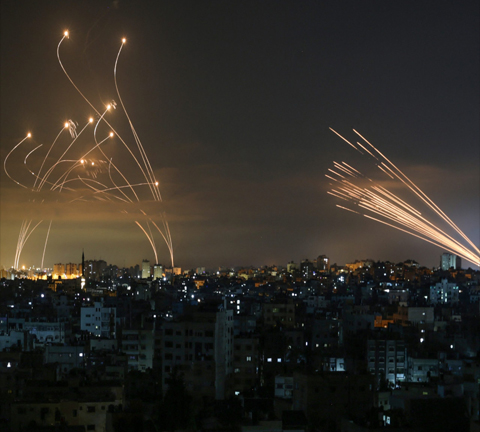
Hybrid Warfare and Bets of Victory and Defeat
The following article reviews the reality of the hybrid war between Israel and the Palestinian armed factions, taking the recent war in the Gaza Strip as an example, to demonstrate the importance of political dimensions as a long-term goal, and to highlight the economic and military damage suffered by the two parties as a secondary goal through which changes and the development of tools and deterrence in such a type of war are measured. The article relies on the findings of the literature and theories that dealt with these wars in their scientific and academic form based on objectivity.

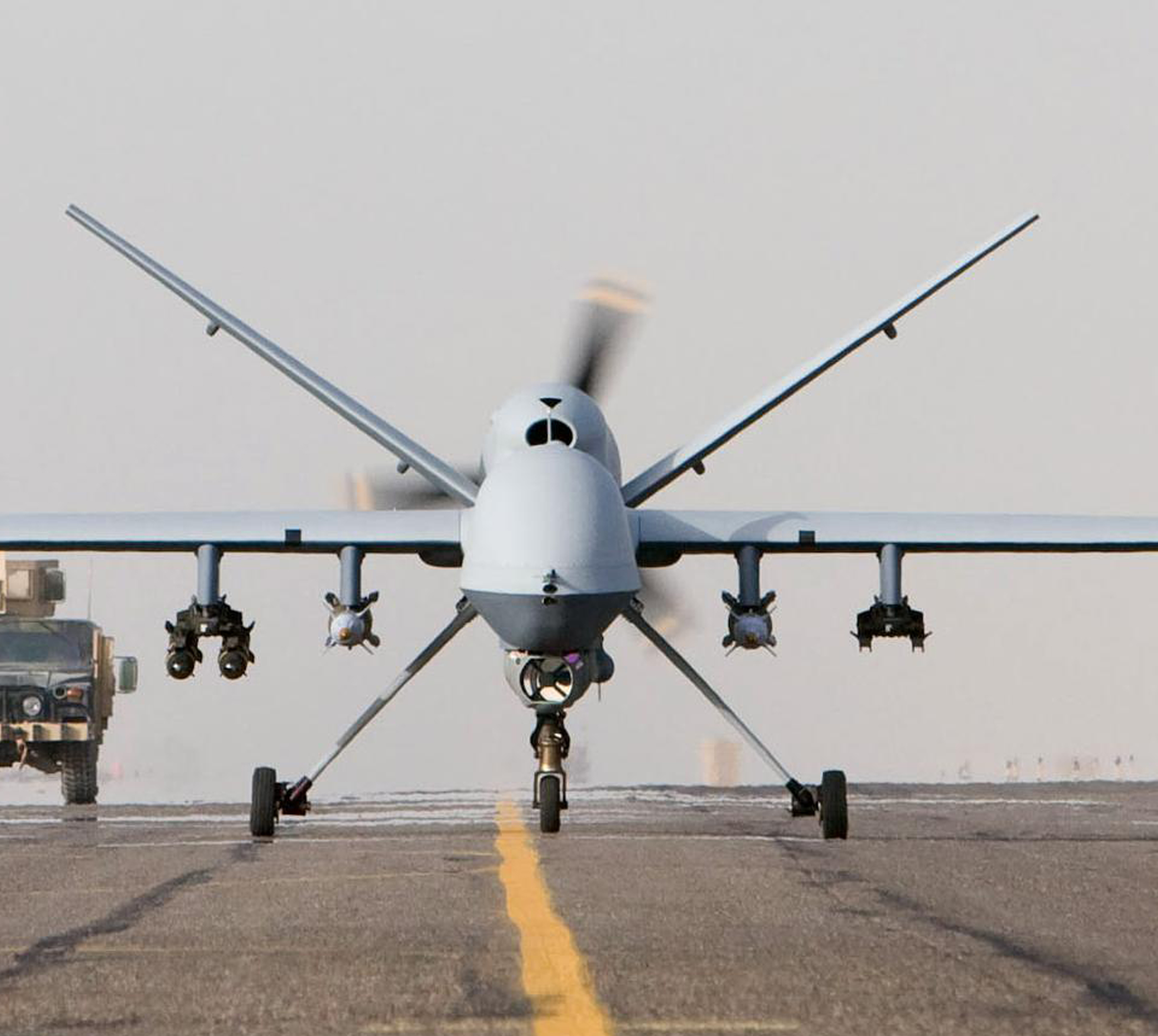
UAVs and Future Threats
The world is witnessing a huge leap in the development of military tools used in various conflicts. UAVs are one of the most prominent modern tools that have changed the concepts of conventional force as well as financial and human costs on battlefields. It has been widely used by regular armies, armed groups and terrorist organizations, besides the fact that their threats increase when they are used to serve terrorist attacks within urban areas. This report examines the new dynamics of such technology and the risks of its negative uses to the national security of countries.