Arab policy
Arab policy
Will the Shifting Orientations of Iraqi Voters Decide the Upcoming Elections?
Arab policy
The Syrian Situation Between Centralization and Decentralization Options
Arab policy
My Third Message to Our Arab Shia Brothers: A Call to Reason and Reality
Arab policy
Syrian Political Consciousness in Transition: Structure and Stakes
Arab policy
The Security System in Syria: The legacy of the former regime versus the Idlib model
Filter by:
Rebuilding the Syrian Army: Potentials, Challenges, and Risks
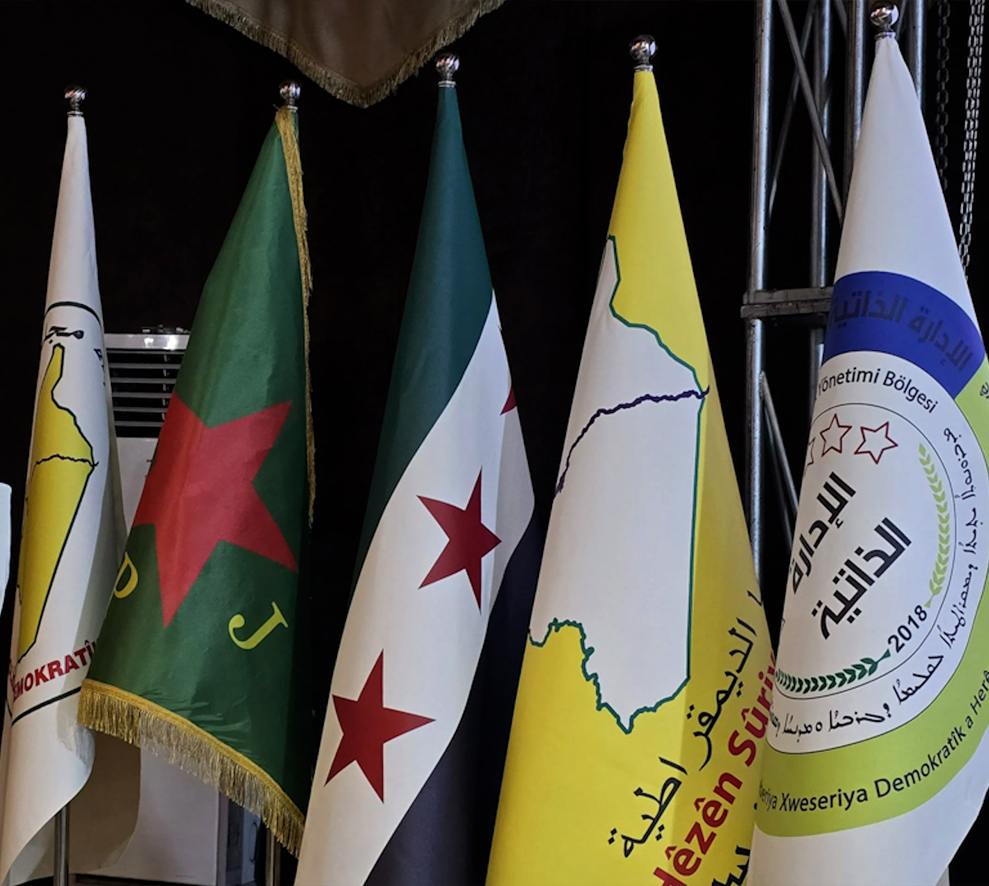
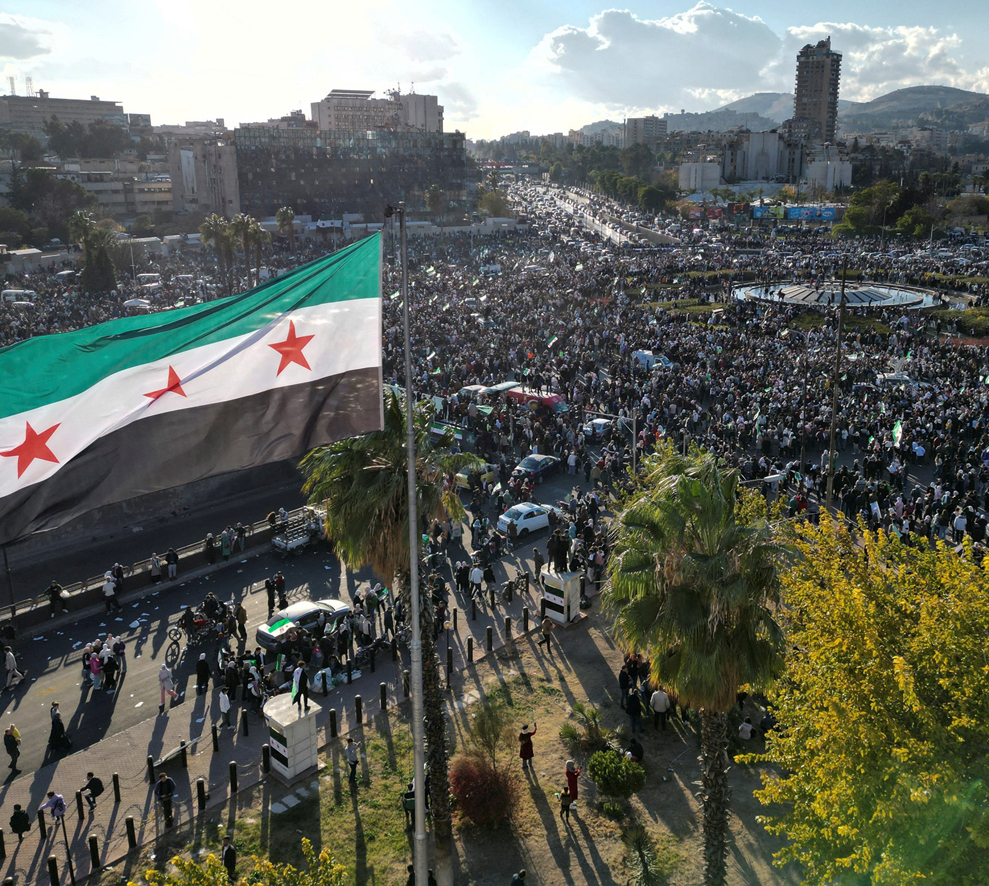
The process of rebuilding the Syrian army after the fall of the Assad regime faces structural and political challenges that hinder the formation of a unified national military institution. The current Syrian military landscape suffers from deep divisions, along with concerns about the ideological identity of the emerging army and its impact on internal cohesion and international stance. Moreover, there is limited representation of Syria’s diverse components within its structure. Therefore, the success of rebuilding the Syrian army depends on its ability to represent the diverse Syrian society and on the presence of international support conditioned by accountability and transparency.
Does the Arab Reconstruction Plan Overcome Its Operational Challenges?
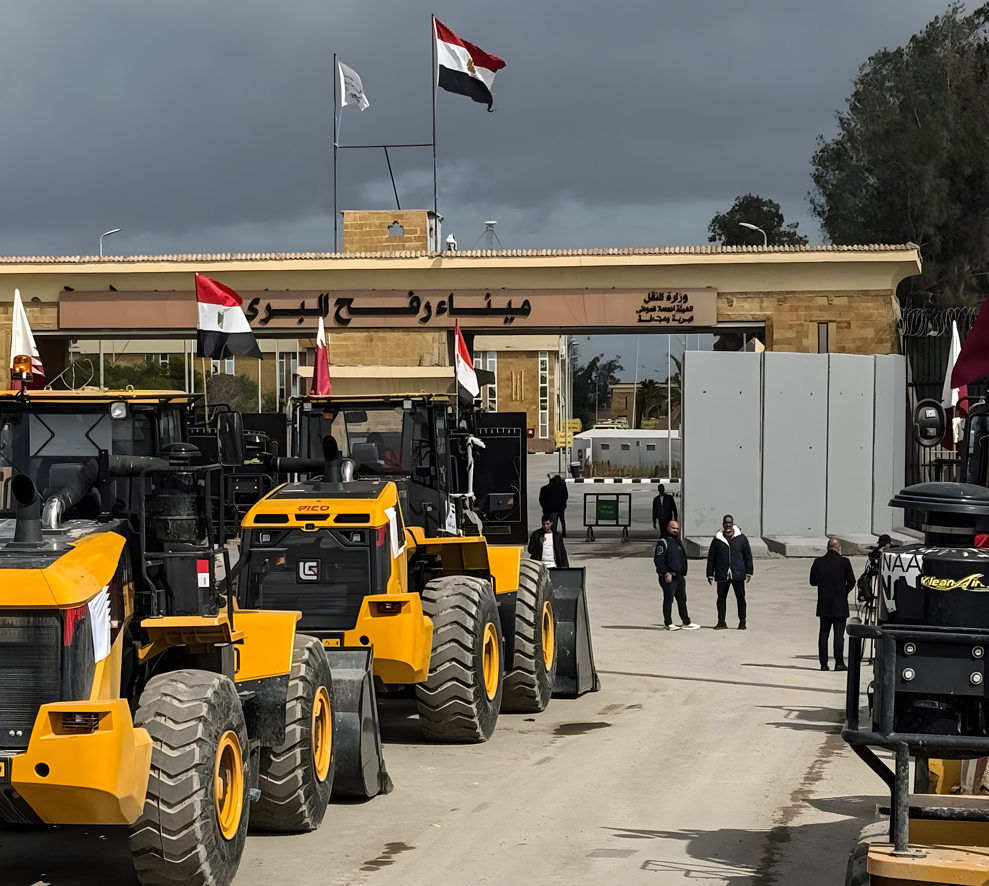
The reconstruction plan is being developed in coordination between Egypt and various Arab countries, with its details expected to be presented at the Arab Summit in Cairo. In response to U.S. President Donald Trump’s stance on the displacement of Palestinians, Arab countries have moved swiftly to propose a more logical and realistic alternative plan.

The Second Arab-Islamic Summit: Timing and Contextual Implications
The second Arab-Islamic summit reaffirmed the call for an immediate halt to the wars in Gaza and Lebanon, urging an end to their disastrous humanitarian impact on civilians. The summit also emphasized the need for continued coordination with the international community to put an end to Israel’s violations of international law and international humanitarian law, while warning of the grave risks associated with the escalation of the conflict and its regional and international ramifications.
A Call to Arab Countries: Support Our Shia Brothers’ Return to Their Arab Identity!
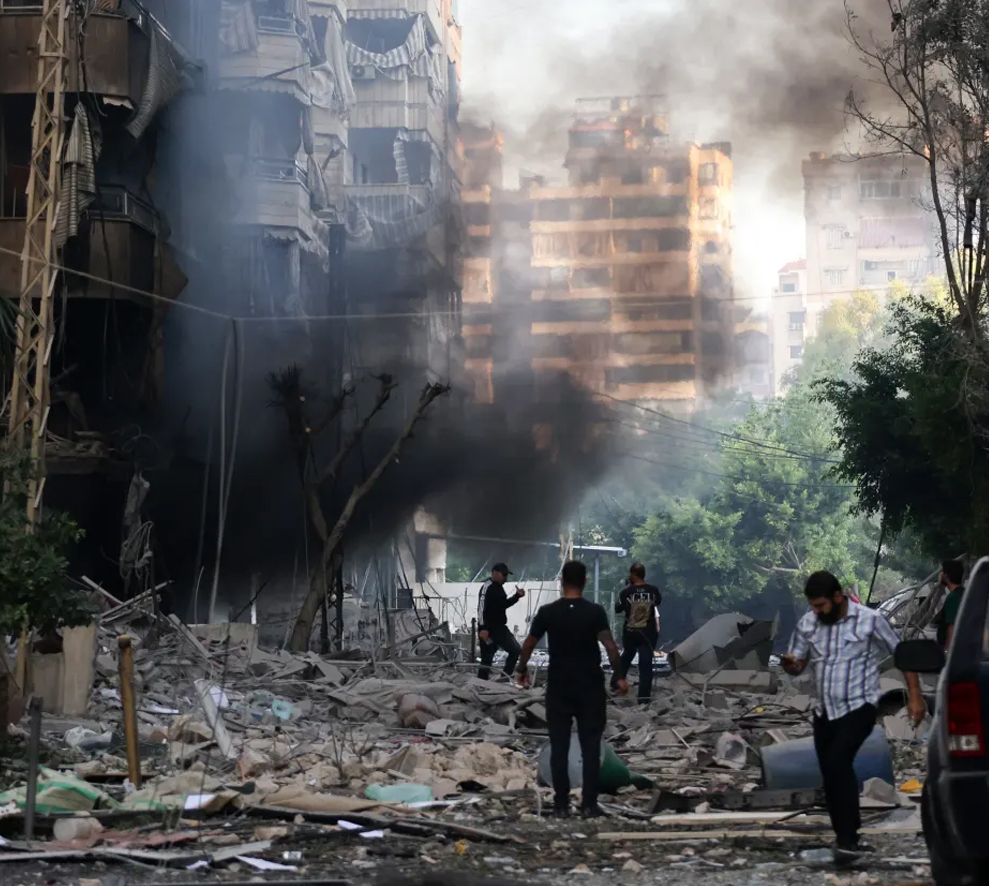
This article urges Arab countries to take the initiative in Lebanese affairs and work towards ending the war, protecting Lebanese civilians, and preventing Iran from using the Lebanese Shiite community as a pawn in its conflicts under the guise of historical grievances. To achieve this, Arab countries must intensify their moral, scientific, political, and economic support for the Lebanese people, especially the Shiite community, whose members are suffering the most due to the ongoing war.
Advertising space title
Description of the advertising space. Upon the client’s initial approval of the design, this text will be removed.
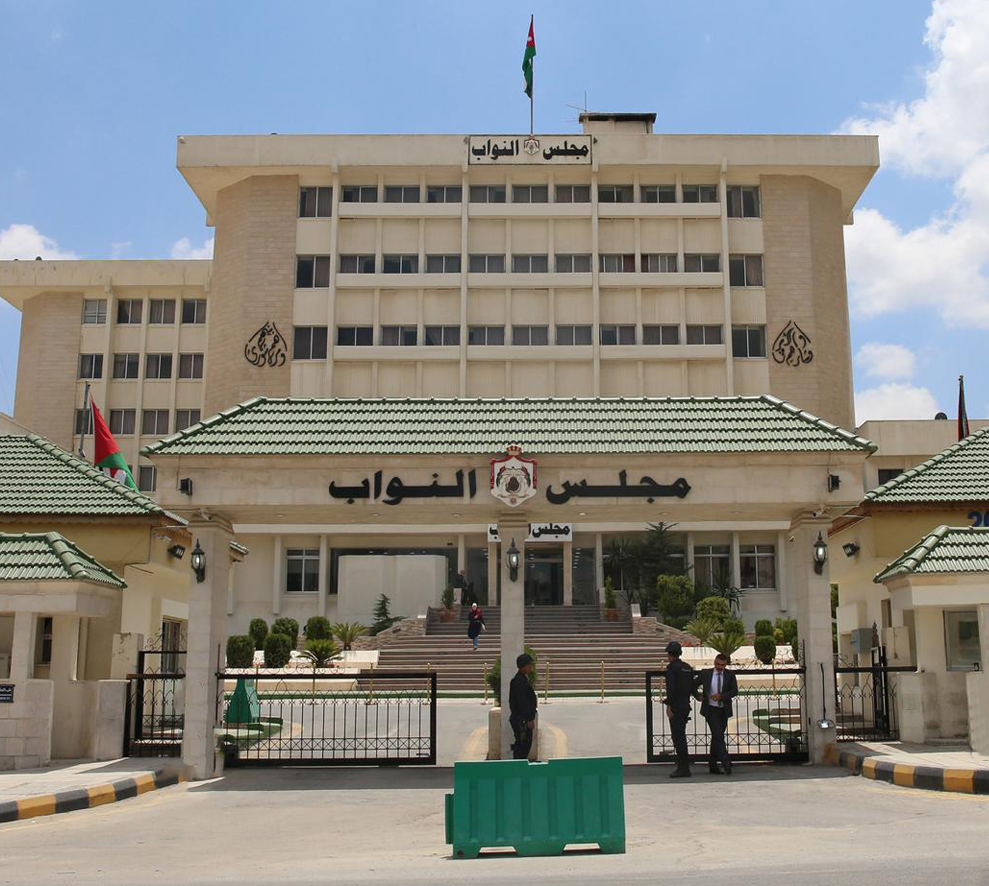
The 20th Parliamentary Landscape and Prospects of Political Modernization
This paper presents an analysis of how results of the recent Jordanian parliamentary election will affect the kingdom’s political parties. It proposes a number of scenarios regarding the parliamentary landscape of the 20th council, as well as the trajectory of political modernization.
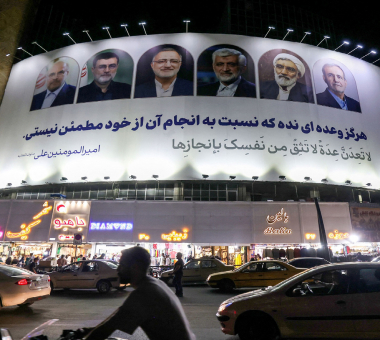
Perceptions of Iran’s Political Scene in Upcoming Presidential Election
The upcoming presidential election in Iran is of particular importance given the internal and external issues surrounding Iranian politics. Foremost among them is the question of who will succeed Supreme Leader Ali Khamenei, how will his vision—and the next president’s—shape Iran’s political system 80 years after the 1978–1979 revolution, and how will regional and international developments and their implications affect Iran’s security and diplomatic policies.
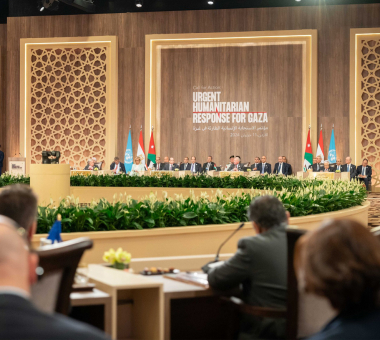
Will the “Response” conference in Jordan overcome the complexity of aid flow and reconstruction?
This position paper addresses the Emergency Humanitarian Response Conference in Gaza, which was held in Jordan. The conference discussed several key areas related to determining the mechanisms of this response and the main aspects of its coordination among the components of the international community.
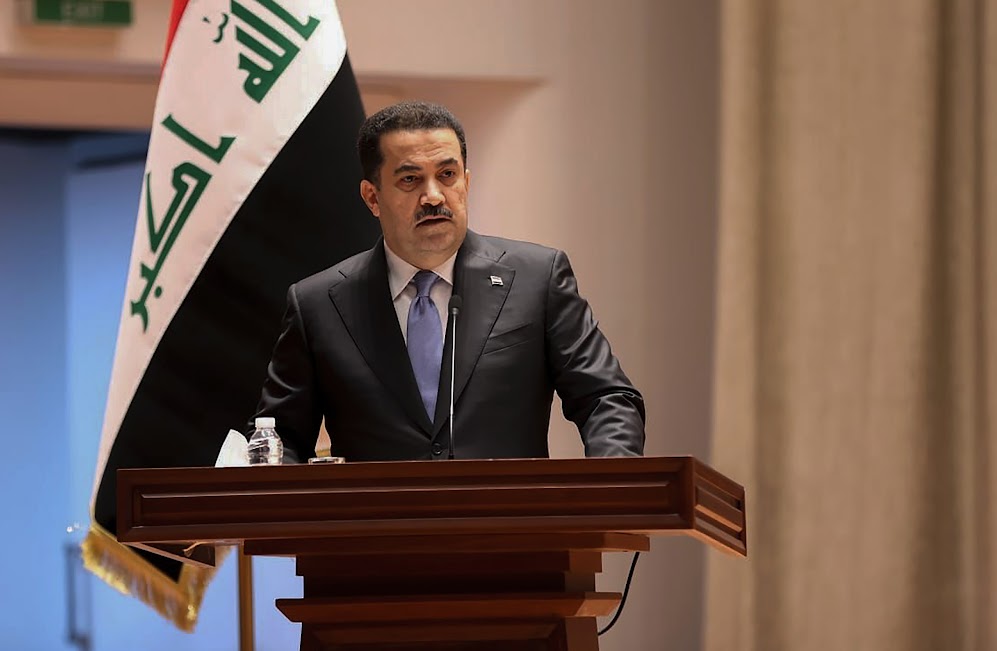
The Emergence—and the Required Juggling Act—of a Potential Statesman
How the Iraqi Prime Minister Mohammed Shia Al-Sudani is navigating between the West and Iran?
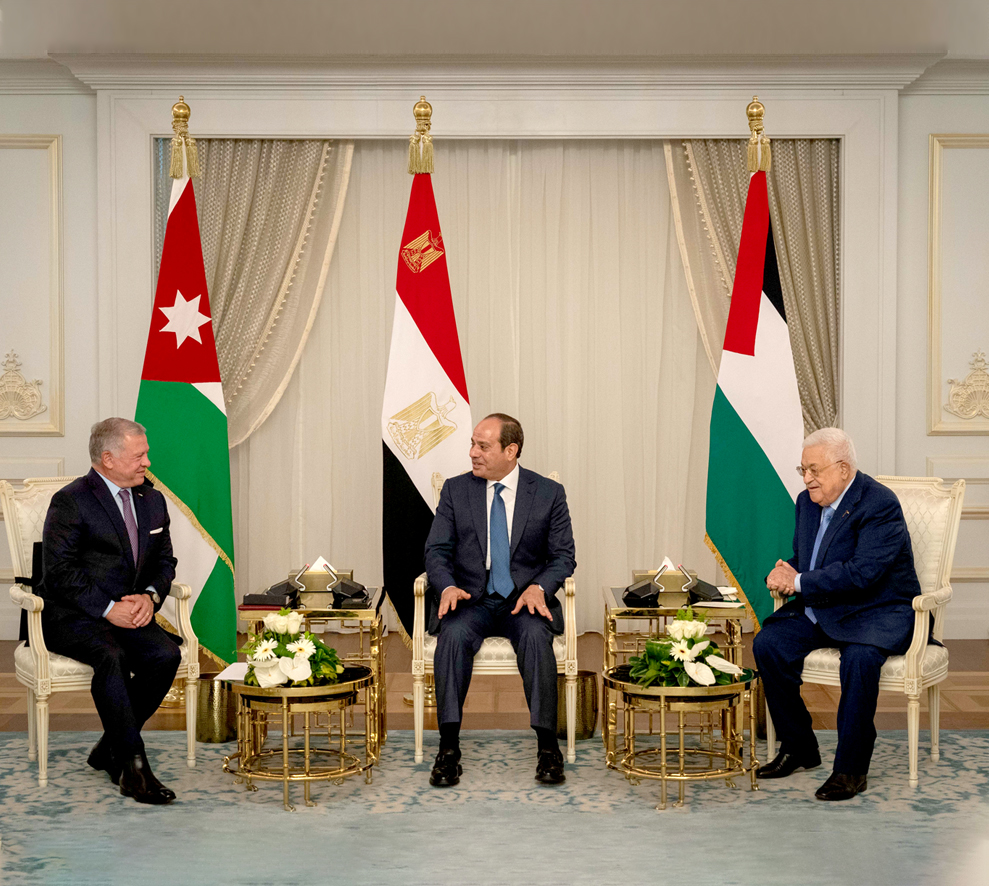
The Tripartite Summit of El-Alamein and the Reorganization of Affairs in Palestine
This position assessment discusses the tripartite summit between the leaders of Jordan, Egypt, and the Palestinian Authority in the Egyptian city of El-Alamein. The summit emphasized the priority of international and Arab legal references for resolving the Palestinian cause. This paper also addresses the future of the Palestinian Authority in light of the crises facing the West Bank and Gaza Strip.