Analyses
Politics
test analyses
Politics
test
Regional Trends
After the Assassination of Khamenei: Scenarios for the Third Supreme Leader
International and Global Trends
Israeli-U.S. Military Operation Scenarios and Iranian Responses
International and Global Trends
Washington and Tehran: Negotiations Under the Hammer of Military Buildup
Filter by:
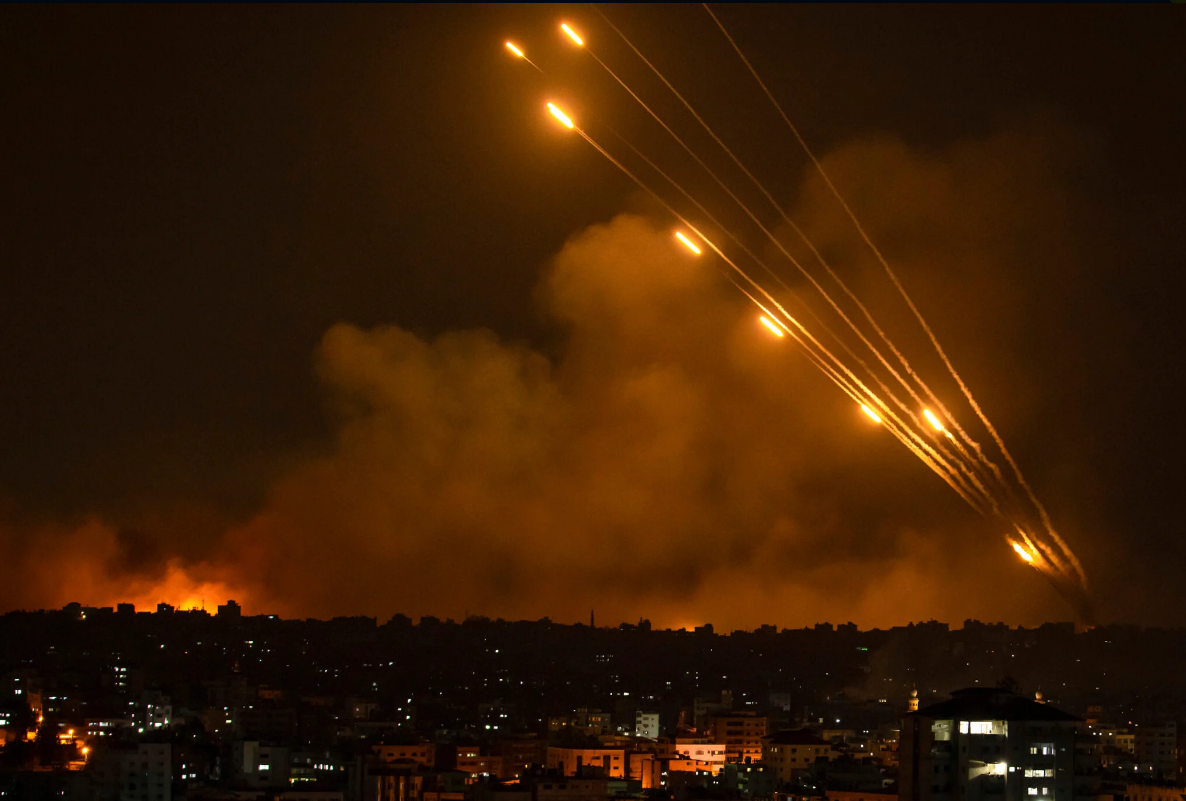
The Iranian Attack Against Israel: Strike and Counter-Strike
The turning point between Israeli-Iranian relations is linked to the repercussions of the attack. Iran continues expressing its desire to prevent the war from expanding, but the potential Israeli response will be a decisive factor in shaping the upcoming regional landscape.
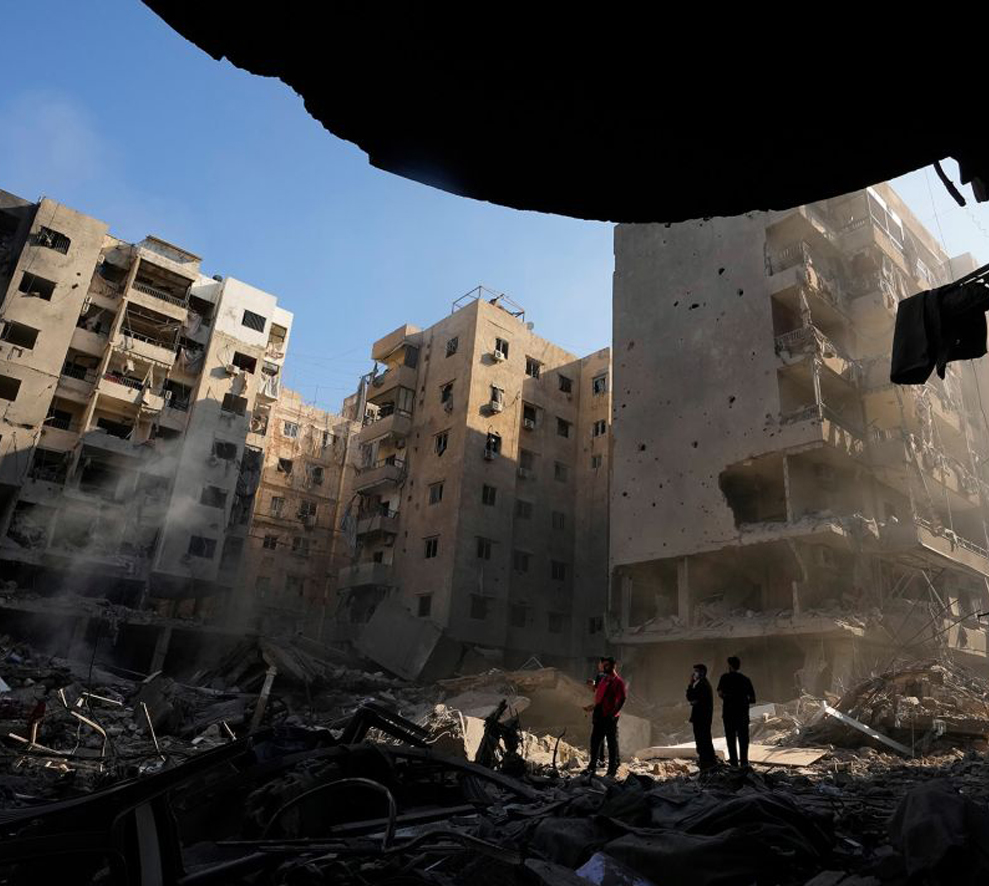
Nasrallah’s Assassination Puts Hezbollah and the Unification of the arenas in a Critical Moment
The assassination of Hezbollah Secretary-General Hassan Nasrallah puts the movement in a critical moment, exacerbating the damage to its military structure. This raises questions about Hezbollah’s position in confrontation with Israel, the Iranian approach toward its most important allies, and the stance of the other parties in the “Unification of the arenas.”

Intelligence Superiority Places the Escalation Between Israel and Hezbollah at a Turning Point
Israeli information and intelligence superiority has contributed to its deadly aim in striking several strategic targets of the Hezbollah Movement, both at its leadership and infrastructure. This paper seeks to analyze the Israeli strategy towards Hezbollah before and after the war in Gaza, which has significantly weakened the Movement’s capabilities and hindered its ability to respond proportionately and escalate in return.
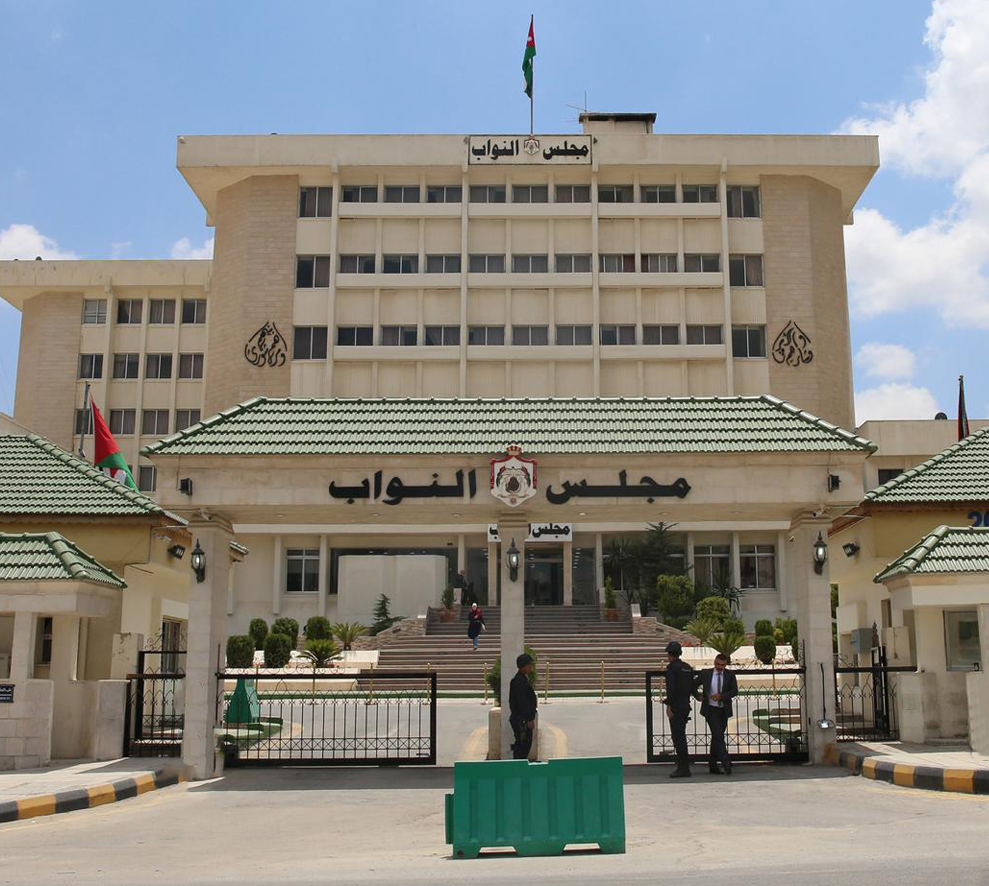
The 20th Parliamentary Landscape and Prospects of Political Modernization
This paper presents an analysis of how results of the recent Jordanian parliamentary election will affect the kingdom’s political parties. It proposes a number of scenarios regarding the parliamentary landscape of the 20th council, as well as the trajectory of political modernization.
Advertising space title
Description of the advertising space. Upon the client’s initial approval of the design, this text will be removed.
Regional Powers Must Uphold Their Historical Responsibility to Achieve Stability in the Middle East
An opinion piece by Palestinian diplomat and former ambassador, Nabil Maaruf, proposes a new initiative to improve stability in the Middle East, neutralize conflicts arising from international interventions, and radically increasing the region’s low weight in the international system of power. His perspective on the Middle East initiative is based on the transformations that Europe underwent during its dark ages.
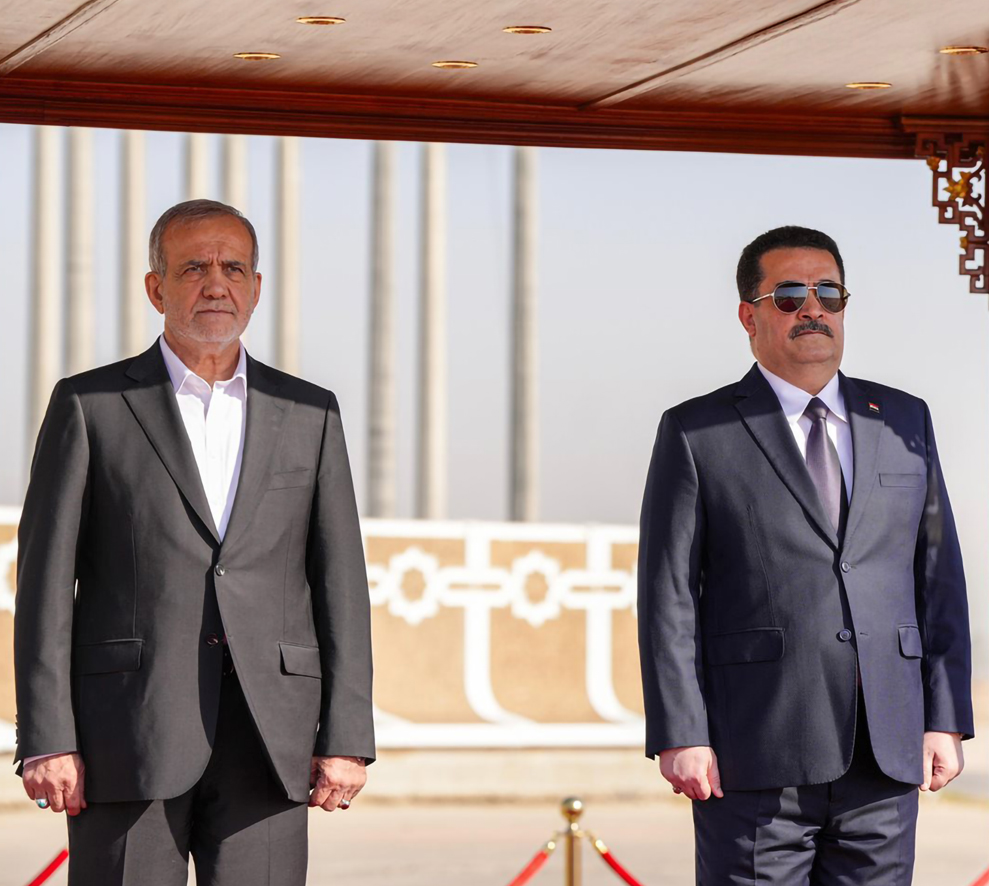
Pezeshkian in Iraq: Political Maneuver or Strategic Visit?
The visit of Iranian President Massoud Pezeshkian to Iraq raises several questions about the future of Iraqi-Iranian relations. Will Iraq be facing fundamental and decisive changes? An analysis of the factors and variables, however, suggests that changes in Iraq will not affect its political or security relations with Iran. The relationship between the two countries is deeply intertwined and transcends political changes and internal or external conditions.
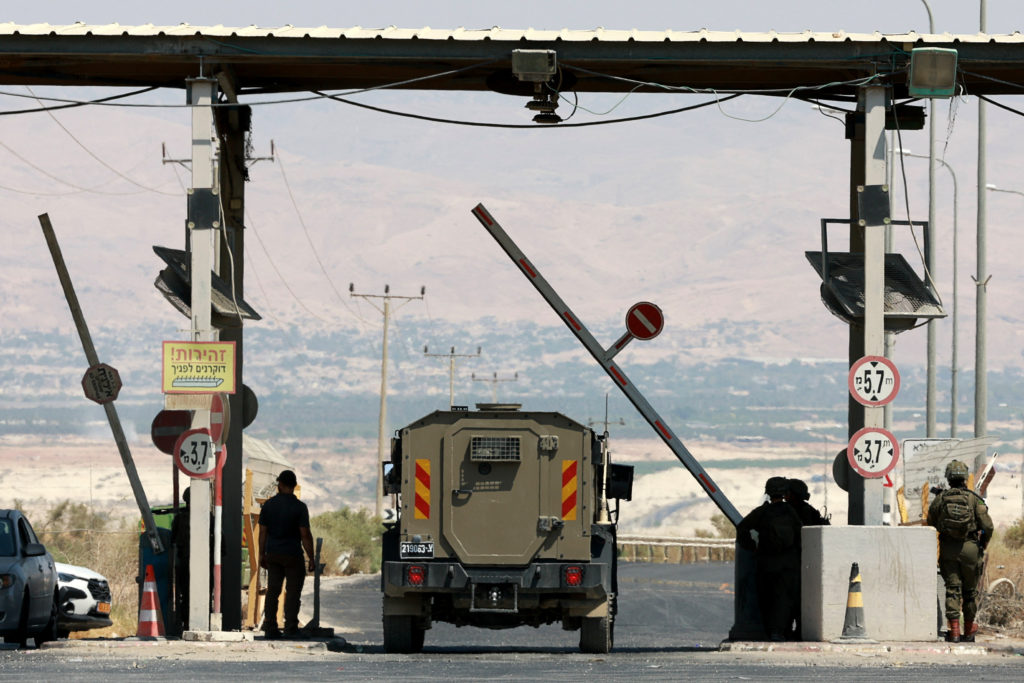
The Allenby Incident Is Containable but Signals a Continuation of Tension
Repercussions are likely to remain limited on both the security and political levels, as well as on Jordanian-Israeli relations despite its context amid the war in Gaza, the escalation in the West Bank
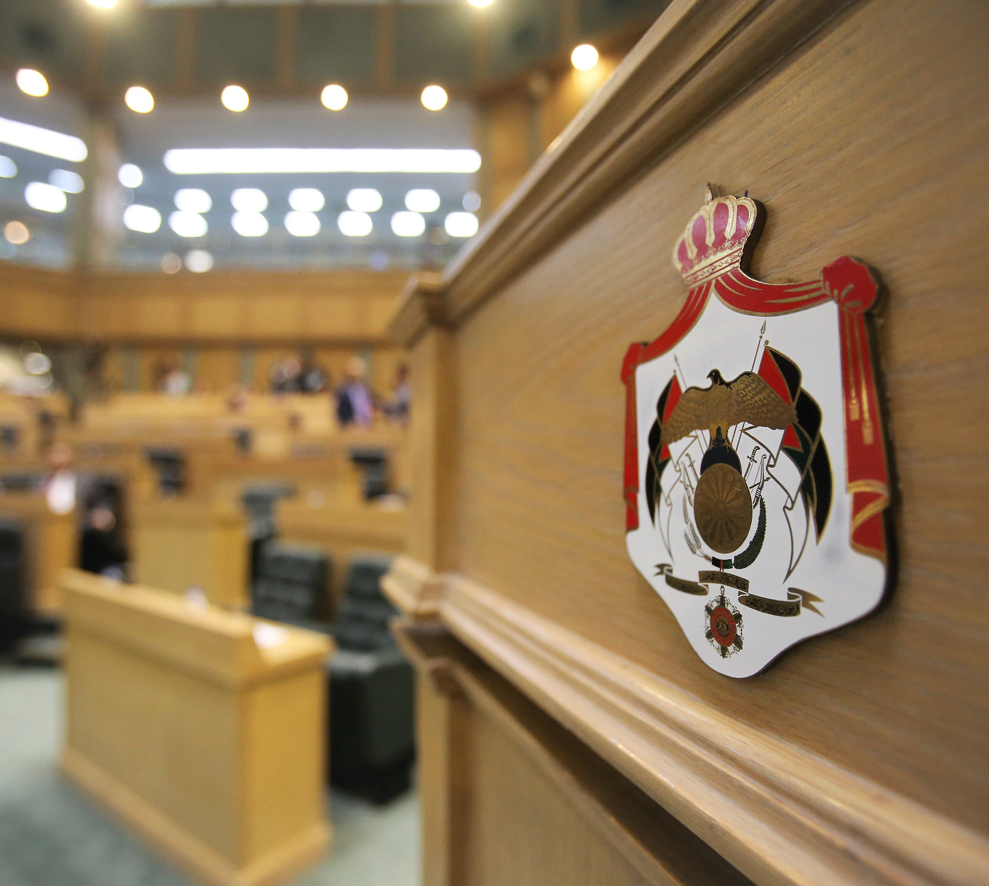
How Can Jordanian Political Parties Overcome the Pressures They Face?
The Jordanian political parties, established in less than a year, are set to compete in the upcoming parliamentary elections, where they are expected to play a pivotal role that should gradually develop in future elections. This places self-imposed pressures on the parties to keep pace with the modernization process. This paper will explore a range of policies and practices specific to the initial phase of this experience—running for office and reaching the parliament—in a way that avoids pitfalls and mistakes that could obstruct their progress.

How Can Israel’s “Summer Camps” Operation in the Northern West Bank Be Interpreted?
The Israeli security and political objectives behind the military operation in the northern West Bank and Jordan Valley are multifaceted and interconnected. These goals are timed to align with confrontations on other fronts, particularly in the Gaza Strip and Lebanon. Extending beyond the Palestinian context, the potential dangers of the situation in the West Bank could also impact Jordan.