Analyses
Politics
test analyses
Politics
test
Regional Trends
After the Assassination of Khamenei: Scenarios for the Third Supreme Leader
International and Global Trends
Israeli-U.S. Military Operation Scenarios and Iranian Responses
International and Global Trends
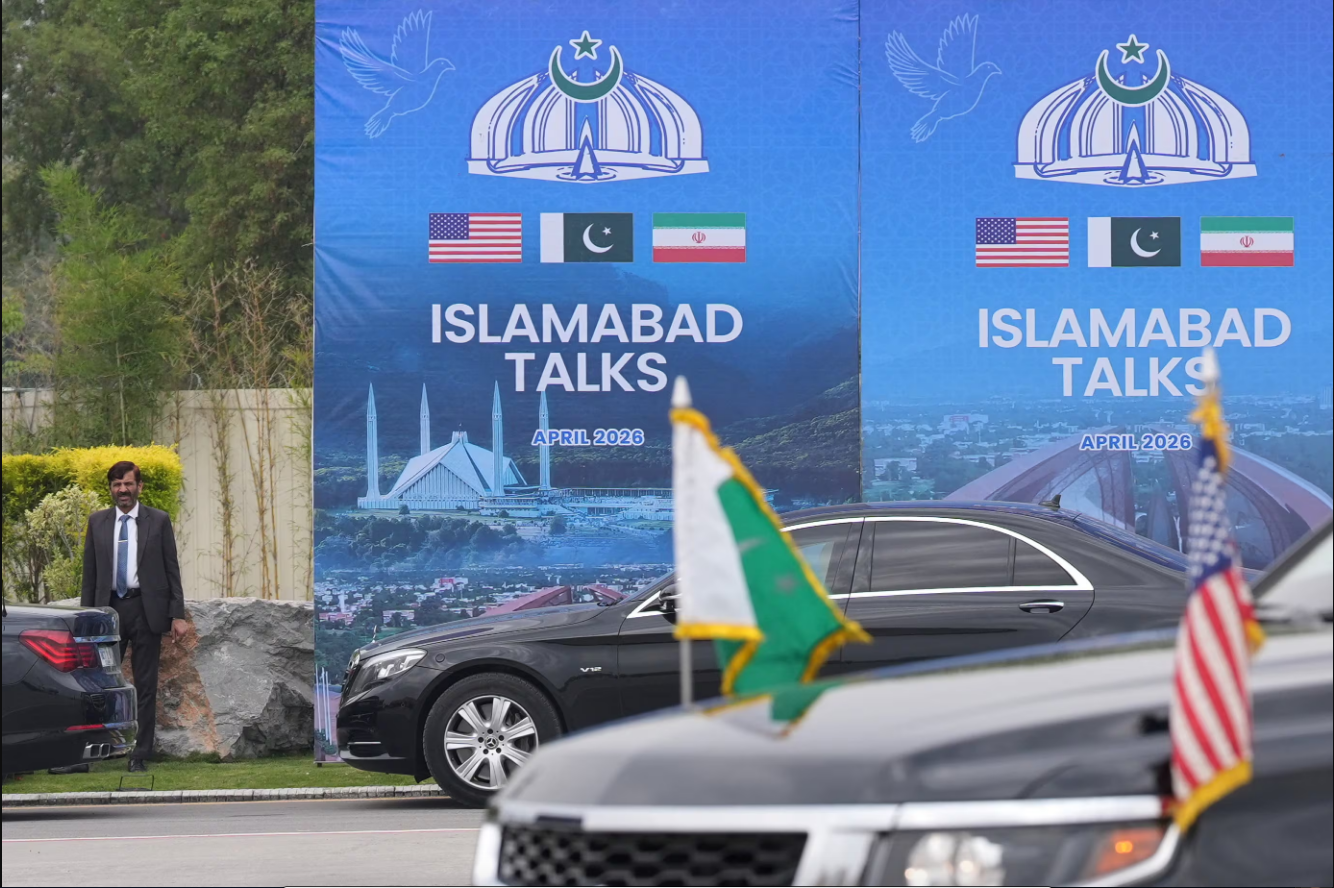
Washington and Tehran: Negotiations Under the Hammer of Military Buildup
Filter by:

Foreign Fighters File in Syria: Between Entitlement and Risk
This paper addresses the complex situation of the foreign fighter file in Syria following the change of the former regime. It details their composition, explores the long-term challenges and risks arising from their integration into the new Syrian army, their leadership roles, and the implications of this both locally and internationally. It also touches on the issue of thousands of foreign fighters from ISIS who are currently detained. Lastly, the paper reviews future scenarios for these fighters, whether those integrated into the new state structures or the ISIS detainees held by the Syrian Democratic Forces (SDF).
Operation Gideon’s Chariots: Is It the Last Stage of the War?
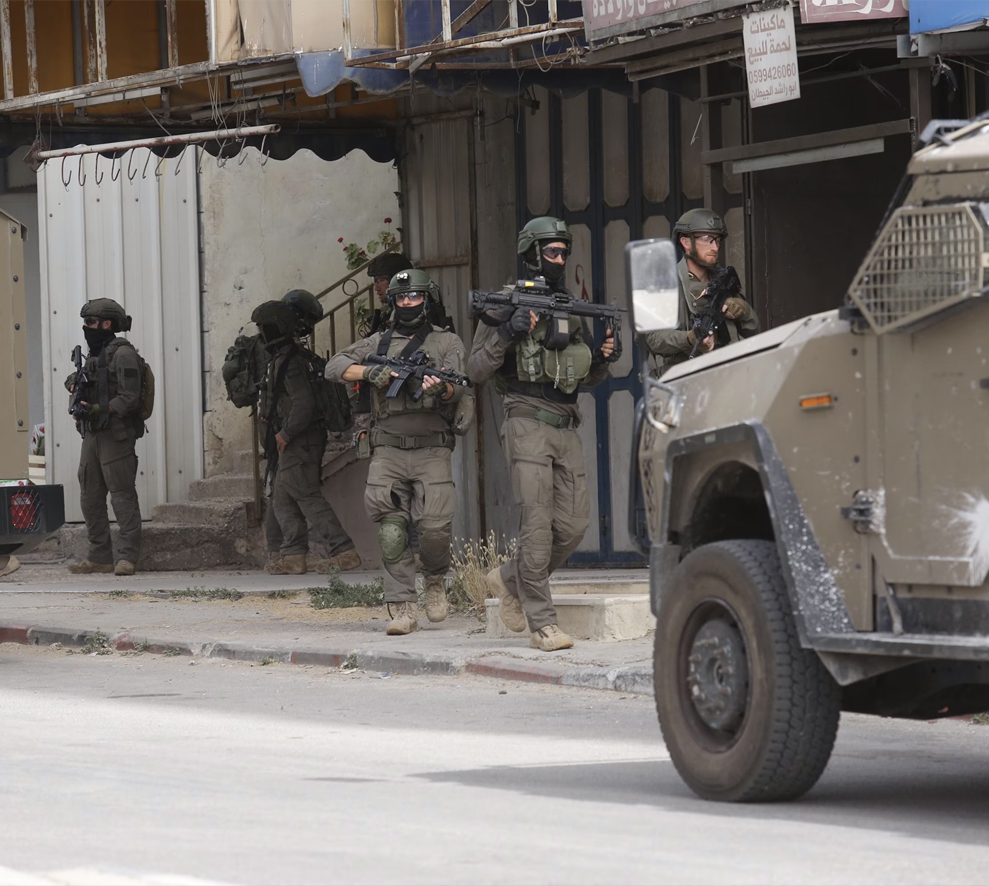
Operation Gideon’s Chariots marks an unprecedented Israeli escalation in the Gaza Strip, aimed at dismantling Hamas and redrawing the region’s demographic and military map, amid mounting international and regional pressure. Despite its ambition to end the war, Israel faces internal and external challenges that could turn the operation into a critical turning point: either a decisive resolution, a prolonged war of attrition, or a political breakthrough that brings an end to the ongoing conflict.

The Security System in Syria: The legacy of the former regime versus the Idlib model
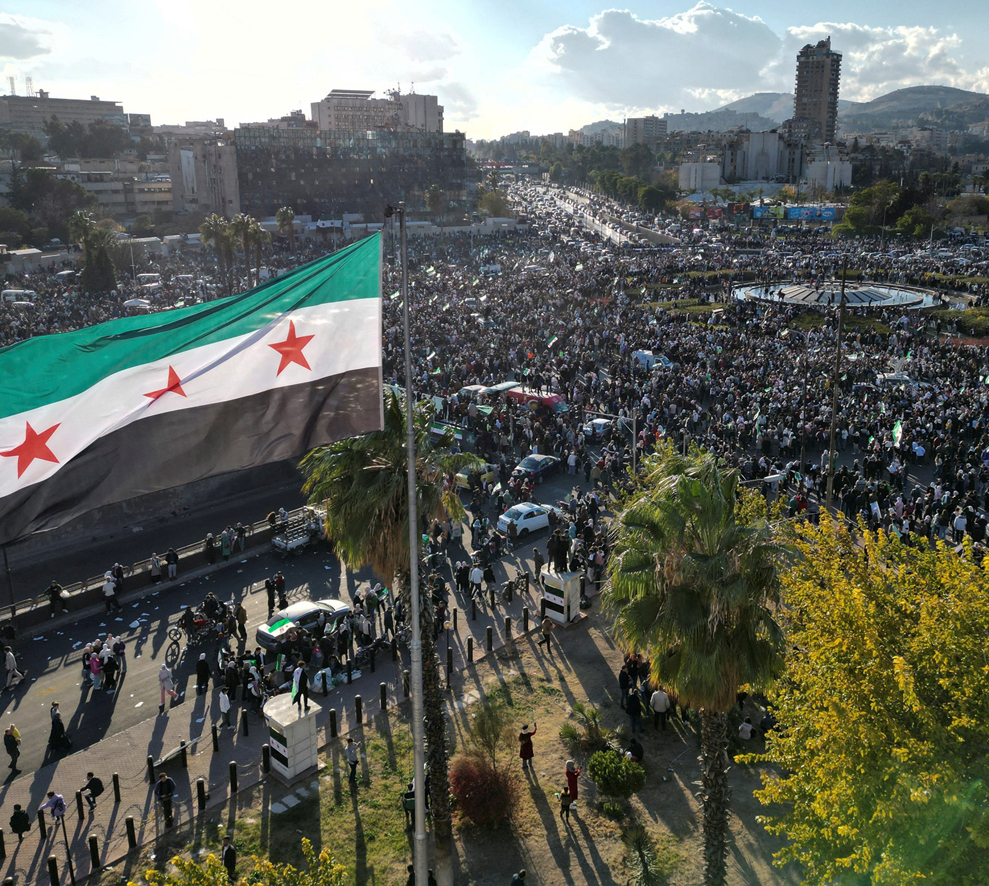
Syria is entering a major phase of security transformation following Hay’at Tahrir al-Sham’s (HTS) rise to power in late 2024. The former security apparatuses, known for their extensive control and role in suppressing the opposition, have been dismantled. Despite talk of security reforms under the new government, there are concerns about the re-emergence of a centralized security authority that prioritizes regime protection at the expense of citizens’ rights, especially in light of weak oversight and the lack of genuine integration of all military factions inside Syria into the country’s new General Security Agency.
Rebuilding the Syrian Army: Potentials, Challenges, and Risks
The process of rebuilding the Syrian army after the fall of the Assad regime faces structural and political challenges that hinder the formation of a unified national military institution. The current Syrian military landscape suffers from deep divisions, along with concerns about the ideological identity of the emerging army and its impact on internal cohesion and international stance. Moreover, there is limited representation of Syria’s diverse components within its structure. Therefore, the success of rebuilding the Syrian army depends on its ability to represent the diverse Syrian society and on the presence of international support conditioned by accountability and transparency.
Advertising space title
Description of the advertising space. Upon the client’s initial approval of the design, this text will be removed.
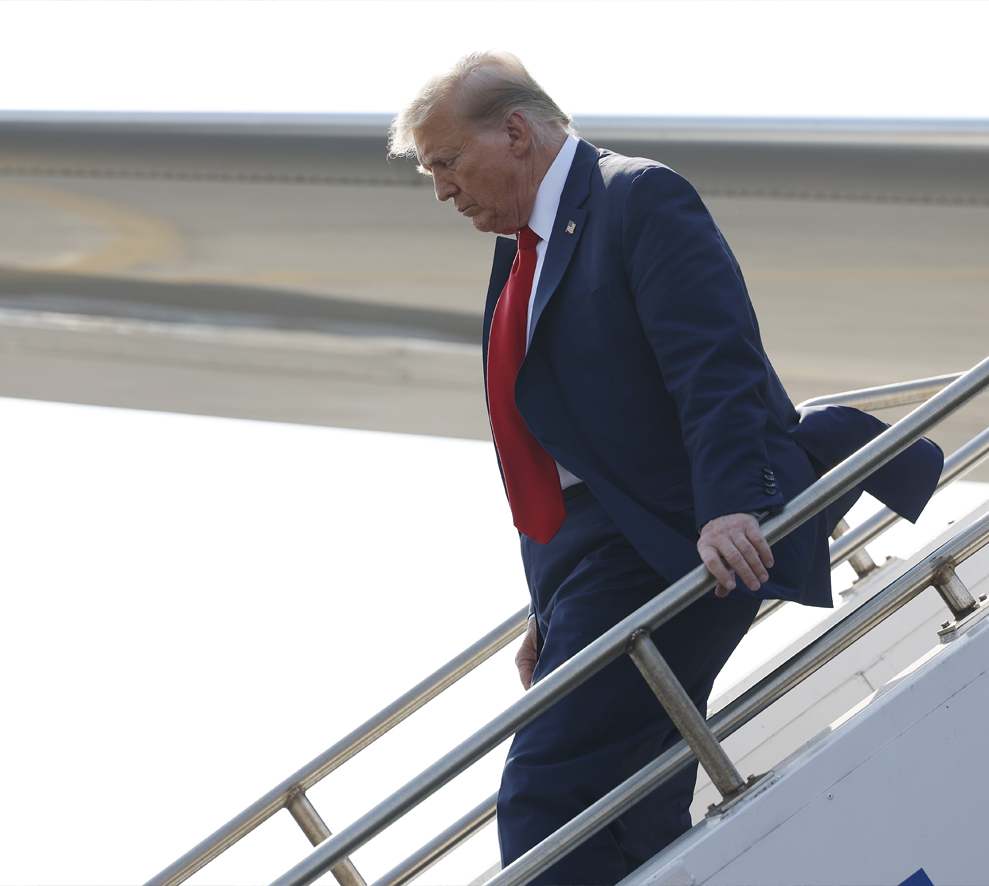
Trump’s Gulf Tour and the Intersection of Regional and International Files
U.S. President Donald Trump departed for the Kingdom of Saudi Arabia on his first official foreign visit. His trip to the Gulf countries comes at a critical time in which the impact of regional changes intersects with the priorities of American policy. The visit highlights Gulf-American cooperation on vital issues such as Iranian policy, the Palestinian cause, and Arab-Israeli relations. Gulf countries are taking a leading role as key supporters of peace efforts, while Trump aims to focus on de-escalating conflicts and reducing the American military footprint in the region.
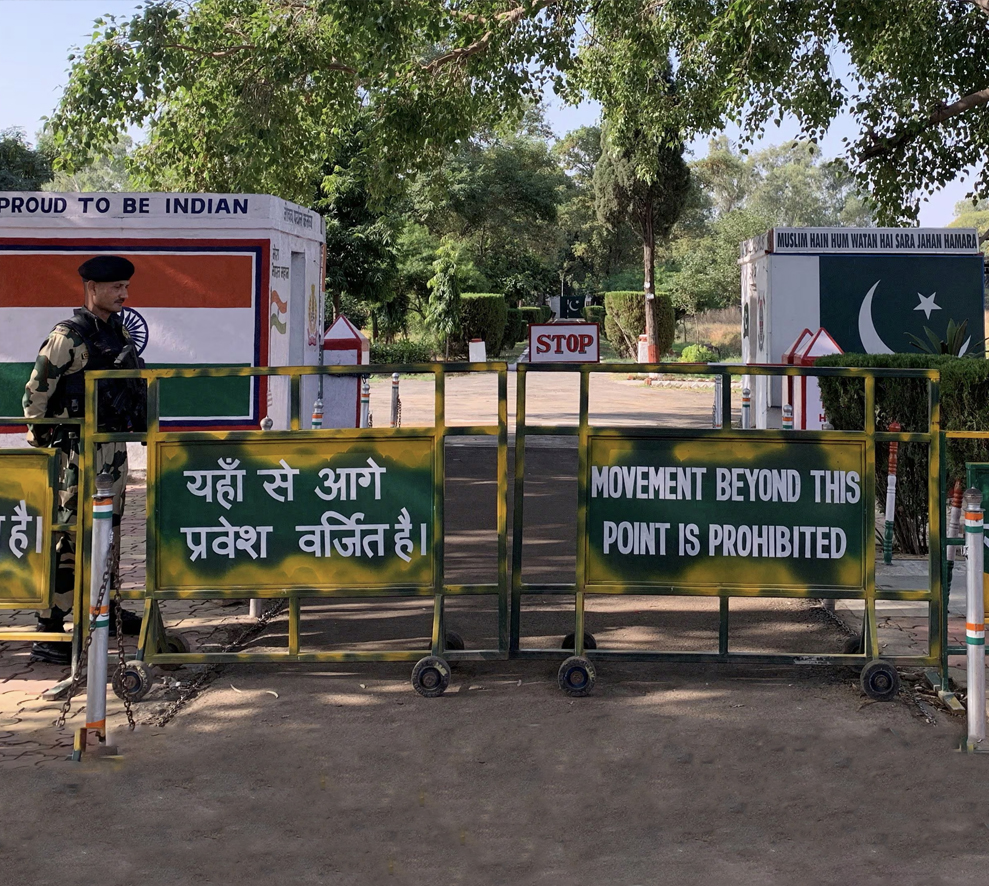
India-Pakistan Escalation Scenarios
India and Pakistan stand on the brink of a new military confrontation following an armed attack in Kashmir that triggered a series of reciprocal retaliatory measures. The crisis has now escalated beyond a regional conflict, becoming entangled in the broader international rivalry between the United States and China. New Delhi is strategically aligned with Washington, while Islamabad remains a key partner of Beijing. As a result, India and Pakistan face two options: either wage a war of attrition that threatens regional stability or engage in a limited military escalation that leads to a temporary truce.
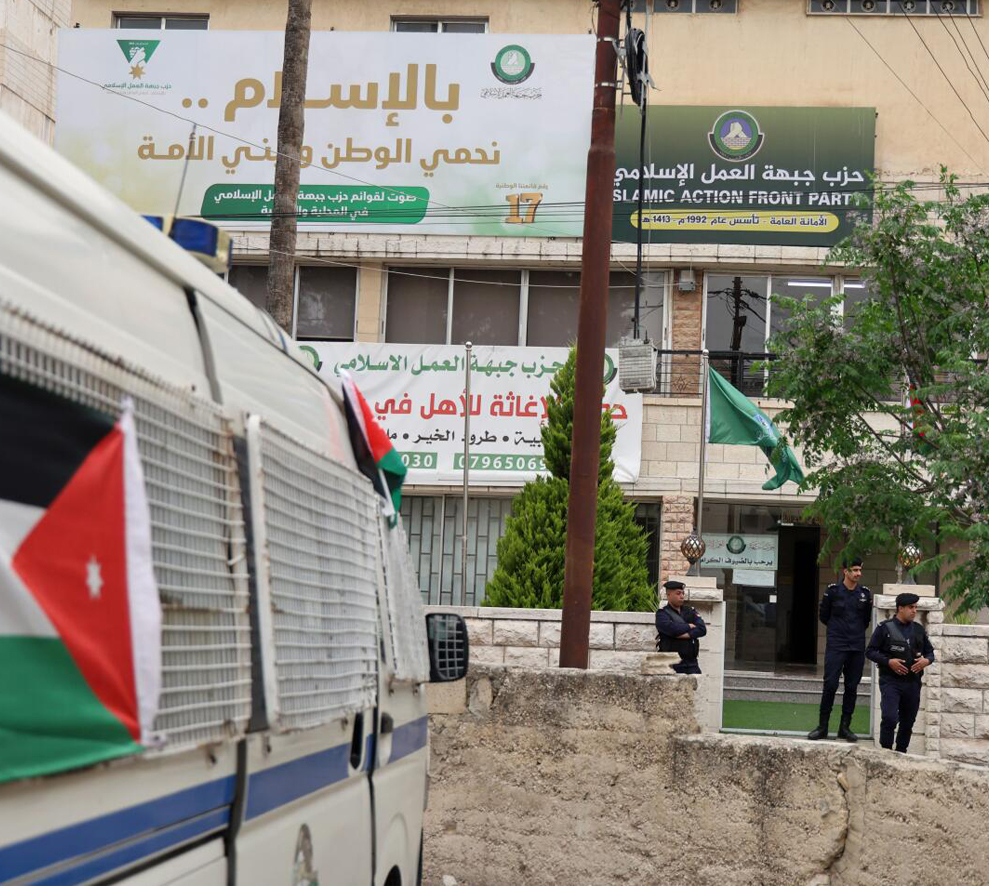
The Decision to Ban the Muslim Brotherhood in Jordan: the Hand of the Law Against Transnational Ideologies
This paper examines the Jordanian government’s decision April 23 to ban the Muslim Brotherhood group in response to growing security concerns following the discovery of affiliated cells planning to threaten Jordan’s national security. It outlines three potential post-ban scenarios: maintaining the ban solely on the group, extending it to include the Islamic Action Front party, or eradicating both entities entirely. The paper also highlights the legal and security challenges associated with each scenario.
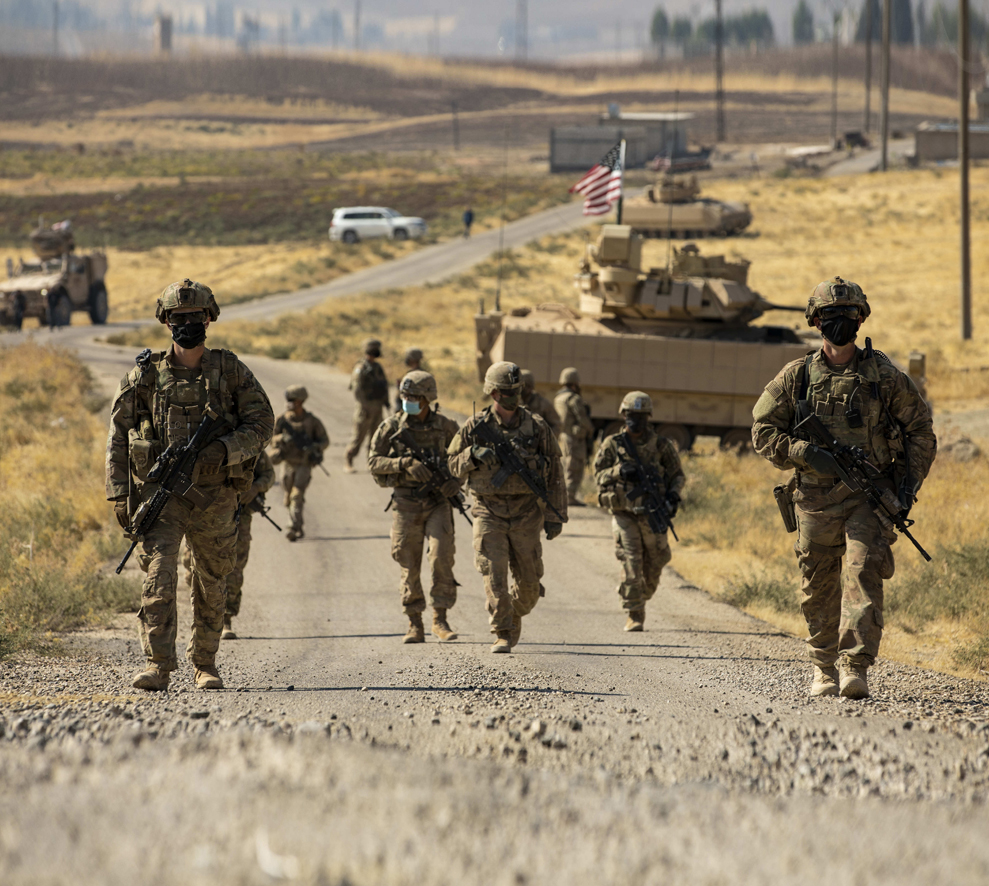
U.S. Presence in Syria: Changing the Attribute of Participation and Presence
This paper examines the future of the U.S. military presence in Syria within the context of rapidly evolving local and regional shifts. It also highlights how Washington, without direct military involvement, seeks to shape a political and security environment that serves its interests through monitoring the performance of the Syrian government and curbing the influence of Iran and extremist organizations. The paper links the repositioning of U.S. forces to a change in Washington’s perception of the Syrian government, specifically, its transformation into a political partner aligned with the regional environment.
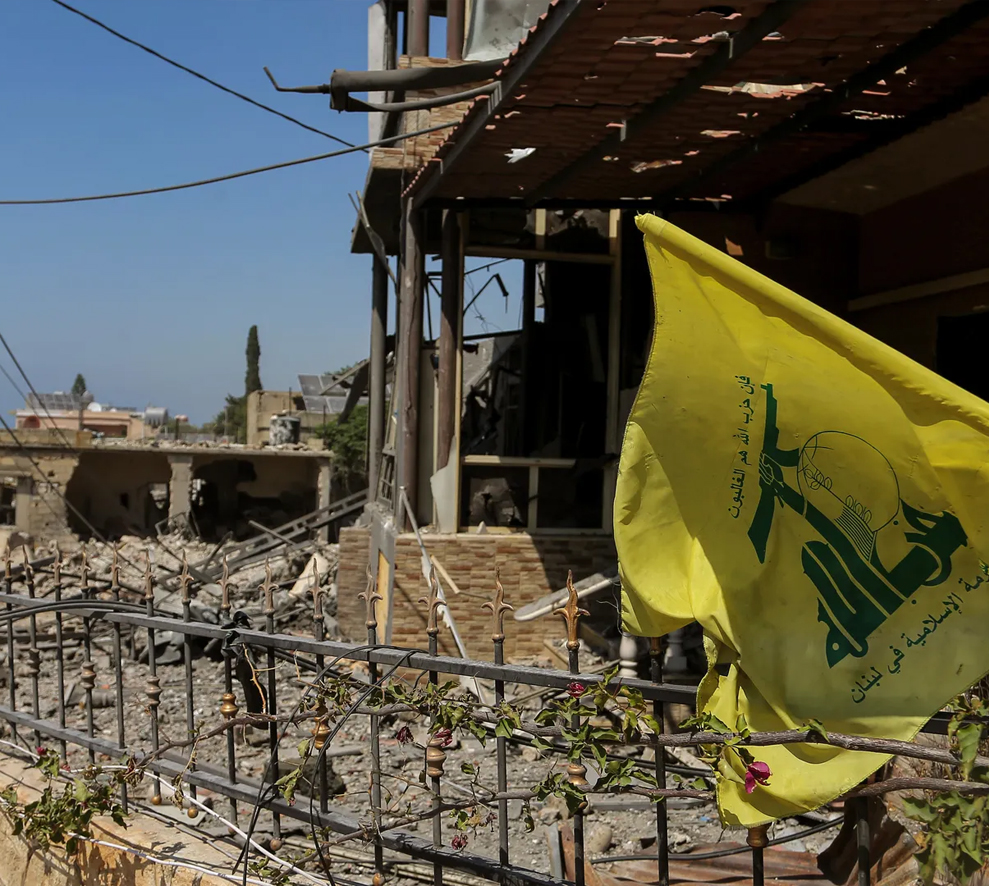
The Weapons of the Lebanese Hezbollah in the Post-War Reality
Lebanon is witnessing profound transformations resulting from the repercussions of the Gaza conflict, which has inflicted damage on Iran’s axis in the region, including Hezbollah. It seems that there is a shared understanding among the Lebanese, as well as regional and international actors, of the need to seize the moment to dismantle Hezbollah’s remaining weapons. In turn, Hezbollah feels compelled to make significant strategic concessions to preserve its political activities.