Analyses
Politics
test analyses
Politics
test
Regional Trends
After the Assassination of Khamenei: Scenarios for the Third Supreme Leader
International and Global Trends
Israeli-U.S. Military Operation Scenarios and Iranian Responses
International and Global Trends
Washington and Tehran: Negotiations Under the Hammer of Military Buildup
Filter by:
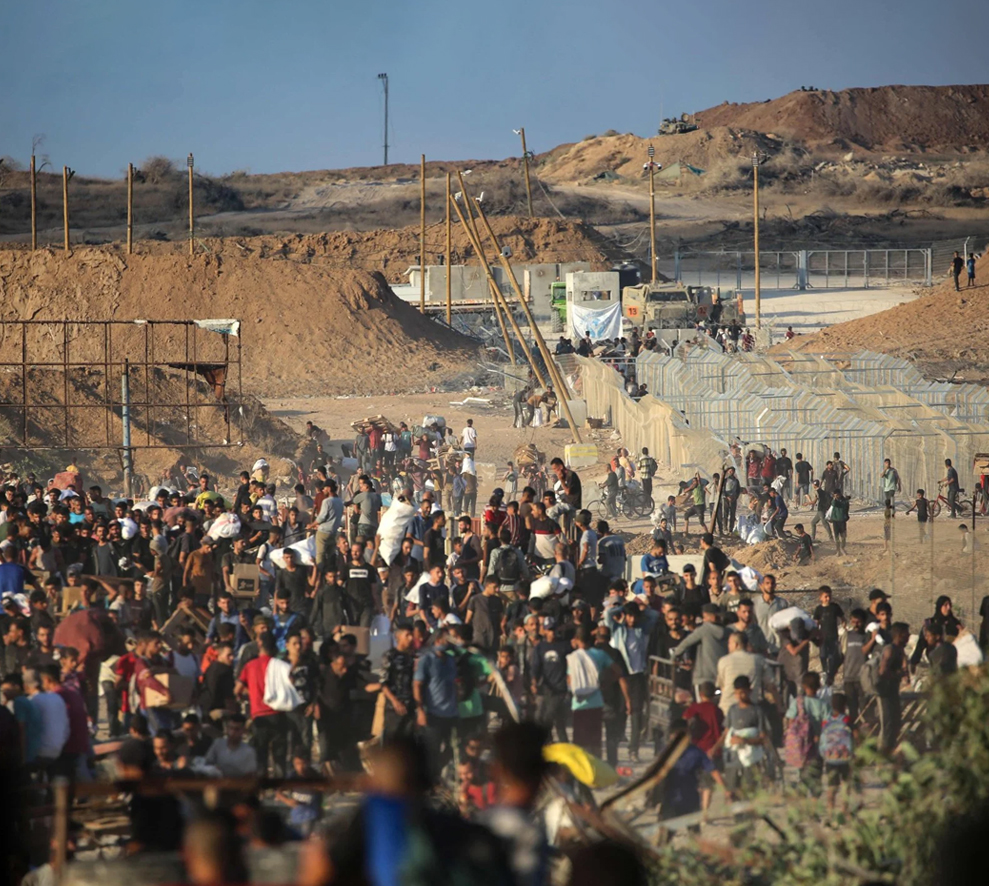
The Gaza Humanitarian Foundation’s Role in the Post-War Gaza Equation
The humanitarian landscape in the Gaza Strip is undergoing a significant transformation with the launch of the Gaza Humanitarian Foundation (GHF). Overseen by former U.S. military officers, the GHF provides aid and security to support the Israeli strategy of dismantling Hamas’s rule and reshaping governance in the Strip. Amid the declining role of UN agencies, the GHF has emerged as an invaluable tool for reengineering the population landscape through projects such as the "Humanitarian City" and “Safe Bubbles”.

Israel and Southern Syria: Limits of Power and Parameters of Settlement in Suwayda
The Suwayda Governorate in southern Syria witnessed a significant security escalation following clashes between Druze factions and Bedouin tribes, which was followed by a military intervention by the Syrian transitional government. This prompted Israel to carry out airstrikes, which it considered a response to the violation of the “demilitarized zone” principle and its commitments toward the Druze community. As a result, Syrian forces withdrew and a ceasefire agreement was signed with the religious authority in Suwayda that also included local security and administrative arrangements. These developments revealed a gap in the transitional government’s understanding of the Israeli position, placing its presence in the south—and its relations with the Druze and Kurds—under challenges that may reshape the balance of power.
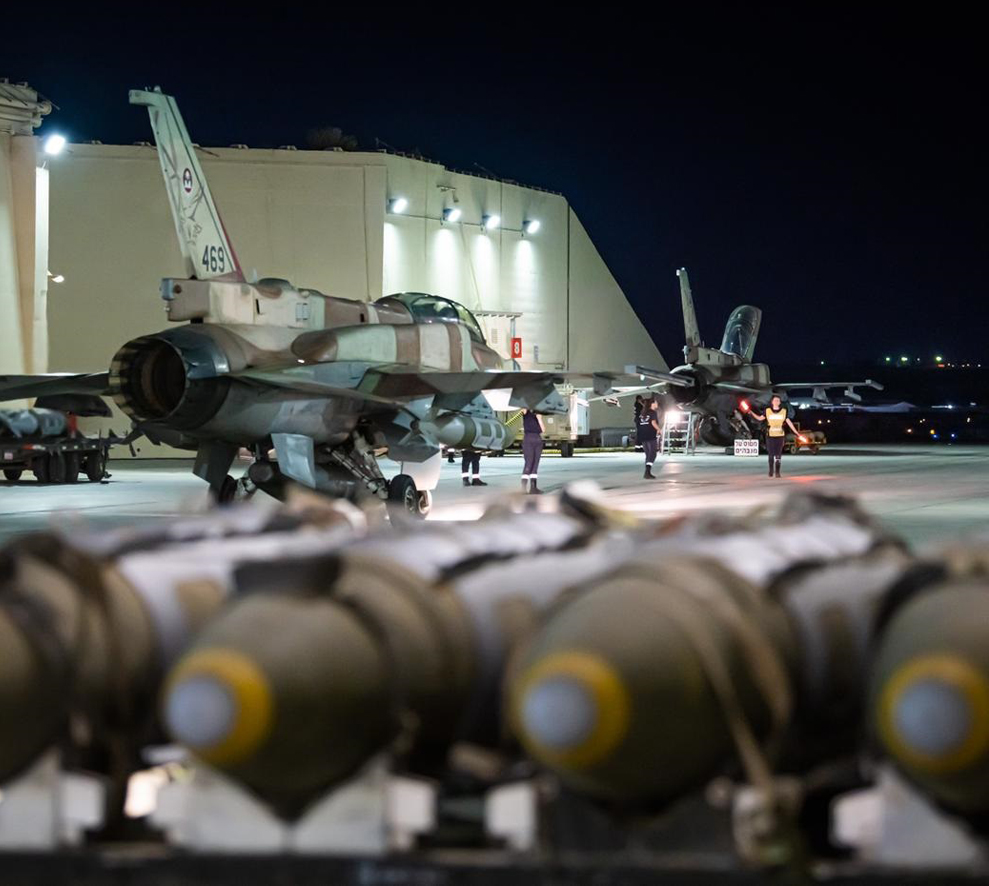
Using the Heimlich Maneuver to Shift the Regional Security Landscape
The Middle East is undergoing a drastic transformation following Israel’s success in dismantling the Iranian encirclement through the "Heimlich maneuver"—an operation that shifted the confrontation from Israel’s borders deep into Iranian territory. This move has redrawn the balance of power and opened the door to a new regional reality built on effective deterrence and a range of choices between escalation and settlement.

The Syrian Geopolitical Scene Amid Israeli–Turkish Rivalry
The Syrian arena is witnessing an escalation in the Israeli–Turkish rivalry, driven by their divergent visions for the structure of the new power following the regime change in December 2024. While Türkiye rushed to support the transitional government and solidify its influence, Israel viewed the rise of Turkish-backed Salafist factions as a threat to its national security and to the regional balance of power. This reflects Syria’s transformation into a central arena for shaping the new Middle East order, though the rivalry remains within a “managed” framework.
Advertising space title
Description of the advertising space. Upon the client’s initial approval of the design, this text will be removed.
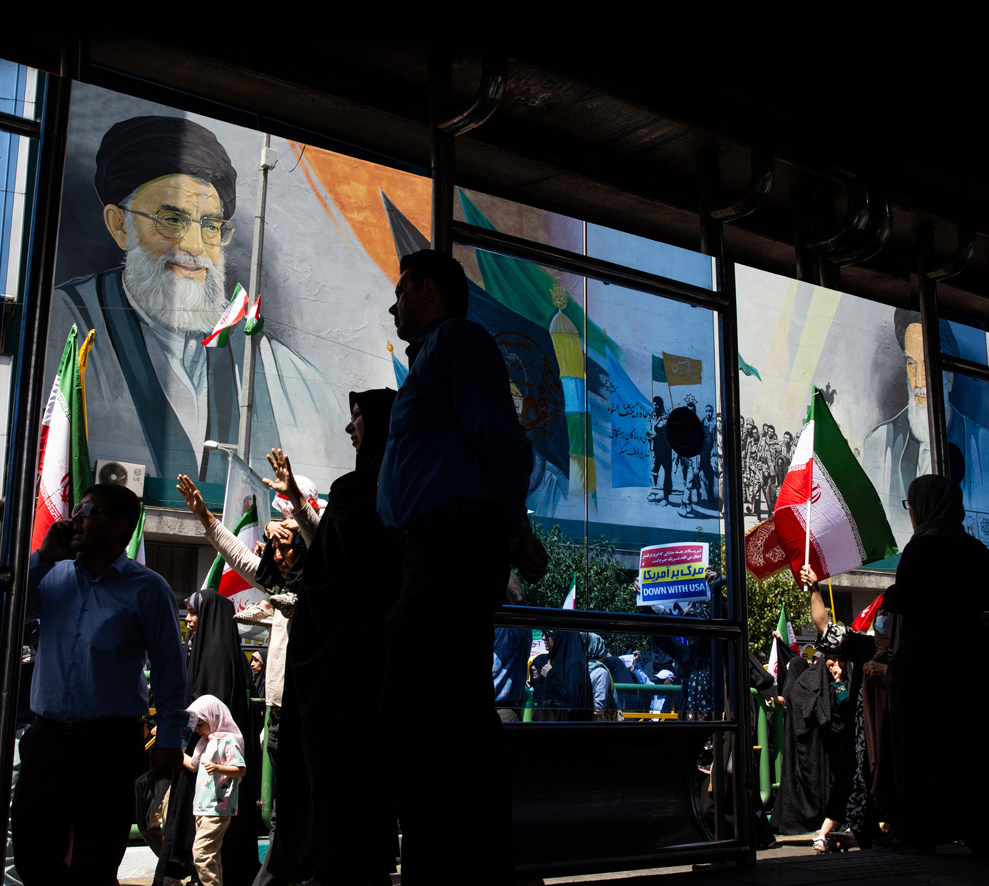
Possible Post-War Transformations in Iran’s Domestic Landscape
The outcomes of the recent war indicate a decline in the image of the Iranian regime due to strategic setbacks and the risks posed by internal unrest. This may lead to a transformation in the structure of the regime, opening the door to potential shifts and various scenarios. These could include political paralysis resulting from an impasse between reformists and hardliners or a temporary agreement to manage the crisis. More dramatic possibilities also exist, such as the escalation of separatist unrest in minority regions, posing unprecedented challenges that may be difficult to overcome without fundamental solutions.
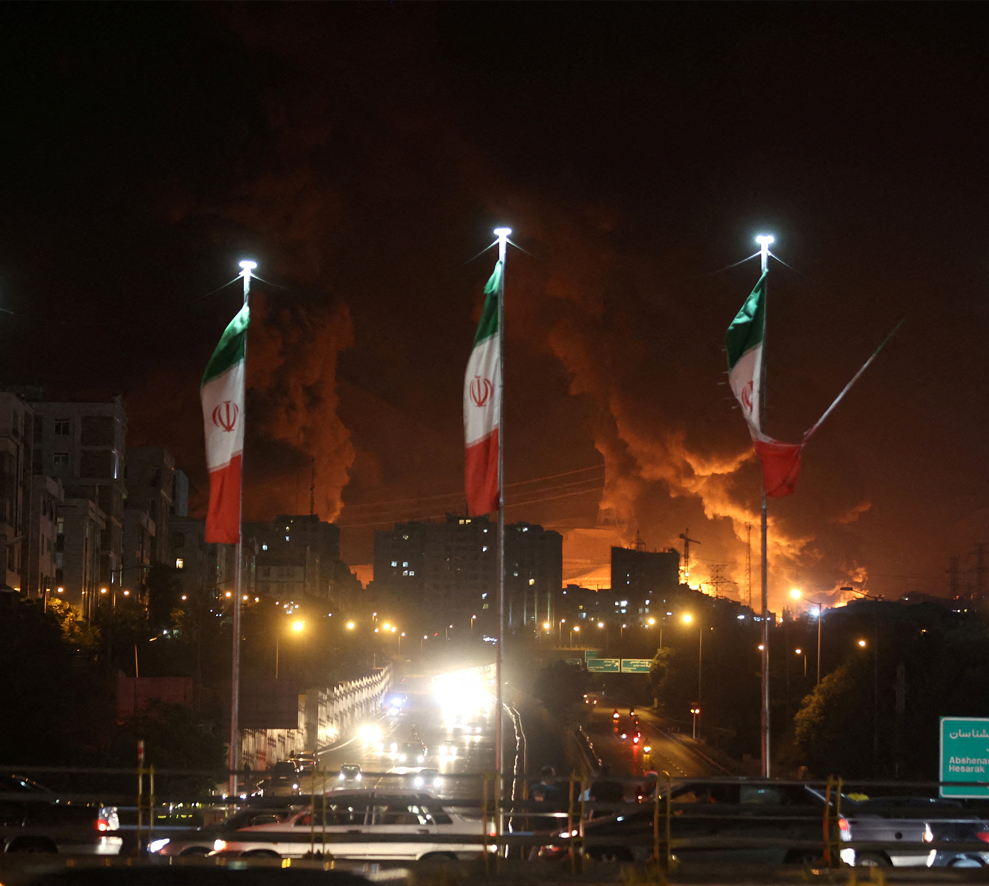
Scenarios of the Confrontation between Israel and Iran after the Ceasefire
The ceasefire agreement between Israel and Iran, following the unprecedented confrontation, raises questions about the fate of the agreement and the scenarios for its Sustainability, especially given that both sides have adopted conflicting narratives regarding the objectives of the confrontation and the extent to which they were achieved. Although direct military operations have ceased, the agreement lacks the foundations necessary for its stabilization and continuity. It does not end the core hostility between the two sides but rather leads to three pivotal scenarios, the future balance of which will be shaped by several factors.

Scenarios for the Next Step Following U.S. Strikes on Iranian Nuclear Facilities
The regional balance of power shifted with the direct entry of the United States into the military confrontation with Iran when it launched a precision airstrike on June 22, 2025 that targeted key nuclear installations. It pushes Iran to a critical crossroads: either contain the escalation or move toward a full-scale confrontation amid rising regional tensions and growing fears of a multi-front war.

Pakistan’s Approach to the Israeli Military Operation Against Iran
The Pakistani stance toward the Israeli attacks on Iranian capabilities reveals a delicate balance between its political and diplomatic support for Iran and its hesitation to engage in direct military involvement. This caution stems from internal security complexities and regional geopolitical sensitivities. While Pakistan’s rhetoric reflects a rare escalation in relations between the two countries, it remains limited due to concerns over the potential rise in sectarian violence and the challenges posed by militant groups within Pakistan. As a result, Islamabad’s position remains cautious and balanced amid the repercussions of the war in Gaza and its strategic overlap with the Eastern axis.
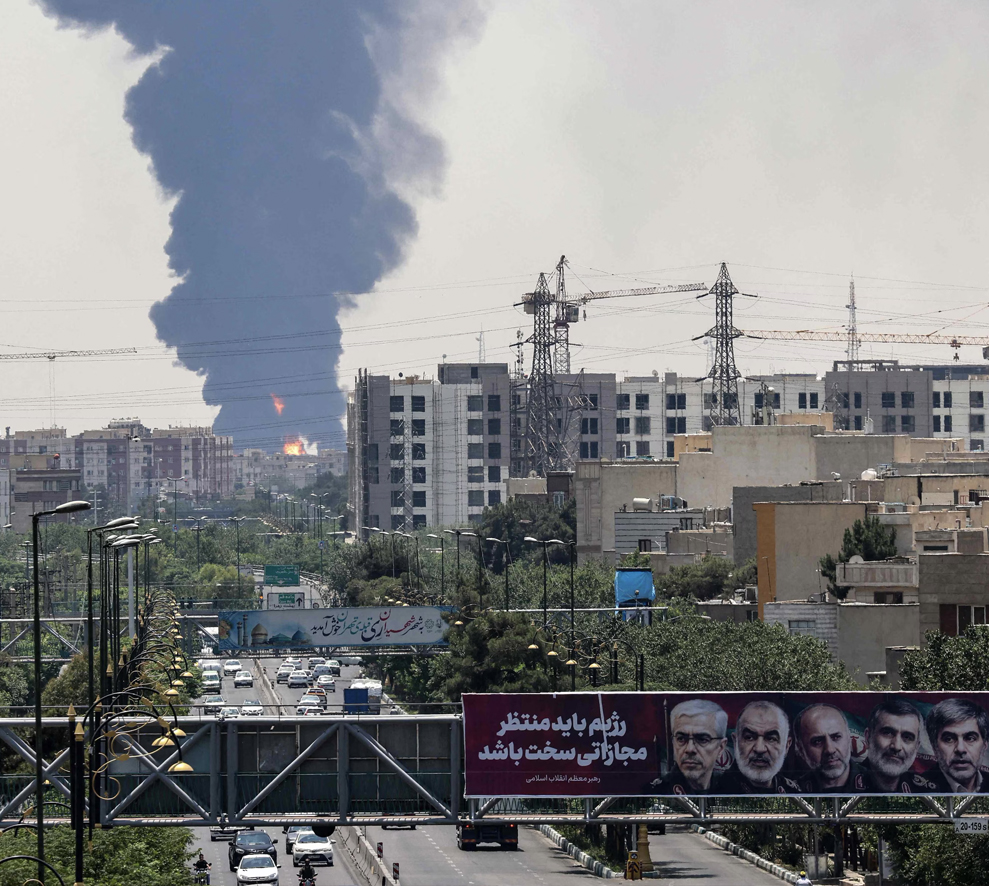
The Paths of the Israeli Military Operation against Iranian Capabilities
The Israeli attacks targeting Iran’s military command structure and its defensive and offensive capabilities place the upcoming developments within a framework of several trends and trajectories. These can be outlined based on the overall events that have unfolded in the region and among Iran’s proxies since the outbreak of the war in the Gaza Strip. Additionally, the scale of the strikes suggests that they were not a passing event or merely a pressure tactic against Iran, but rather primarily aimed at consolidating the regional landscape and post-war order.