Situation Assessment
International Relations
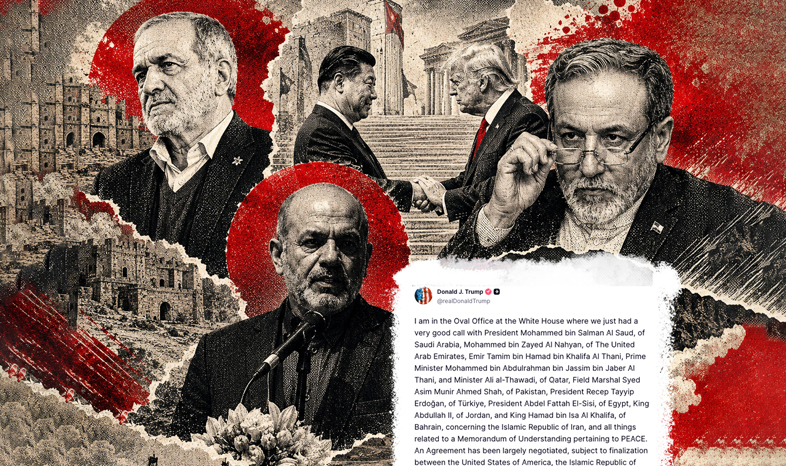
The Islamabad Negotiations: Between the Conflict of Wills and Rules of Engagement
International and Global Trends
U.S.- Iran Negotiations: A State of Ambiguity and Uncertainty
Regional Trends
After the Assassination of Khamenei: Scenarios for the Third Supreme Leader
International and Global Trends
Israeli-U.S. Military Operation Scenarios and Iranian Responses
Regional Trends
The Syrian-Iraqi Border: Reshaping the Geopolitical Space of the Middle East
Filter by:
G7 and Iran
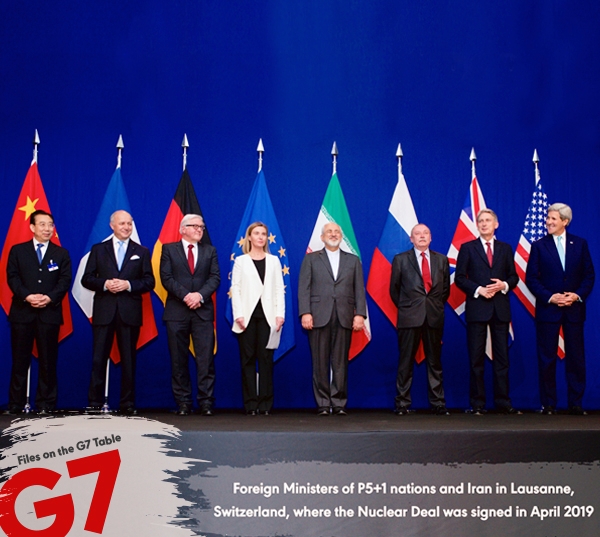
Iranian foreign policy and its practical implications represent one of the key Middle Eastern controversial issues with an international dimension. How do the G7 countries deal with Iran's behavior in the region? Is there an agreement on this interaction mechanism? This is the second paper in the series that will be published under "Files on the G7 Table."
What do we expect from the 46th G7 summit?
All eyes are on the anticipated G7 Summit which is to be held in the US in 2020. In view of this, the following article presents insightful narration of the 46th summit outcomes, based on the last three summits held in Italy, Canada, and France, which the US President, Donald Trump, has attended since he took office, and it is Trump who will be the host figure of this year’s summit.
Constitutional Amendments in Russia: Understanding Context and Significance
This paper examines the implications of the recent amendments to Russia’s constitution in 2020, both in its internal and external context. It also attempts to answer the question as to what will Russian President Vladimir Putin do after his presidency ends in 2024, in light of the current amendments, especially those affecting sovereign institutions and articles related to the presidential period?
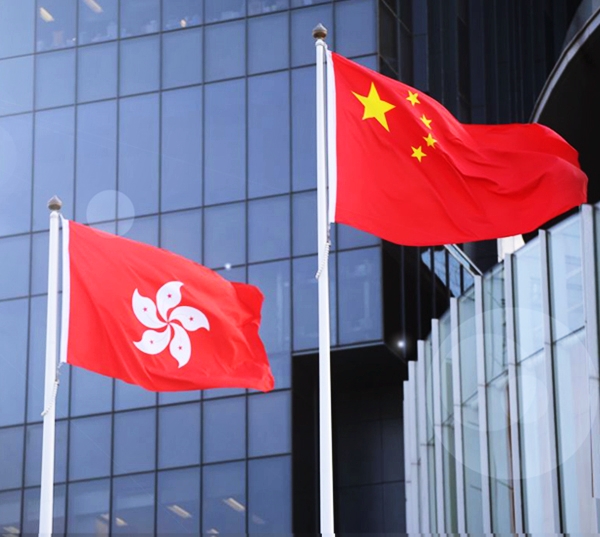
Implications of Implementing the National Security Law for Hong Kong
What are the consequences for Beijing’s enactment of the Hong Kong National Security Law? Will this lead to an escalation of tensions in the U.S.-China relations? What are the implications of Hong Kong's loss of its relative independence over the South China Sea region, which is essentially a disputed region between China and other countries?
Advertising space title
Description of the advertising space. Upon the client’s initial approval of the design, this text will be removed.
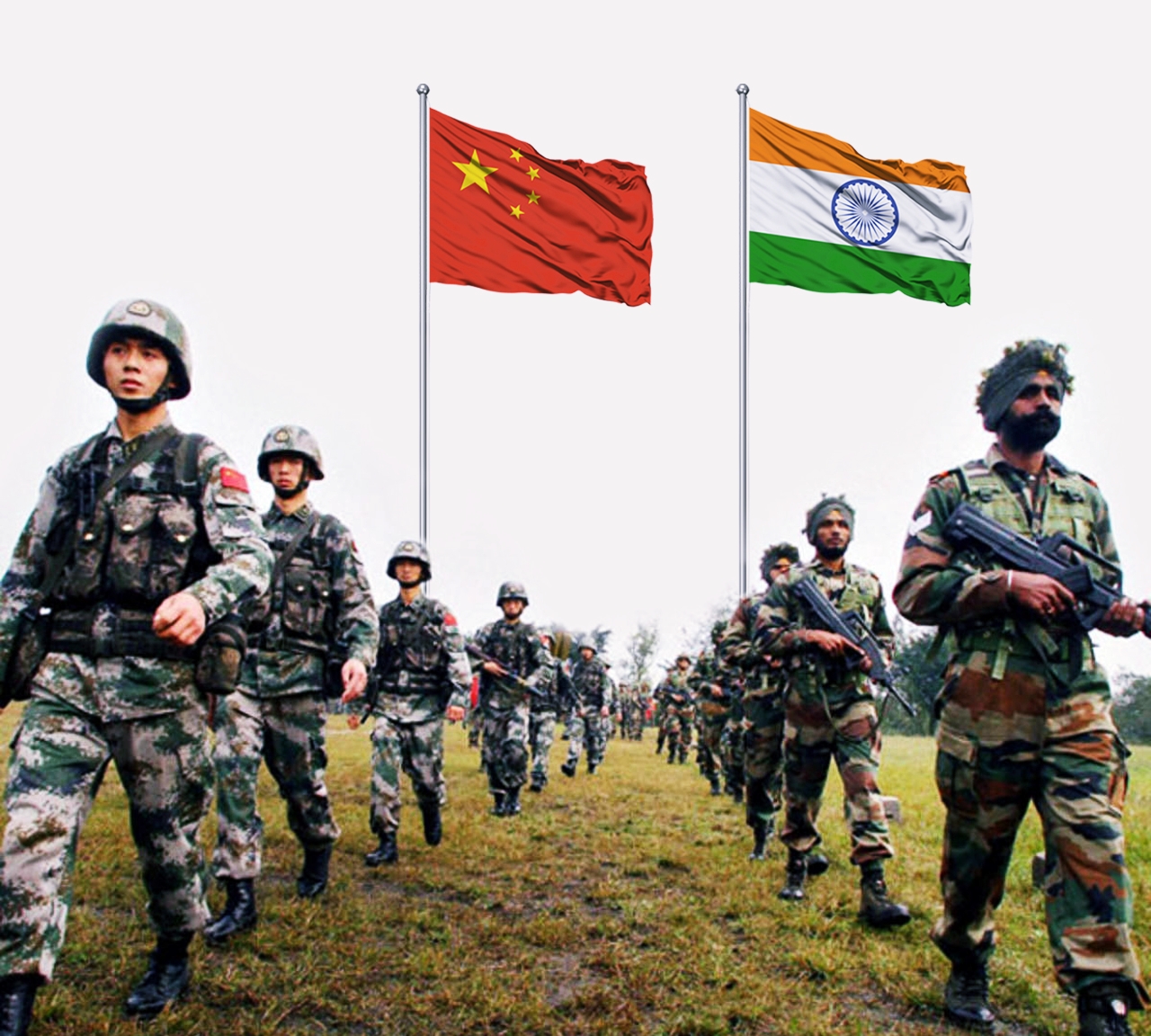
Indian-Chinese Engagements in Flux
Following clashes resulting in the killing of dozens of soldiers, Indian-Chinese tensions witness an unprecedented escalation, as the Galwan Valley confrontations on June 15, 2020, are the first to result in casualties since 1975. Hence, this paper discusses the historical tensions between the two countries, the factors that led to such escalation, and the forecasted outcomes of current events.
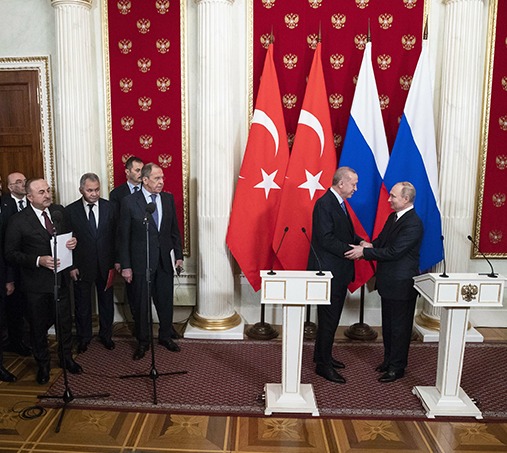
Turkish - Russian Agreement in Idlib
On 5 March 5 2020, Turkish-Russian talks on the recent clashes in the city of Idlib has resulted in signing an agreement aimed at ceasefire and returning those displaced to their places of residence; what are the contents of this agreement? what are the motives and gains behind it? does the agreement carry the reasons for its steadfastness?
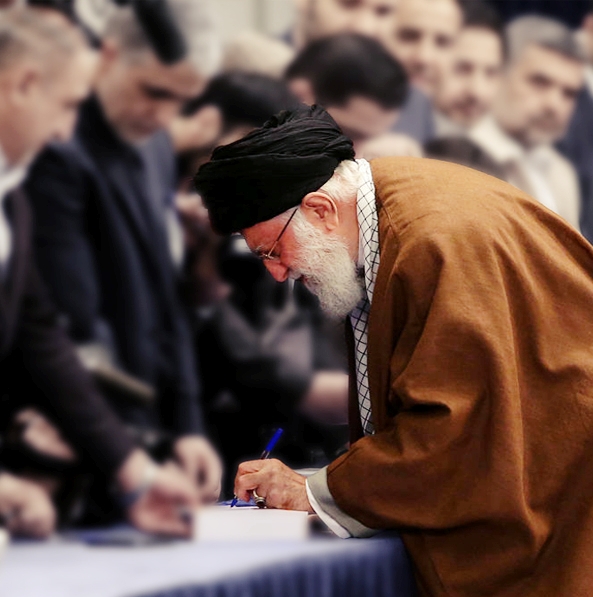
Position Paper: Conservatives in the Iranian Legislative Authority: Background and Implications
The conservative current enjoyed great victory in the Iranian legislative elections on February 21, 2020. The questions raised here are over whether they will succeed in formulating a new foreign policy vision? Also, will it tighten the internal screws on Rouhani's government?
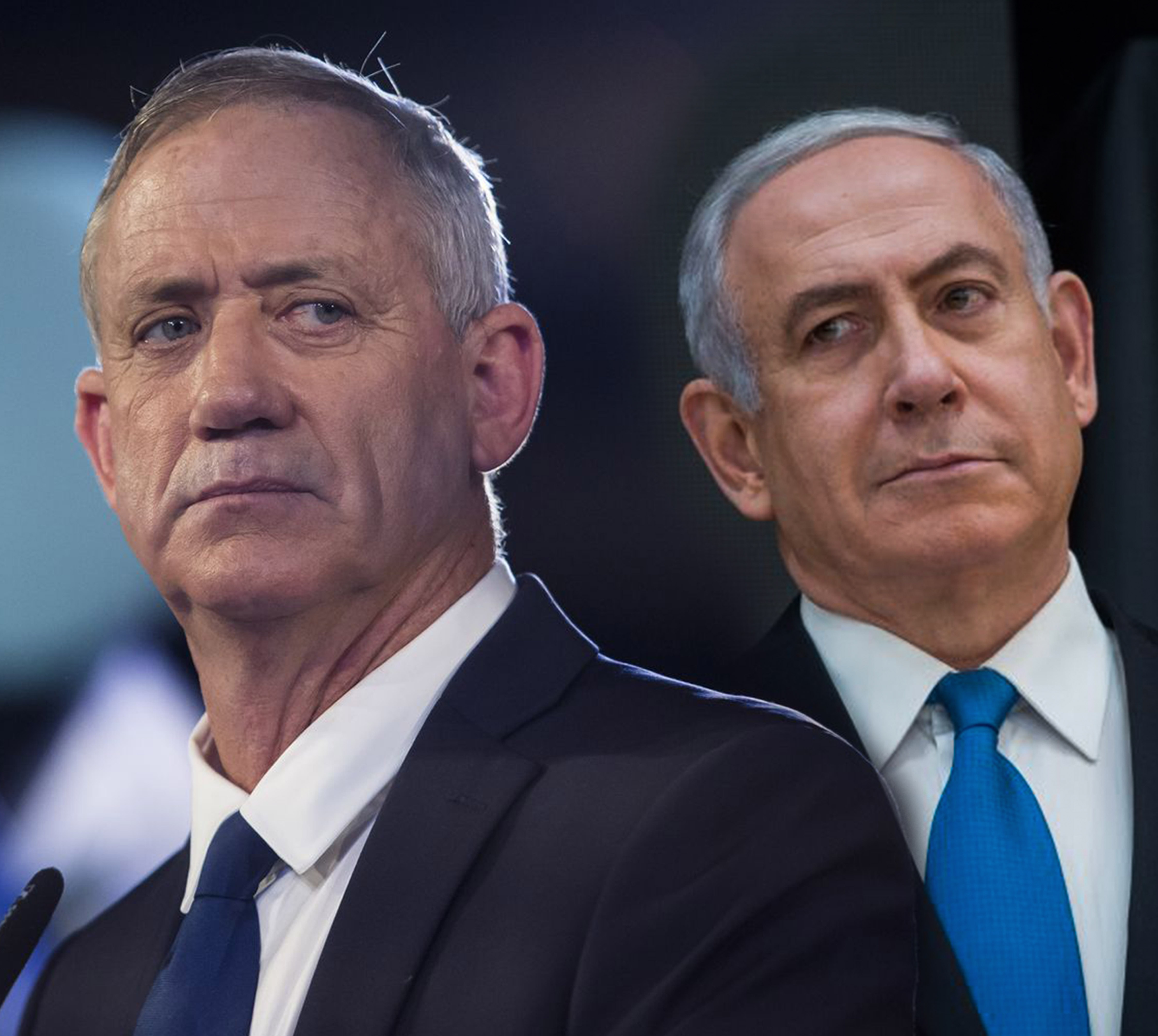
Twenty-Third Knesset Elections: Where is the Crisis of Governance headed?
On March 2, 2020, polling stations in Israel will open for the third election in less than a year as the influence of polarization, tension, and uncertainty on the Israeli political scene continues. What are the recent developments in this scene since September 2019? Will these developments affect the crisis of forming a government?
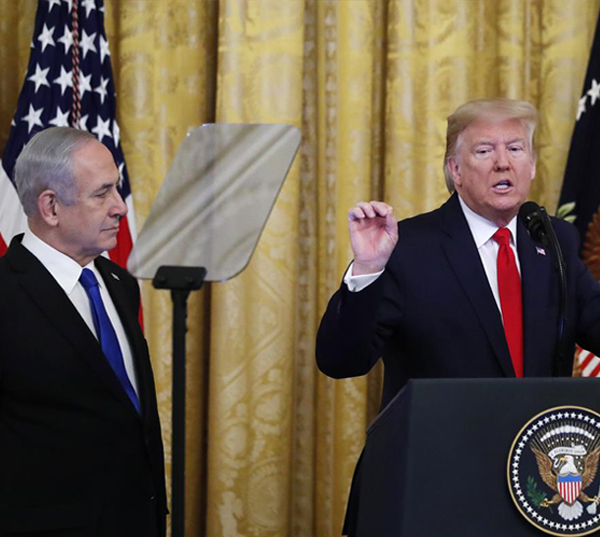
The Day After “The Deal”
After announcing the “Deal of the Century” to resolve the Israeli-Palestinian conflict, what are its implications on the course of the peace process in general? And will this plan be treated as a new reference point, or will it be a mere non-binding proposal?