Situation Assessment
International Relations
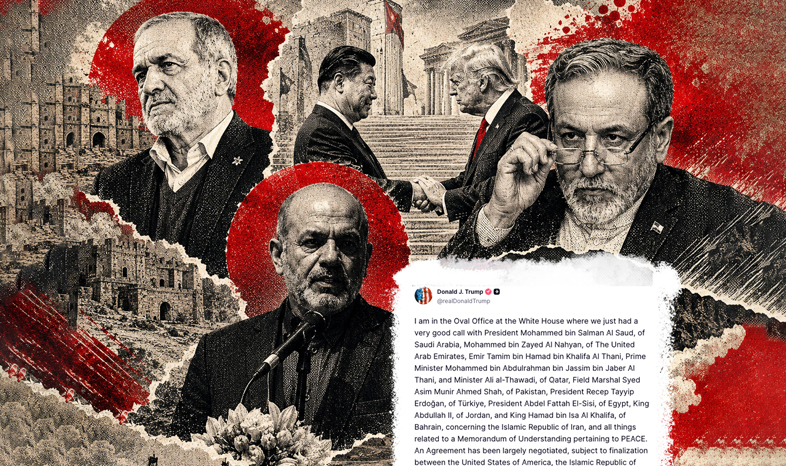
The Islamabad Negotiations: Between the Conflict of Wills and Rules of Engagement
International and Global Trends
U.S.- Iran Negotiations: A State of Ambiguity and Uncertainty
Regional Trends
After the Assassination of Khamenei: Scenarios for the Third Supreme Leader
International and Global Trends
Israeli-U.S. Military Operation Scenarios and Iranian Responses
Regional Trends
The Syrian-Iraqi Border: Reshaping the Geopolitical Space of the Middle East
Filter by:
The Race for the Awaited Vaccine
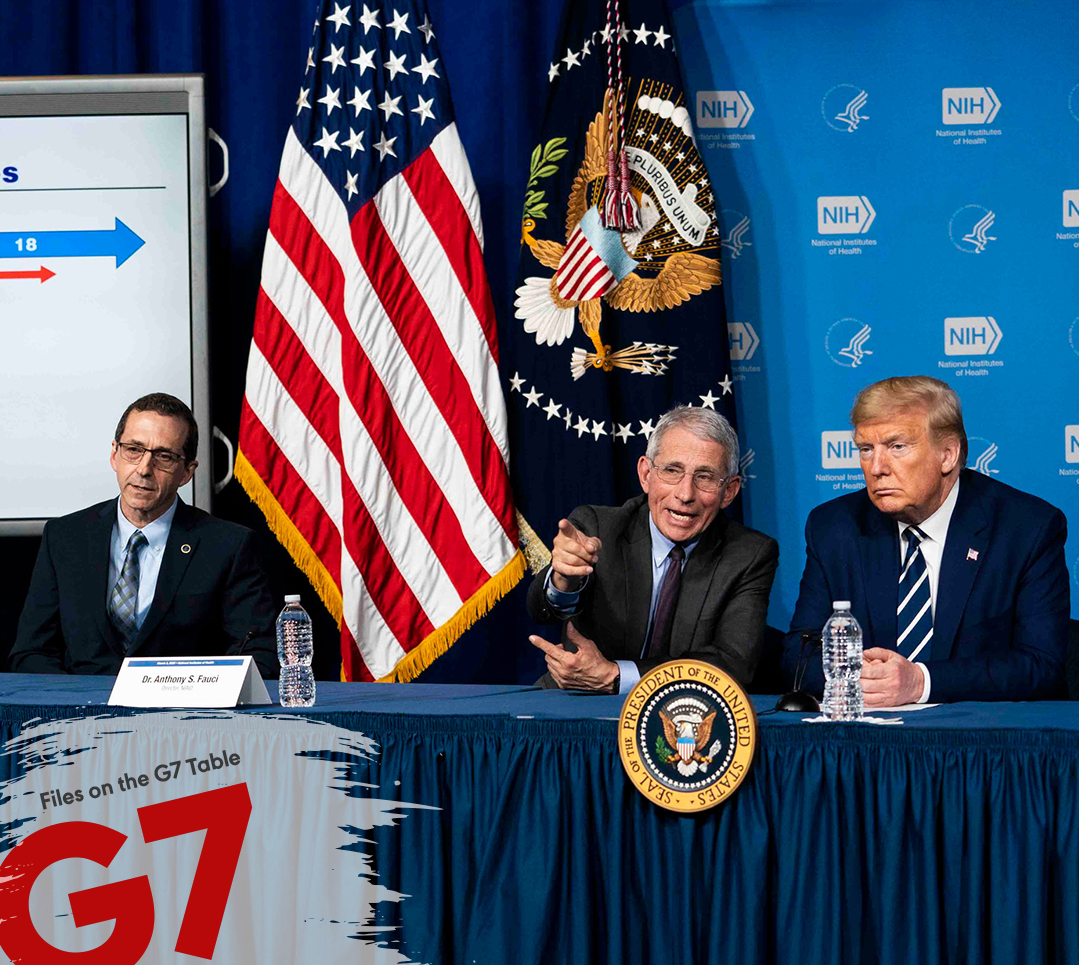
This article reviews the global efforts aimed at creating a safe and reliable vaccine to control the outbreak of the emerging coronavirus, and discusses the economic, political and security dimensions surrounding the vaccine development process in light of the continued increase in the number of infections around the world and the overburdening of the health system and the economy due to the repercussions of the pandemic.
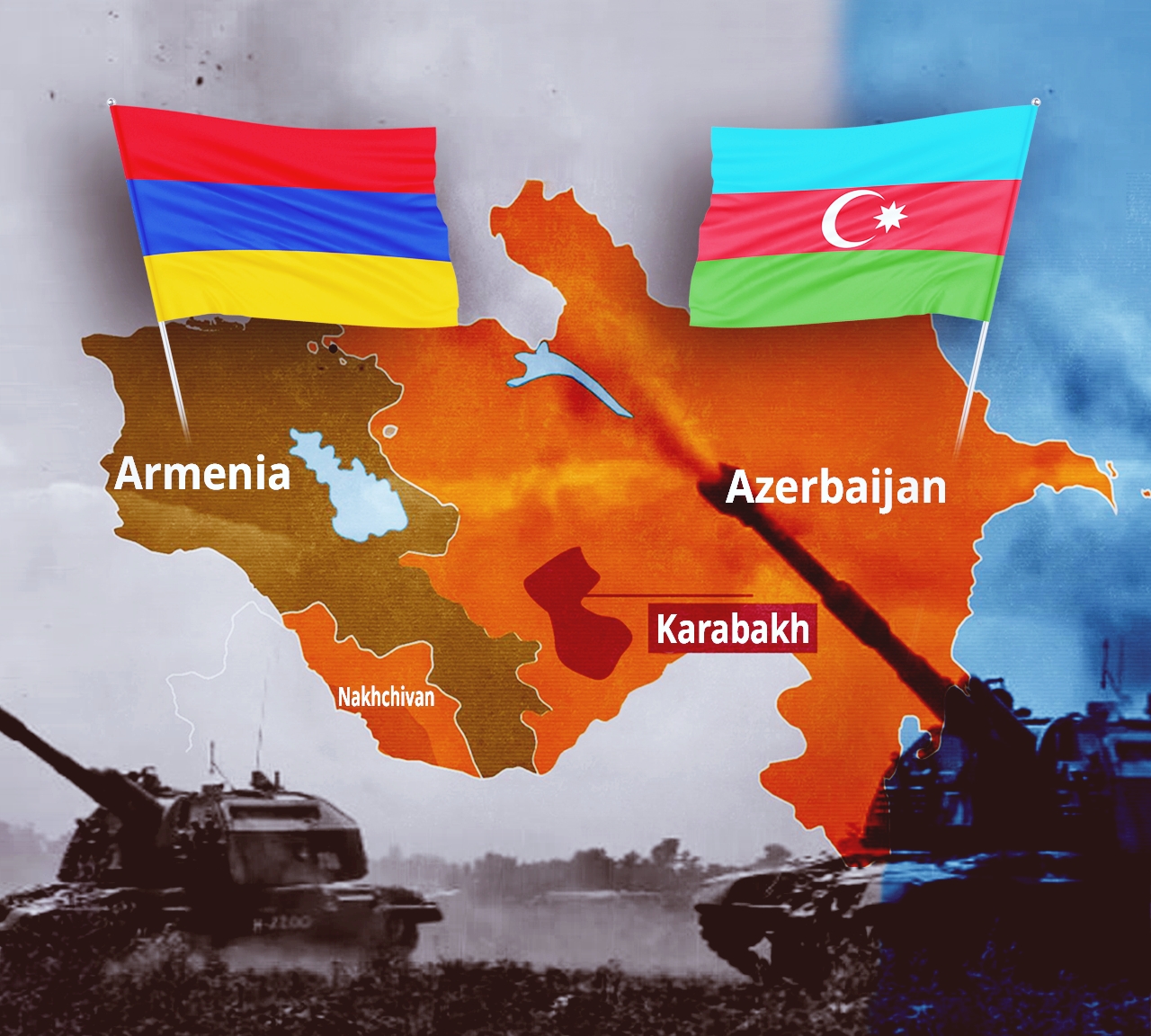
Azerbaijan-Armenian Escalation: All-out War or Military Skirmishes?
What is the historical background of the conflict between Armenia and Azerbaijan? Which regional and international parties are involved in this conflict and how do they see their interests in it?
Post-Abe Japan and The Challenges of Foreign Policy
After spending eight years as Prime Minister, Abe’s resignation brings to mind a long era of political instability and weak governments, at a time when Japan needs strong governments to manage its capabilities and face the massive internal and external challenges. Accordingly, this article examines the impact of dynamics of temporary governance and weak governments on Japan foreign policy, especially with regard to the multiple alliances and partnerships after Abe.
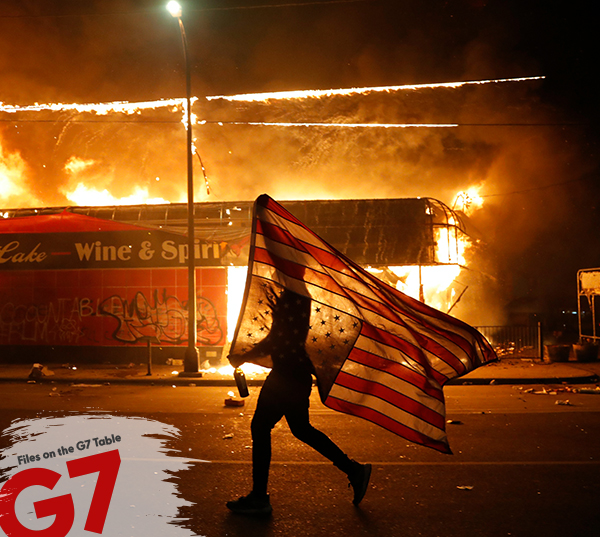
Populist Protests: Does the G7 hold the key to addressing the class gap?
G7 countries are witnessing, to varying extents, deep divisions based on wealth distribution and political trends. These divisions have resulted in the emergence of multiple populist movements that call for a radical change in the international economic system logic. Also, the novel "coronavirus" has further disclosed the social and economic implications of these structural imbalances. Hence, what are the potential consequence of class divisions among the G7 countries?
Advertising space title
Description of the advertising space. Upon the client’s initial approval of the design, this text will be removed.
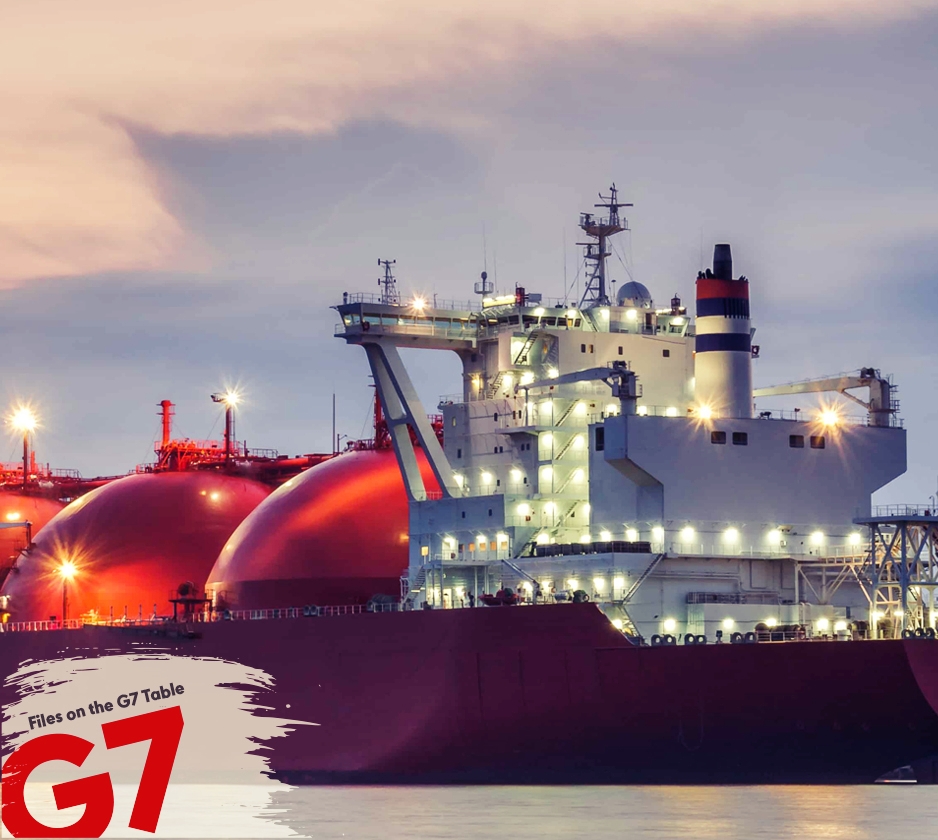
Natural Gas: between tankers and pipelines
This article outlines the highlights of the natural gas production and distribution map and its most famous selling markets, as well as the endeavors of the major countries to compete over these markets, which are gaining importance and growing prominence in the global energy market.
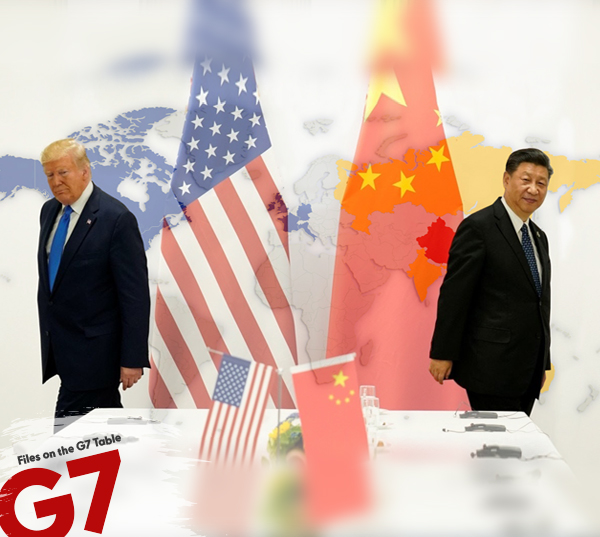
"G7+" vs. China: Underlying Trends and Challenges
The 46th G7 summit will likely witness an expansion after inviting Russia, Australia, South Korea, and India to the summit meetings; a step that many observers consider as part of U.S. policy to contain China's growth. Hence, this article explores the underlying trends behind the G7 expansion, and the challenges facing U.S. President, Donald Trump, in his efforts to transform the G7 into an anti-China platform.
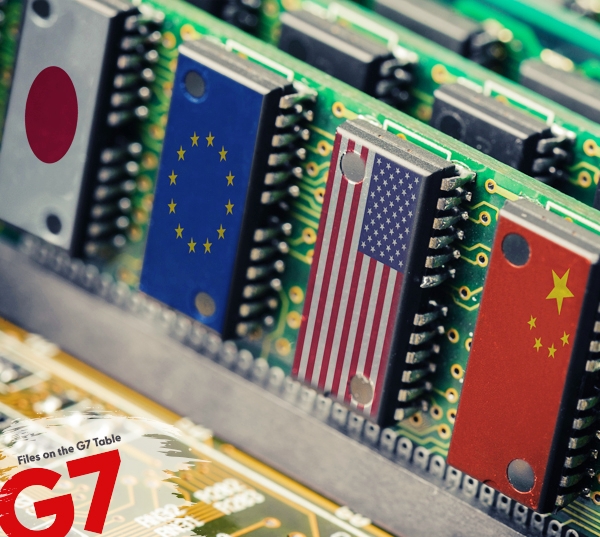
Technological Competition: Beijing vs. the West
Technological development in the field of communication networks and technologies in general is one of the most prominent issues of interest to the central capitals of the world, because of its future importance in the possibility of redrawing the influence of a major country at the expense of another in the military and economic fields. The article explores the highlights of the technological competition between the Western countries and China, with explaining the most prominent aspects of this competition in the near term.
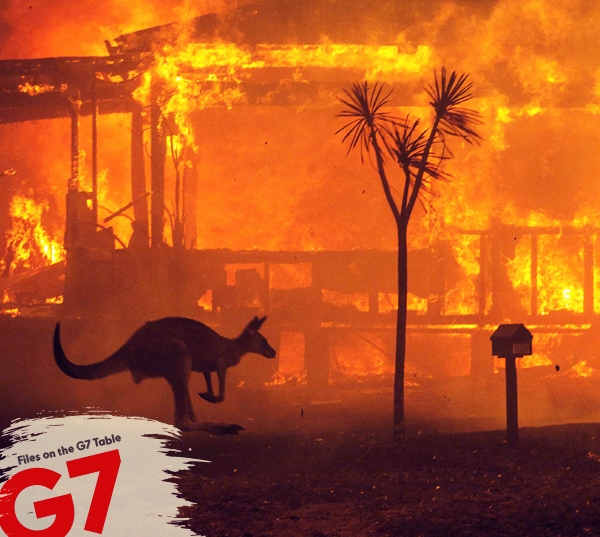
Climate Diplomacy: between legal barriers and one-sided interests
This article explores the most prominent features of "climate diplomacy" aimed at increasing international coordination momentum to contain the negative effects of climate change; this coordination collides with legal barriers and is inevitably affected by political trends and economic interests. In addition, the article offers a future outlook on the implication of climate change on the global reality from a health, economic, and geopolitical perspective, examining whether the balance of power will be disrupted by these changes.
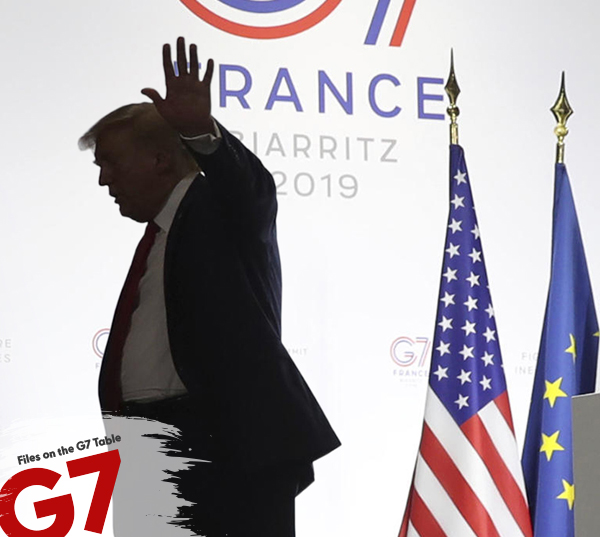
Reading in the Reality and Future of the G7 Group
The G-7 is facing changes in its internal political and economic environment, as well as the changing international environment, with the rise of major emerging powers such as: China, India and Russia. These variables pose unprecedented challenges to their internal homogeneity and global impact. This paper examines the reality and future of the G7 in the light of these changes.