Analyses
Politics
test analyses
Politics
test
Regional Trends
After the Assassination of Khamenei: Scenarios for the Third Supreme Leader
International and Global Trends
Israeli-U.S. Military Operation Scenarios and Iranian Responses
International and Global Trends
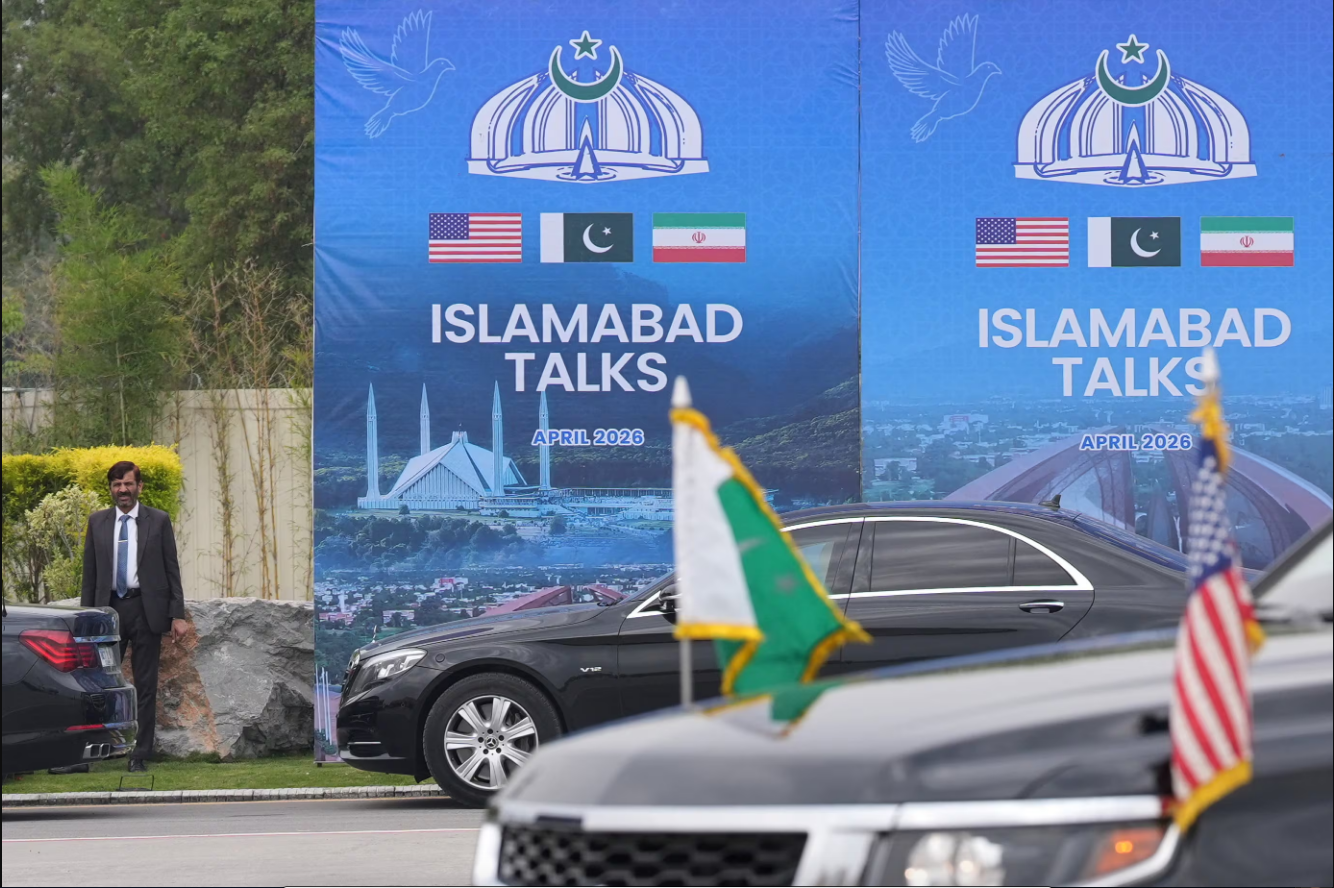
Washington and Tehran: Negotiations Under the Hammer of Military Buildup
Filter by:
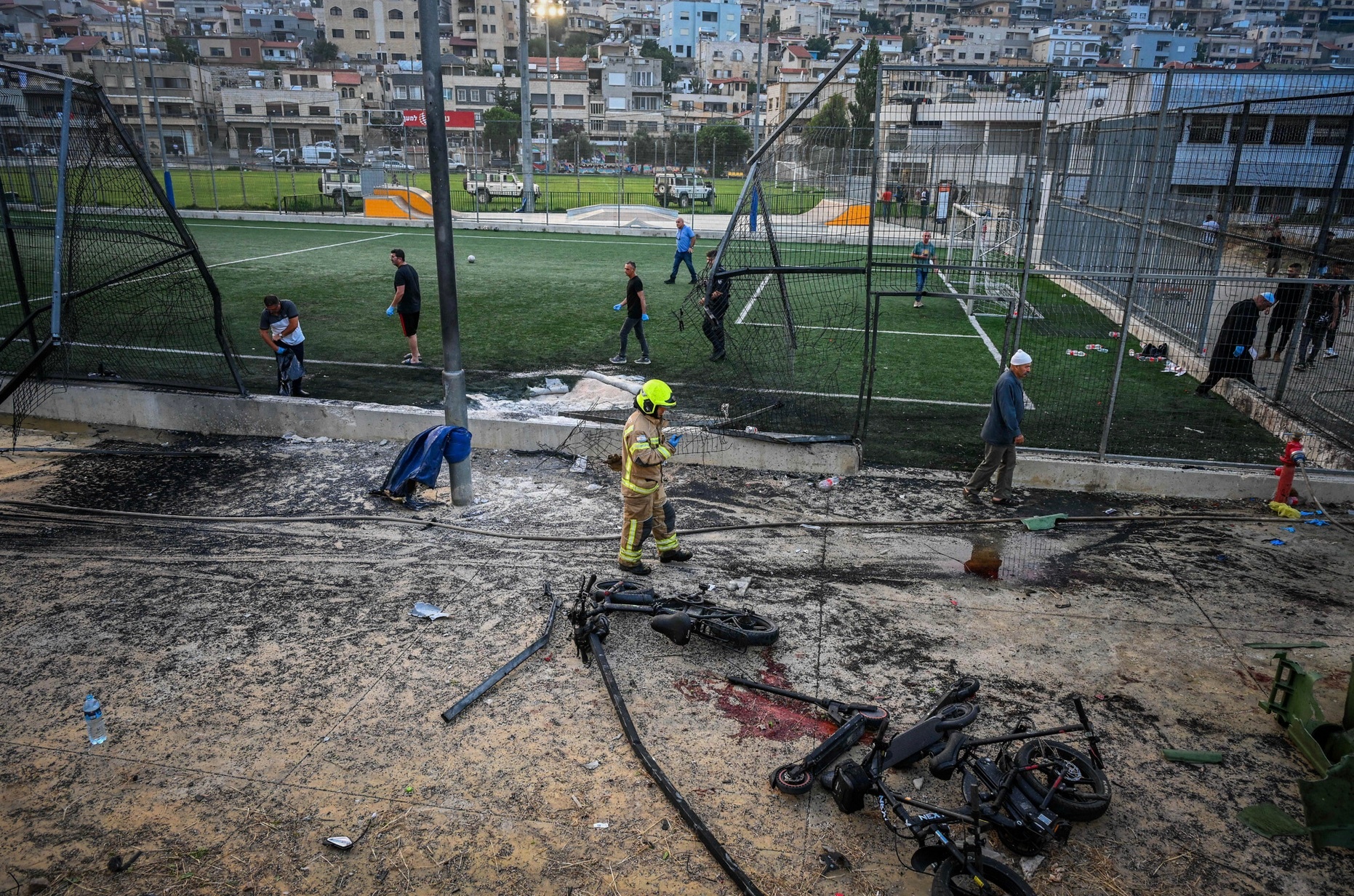
The Attack on Majdal Shams: An Accident or a Turning Point in the Rules of Engagement?
The attack has heightened international warnings about the risk of a direct and intense confrontation between Hezbollah and Israel, a possibility that has been escalating given the increasing frequency and intensity of their exchanges.
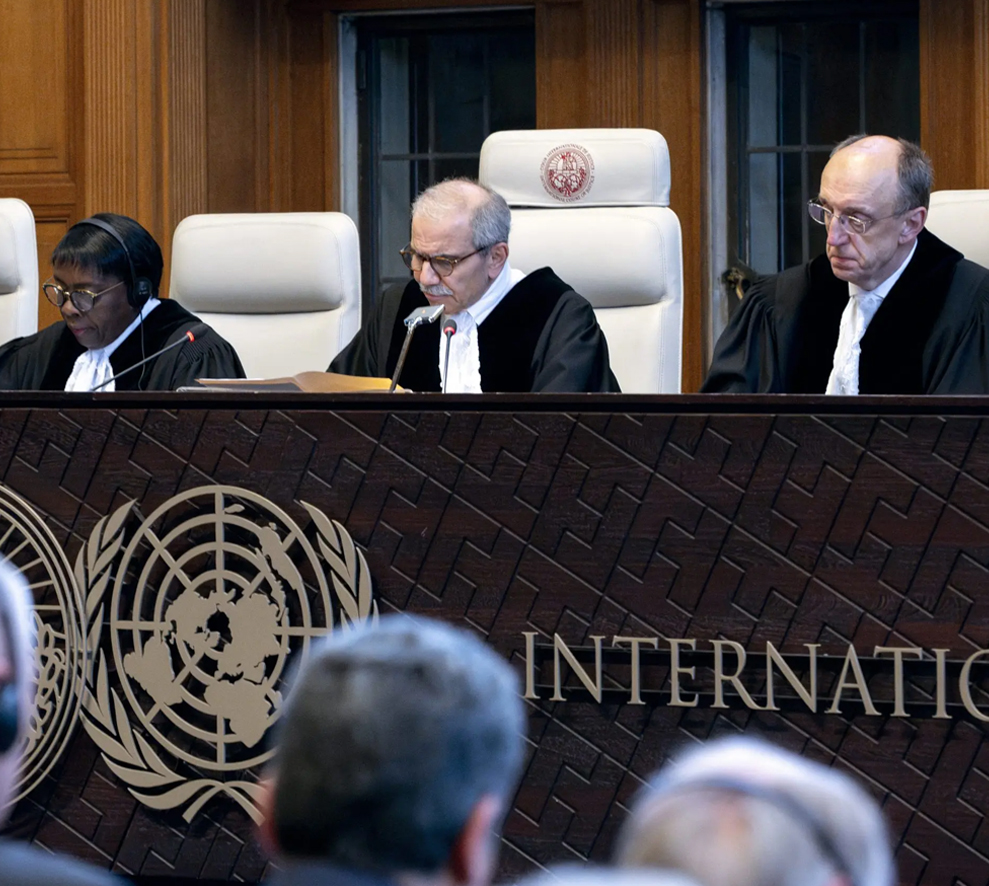
Palestinian Rights: Israel Versus the World
The International Court of Justice’s advisory opinion on the illegality of the Israeli presence in the Palestinian territories occupied since 1967 provides a foundation for the growing political and legal movement within the international community regarding the Palestinian cause. However, it also faces challenges due to Israeli action and divisions within the Palestinian arena.
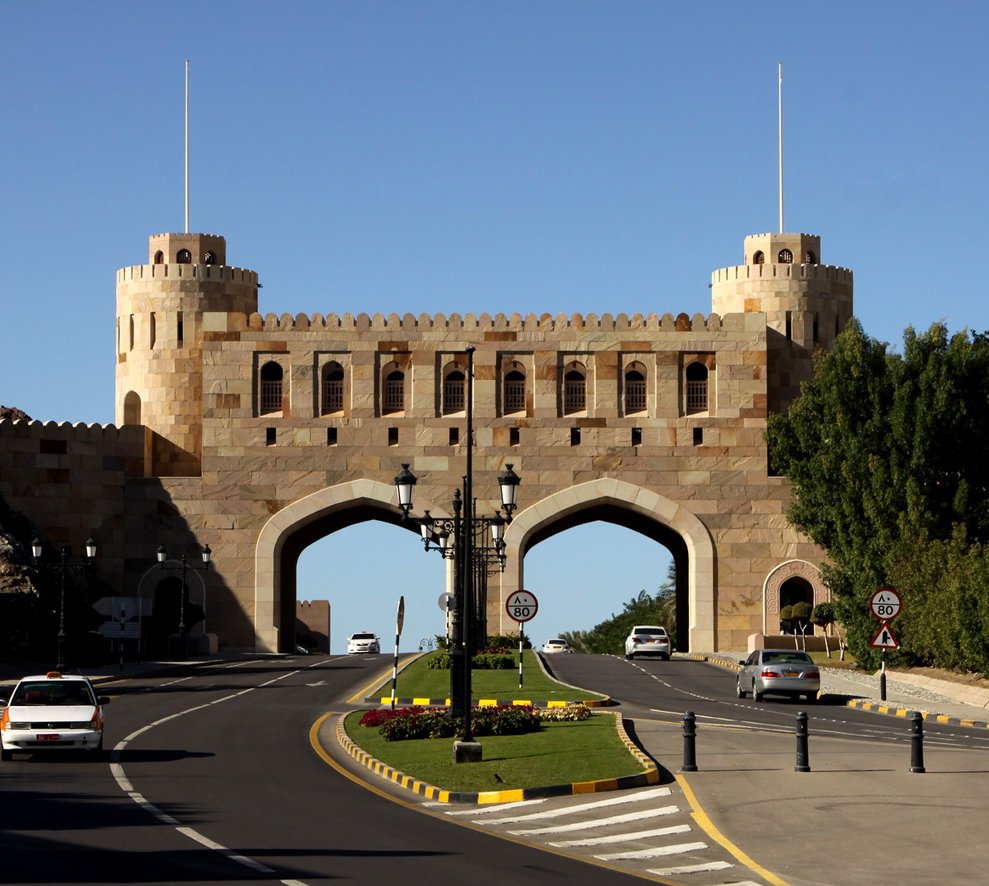
Wadi al-Kabir Attack: The Event Indicators and the Symbolism of Place
This position assessment addresses the terrorist attack on a mosque in the capital city of Muscat in the Wadi al-Kabir region, covering the implications related to the choice of location and its symbolism, the perpetrators’ identities, their motives, and the future repercussions of the attack.
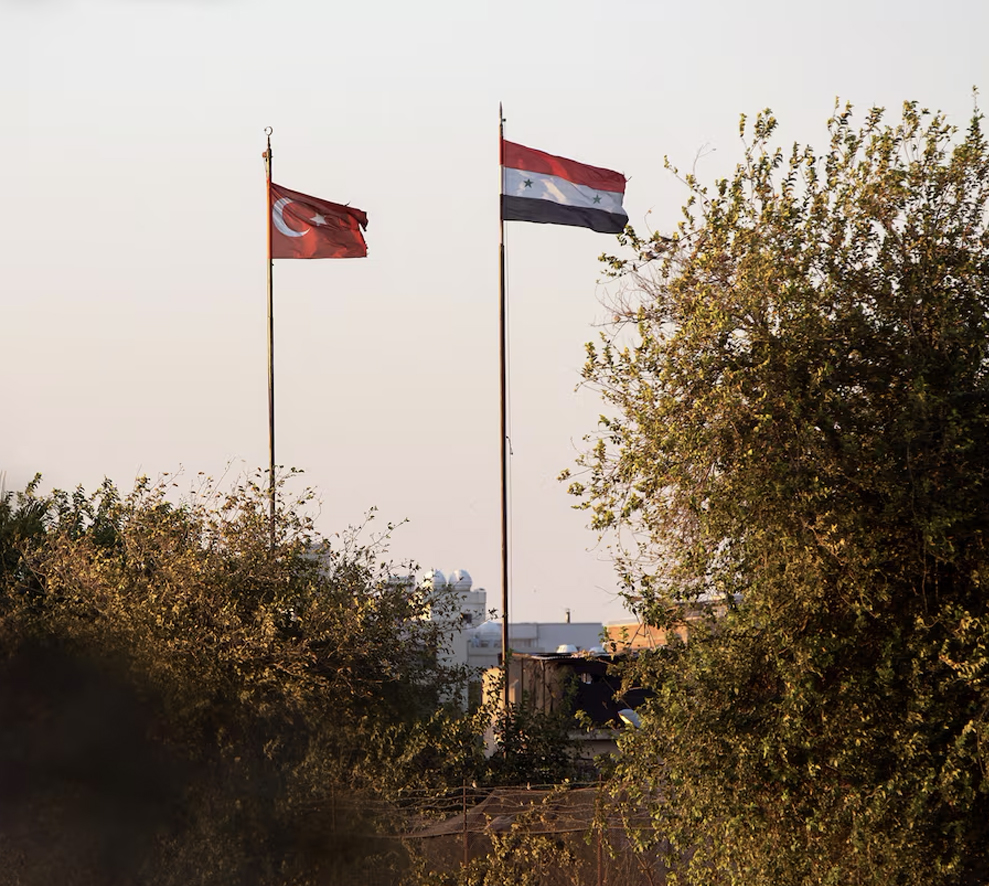
Turkey and Syria Inching Closer Toward Resuming Good Relations
Turkish-Syrian relations have entered a fresh phase of discussion initiatives, but the path of rapprochement between them is not new. Its manifestations have been apparent since 2022. But now the resumption of relations between the two counties has become a significant objective for Russia.
Advertising space title
Description of the advertising space. Upon the client’s initial approval of the design, this text will be removed.
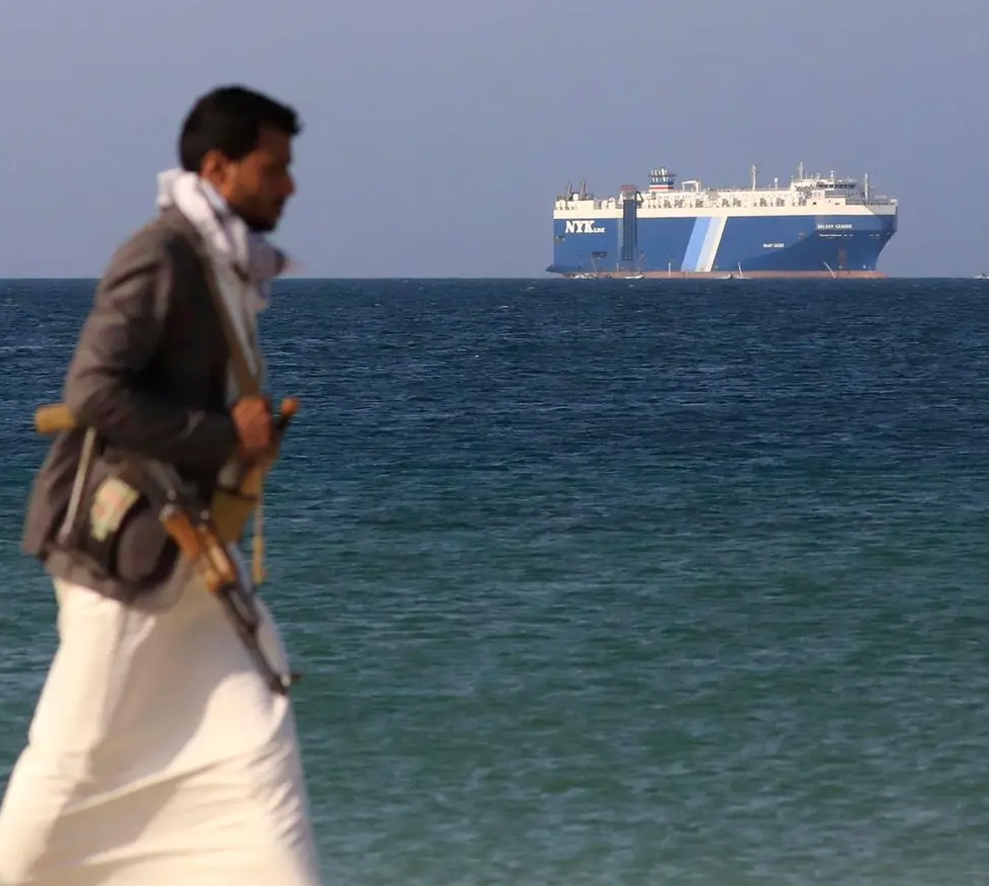
Houthi Escalation Amid Growing Iranian Interest in the Mediterranean
Iran is attempting to encourage its allies to increase their activity in the Eastern Mediterranean. However, Iranian perceptions of their ability to operate and exert influence in the region face several constraints and complexities. These include geographical factors, military capabilities, and the inability to control escalation and its repercussions.
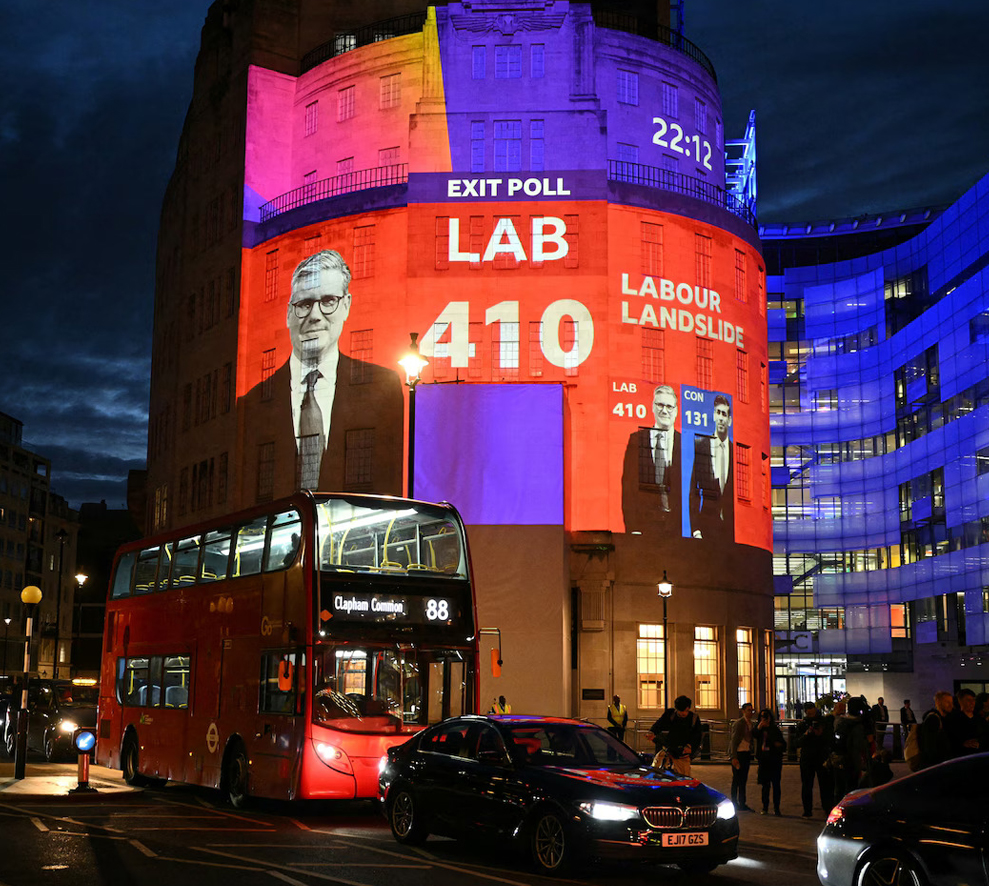
The European Landscape After the Rise of the Left in the UK and France
This paper addresses the result of the elections in France and the United Kingdom and how they will affect future elections in various European countries. It also examines the overall European politics toward the current files.
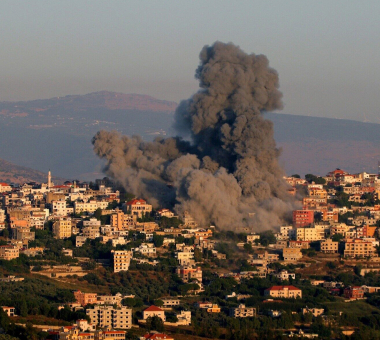
Escalation Development Paths Between Hezbollah and Israel
The escalation between Hezbollah and Israel raises a question about the future of confrontation between the two parties according to paths determined by the data of the two parties and circumstances surrounding the war in general, and among options for further escalation, containment, or diplomatic settlement.
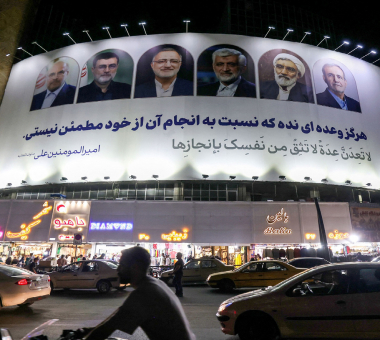
Perceptions of Iran’s Political Scene in Upcoming Presidential Election
The upcoming presidential election in Iran is of particular importance given the internal and external issues surrounding Iranian politics. Foremost among them is the question of who will succeed Supreme Leader Ali Khamenei, how will his vision—and the next president’s—shape Iran’s political system 80 years after the 1978–1979 revolution, and how will regional and international developments and their implications affect Iran’s security and diplomatic policies.
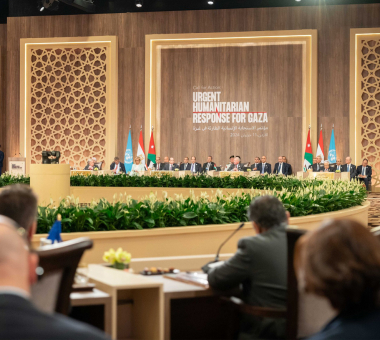
Will the “Response” conference in Jordan overcome the complexity of aid flow and reconstruction?
This position paper addresses the Emergency Humanitarian Response Conference in Gaza, which was held in Jordan. The conference discussed several key areas related to determining the mechanisms of this response and the main aspects of its coordination among the components of the international community.