Analyses
Politics
test analyses
Politics
test
Regional Trends
After the Assassination of Khamenei: Scenarios for the Third Supreme Leader
International and Global Trends
Israeli-U.S. Military Operation Scenarios and Iranian Responses
International and Global Trends
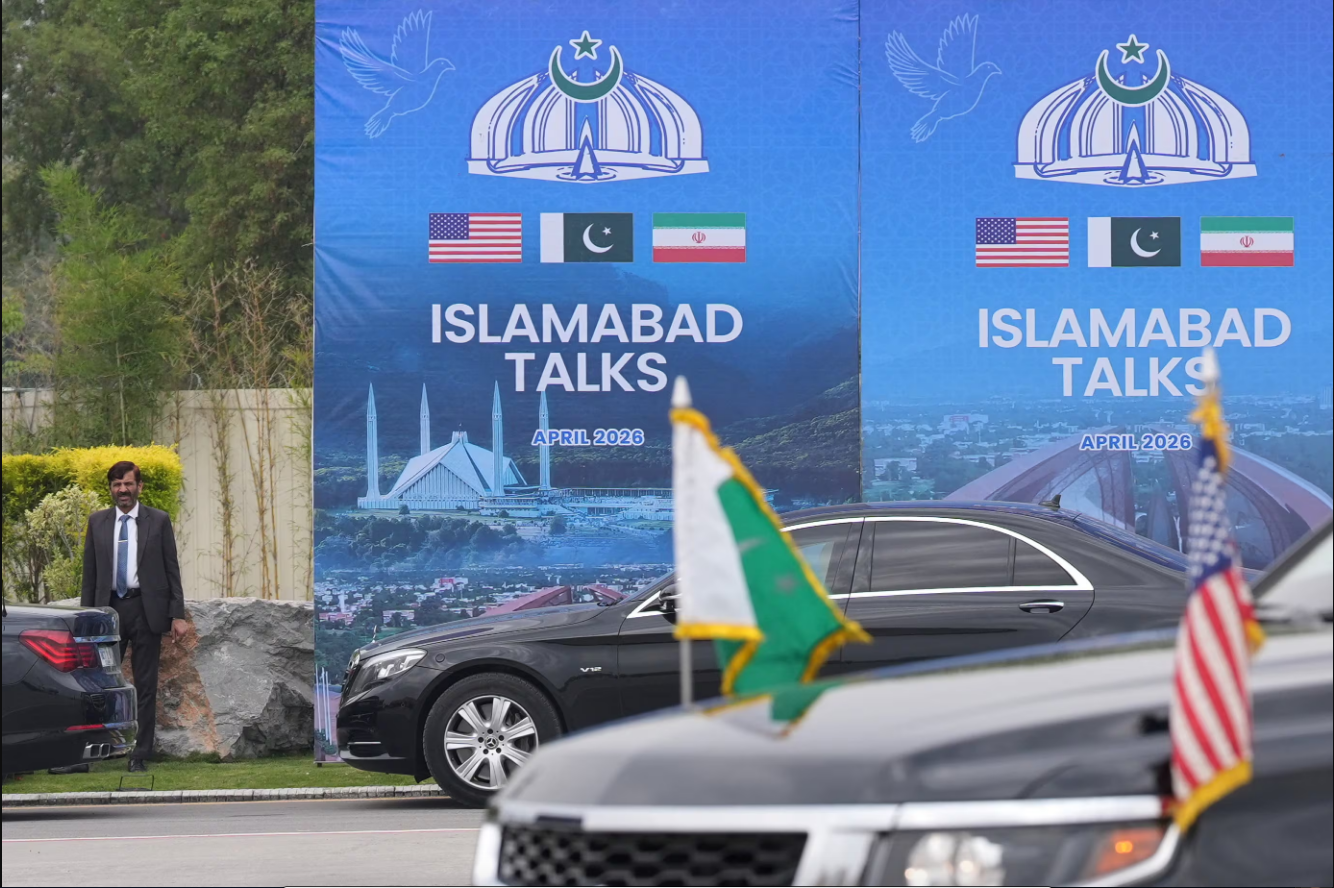
Washington and Tehran: Negotiations Under the Hammer of Military Buildup
Filter by:

The Second Arab-Islamic Summit: Timing and Contextual Implications
The second Arab-Islamic summit reaffirmed the call for an immediate halt to the wars in Gaza and Lebanon, urging an end to their disastrous humanitarian impact on civilians. The summit also emphasized the need for continued coordination with the international community to put an end to Israel’s violations of international law and international humanitarian law, while warning of the grave risks associated with the escalation of the conflict and its regional and international ramifications.

How Gallant’s Dismissal Affects Israel’s War Management
The dismissal of Israeli Defense Minister Yoav Gallant came at a critical moment, coinciding with Election Day in the United States, the presumed end of the war in Gaza, the start of a new conflict in Lebanon, and a security leaks crisis that led to removing key officials from Prime Minister Benjamin Netanyahu’s office.

A Year Since October 7: Where Did the Region Reach?
This paper provides a comprehensive assessment of the attacks carried out by Hamas against Israeli settlements and military bases in the Gaza envelope on October 7, 2023. The ideological framework of these attacks was based on a set of political and military foundations that shape Hamas’s vision of the conflict with Israel, as well as the tools and strategies for managing it, considering past experiences and new developments. The paper also addresses the Palestinian landscape and the trajectory of the movement before and after October 7, along with the considerations for the second year of the war.

Beyond Sinwar: Hamas at a Crossroads
The assassination of Yahya Sinwar places Hamas at a crossroads on various organizational, political, and military levels, especially in the context of the ongoing wars in Gaza and Lebanon. It also raises questions about the movement’s role in the aftermath of the war, which could significantly impact its alliances and relations both domestically and internationally.
Advertising space title
Description of the advertising space. Upon the client’s initial approval of the design, this text will be removed.

The Military Operation in Jabalia and Post-War plans
Israel seeks to test a plan that involves a new social engineering of Gaza’s society by creating what it calls “humanitarian bubbles” and contracting private security companies to manage them, which posing a threat of structural changes to the geography and demographics of the Gaza Strip.
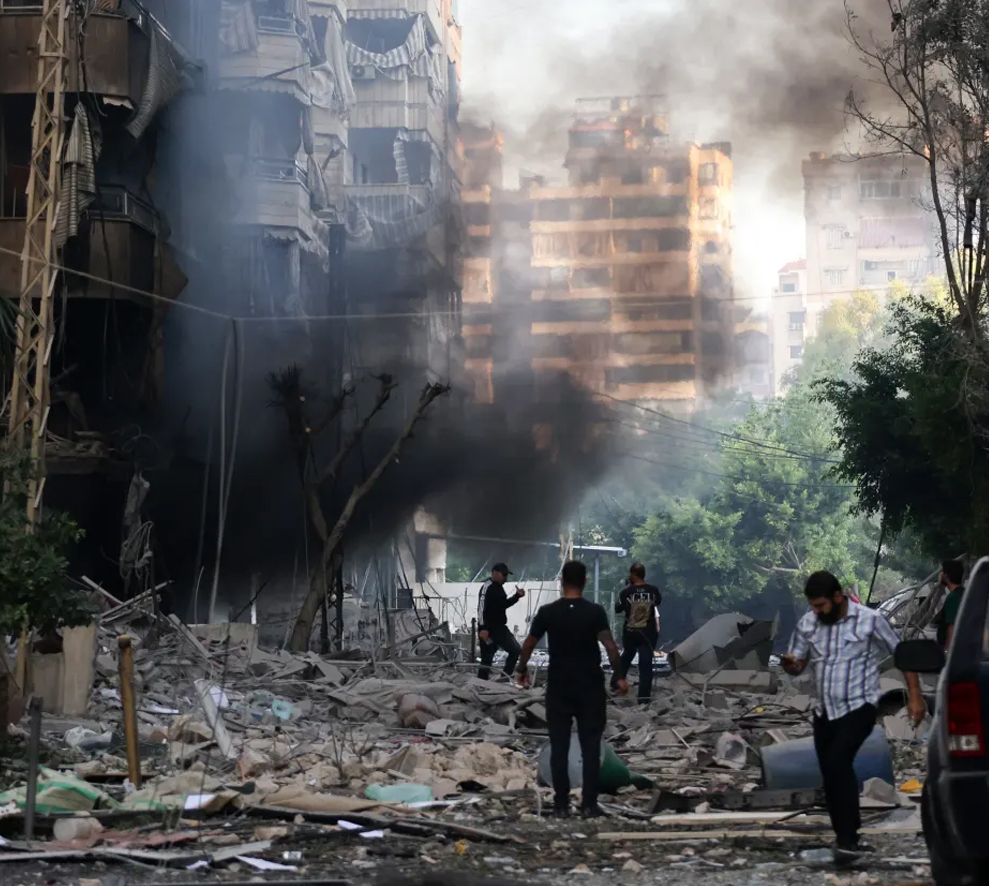
A Call to Arab Countries: Support Our Shia Brothers’ Return to Their Arab Identity!
This article urges Arab countries to take the initiative in Lebanese affairs and work towards ending the war, protecting Lebanese civilians, and preventing Iran from using the Lebanese Shiite community as a pawn in its conflicts under the guise of historical grievances. To achieve this, Arab countries must intensify their moral, scientific, political, and economic support for the Lebanese people, especially the Shiite community, whose members are suffering the most due to the ongoing war.
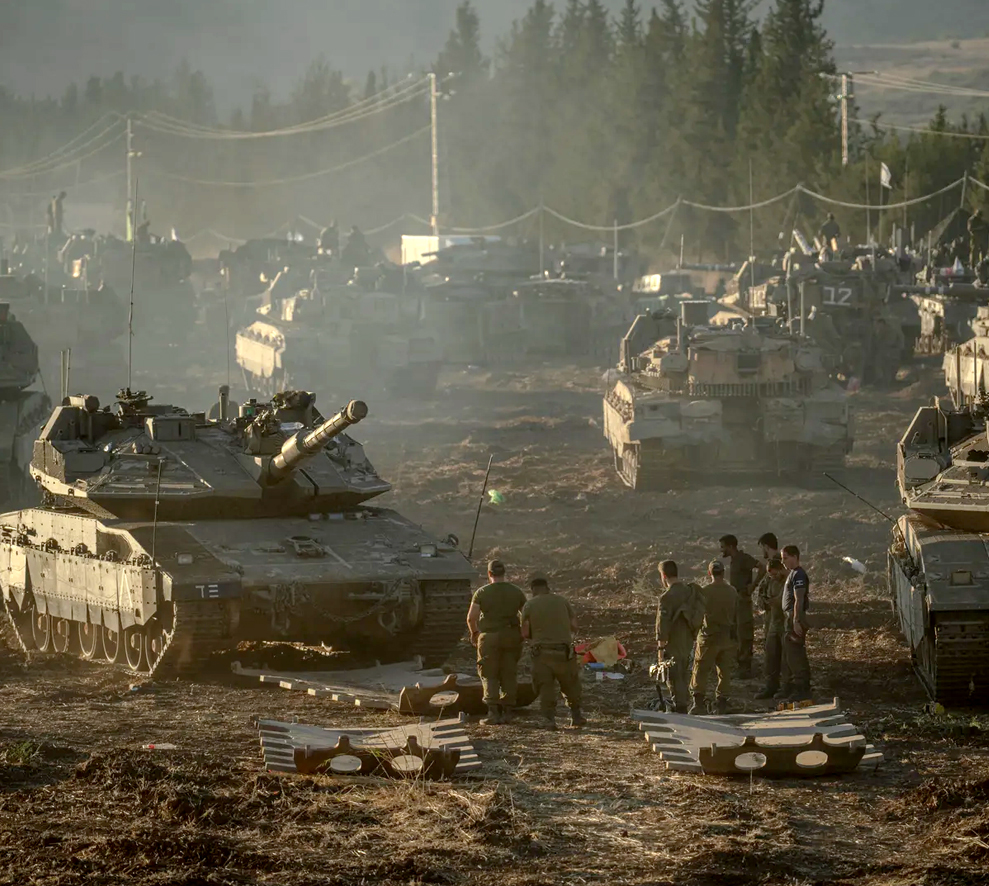
The Trajectories of the Israeli Ground Operation in Lebanon
The Israeli ground operation in southern Lebanon is shrouded in ambiguity from both sides. There is a lack of clarity regarding Israel’s objectives, the intended stopping point of its advance, and the next steps in the operation. Additionally, there are uncertainties about the latent capabilities that Hezbollah might employ to increase the costs of this incursion.

Scenarios for Israel’s Anticipated Strike on Iran
The world today is preoccupied with the anticipated Israeli response to recent Iranian attacks, which is expected to be disproportionate and comes with unexpected repercussions, especially after Israel put its response in the frame of strategic objectives.
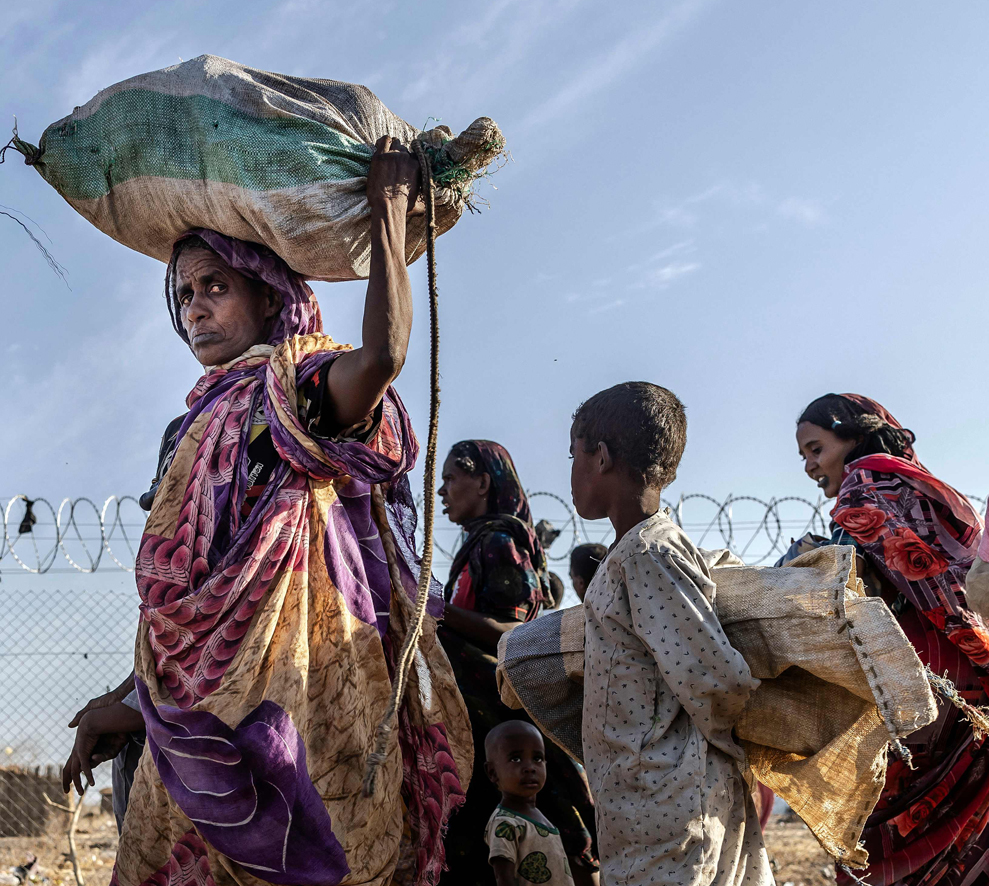
Sudan: The Country Hijacked by Islamists and Targeted for Burial by Iran
This story documents firsthand testimonies from individuals within Sudan who are well-informed about the increasing Iranian influence in their country. We refer to them as "Al-Hajj," "The General," and "The Diplomat" to protect their identities and ensure their safety. These individuals unanimously expressed concerns in their testimonies about the dangers of Iranian influence on their country's future stability, the prospects for a ceasefire between the conflicting parties, and the risks this growing influence poses to regional security in the Middle East and Africa, in a way that cannot be ignored.