Regional Trends
Regional Trends
Iraq Between Geopolitical Challenges and Strategic Opportunities
Regional Trends
The Syrian-Iraqi Border: Reshaping the Geopolitical Space of the Middle East
Regional Trends
The Arab Stance Amid Regional Variables
Regional Trends
How the B-2 Stealth Bomber Changed the Course of U.S.–Iran Negotiations
Regional Trends
Israel and Southern Syria: Limits of Power and Parameters of Settlement in Suwayda
Filter by:
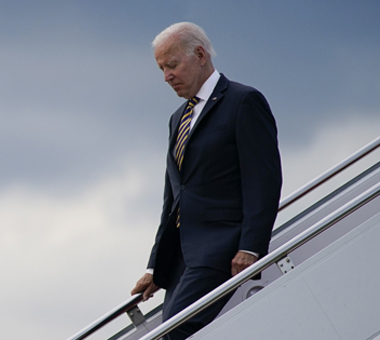
Biden in the Middle East: Searching for a New Regional Equation
This paper presents a reading of the nature of current U.S. foreign policy interactions with the Middle East environment. With a critical method, this paper reviews the most significant features of President Joe Biden's trip to the region. The paper also argues the fallacies of U.S. withdrawal and the emergence of a multipolar world. The paper is concluded in demonstrating the importance of regional balance to reduce -or neutralize- the major conflicts.
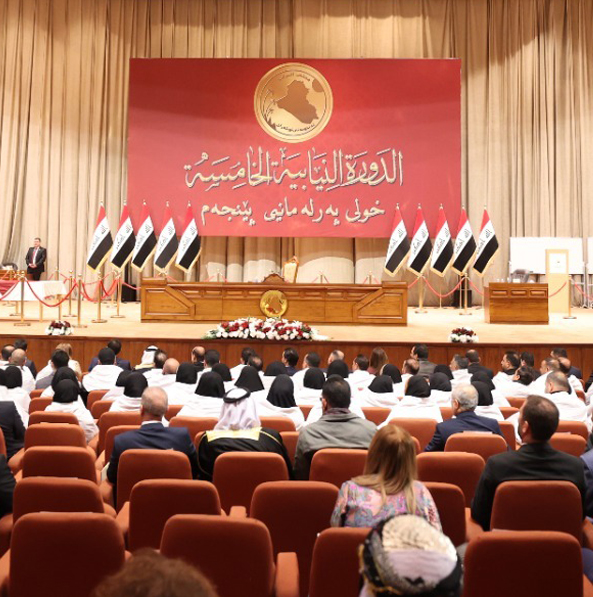
The independents have a hand in the Iraqi government formation crisis
This policy paper presents a reading of the phenomenon of independents candidate in Iraq, with its dimensions, causes, and repercussions on the current political scene, especially in their role as an alternative to traditional forces, and as a third party in the Iraqi government formation crisis.
.jpg)
THE REGIONAL SYSTEM AFTER THE EXPECTED NUCLEAR AGREEMENT, IS IT A STEP "FORWARD" OR "BACKWARD"?
This paper presents a hypothetical analysis of the potential intrinsic changes in the Middle East as a consequence of success in Vienna's negotiations and the repercussions they impose on the form of interactions, alliances and balance of powers in the region driven by the key question: Would the nuclear agreement allow prevailing a phase of stability and calm in the region, or would it lead to a new more serious phase of turmoil, tension and instability or possibly an armed confrontation?
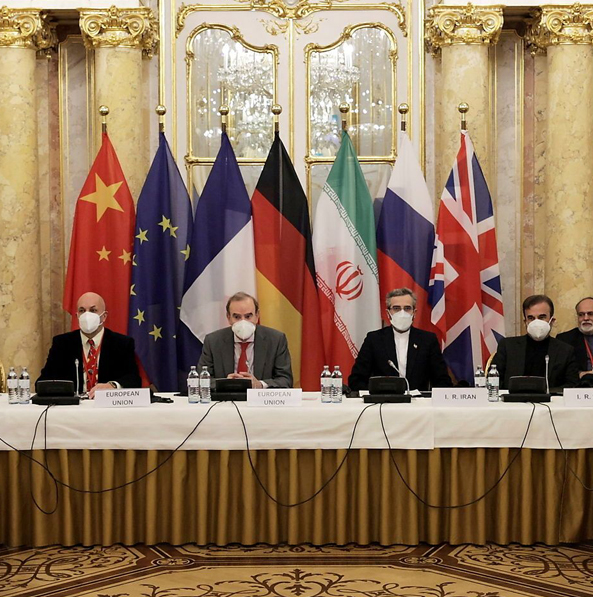
Nuclear Deal's 'Winding Path' Scenarios
There are several indications that the Vienna talks, on the nuclear Agreement, were successful, and that its signing is imminent. Yet, a number of core issues remain disputed between Washington and Tehran, which are capable of undermining the understandings reached between the parties, whether before and after the signing of the Agreement.
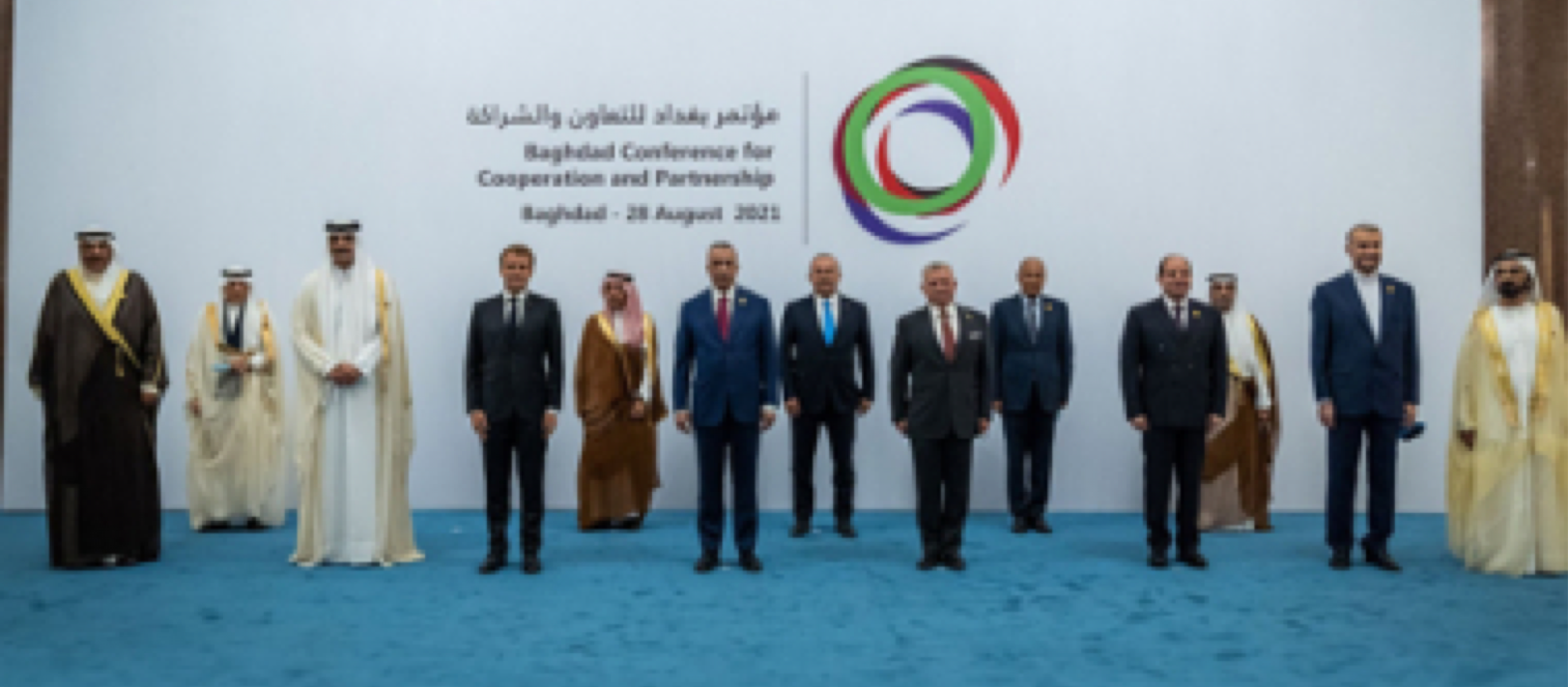
Advertising space title
Description of the advertising space. Upon the client’s initial approval of the design, this text will be removed.
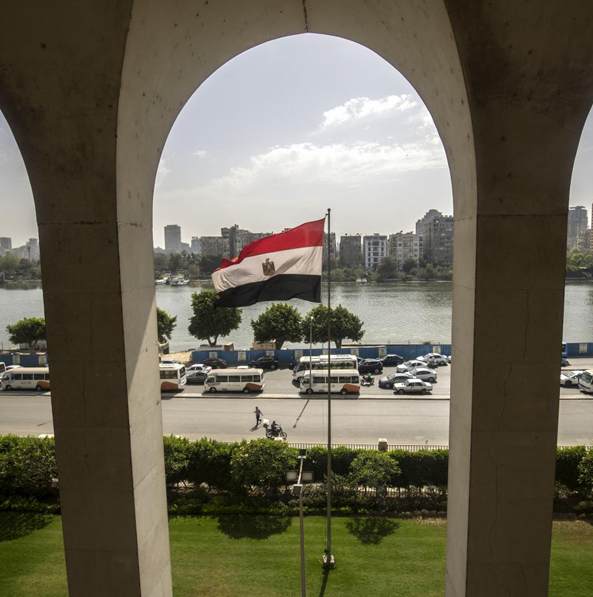
THE DIFFICULT ROAD TO RESUMING EGYPTIAN-IRANIAN RELATIONS
This paper provides a reading in the Egyptian-Iranian future of relations, in light of many indicators and developments within the context of bilateral and regional dialogues and talks. What are their chances of success, in light of the structural constraints inherent in the relations of the two countries that have kept them severed since 1979?
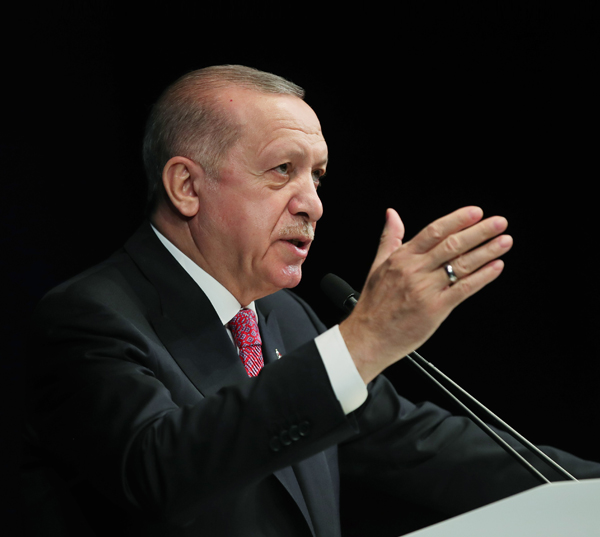
Turkish Politics Transformations: Exceeding, Adjustment, and Conditional Openness
Based on the hypothesis that Ankara is rearranging its political relations, away from the determents that marked its foreign policy after 2011. This op-ed seeks to highlight the variables of Turkish policy toward Israel on the one hand, and the Muslim Brotherhood on the other hand. As well as to deduct the prospects for the continuation of the Turkish political transformations in the foreseeable future.
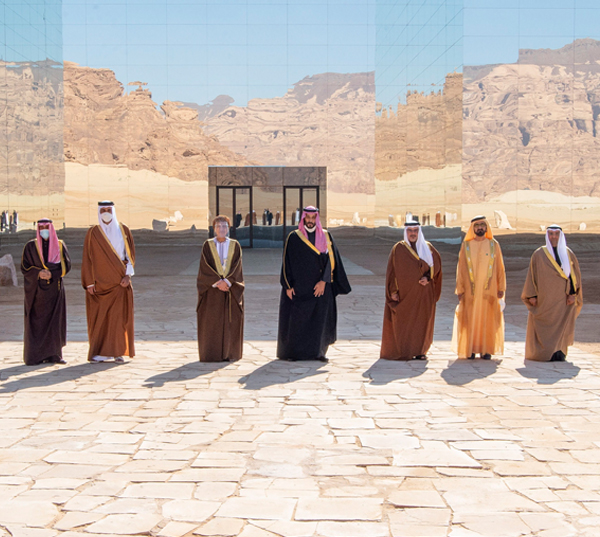
Features of Gulf Security in Light of a New Strategic Environment
The manifestations of the new geo-security field of the Gulf are reflected in the activity of its states over the Arabian Sea, the Mediterranean Sea, and the Red Sea, reflecting deep changes in the notions of geopolitics in relation to the vital and security interests of Gulf states. Therefore, this paper attempts to answer a basic question related to the new prospects and features of Gulf security in light of the new strategic environment, which links Gulf security to something broader.
.%D9%85%D9%86%D8%A7%D9%88%D8%B1%D8%A7%D8%AA-%D8%B0%D9%88-%D8%A7%D9%84%D9%81%D9%82%D8%A7%D8%B1.jpg)
Zulfiqar-1400 Drills: Operational Tactics and Political Messages
The following report provides an overview of the most notable operational aspects of the “Zulfiqar-1400” military drills carried out by the Iranian army. It also discusses the political messages conveyed by the drills at a time when Iran's diplomacy is preparing to resolve several issues, including the Vienna nuclear negotiations.
.jpg-%D8%A7%D8%A8%D8%B1%D8%A7%D9%87%D9%8A%D9%85-%D8%B1%D9%8A%D9%94%D9%8A%D8%B3%D9%8A.jpg)
Ibrahim Raisi in Power: Will Tehran's Foreign Policy Change?
The following article seeks to highlight the future of Iranian foreign policy under the new Iranian president, Ibrahim Raisi, after taking into account the factors that control Iran's foreign political scene and its interactions with domestic affairs on the one hand and with the distribution of power regionally and internationally on the other.