Regional Trends
Regional Trends
Iraq Between Geopolitical Challenges and Strategic Opportunities
Regional Trends
The Syrian-Iraqi Border: Reshaping the Geopolitical Space of the Middle East
Regional Trends
The Arab Stance Amid Regional Variables
Regional Trends
How the B-2 Stealth Bomber Changed the Course of U.S.–Iran Negotiations
Regional Trends
Israel and Southern Syria: Limits of Power and Parameters of Settlement in Suwayda
Filter by:
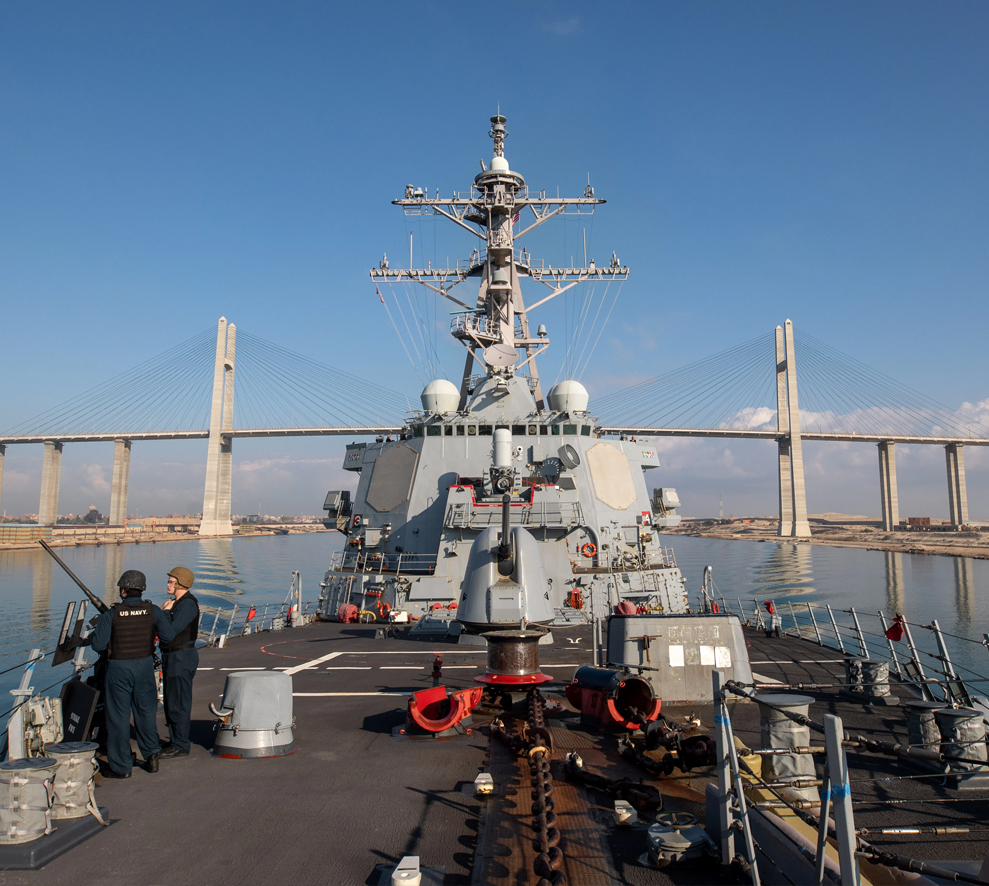
The U.S. Military Strikes Against the Houthis: The End of One War or the Beginning of Another?
The American military strikes against the Houthis come in light of the ongoing developments in the war in Gaza and the Houthis’ indirect role in it. These strikes coincide with the return of the “maximum pressure” policy against Iran, which U.S. President Donald Trump introduced during his first administration. The strikes aim not only to separate the Houthis from the main war arena in the Gaza Strip but to also separate them from Iran.
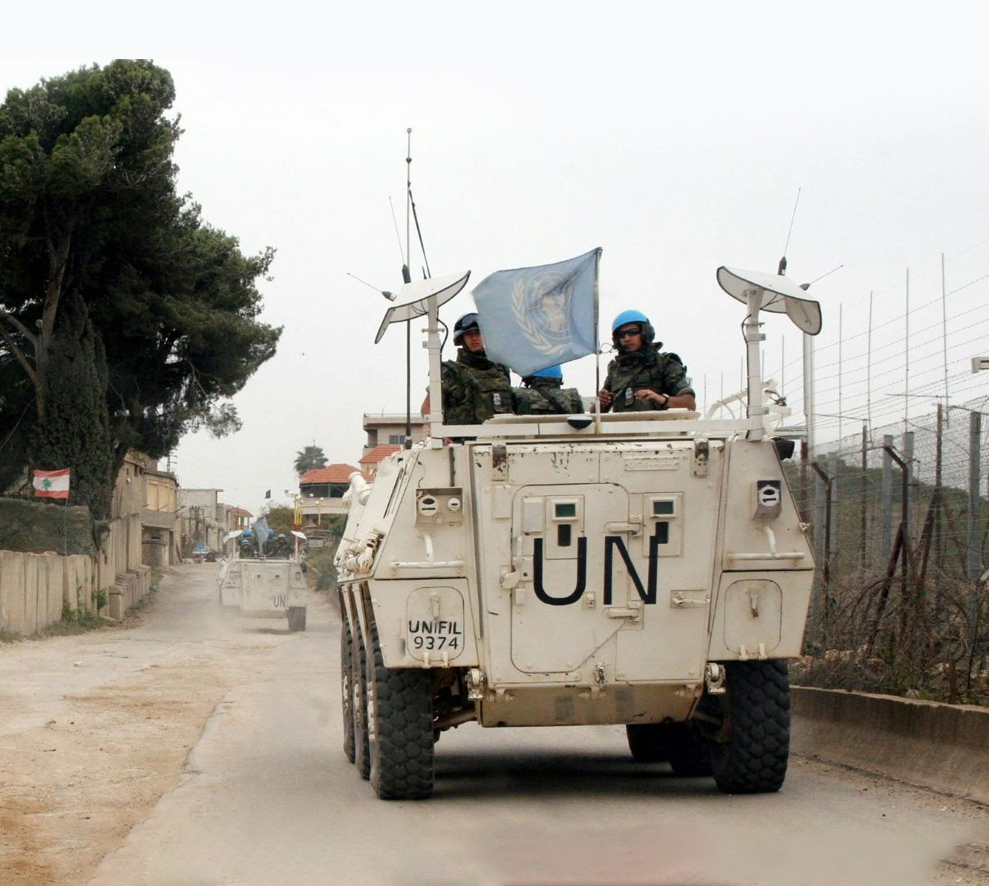
Scenarios of the UNIFIL Mission in Lebanon
Questions are increasing regarding the future of the United Nations Interim Force in Lebanon (UNIFIL), its effectiveness, and the available options for the international community to ensure its continuity or adjust its mandate. This paper addresses the possible scenarios for the fate of UNIFIL in terms of its role and presence.
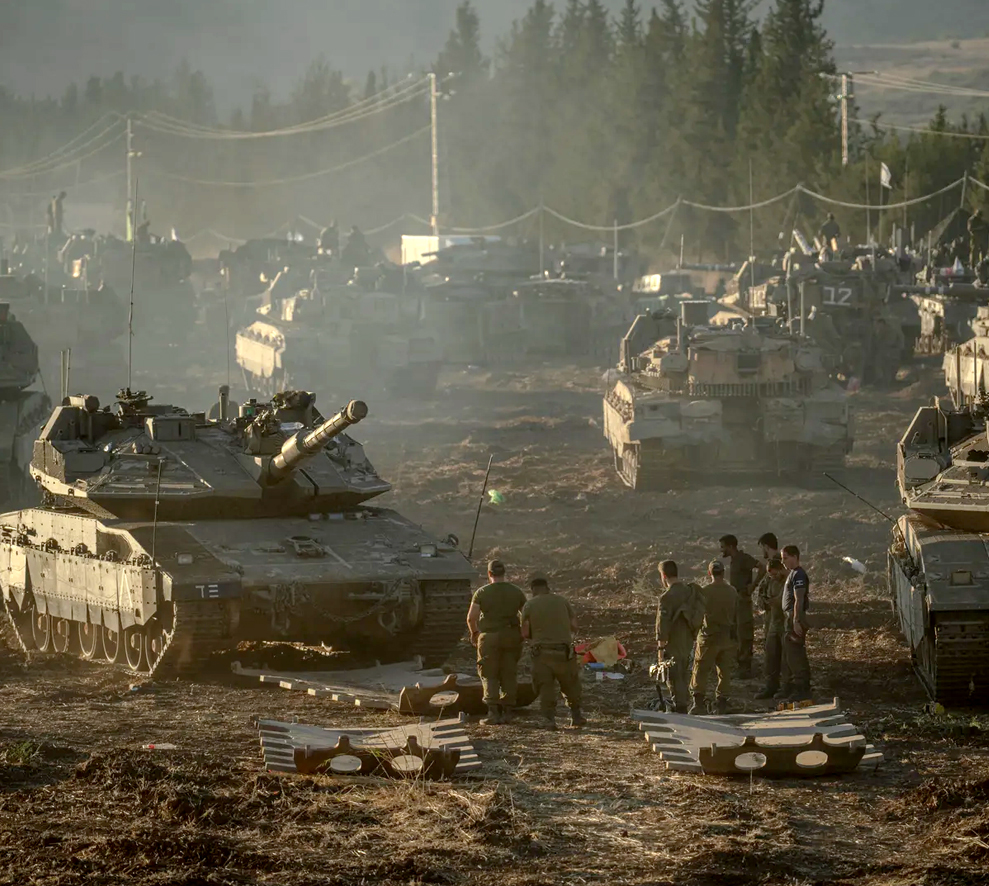
The Trajectories of the Israeli Ground Operation in Lebanon
The Israeli ground operation in southern Lebanon is shrouded in ambiguity from both sides. There is a lack of clarity regarding Israel’s objectives, the intended stopping point of its advance, and the next steps in the operation. Additionally, there are uncertainties about the latent capabilities that Hezbollah might employ to increase the costs of this incursion.

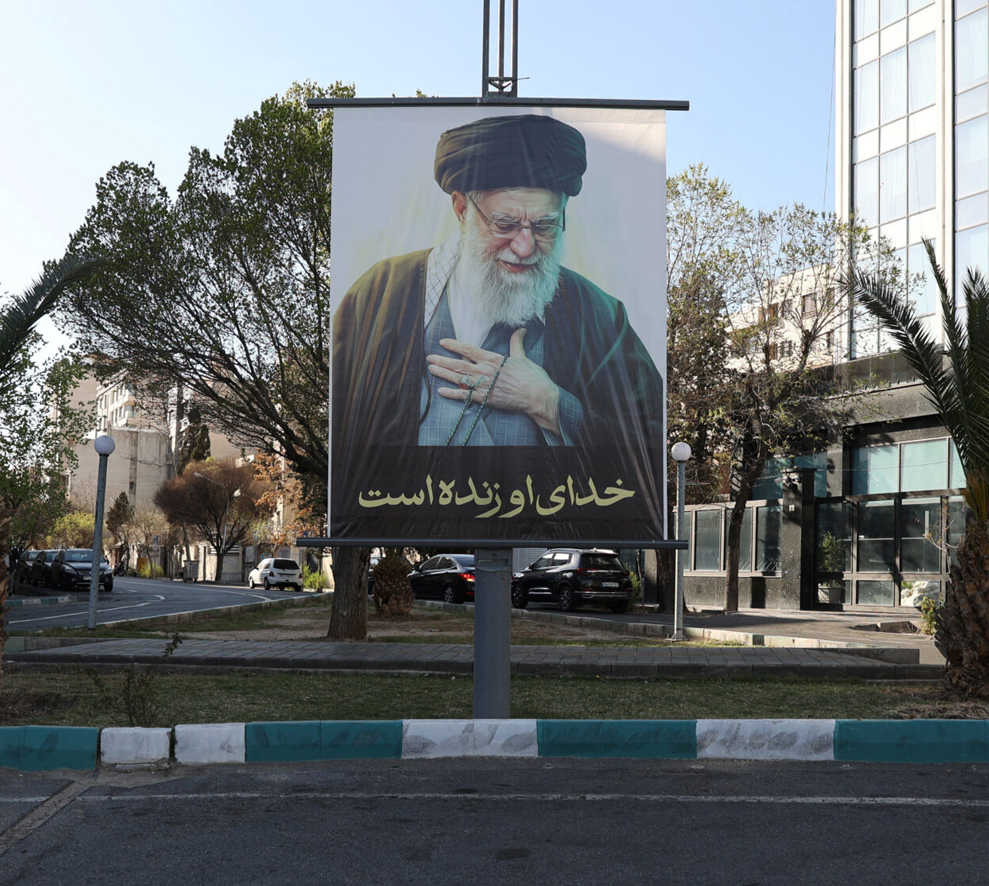
Scenarios for Israel’s Anticipated Strike on Iran
The world today is preoccupied with the anticipated Israeli response to recent Iranian attacks, which is expected to be disproportionate and comes with unexpected repercussions, especially after Israel put its response in the frame of strategic objectives.
Advertising space title
Description of the advertising space. Upon the client’s initial approval of the design, this text will be removed.
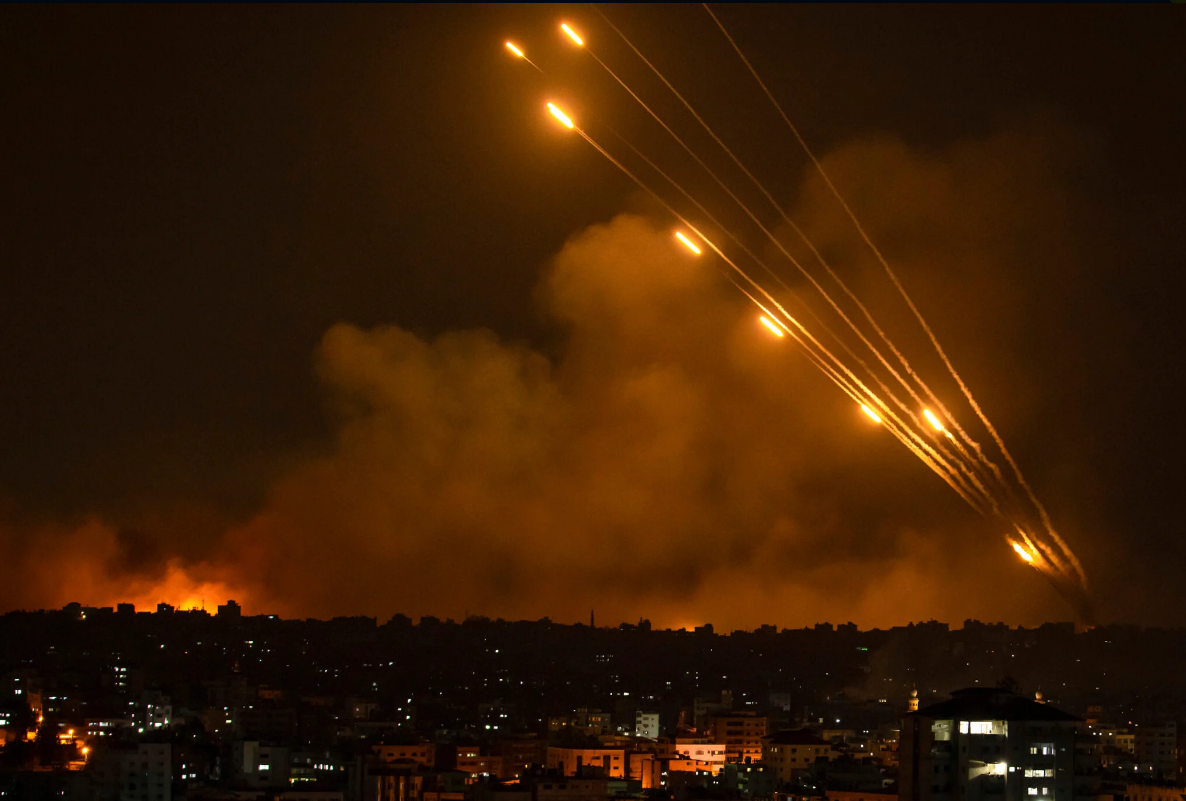
The Iranian Attack Against Israel: Strike and Counter-Strike
The turning point between Israeli-Iranian relations is linked to the repercussions of the attack. Iran continues expressing its desire to prevent the war from expanding, but the potential Israeli response will be a decisive factor in shaping the upcoming regional landscape.
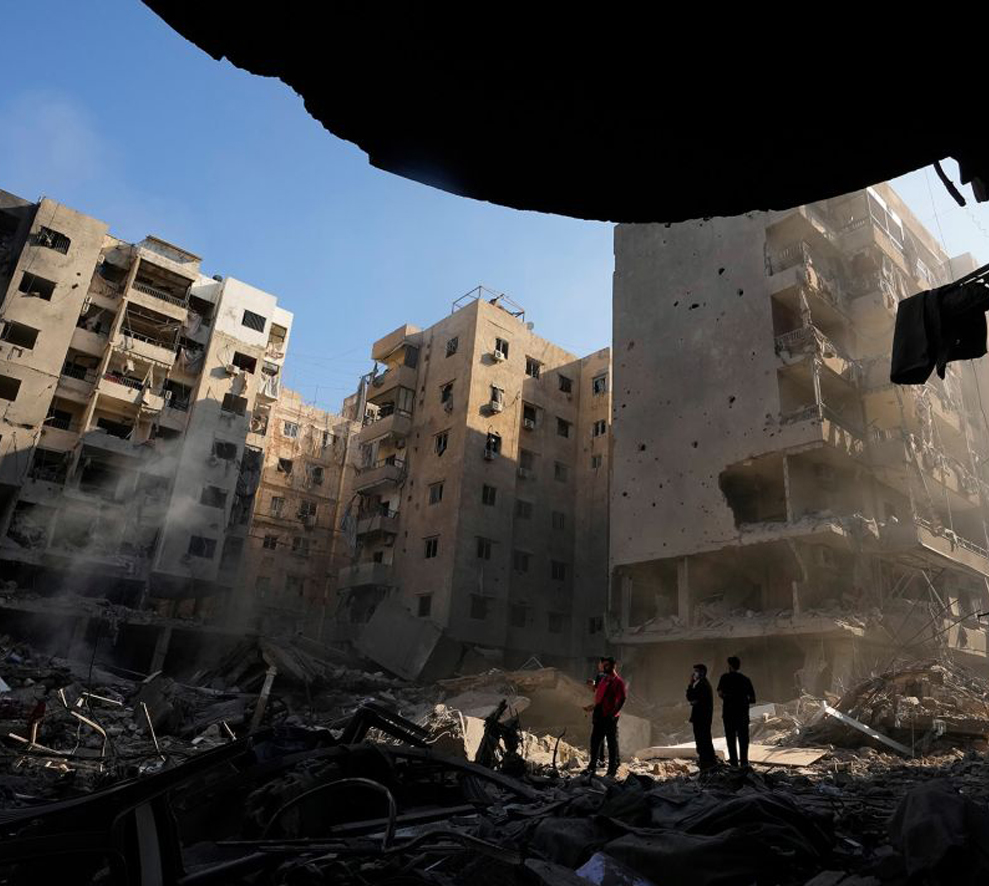
Nasrallah’s Assassination Puts Hezbollah and the Unification of the arenas in a Critical Moment
The assassination of Hezbollah Secretary-General Hassan Nasrallah puts the movement in a critical moment, exacerbating the damage to its military structure. This raises questions about Hezbollah’s position in confrontation with Israel, the Iranian approach toward its most important allies, and the stance of the other parties in the “Unification of the arenas.”

Intelligence Superiority Places the Escalation Between Israel and Hezbollah at a Turning Point
Israeli information and intelligence superiority has contributed to its deadly aim in striking several strategic targets of the Hezbollah Movement, both at its leadership and infrastructure. This paper seeks to analyze the Israeli strategy towards Hezbollah before and after the war in Gaza, which has significantly weakened the Movement’s capabilities and hindered its ability to respond proportionately and escalate in return.
Regional Powers Must Uphold Their Historical Responsibility to Achieve Stability in the Middle East
An opinion piece by Palestinian diplomat and former ambassador, Nabil Maaruf, proposes a new initiative to improve stability in the Middle East, neutralize conflicts arising from international interventions, and radically increasing the region’s low weight in the international system of power. His perspective on the Middle East initiative is based on the transformations that Europe underwent during its dark ages.
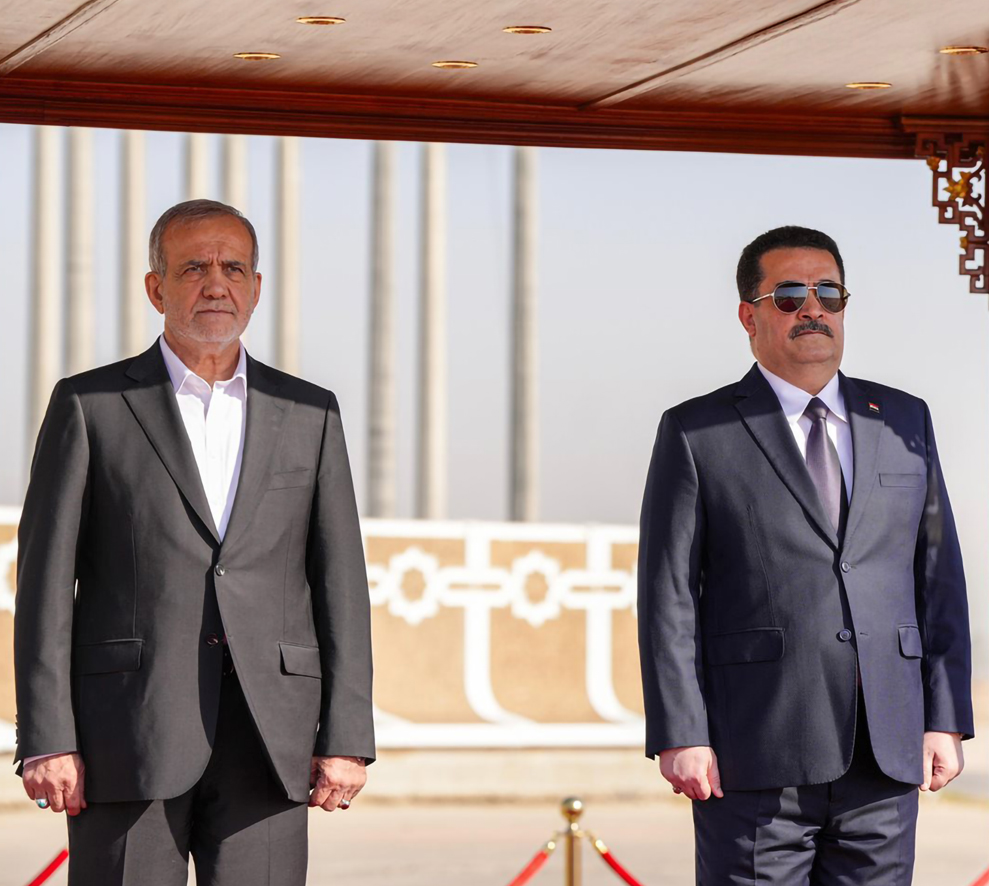
Pezeshkian in Iraq: Political Maneuver or Strategic Visit?
The visit of Iranian President Massoud Pezeshkian to Iraq raises several questions about the future of Iraqi-Iranian relations. Will Iraq be facing fundamental and decisive changes? An analysis of the factors and variables, however, suggests that changes in Iraq will not affect its political or security relations with Iran. The relationship between the two countries is deeply intertwined and transcends political changes and internal or external conditions.