Situation Assessment
International Relations
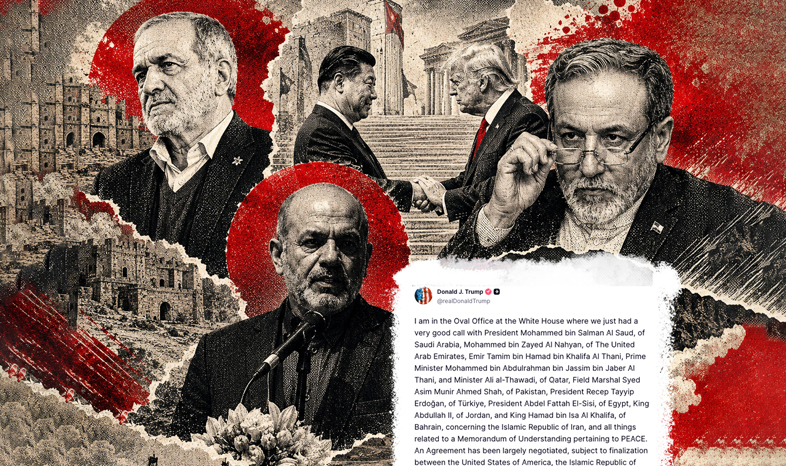
The Islamabad Negotiations: Between the Conflict of Wills and Rules of Engagement
International and Global Trends
U.S.- Iran Negotiations: A State of Ambiguity and Uncertainty
Regional Trends
After the Assassination of Khamenei: Scenarios for the Third Supreme Leader
International and Global Trends
Israeli-U.S. Military Operation Scenarios and Iranian Responses
Regional Trends
The Syrian-Iraqi Border: Reshaping the Geopolitical Space of the Middle East
Filter by:
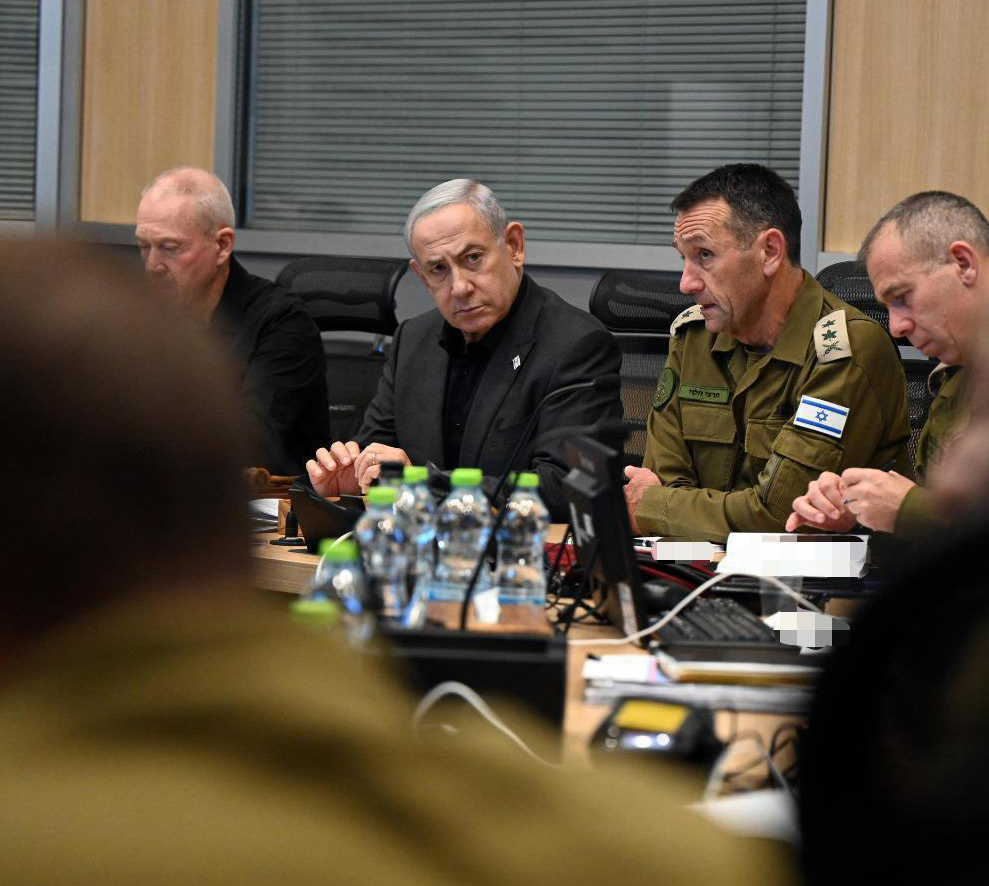
Israeli Government Scenarios for the Day After the War
The Israeli government coalition has been in a state of crisis since its formation in December 2022. This ongoing multifaceted crisis stems from the disparate components of the government coalition, as well as its domestic and foreign policies. In addition to this are the new crises produced by the war in Gaza. This paper addresses the Israeli government’s scenarios for the day after the war.
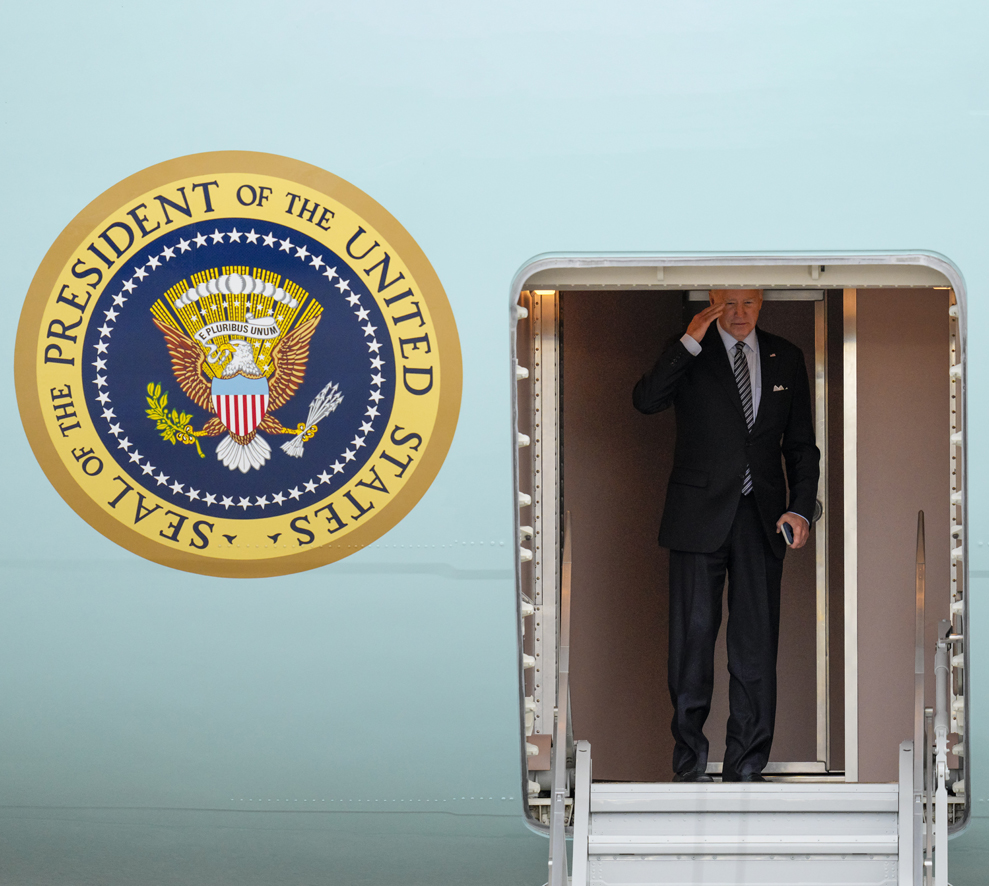
The United States: The De-Escalation Efforts and the Prospects of Escalation in the Middle East
Policy Analysis: This paper discusses the United States policy and pillars towards the war in the Gaza Strip, and the U.S. position on the secondary arenas of escalation. It also presents a new idea about the signs of independence of those arenas in terms of their goals and objectives from the main arena of war in the Gaza Strip, the matter that poses new challenges for the United States in pursuing unified policies.
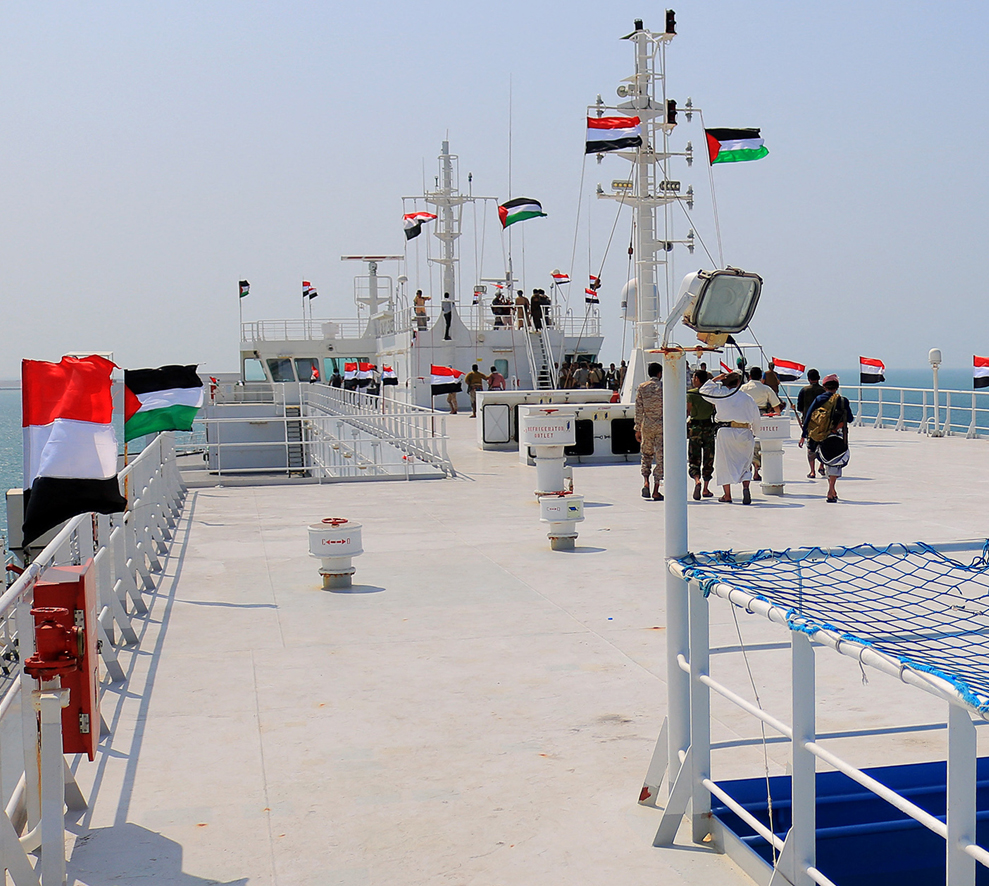
The Escalation of Houthis and the Repercussions on the Region
This policy analysis addresses the escalation of the Houthi attacks in the Red Sea and its effects on Arab countries. This analysis also touches on the Operation Prosperity Guardian coalition launched by the United States with the participation of more than 20 countries to protect international shipping lanes.
Possible Outcomes of the Israeli War on the Gaza Strip After the Truce
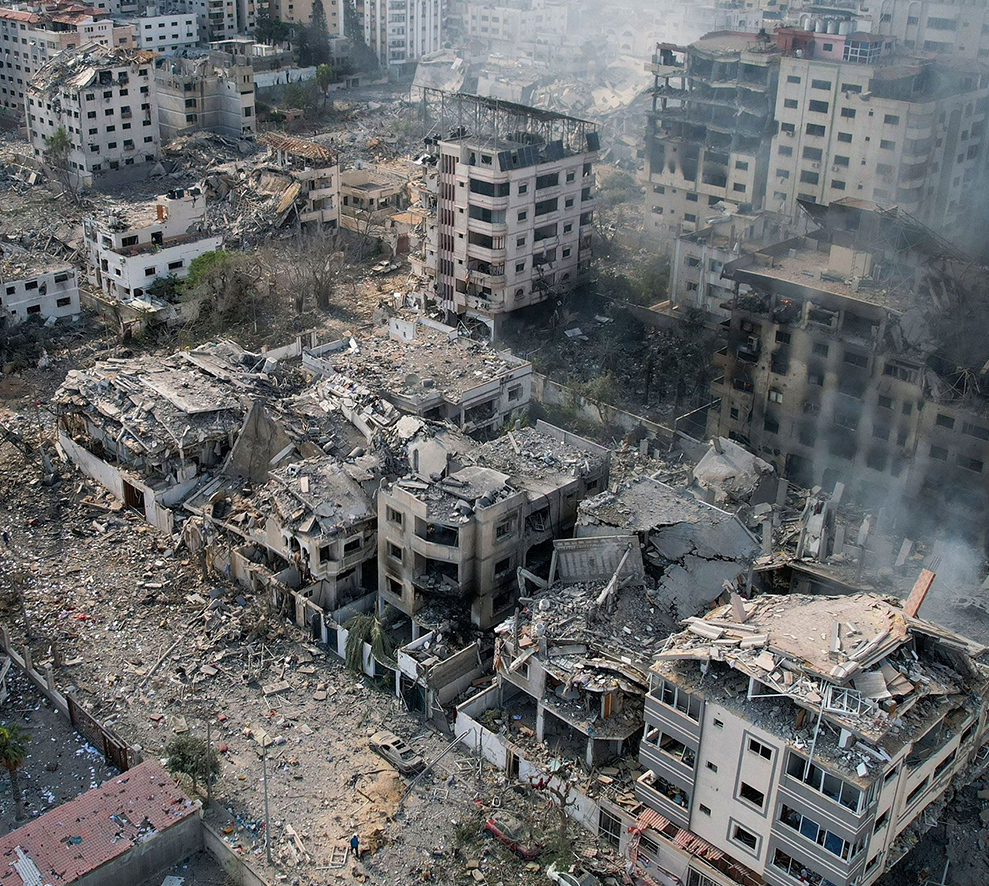
The Israeli war on the Gaza Strip is managed according to changing rules, depending on the military situation, the local reactions of Hamas and Israel, and foreign pressures. This means that the war will not proceed according to any prepared plans, decisive objectives, or rules. Therefore, this paper addresses the possible outcome of the war after the truce and the variables that define such the war.
Advertising space title
Description of the advertising space. Upon the client’s initial approval of the design, this text will be removed.
Scenarios of the War on Gaza After the Truce
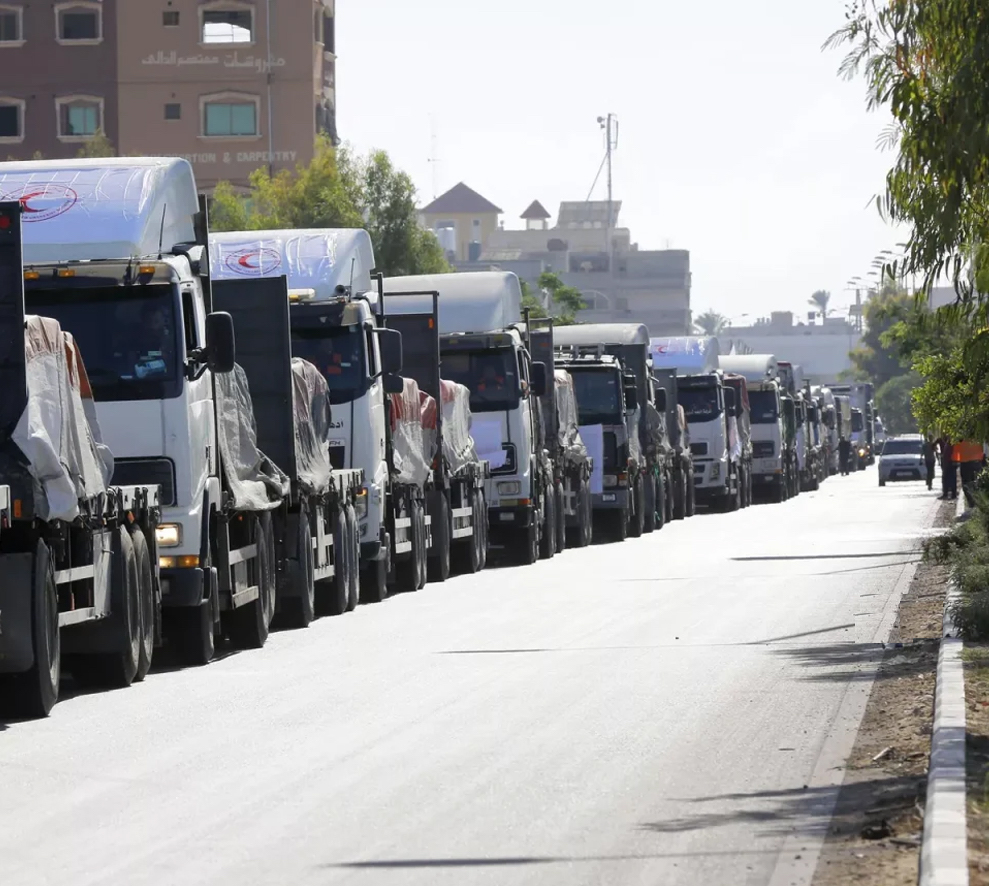
This position assessment addresses a set of likely scenarios for the course of the war on the Gaza Strip after the November truce. These scenarios are related to a set of indicators and data, some of which are associated with Israel and Gaza, while others are regional and international.
The Unification of the arenas: Strategy Tracks in the War Between Hamas and Israel
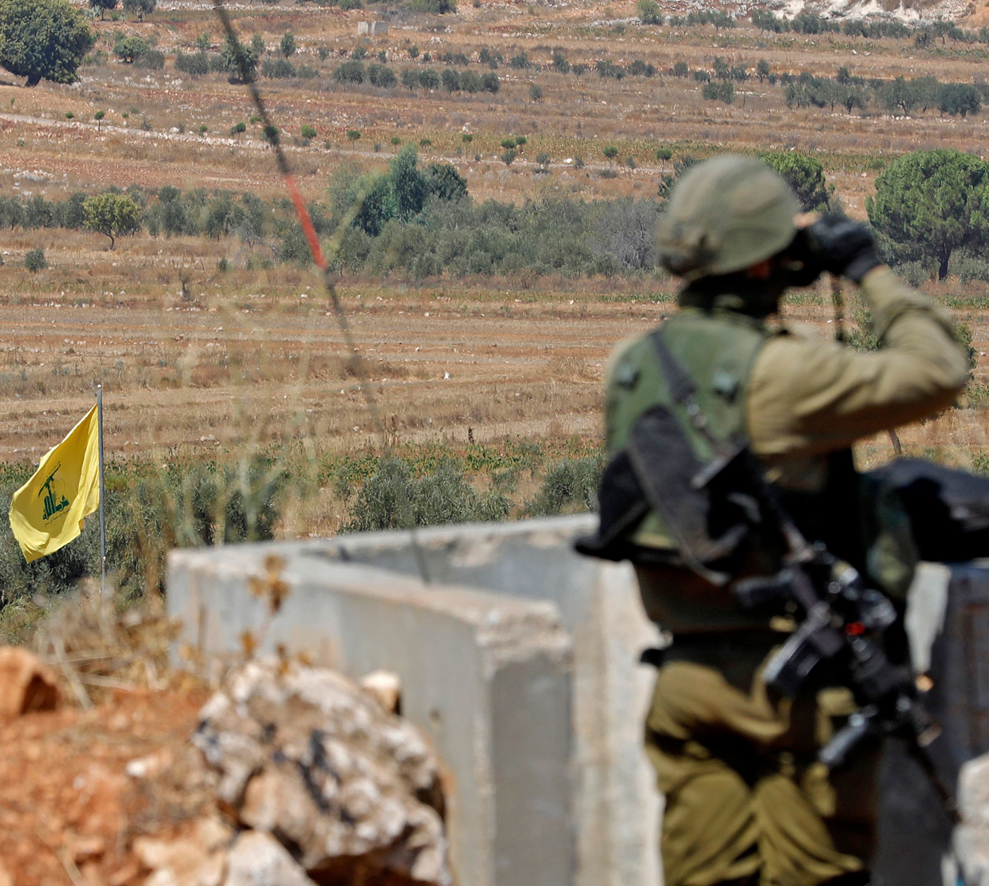
The position of Iran and its allies has been in flux. At times, they issue rhetorical threats through the media; at other times, they exercise tactical restraint. However, Iran and all elements within the so-called “Axis of Resistance” coalition are directly involved in the ongoing conflict in Gaza. This paper aims to explore the Axis’s stance on the ongoing war and the potential ways in which the coalition might engage in it.
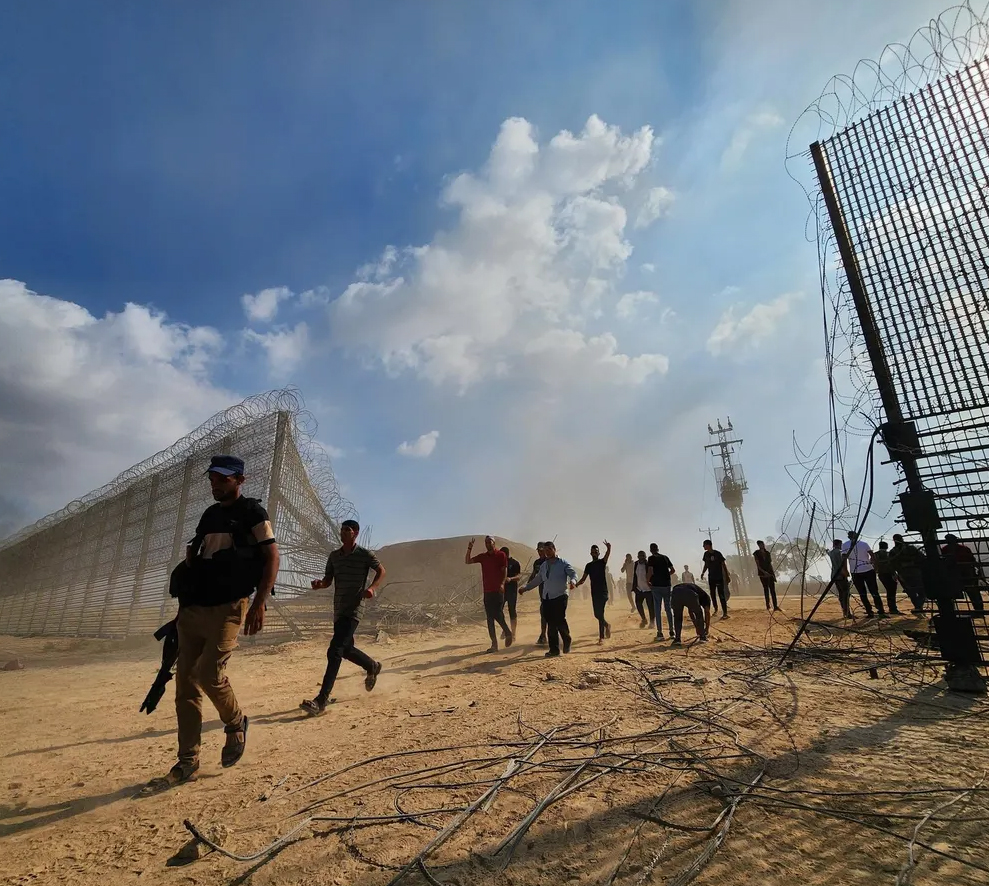
Position Assessment: Potential Pathways of Conflict between Hamas and Israel
some of days of war have passed, yet the possible consequences remain enigmatic to observers, as this conflict presents multiple potential outcomes at the Israeli, Palestinian, regional, and international levels. This position assessment aims to explore the most likely scenarios for future developments.
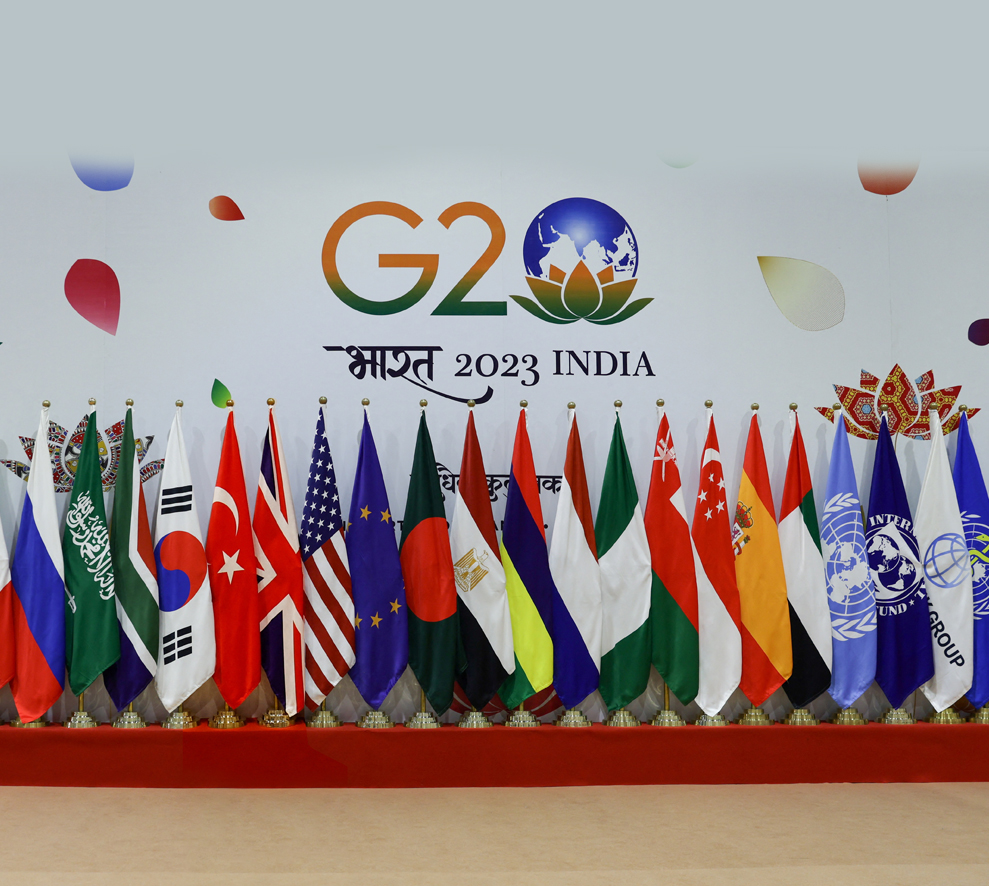
Will the G20 Summit Mark a New Turning Point in the Global Order?
A position assessment paper on the latest G20 Summit held in India. The main themes of the paper address contentious issues among the summit parties, such as the Ukrainian crisis, the gradual phasing out of fossil fuels, and debt restructuring. The paper indicates that the summit marked a new turning point both in the relations among its members and in the future of traditional international blocs.
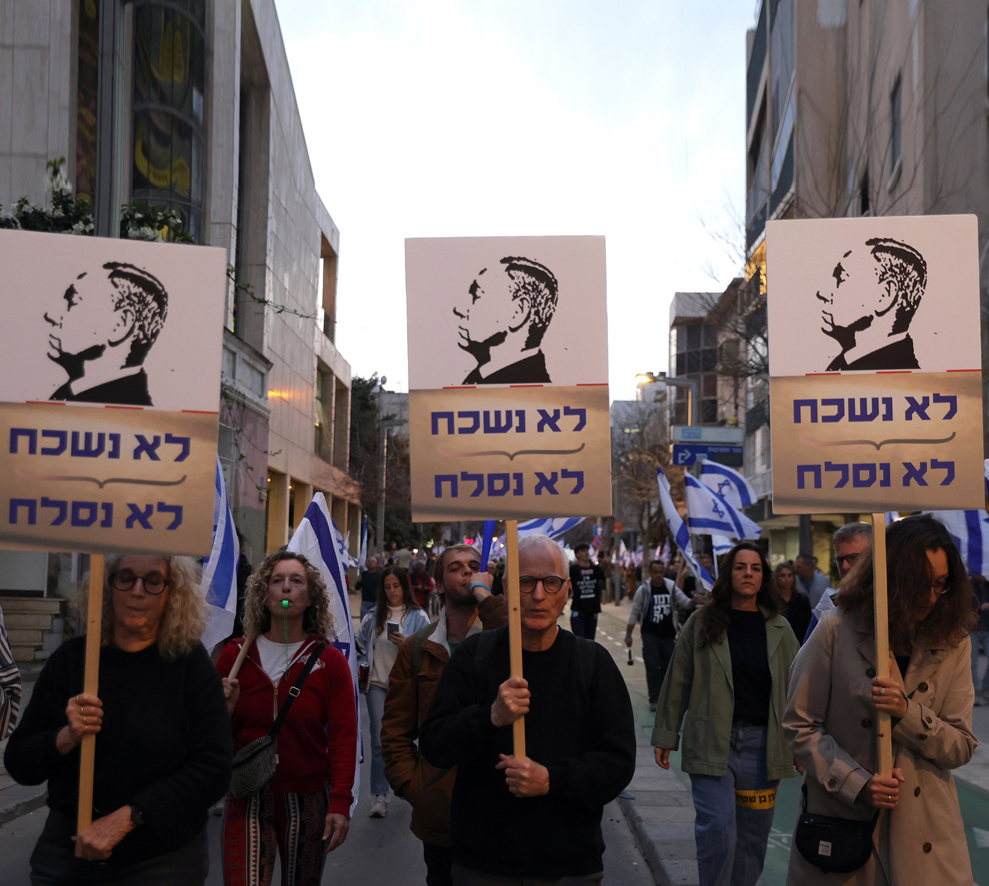
Issues of Disagreement and their Interactions between the Government and the Army in Israel
This Position Assessment addresses the discord between the governmental body and the military institution within Israel. It also deals with the public manifestation of this discord in several stances regarding domestic and foreign realities. Furthermore, the Position Assessment explores the implications and ramifications of these issues.