Situation Assessment
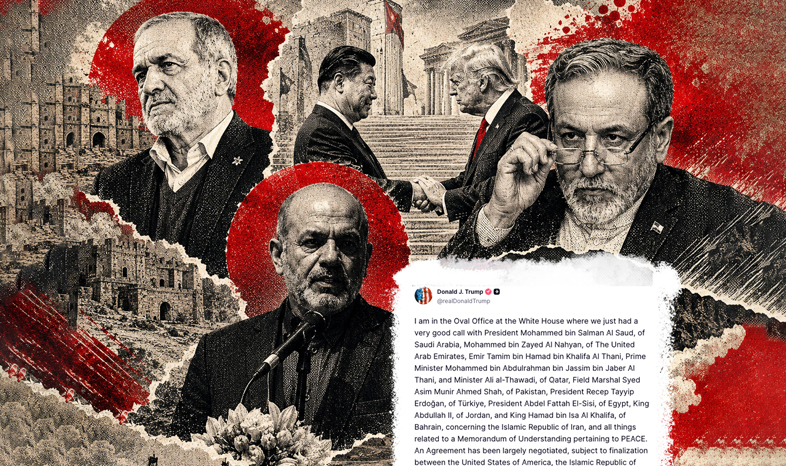
International Relations
The Islamabad Negotiations: Between the Conflict of Wills and Rules of Engagement
International and Global Trends
U.S.- Iran Negotiations: A State of Ambiguity and Uncertainty
Regional Trends
After the Assassination of Khamenei: Scenarios for the Third Supreme Leader
International and Global Trends
Israeli-U.S. Military Operation Scenarios and Iranian Responses
Regional Trends
The Syrian-Iraqi Border: Reshaping the Geopolitical Space of the Middle East
Filter by:

Beyond Sinwar: Hamas at a Crossroads
The assassination of Yahya Sinwar places Hamas at a crossroads on various organizational, political, and military levels, especially in the context of the ongoing wars in Gaza and Lebanon. It also raises questions about the movement’s role in the aftermath of the war, which could significantly impact its alliances and relations both domestically and internationally.

The Military Operation in Jabalia and Post-War plans
Israel seeks to test a plan that involves a new social engineering of Gaza’s society by creating what it calls “humanitarian bubbles” and contracting private security companies to manage them, which posing a threat of structural changes to the geography and demographics of the Gaza Strip.
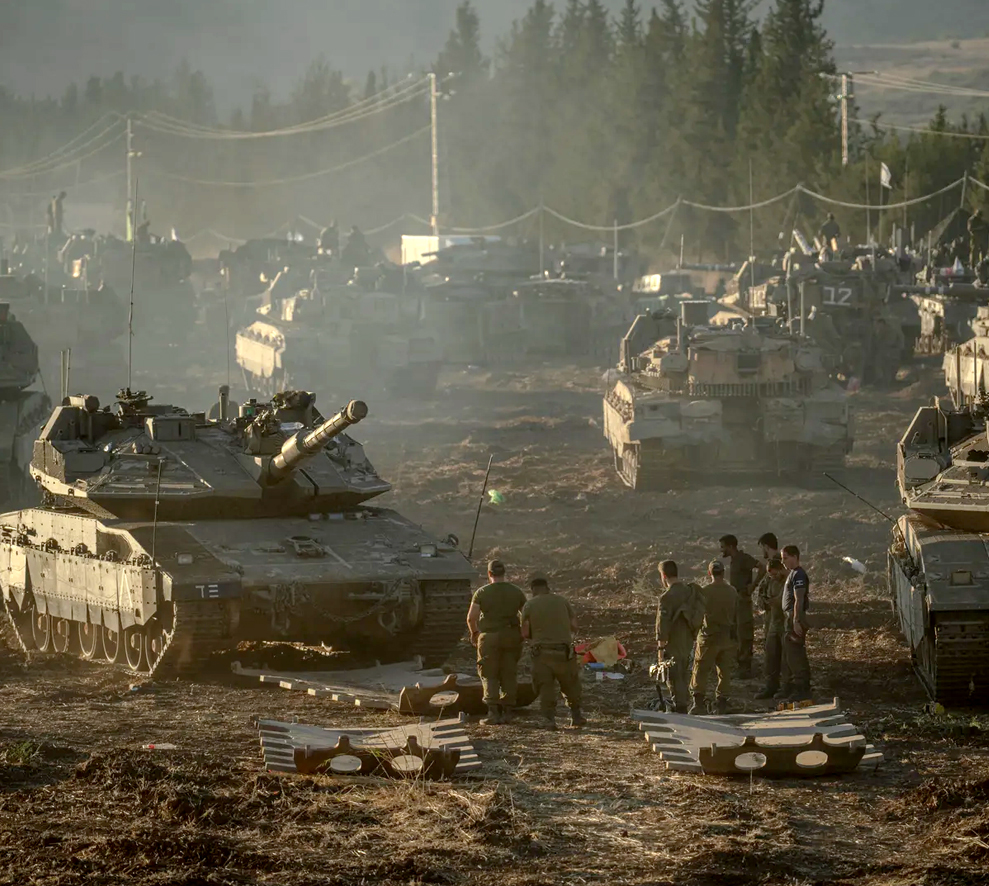
The Trajectories of the Israeli Ground Operation in Lebanon
The Israeli ground operation in southern Lebanon is shrouded in ambiguity from both sides. There is a lack of clarity regarding Israel’s objectives, the intended stopping point of its advance, and the next steps in the operation. Additionally, there are uncertainties about the latent capabilities that Hezbollah might employ to increase the costs of this incursion.

Scenarios for Israel’s Anticipated Strike on Iran
The world today is preoccupied with the anticipated Israeli response to recent Iranian attacks, which is expected to be disproportionate and comes with unexpected repercussions, especially after Israel put its response in the frame of strategic objectives.
Advertising space title
Description of the advertising space. Upon the client’s initial approval of the design, this text will be removed.
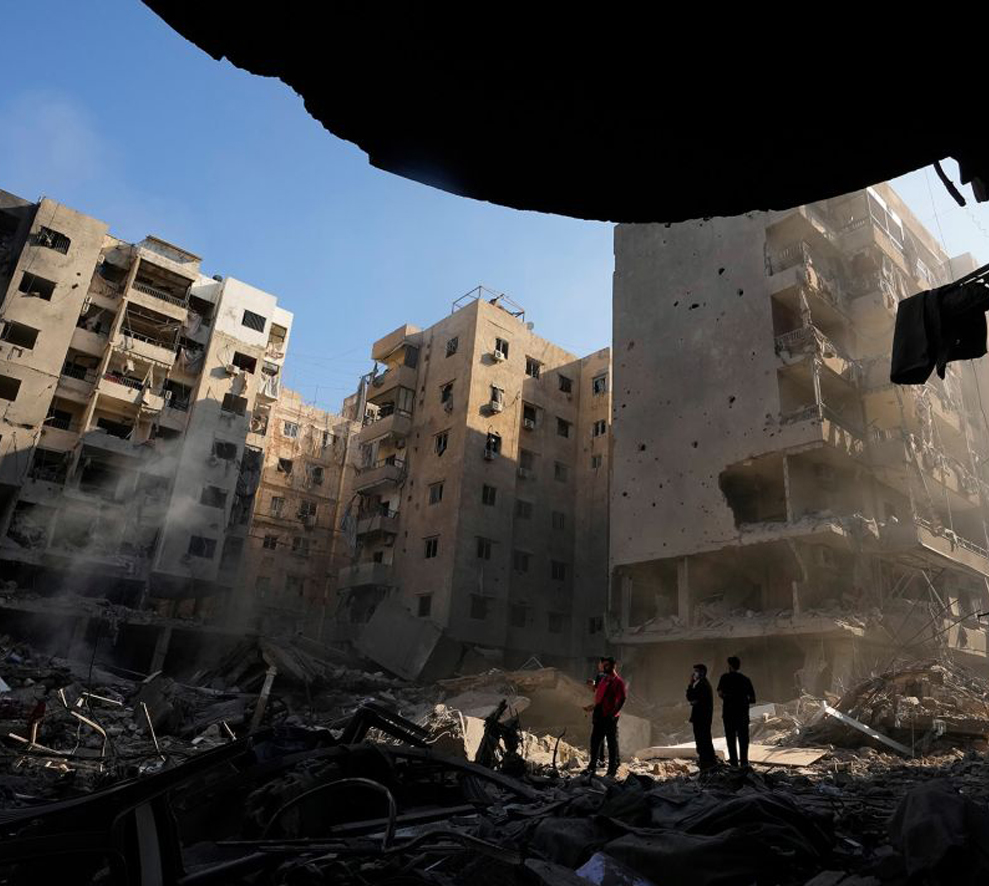
Nasrallah’s Assassination Puts Hezbollah and the Unification of the arenas in a Critical Moment
The assassination of Hezbollah Secretary-General Hassan Nasrallah puts the movement in a critical moment, exacerbating the damage to its military structure. This raises questions about Hezbollah’s position in confrontation with Israel, the Iranian approach toward its most important allies, and the stance of the other parties in the “Unification of the arenas.”

Intelligence Superiority Places the Escalation Between Israel and Hezbollah at a Turning Point
Israeli information and intelligence superiority has contributed to its deadly aim in striking several strategic targets of the Hezbollah Movement, both at its leadership and infrastructure. This paper seeks to analyze the Israeli strategy towards Hezbollah before and after the war in Gaza, which has significantly weakened the Movement’s capabilities and hindered its ability to respond proportionately and escalate in return.
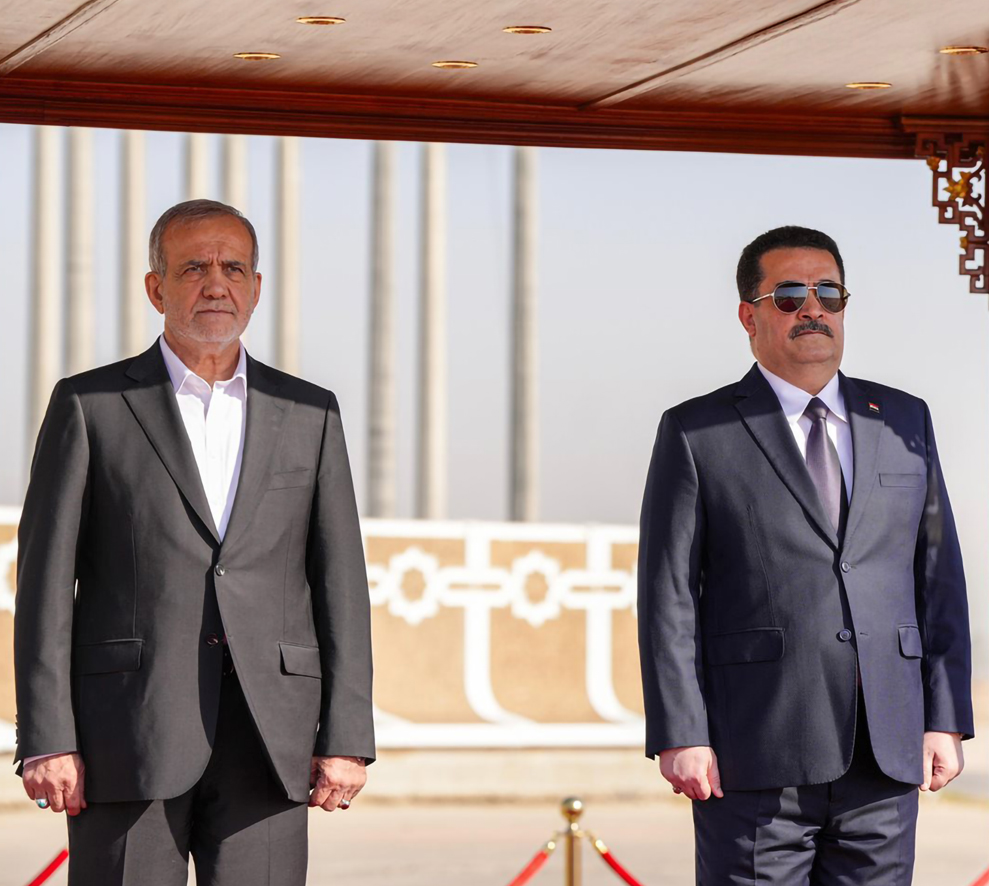
Pezeshkian in Iraq: Political Maneuver or Strategic Visit?
The visit of Iranian President Massoud Pezeshkian to Iraq raises several questions about the future of Iraqi-Iranian relations. Will Iraq be facing fundamental and decisive changes? An analysis of the factors and variables, however, suggests that changes in Iraq will not affect its political or security relations with Iran. The relationship between the two countries is deeply intertwined and transcends political changes and internal or external conditions.

How Can Israel’s “Summer Camps” Operation in the Northern West Bank Be Interpreted?
The Israeli security and political objectives behind the military operation in the northern West Bank and Jordan Valley are multifaceted and interconnected. These goals are timed to align with confrontations on other fronts, particularly in the Gaza Strip and Lebanon. Extending beyond the Palestinian context, the potential dangers of the situation in the West Bank could also impact Jordan.
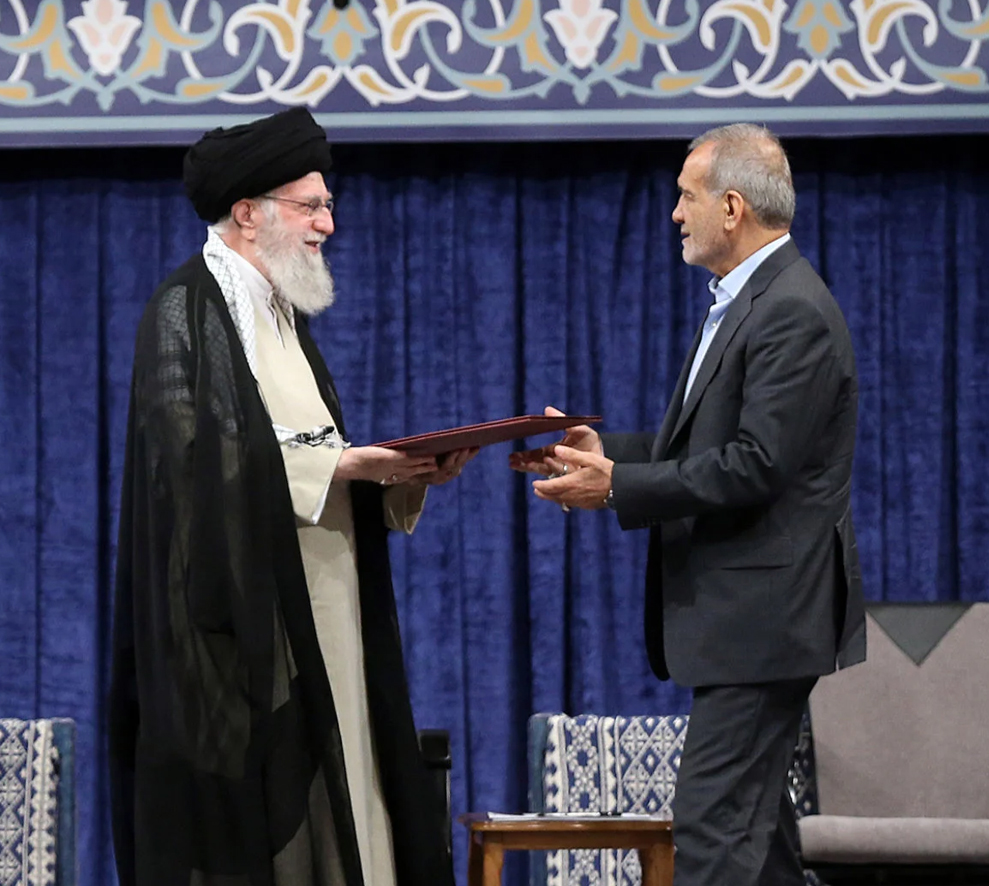
Will the Presidency of Masoud Pezeshkian Change Iran’s Domestic and Foreign Policies?
The Iranian president’s ability to implement new programs is limited considering the failed efforts of the three previous reformist presidents. None of them managed to bring about significant changes in Iran’s domestic and foreign policies. Moreover, it is likely that Pezeshkian agenda will face strong opposition from the conservatives who dominate the parliament and the Assembly of Experts after their victory in the March 2024 elections.