Situation Assessment
International Relations
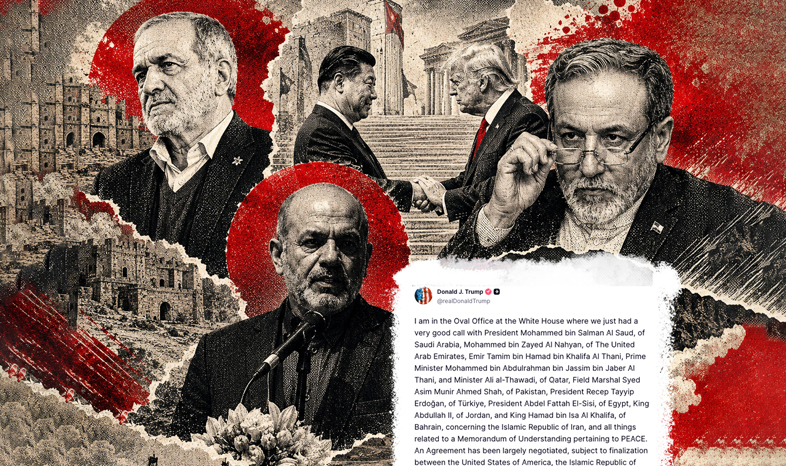
The Islamabad Negotiations: Between the Conflict of Wills and Rules of Engagement
International and Global Trends
U.S.- Iran Negotiations: A State of Ambiguity and Uncertainty
Regional Trends
After the Assassination of Khamenei: Scenarios for the Third Supreme Leader
International and Global Trends
Israeli-U.S. Military Operation Scenarios and Iranian Responses
Regional Trends
The Syrian-Iraqi Border: Reshaping the Geopolitical Space of the Middle East
Filter by:
Rebuilding the Syrian Army: Potentials, Challenges, and Risks
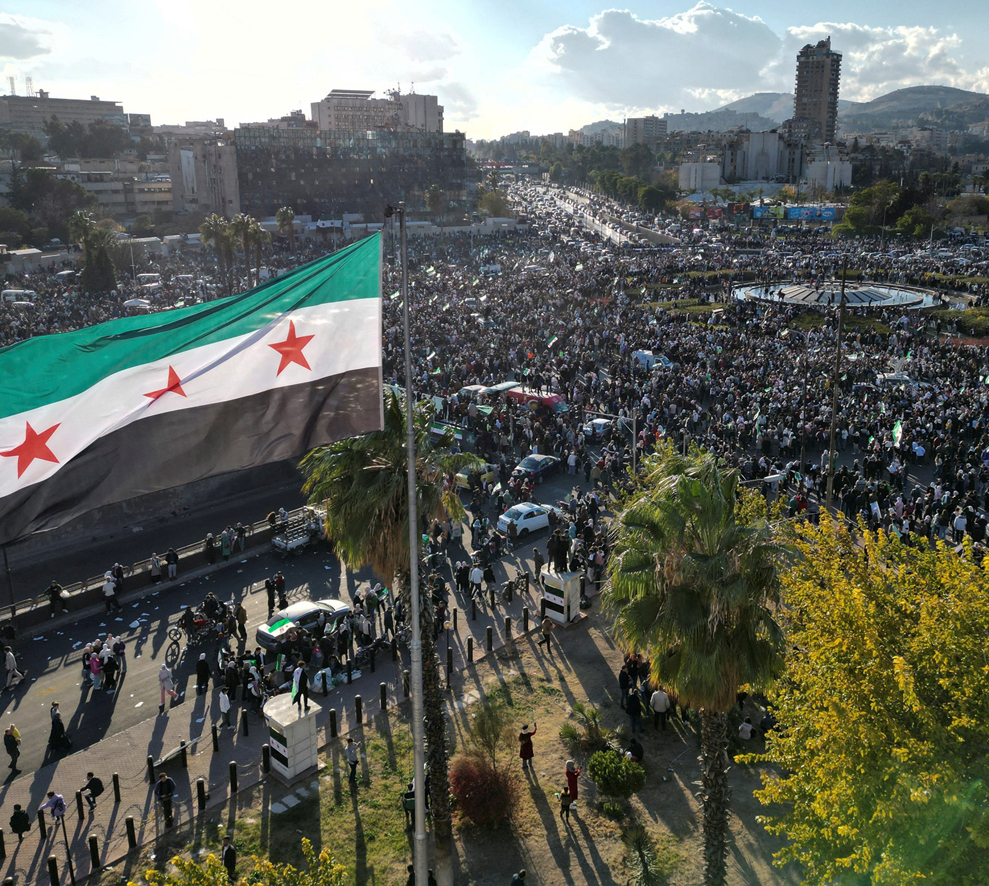
The process of rebuilding the Syrian army after the fall of the Assad regime faces structural and political challenges that hinder the formation of a unified national military institution. The current Syrian military landscape suffers from deep divisions, along with concerns about the ideological identity of the emerging army and its impact on internal cohesion and international stance. Moreover, there is limited representation of Syria’s diverse components within its structure. Therefore, the success of rebuilding the Syrian army depends on its ability to represent the diverse Syrian society and on the presence of international support conditioned by accountability and transparency.
Trump’s Gulf Tour and the Intersection of Regional and International Files
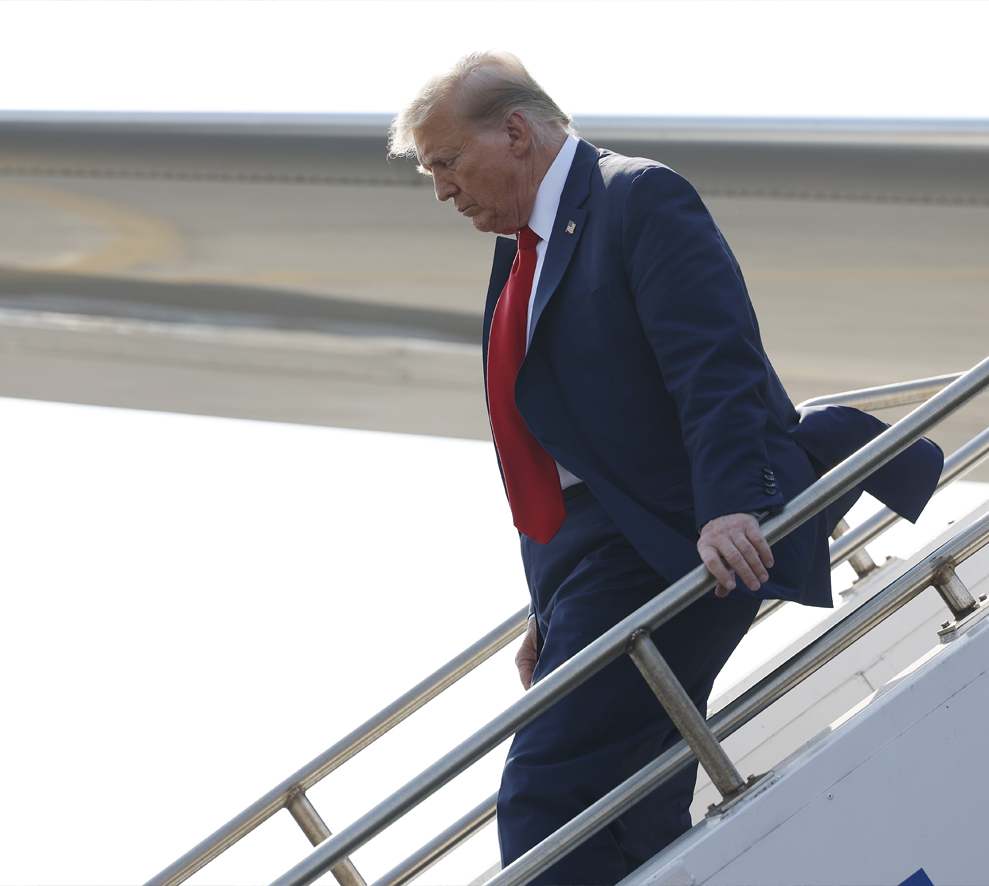
U.S. President Donald Trump departed for the Kingdom of Saudi Arabia on his first official foreign visit. His trip to the Gulf countries comes at a critical time in which the impact of regional changes intersects with the priorities of American policy. The visit highlights Gulf-American cooperation on vital issues such as Iranian policy, the Palestinian cause, and Arab-Israeli relations. Gulf countries are taking a leading role as key supporters of peace efforts, while Trump aims to focus on de-escalating conflicts and reducing the American military footprint in the region.
India-Pakistan Escalation Scenarios
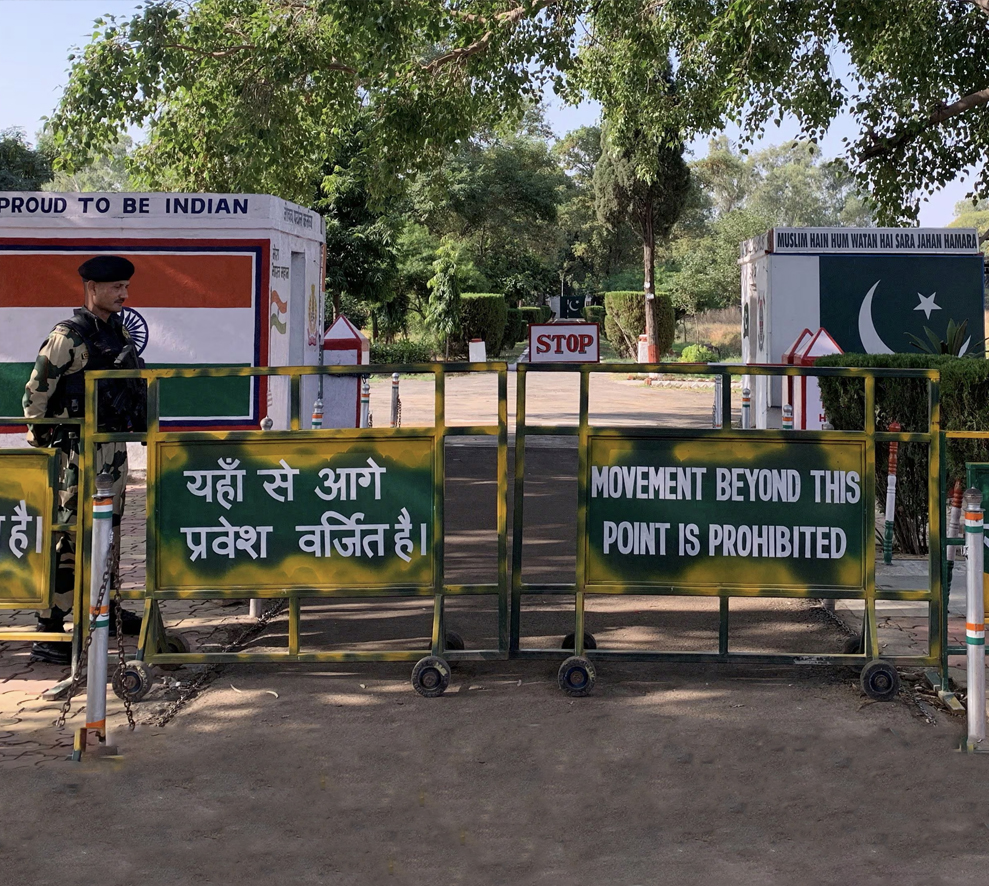
India and Pakistan stand on the brink of a new military confrontation following an armed attack in Kashmir that triggered a series of reciprocal retaliatory measures. The crisis has now escalated beyond a regional conflict, becoming entangled in the broader international rivalry between the United States and China. New Delhi is strategically aligned with Washington, while Islamabad remains a key partner of Beijing. As a result, India and Pakistan face two options: either wage a war of attrition that threatens regional stability or engage in a limited military escalation that leads to a temporary truce.
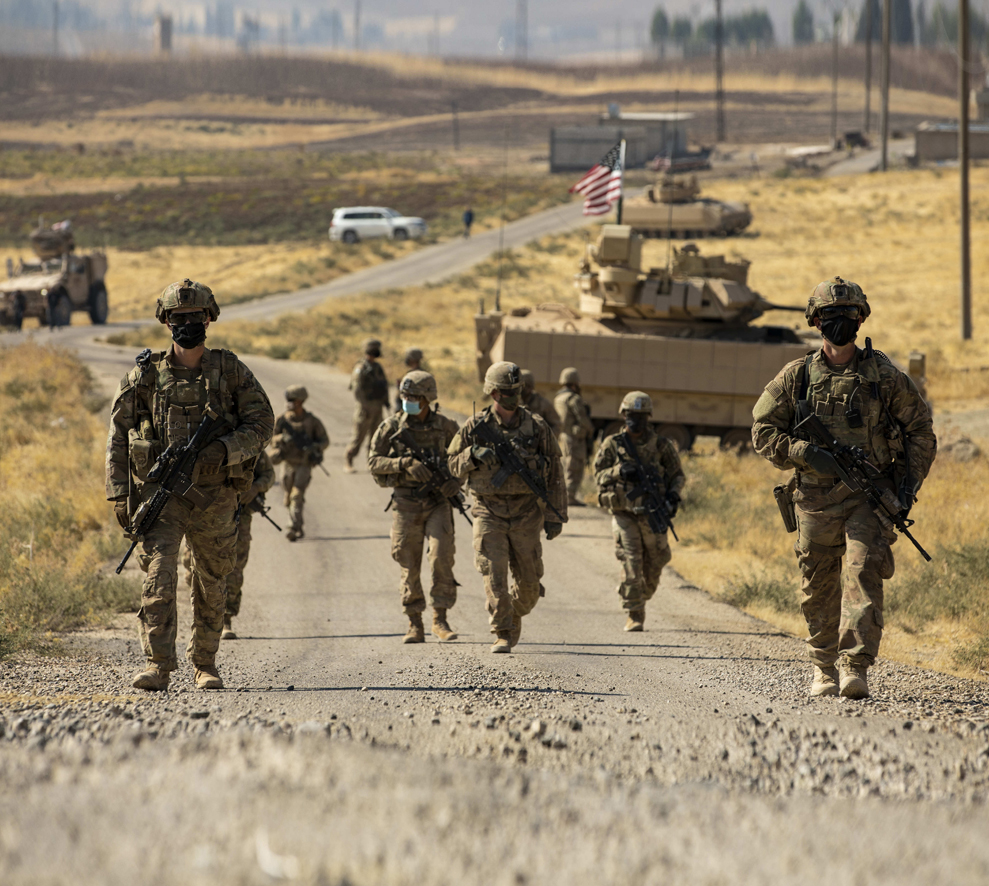
U.S. Presence in Syria: Changing the Attribute of Participation and Presence
This paper examines the future of the U.S. military presence in Syria within the context of rapidly evolving local and regional shifts. It also highlights how Washington, without direct military involvement, seeks to shape a political and security environment that serves its interests through monitoring the performance of the Syrian government and curbing the influence of Iran and extremist organizations. The paper links the repositioning of U.S. forces to a change in Washington’s perception of the Syrian government, specifically, its transformation into a political partner aligned with the regional environment.
Advertising space title
Description of the advertising space. Upon the client’s initial approval of the design, this text will be removed.
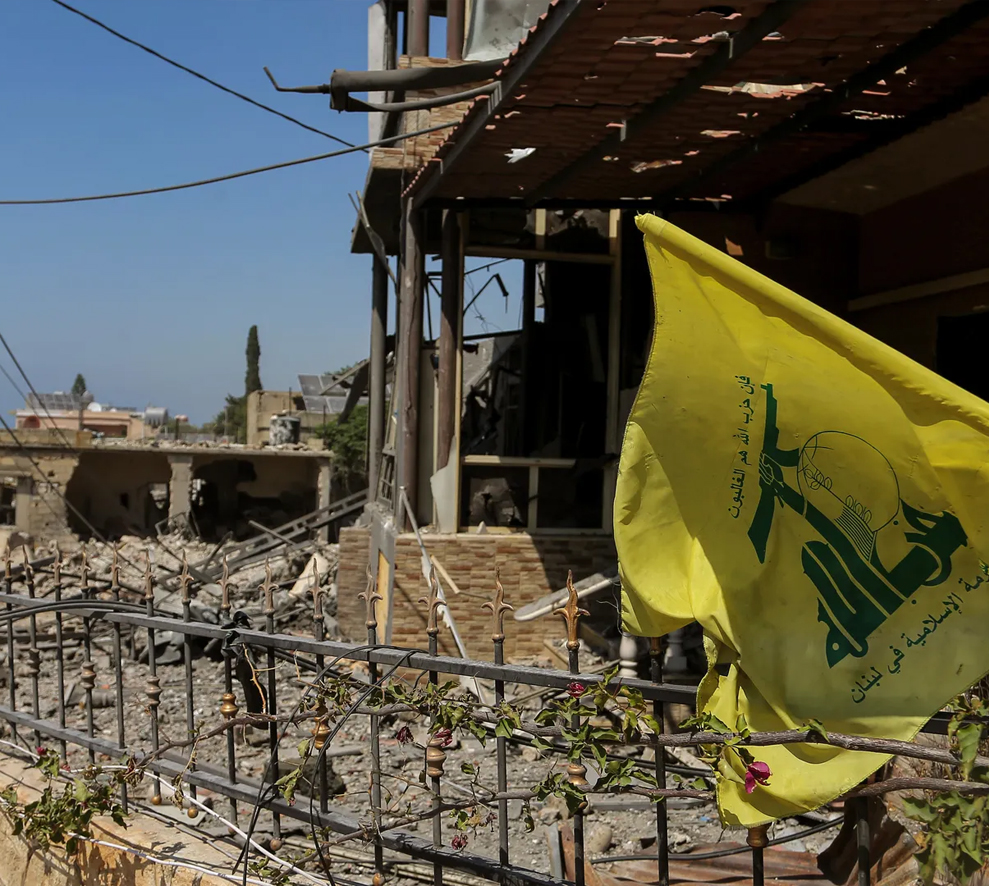
The Weapons of the Lebanese Hezbollah in the Post-War Reality
Lebanon is witnessing profound transformations resulting from the repercussions of the Gaza conflict, which has inflicted damage on Iran’s axis in the region, including Hezbollah. It seems that there is a shared understanding among the Lebanese, as well as regional and international actors, of the need to seize the moment to dismantle Hezbollah’s remaining weapons. In turn, Hezbollah feels compelled to make significant strategic concessions to preserve its political activities.
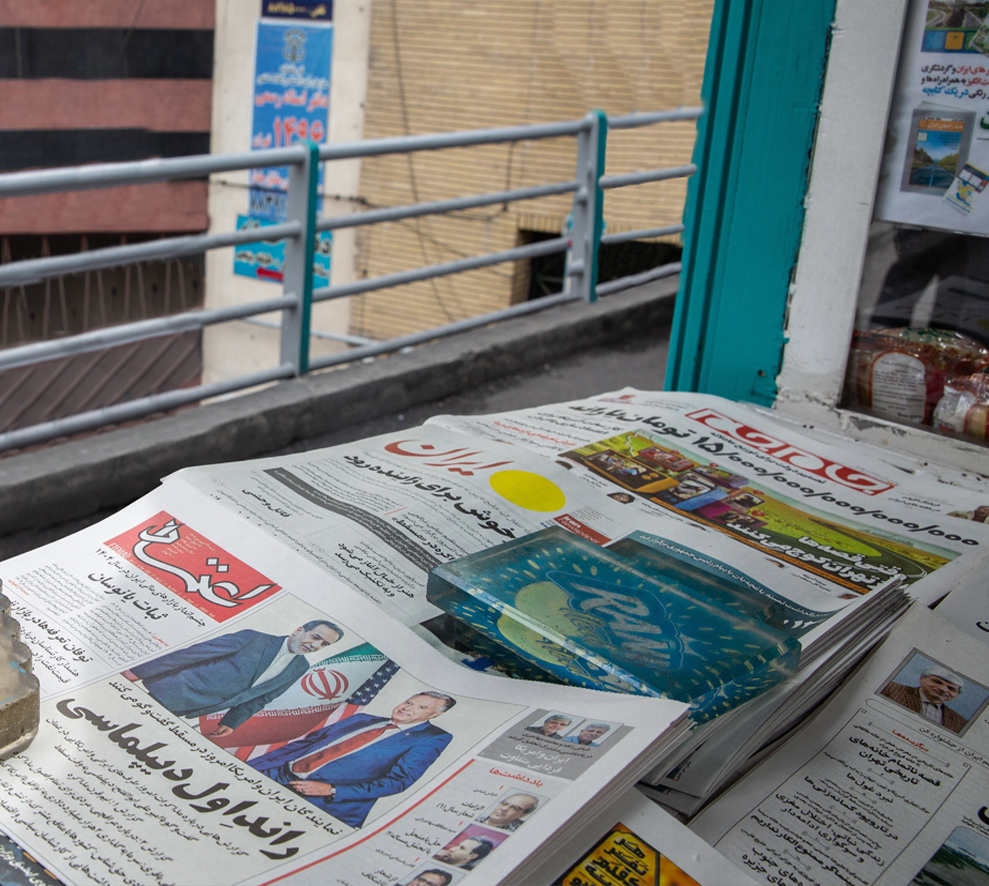
Washington and Tehran: A First Round of Semi-Direct Negotiations
By entering negotiations with the United States, Iran seeks to preserve its territorial integrity, maintain its political system, and avoid a potential U.S.-Israeli military strike on its nuclear facilities. However, it may also be trying to buy time in pursuit of long-term negotiations that could lead to both internal and external recovery, while also diffusing the momentum of military build-up and hostile intentions against it.
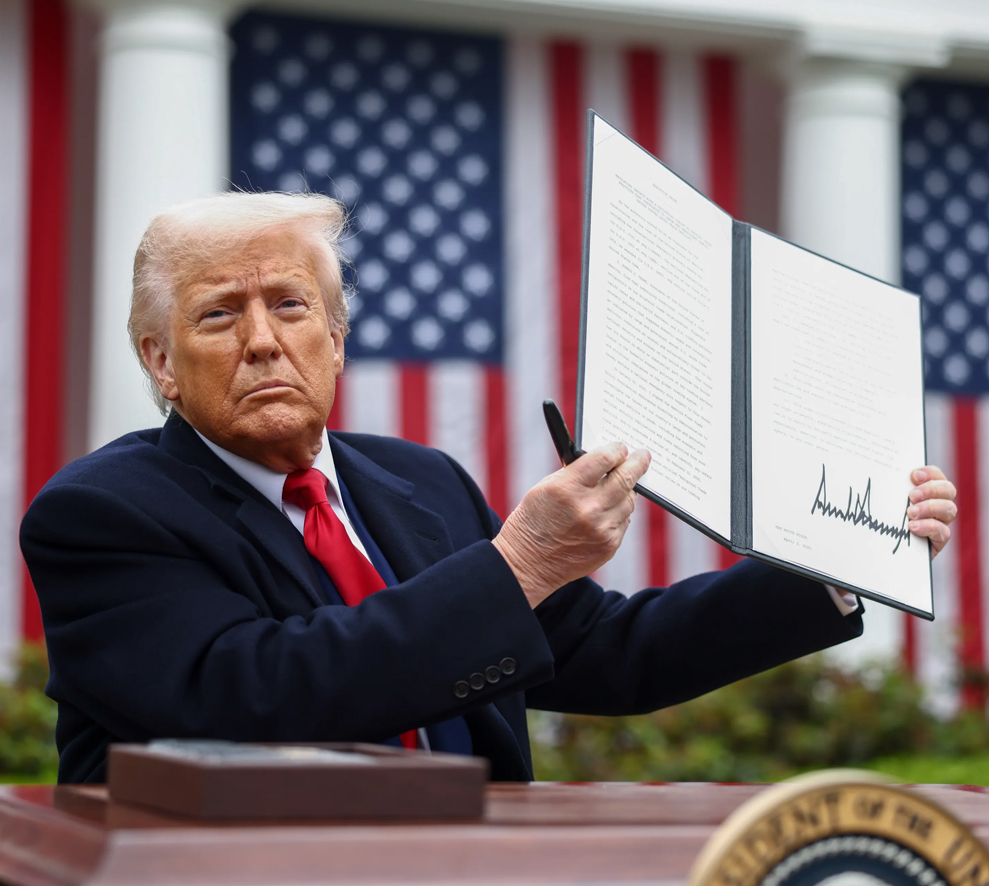
U.S. Tariffs: Shock to the Global Economy and International Markets
There appears to be a gap between the expectations of the U.S. administration and the reality that has emerged following the imposition of tariffs. The trajectory of both the American and global economies, as well as international trade relations, may spiral out of control in ways that will be difficult, if not impossible, to correct. Despite the temporary suspension of tariffs on countries that refrain from retaliatory measures, both the United States and China remain firmly committed to their retaliatory economic policies. This persistence alone could push the global economy into a dark tunnel of grim and uncertain scenarios.
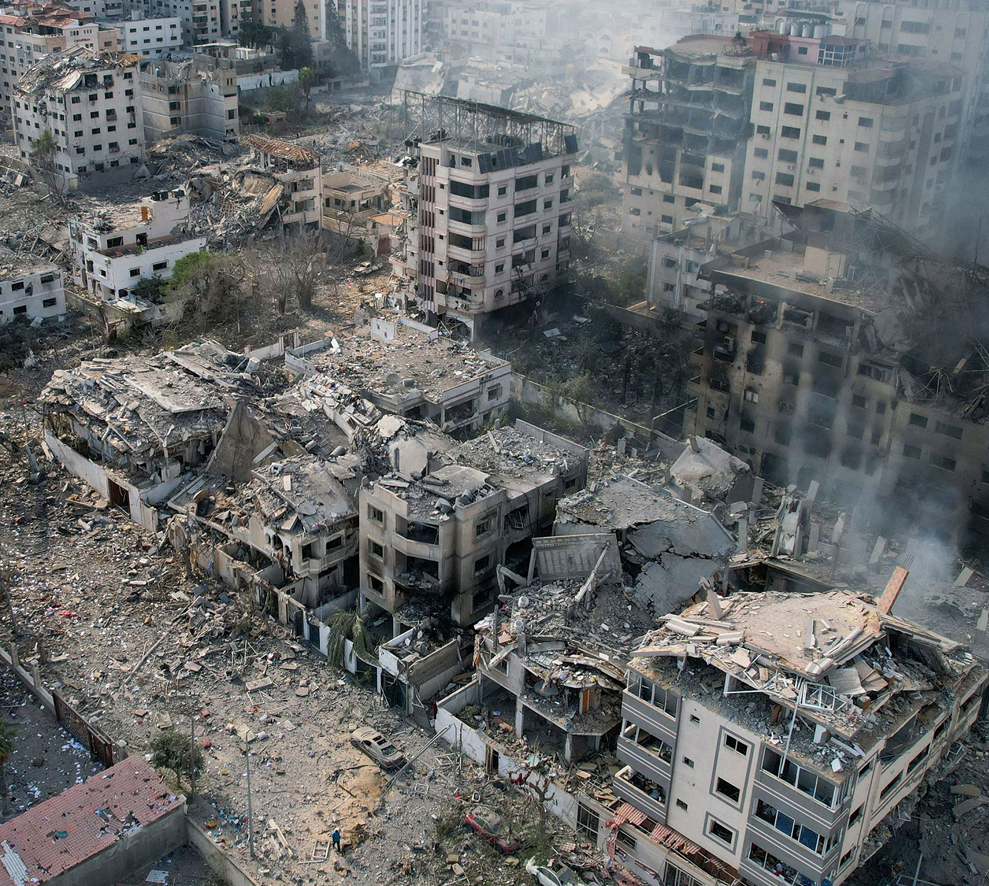
The Resumption of the War on Gaza: New Equation for Its Risks and Objectives
Israel’s resumption of military operations in the Gaza Strip comes after the failure of negotiations. It reflects strategic objectives that go beyond merely responding to the deadlock, aiming instead to redraw goals and reshape the geographical and demographic structure of the Strip through displacement, occupation, and the imposition of military rule.
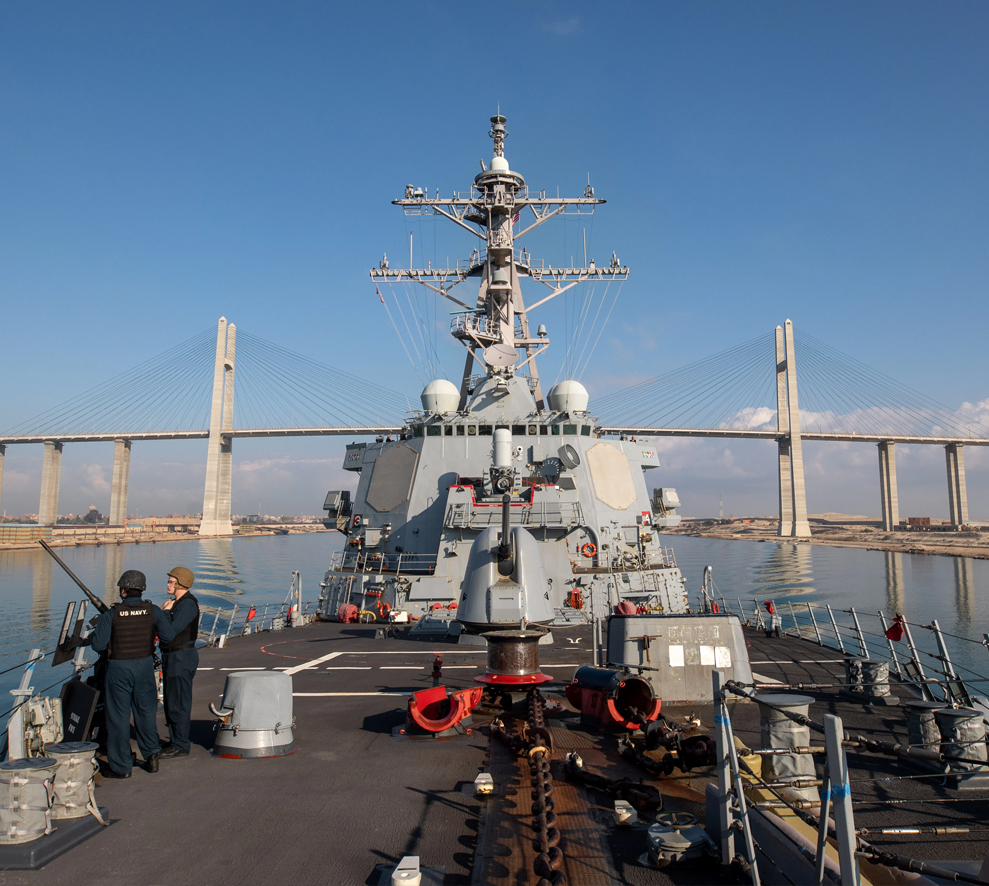
The U.S. Military Strikes Against the Houthis: The End of One War or the Beginning of Another?
The American military strikes against the Houthis come in light of the ongoing developments in the war in Gaza and the Houthis’ indirect role in it. These strikes coincide with the return of the “maximum pressure” policy against Iran, which U.S. President Donald Trump introduced during his first administration. The strikes aim not only to separate the Houthis from the main war arena in the Gaza Strip but to also separate them from Iran.