Situation Assessment
International Relations
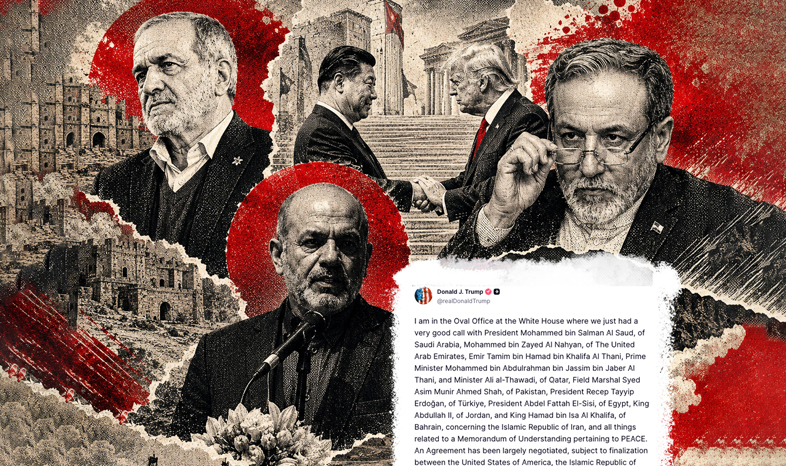
The Islamabad Negotiations: Between the Conflict of Wills and Rules of Engagement
International and Global Trends
U.S.- Iran Negotiations: A State of Ambiguity and Uncertainty
Regional Trends
After the Assassination of Khamenei: Scenarios for the Third Supreme Leader
International and Global Trends
Israeli-U.S. Military Operation Scenarios and Iranian Responses
Regional Trends
The Syrian-Iraqi Border: Reshaping the Geopolitical Space of the Middle East
Filter by:
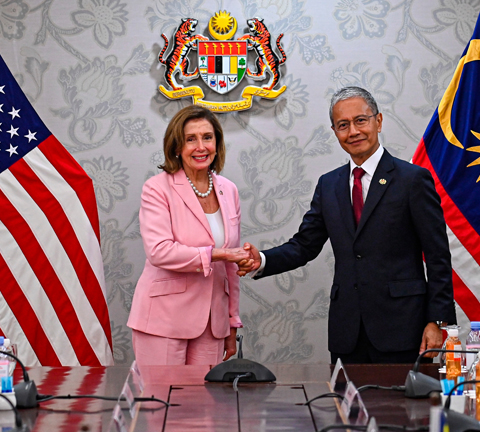
Is China’s Military Response to Pelosi's Visit Over?
Position Assessment | This paper addresses the potential possibilities of China’s military response to the visit of U.S. Speaker of the House of Representatives Nancy Pelosi to Taiwan. This assessment also examines the seriousness of Washington and Beijing’s statements toward the Taiwan and the role of economic relations in reducing tensions.
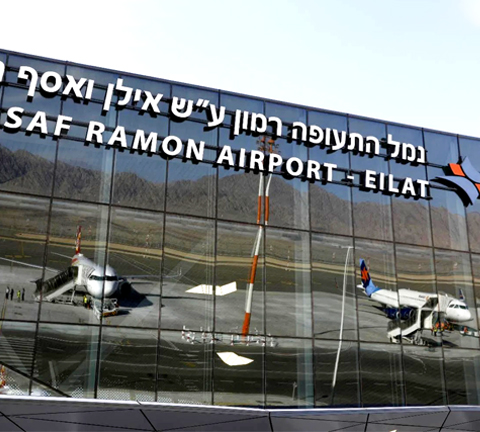
Ramon Airport: Consequences and Effect on Jordan
Policy analysis| This analysis tackles the Israeli announcement of launching the Palestinian West Bank passengers' first flights to Cyprus through Ramon Airport. The analysis seeks to analyze the consequences on Jordan, as well as the direct and indirect implications, via analyzing the Israeli motives, and reviewing the undeclared interests of the relevant parties.
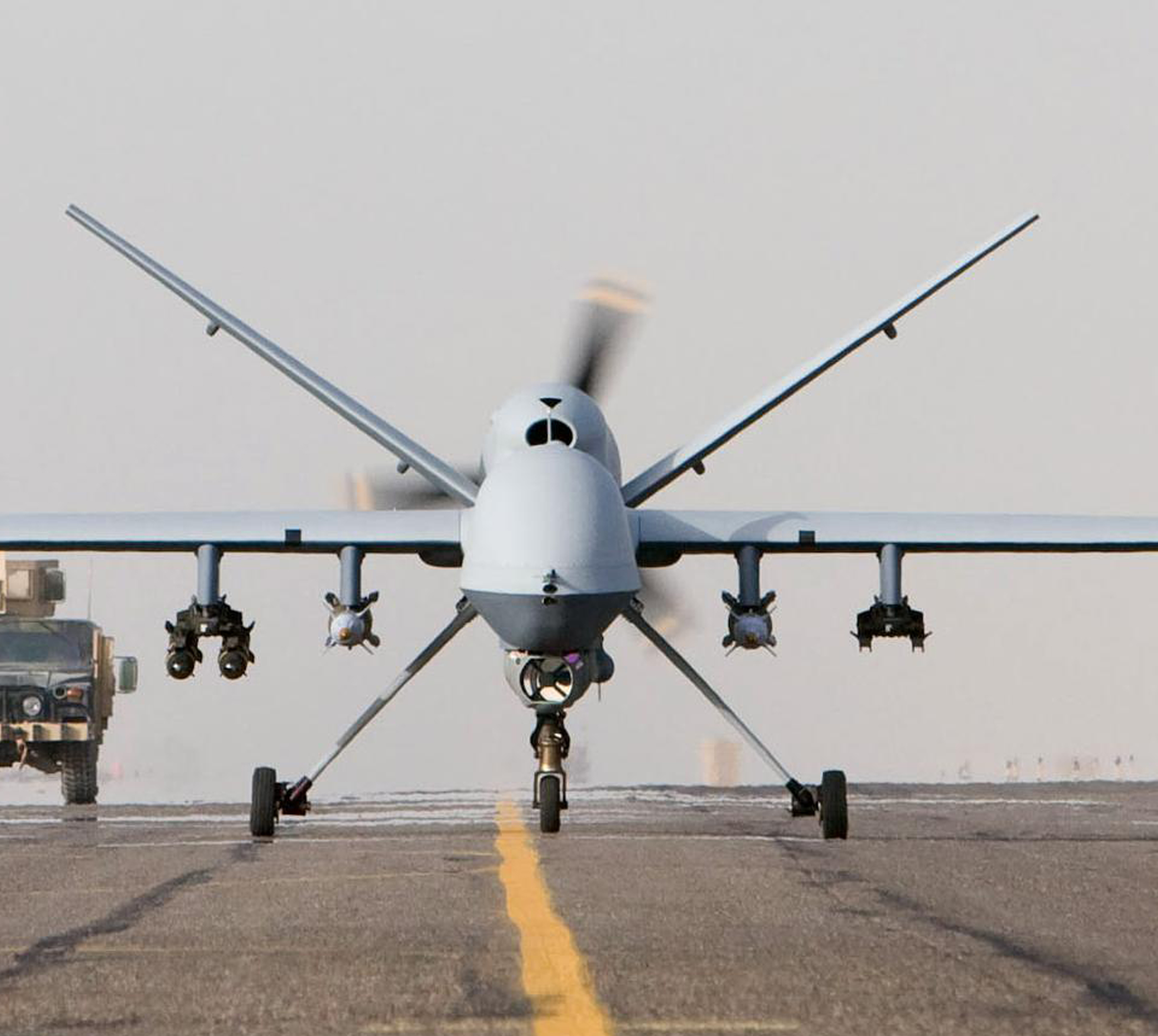
The “Decapitation” Strategy, Impact and Effectiveness: Al-Aqal and Al-Zawahiri as a Model
Policy analysis| This analysis examines one of the most prominent strategies in the context of counterterrorism, known as the "hard hammer" or "Decapitation" by the leaders of terrorist groups. As well as the historical development and the effectiveness of this strategy in creating, leadership gaps within terrorist organizations, and crises in choosing a successor, where such crises reached the point of divisions and defections. This analysis, then, addresses the decline and end of those organizations.
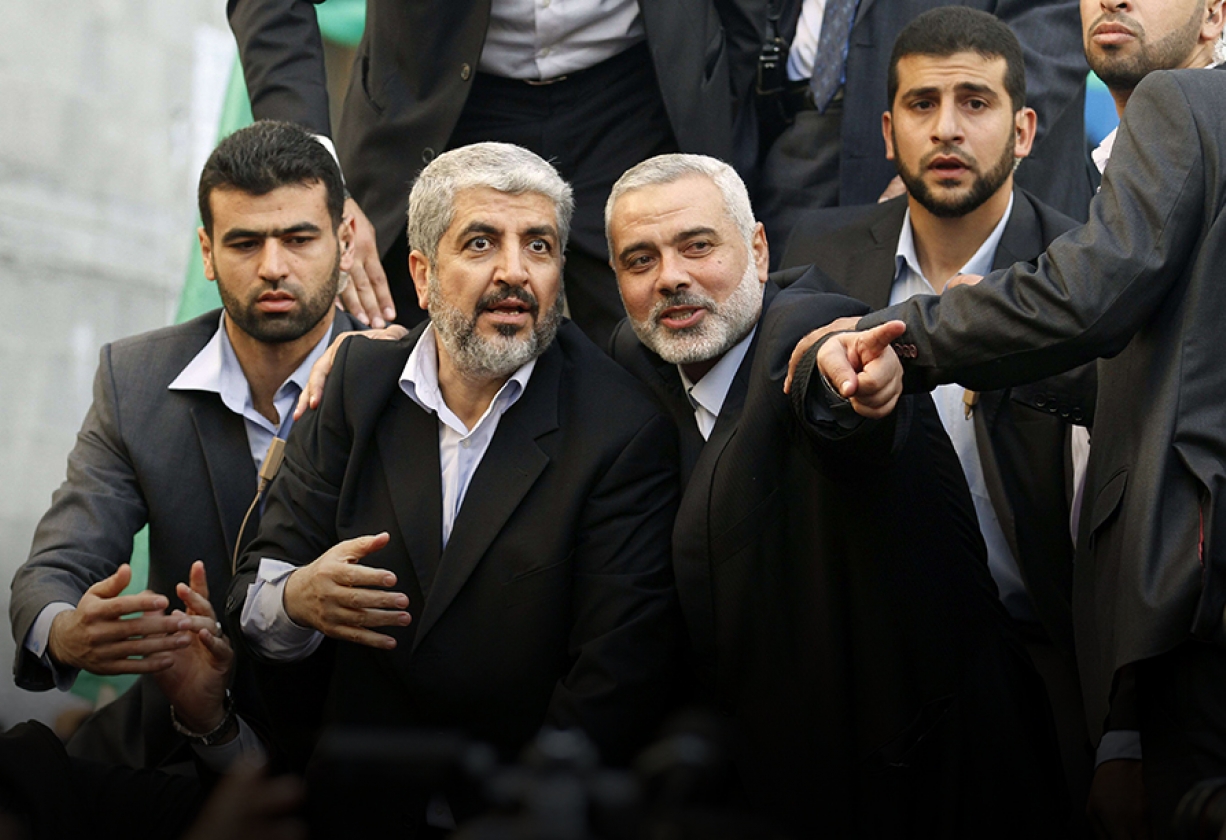
A NEW PHASE IN HAMAS POLITICAL PROJECT
This paper touches upon "Hamas" Movement's attitude towards the escalation between Israel and the Islamic Jihad Movement in Gaza Strip following the assassination of military leaders as well as a group of activists in the Islamic Jihad Movement, and it addresses the reasons for Hamas's neutrality towards military intervention against the Israeli attacks, and its demands to stop them without threatening to respond or participate in the process.
Advertising space title
Description of the advertising space. Upon the client’s initial approval of the design, this text will be removed.

Where would the Lebanese-Israeli Maritime Conflict Lead to?
This paper estimates the legal position of the maritime border dispute between Lebanon and Israel, which is related to the right to use the resources in the disputed waters. This paper also considers to the possible scenarios of this conflict, in accordance with domestic and external considerations, within which Lebanon and Israel are taking their moves.
Biden in the Middle East: Searching for a New Regional Equation
This paper presents a reading of the nature of current U.S. foreign policy interactions with the Middle East environment. With a critical method, this paper reviews the most significant features of President Joe Biden's trip to the region. The paper also argues the fallacies of U.S. withdrawal and the emergence of a multipolar world. The paper is concluded in demonstrating the importance of regional balance to reduce -or neutralize- the major conflicts.
The Future of Russian-Japanese Relations in the Light of the Ukrainian Crisis
This paper addresses the Japanese policies and their future in the light of the Russian-Ukrainian crisis. The paper also addresses Japan's reactions to such policies. This paper reviews the nature of Russian-Japanese relations, and it examines the case of the Kuril Islands as one of the outstanding files between Tokyo and Moscow, since the end of World War II.
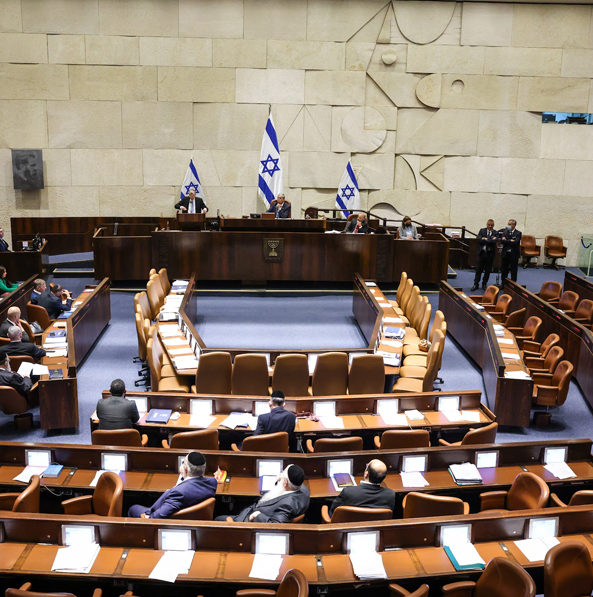
What’s after the Decision to Dissolve Knesset?
This paper addresses the decision of the Israeli Prime Minister, Naftali Bennett's, to dissolute the Israeli Knesset, and head towards early parliamentary elections, after he failed to pass (Extending judicial proceedings in the West Bank) law. This paper also addresses the future of that law in light such situation, the nature of the anticipatory context of that decision, and its main objectives. As well as possible last-minute options for the future of the government coalition in Israel.
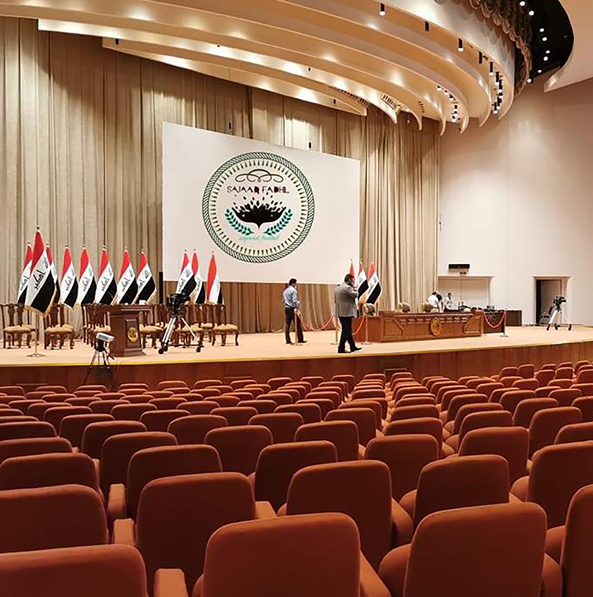
The withdrawal of the Sadrist alliance opens the door to new scenarios
The paper represents a reading of the political scene in Iraq after the resignation of the Sadrist movement's members, and attempts to explain the reasons for this resignation and its merits. It draws future scenarios that the Sadrist movement may resort to for solving the political gridlock in the country