Situation Assessment
International Relations
The Islamabad Negotiations: Between the Conflict of Wills and Rules of Engagement
International and Global Trends
U.S.- Iran Negotiations: A State of Ambiguity and Uncertainty
Regional Trends
After the Assassination of Khamenei: Scenarios for the Third Supreme Leader
International and Global Trends
Israeli-U.S. Military Operation Scenarios and Iranian Responses
Regional Trends
The Syrian-Iraqi Border: Reshaping the Geopolitical Space of the Middle East
Filter by:
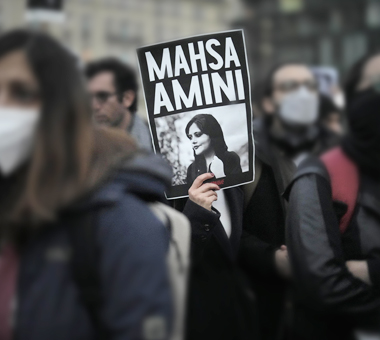
Iranian Protests over the Killing of "Mahsa Amini" and the Limits of Influence
Position Paper | This paper addresses popular protests in Iranian cities, raising many important questions, such as: What are the limits of the impact of these protests on the Iranian regime? Will such protests this time be different from the previous protests the country witnessed? What are the limits of external support for the protests, and how does that support affect the protests tracks?
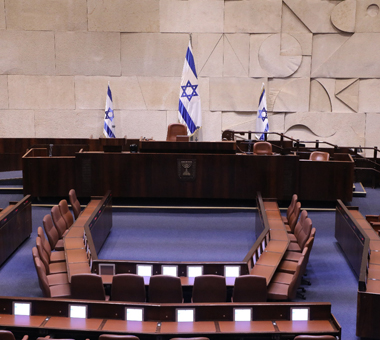
How will the Arab Parties' Alliances Change the Israeli Landscape in the Upcoming Elections?
Policy Analysis| This paper addresses the issue of Arab parties in Israel running for the twenty-fifth Knesset elections, with three separate electoral lists. The paper seeks to extrapolate the expected results of such running, by analyzing the reality of these parties, as well as their electoral experiences, in the light of calculations of interests and concessions.
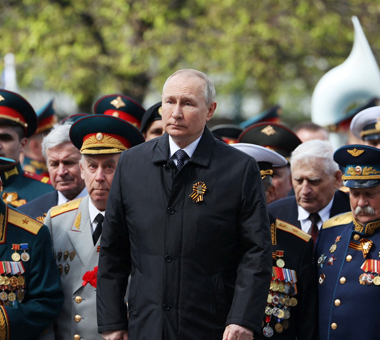
Declaring Partial Military Mobilization in Russia: Analyzing Dimensions and Betting
Position Assessment | Russian President Vladimir Putin's announcement of partial military mobilization in Russia is discussed herein, at a time when local authorities in areas controlled by the Russian military are about to hold a referendum on their independence from Ukraine. This could mean the Ukrainian crisis is entering a new phase in which the repercussions on international peace and security could be serious.
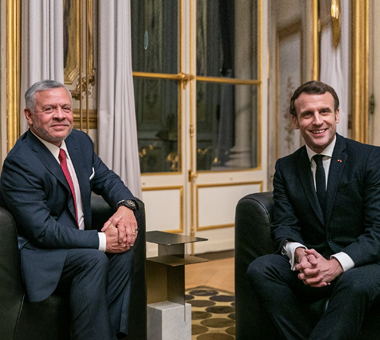
The Visit of His Majesty King Abdullah II to France: Timing and Indications
Position Assessment | This paper addresses the visit of His Majesty King Abdullah II bin Al Hussein to France, on the fourteenth of September 2022, and also the most important issues of common interest.
Advertising space title
Description of the advertising space. Upon the client’s initial approval of the design, this text will be removed.
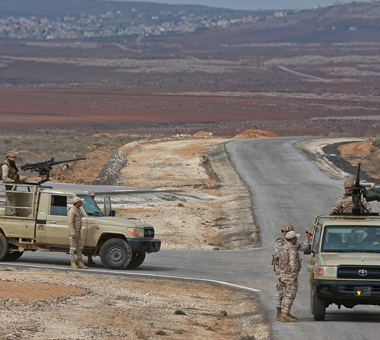
Did Jordanian-Syrian Relation Pass Narcotics Test?
This paper examines the developments of Jordanian-Syrian relations in facing a shared challenge: transnational drug gangs, which has proven to be an important factor in shaping the nature and premises of their joint agreements. From this viewpoint, the paper assesses the strengths and weaknesses in the understandings between the two countries.
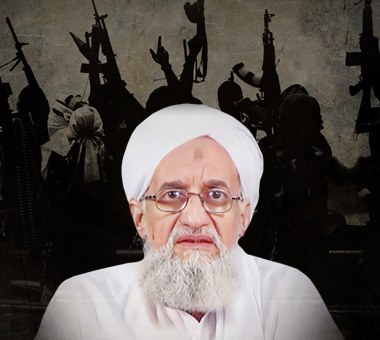
Al-Qaeda Post-Zawahiri: Structure, Crisis, and Future
Position Assessment| This article seeks to extrapolate the fate of al-Qaeda after the demise of its leader, Ayman al-Zawahiri. Such exploration analyzes the reality of al-Qaeda at its structural and operational levels; the crises it is suffering; and the future of al-Qaeda as well as its branches, and the prospects for change in al-Qaeda’s ideological discourses, network of relations, and positions on the ground.
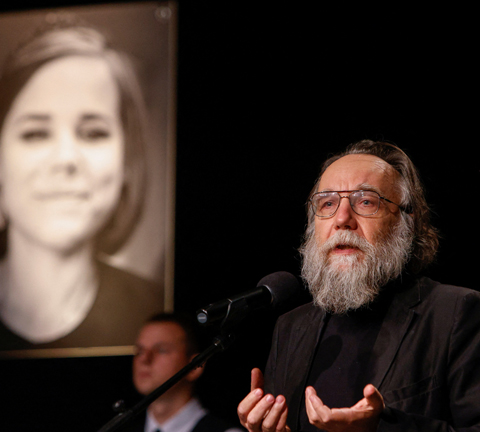
Alexander Dugin and the "Eurasian" System: Philosophy and Strategy
This paper tackles the attempted assassination of the Russian political philosopher Alexander Dugin, seeking to find the reasons behind such an attempt by analyzing Dugin’s philosophical and strategic system, and its role in guiding Russian policies.
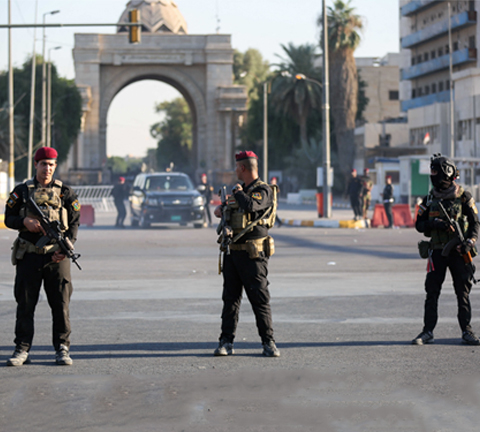
The Federal Court Ruling Places Iraq Before Open Scenarios
Position Assessment| This paper addresses the consequences of the political crisis in Iraq, in light of what can be described as the persistence of the crisis parties on their positions and demands, regardless of what will be the decision of the Federal Court regarding the dissolution of the current parliament, holding of new elections, or remaining neutral under the pretext of no competence.
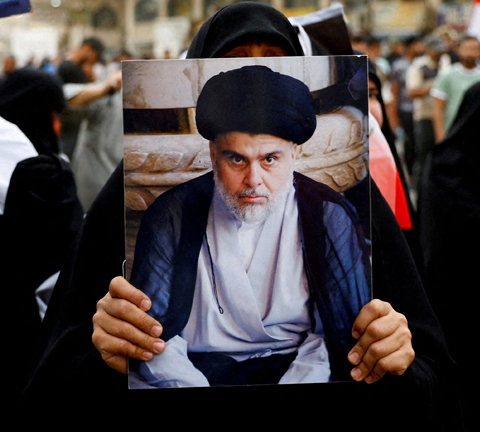
Al-Sadr Retirement: Crawling from the Dome to the Palace
Position Assessment| This paper addresses the dimensions and underlying reasons that prompted Iraqi leader Muqtada al-Sadr to retire from the political life. Several stages preceded the decision, starting with the withdrawal of his deputies from parliament, then the sit-in in front of the Supreme Judicial Council, and ending with his supporters storming the Republican Palace after to the announcement of his retirement.