Situation Assessment
International Relations
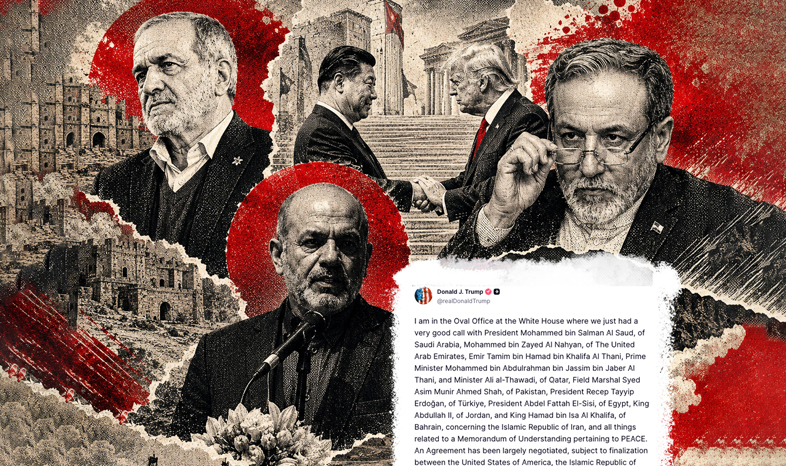
The Islamabad Negotiations: Between the Conflict of Wills and Rules of Engagement
International and Global Trends
U.S.- Iran Negotiations: A State of Ambiguity and Uncertainty
Regional Trends
After the Assassination of Khamenei: Scenarios for the Third Supreme Leader
International and Global Trends
Israeli-U.S. Military Operation Scenarios and Iranian Responses
Regional Trends
The Syrian-Iraqi Border: Reshaping the Geopolitical Space of the Middle East
Filter by:
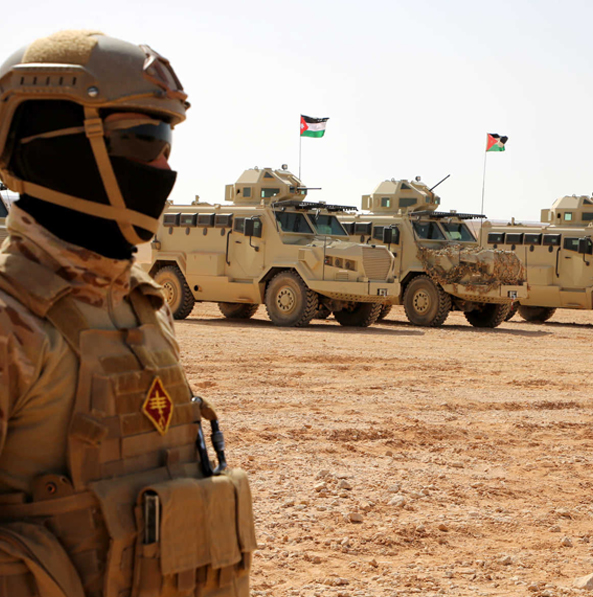
What is new in Jordan's war on drugs?
This paper addresses challenges on Jordan's northern borders, especially in light of talk of a Russian withdrawal, which may strengthen the control of Iranian-backed groups responsible for cross-border drug smuggling.
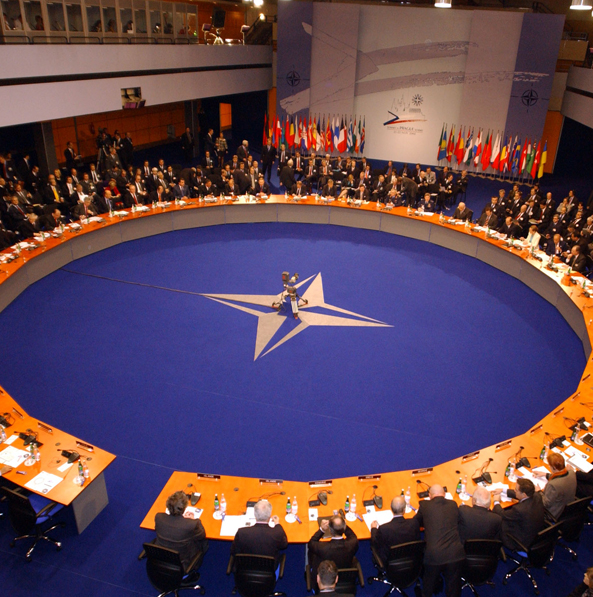
The expansion of "NATO" and its impact on the concepts of European neutrality and security
The paper tackles the impact of NATO expansion after Finland and Sweden submitted applications to join it on the concepts of neutrality and the changes that affected its role in establishing security and stability for the European continent. It examines the geopolitical and strategic repercussions on the various parties (Russia, Europe and the Atlantic).
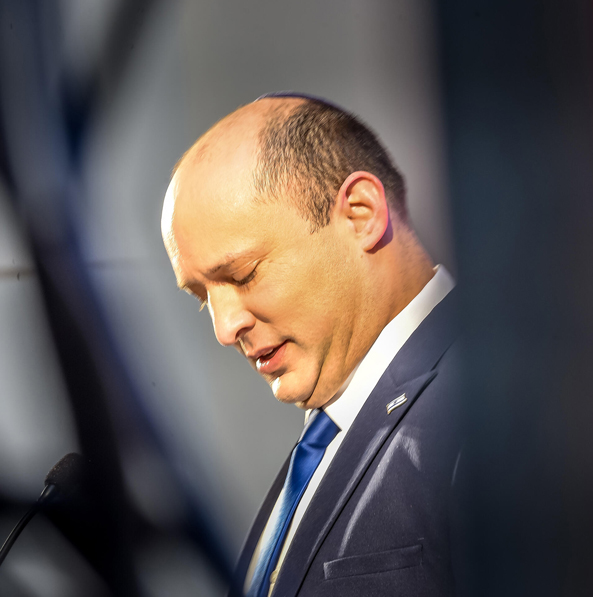
The Government of Impossible Balances: Scenarios and Policies
This paper addresses the scenarios after the Knesset and the left-wing Meretz Party member, Ghaida Zoabi's, resigned from Israel's government coalition, then retracted her resignation, as well as the
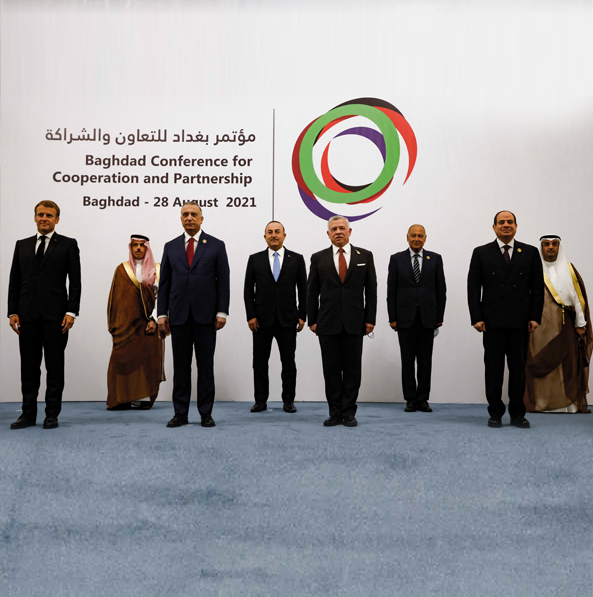
How Far Can the Reconciliations in the Region may Stand?
This Policy Paper examines the Middle Eastern countries orientation to explore the opportunities and mechanisms of cooperation among themselves to manage conflicts, and seeks to answer a key question: would the reconciliations in the region stand and reflect positively on regional realities, or is such reconciliations a temporary trend, which its results will remain limited?
Advertising space title
Description of the advertising space. Upon the client’s initial approval of the design, this text will be removed.
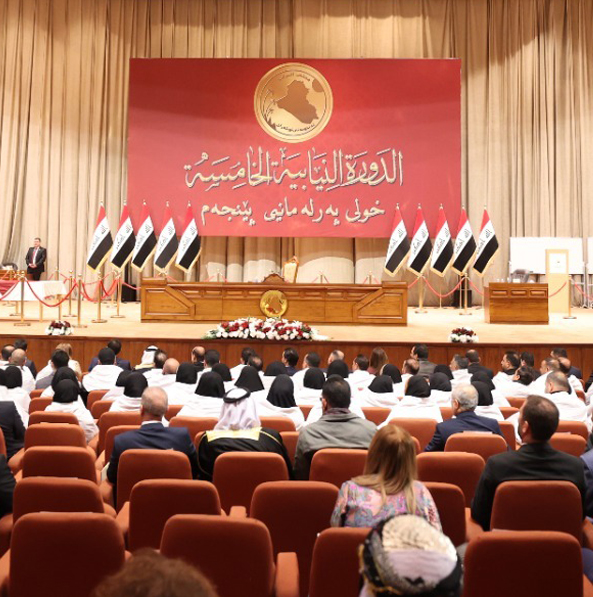
The independents have a hand in the Iraqi government formation crisis
This policy paper presents a reading of the phenomenon of independents candidate in Iraq, with its dimensions, causes, and repercussions on the current political scene, especially in their role as an alternative to traditional forces, and as a third party in the Iraqi government formation crisis.
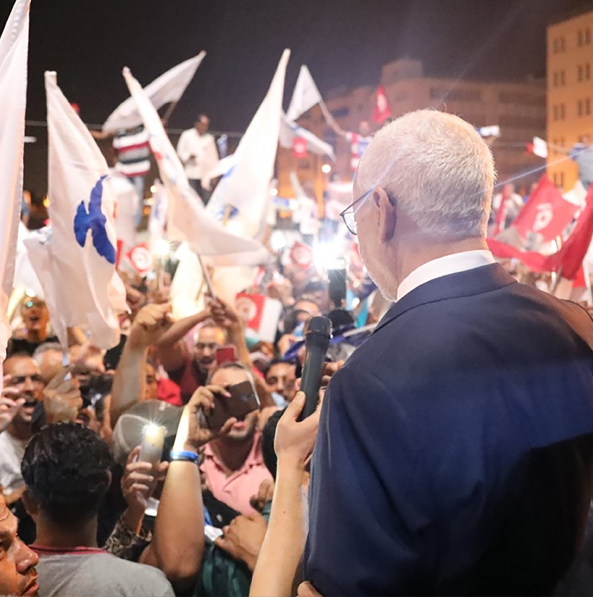
Political Islam: A Critique of Discourse and Content
This paper sheds light on the ideology of Political Islam groups during the seventies and eighties of the past century, and the impact this ideology made on how these groups dealing with concepts of authority, in addition to how they judged, from their narrow perspective associated with their partisan organizations and misperceptions.
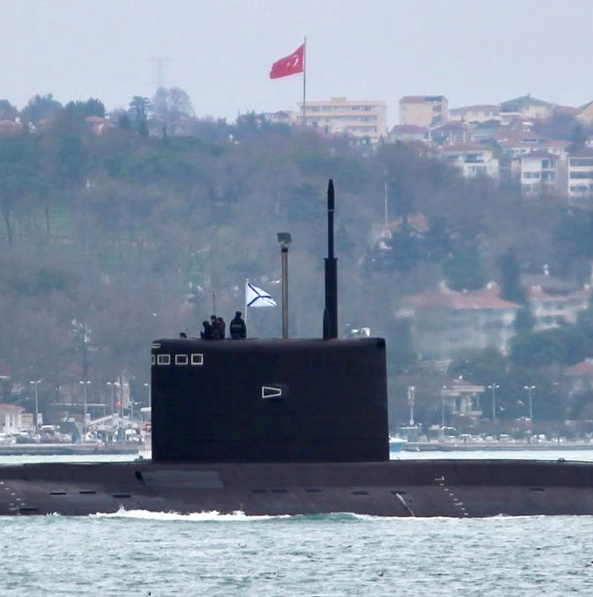
Military Features of Turkey's Role in the Ukrainian Crisis
This report outlines the major military features of Turkey's role in the Ukrainian Crisis and evaluates reflections of this engagement on both Ukrainian and Russian Crises. It also discusses the potential political consequences that Ankara might encounter amidst the strive to control an attitude towards the Ukrainian Crisis.
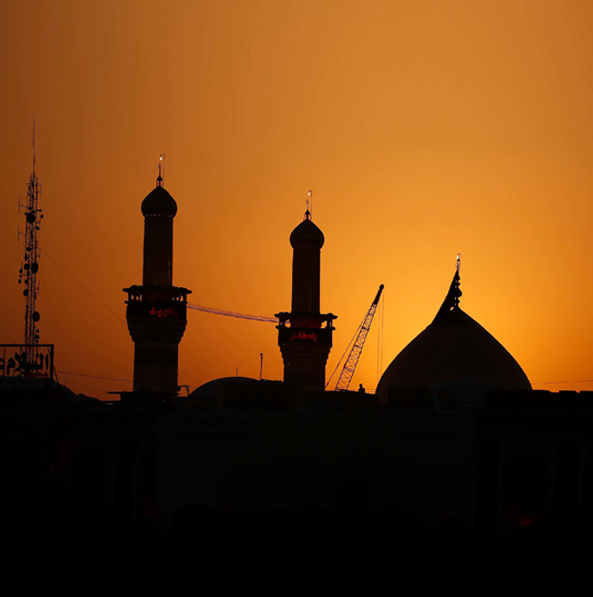
TOWARDS EFFECTIVE ARAB SHI'ISM AND HAWZA: THE CONCEPT, THE PROBLEMS, AND THE CHALLENGES
This paper highlights the emergence of contemporary Arab Shi'ism, its features, and its distinction from political Shi'ism, that has its ideological and intellectual reference associated with the "al-Wali al-Faqih", in addition to the ways available to enable "Arab Shi'ism" in the face of the excessive expansion of Iranian Shi'ism.
.jpg)
THE REGIONAL SYSTEM AFTER THE EXPECTED NUCLEAR AGREEMENT, IS IT A STEP "FORWARD" OR "BACKWARD"?
This paper presents a hypothetical analysis of the potential intrinsic changes in the Middle East as a consequence of success in Vienna's negotiations and the repercussions they impose on the form of interactions, alliances and balance of powers in the region driven by the key question: Would the nuclear agreement allow prevailing a phase of stability and calm in the region, or would it lead to a new more serious phase of turmoil, tension and instability or possibly an armed confrontation?