Analyses
Politics
test analyses
Politics
test
Regional Trends
After the Assassination of Khamenei: Scenarios for the Third Supreme Leader
International and Global Trends
Israeli-U.S. Military Operation Scenarios and Iranian Responses
International and Global Trends
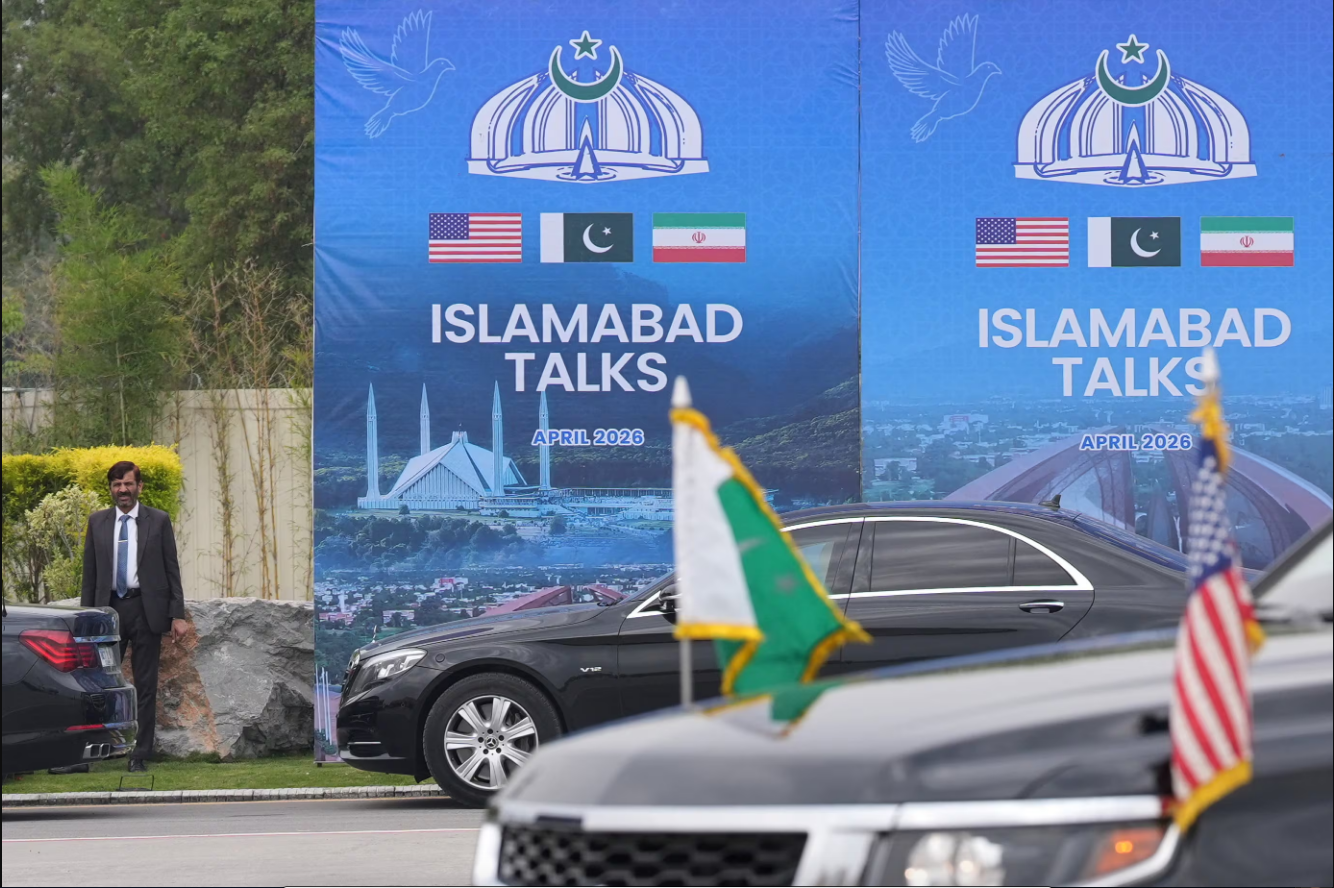
Washington and Tehran: Negotiations Under the Hammer of Military Buildup
Filter by:

Washington and Tehran: A First Round of Semi-Direct Negotiations
By entering negotiations with the United States, Iran seeks to preserve its territorial integrity, maintain its political system, and avoid a potential U.S.-Israeli military strike on its nuclear facilities. However, it may also be trying to buy time in pursuit of long-term negotiations that could lead to both internal and external recovery, while also diffusing the momentum of military build-up and hostile intentions against it.
U.S. Tariffs: Shock to the Global Economy and International Markets
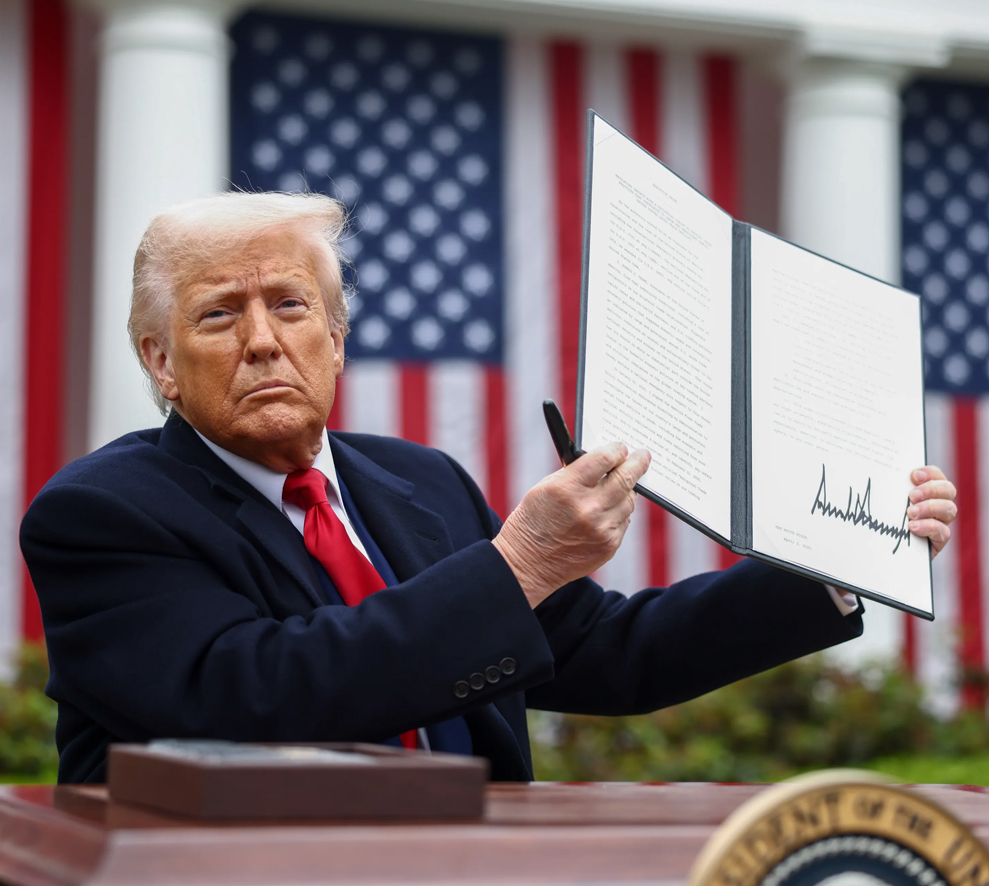
There appears to be a gap between the expectations of the U.S. administration and the reality that has emerged following the imposition of tariffs. The trajectory of both the American and global economies, as well as international trade relations, may spiral out of control in ways that will be difficult, if not impossible, to correct. Despite the temporary suspension of tariffs on countries that refrain from retaliatory measures, both the United States and China remain firmly committed to their retaliatory economic policies. This persistence alone could push the global economy into a dark tunnel of grim and uncertain scenarios.
The Resumption of the War on Gaza: New Equation for Its Risks and Objectives
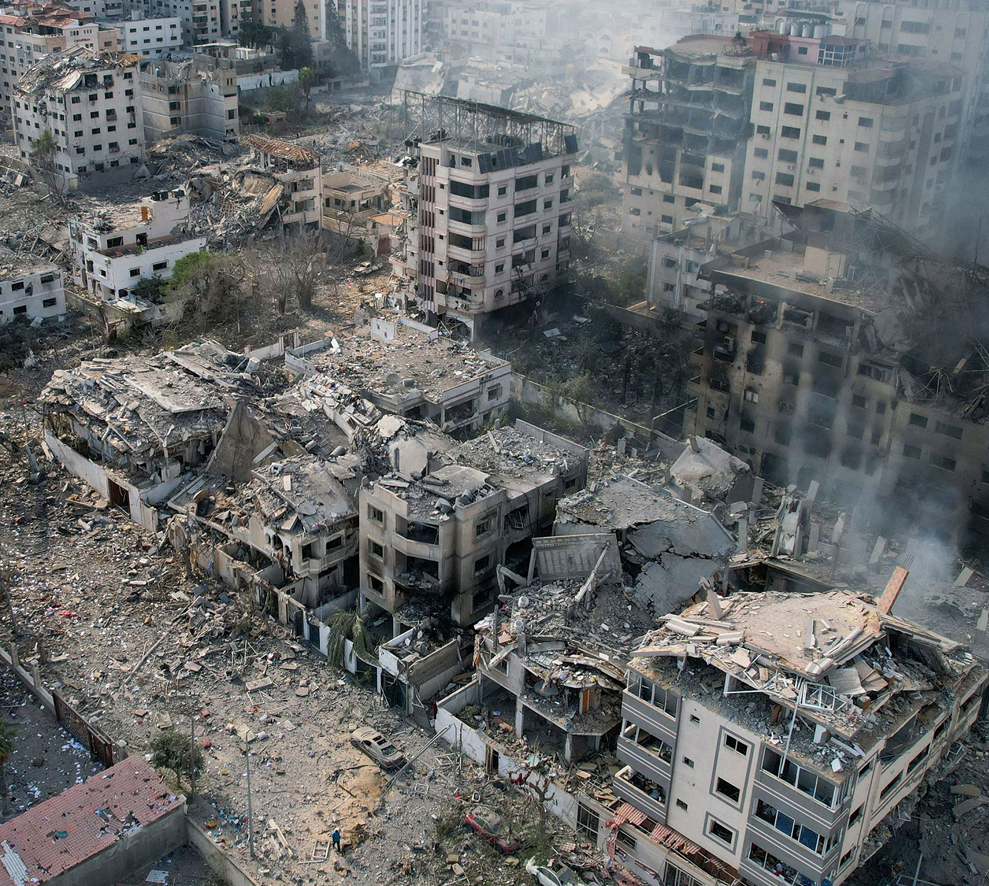
Israel’s resumption of military operations in the Gaza Strip comes after the failure of negotiations. It reflects strategic objectives that go beyond merely responding to the deadlock, aiming instead to redraw goals and reshape the geographical and demographic structure of the Strip through displacement, occupation, and the imposition of military rule.
Rebuilding the Syrian Economy After a 14-Year Crisis
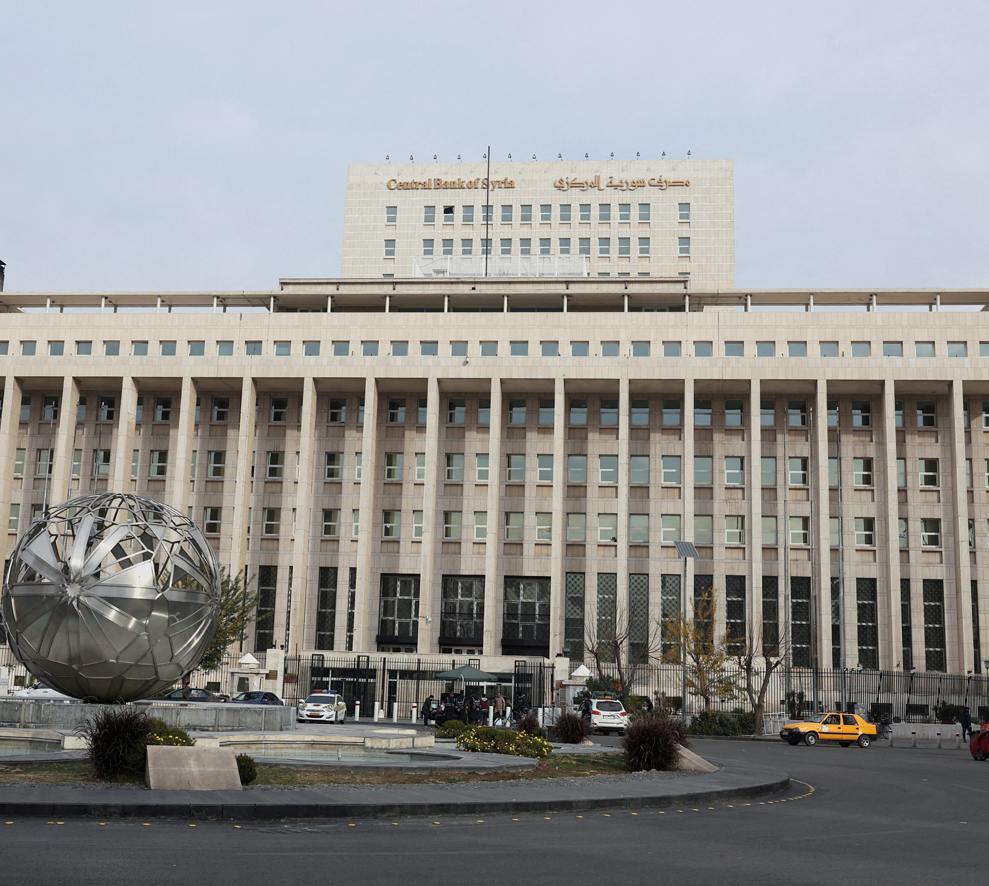
The economic sanctions imposed on Syria since 2011 are one of the most prominent obstacles to any economic recovery, as these sanctions led to the deepening of the humanitarian crisis and hindered reconstruction. These sanctions are imposed, mainly by the United States and the European Union, on vital sectors such as oil, gas, banking, and foreign investments.
Advertising space title
Description of the advertising space. Upon the client’s initial approval of the design, this text will be removed.
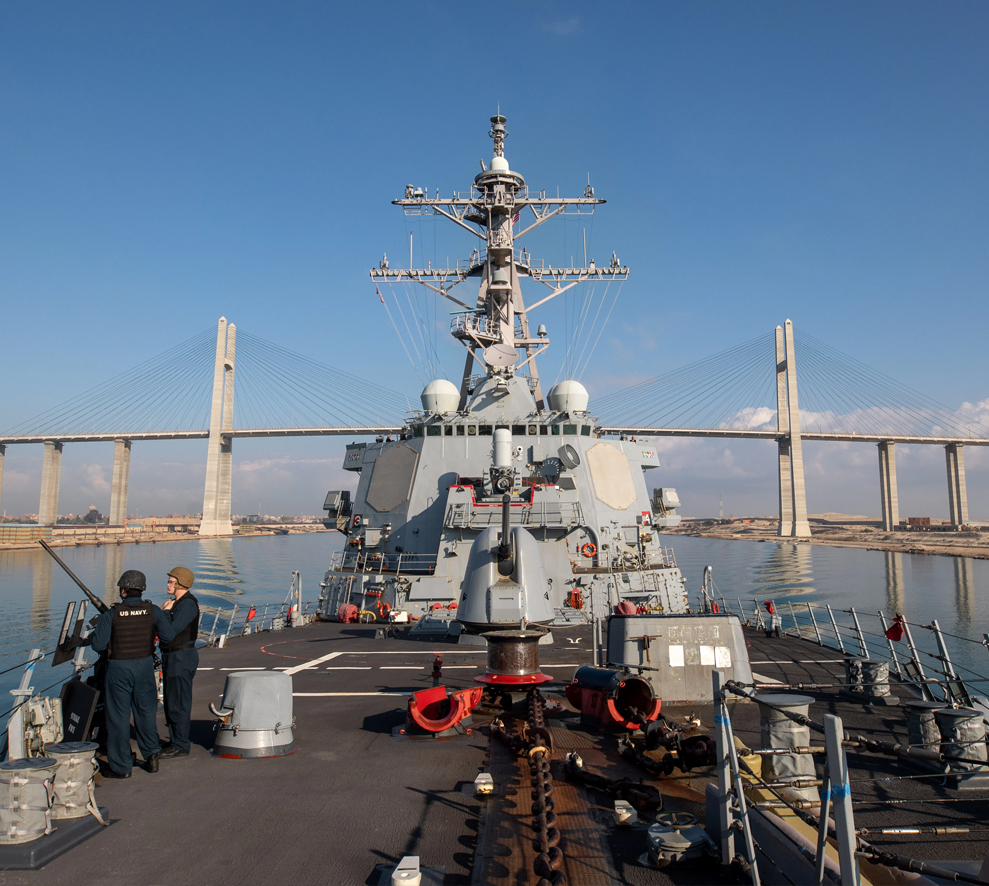
The U.S. Military Strikes Against the Houthis: The End of One War or the Beginning of Another?
The American military strikes against the Houthis come in light of the ongoing developments in the war in Gaza and the Houthis’ indirect role in it. These strikes coincide with the return of the “maximum pressure” policy against Iran, which U.S. President Donald Trump introduced during his first administration. The strikes aim not only to separate the Houthis from the main war arena in the Gaza Strip but to also separate them from Iran.

Operation “Iron Wall”: Similarities in procedures and overlapping objectives between the Gaza Strip and the West Bank
Operation Iron Wall comes as an advanced stage of the war in the Gaza Strip and is part of the previous promises made by Israeli Prime Minister Benjamin Netanyahu to reshape the Middle East. This is especially evident through a series of Israeli measures aimed at re-engineering the Palestinian and Syrian geography, both spatially and demographically, and changing urban planning in the West Bank in favor of Israeli settlement projects in an advanced step towards annexation and imposing Israeli sovereignty.
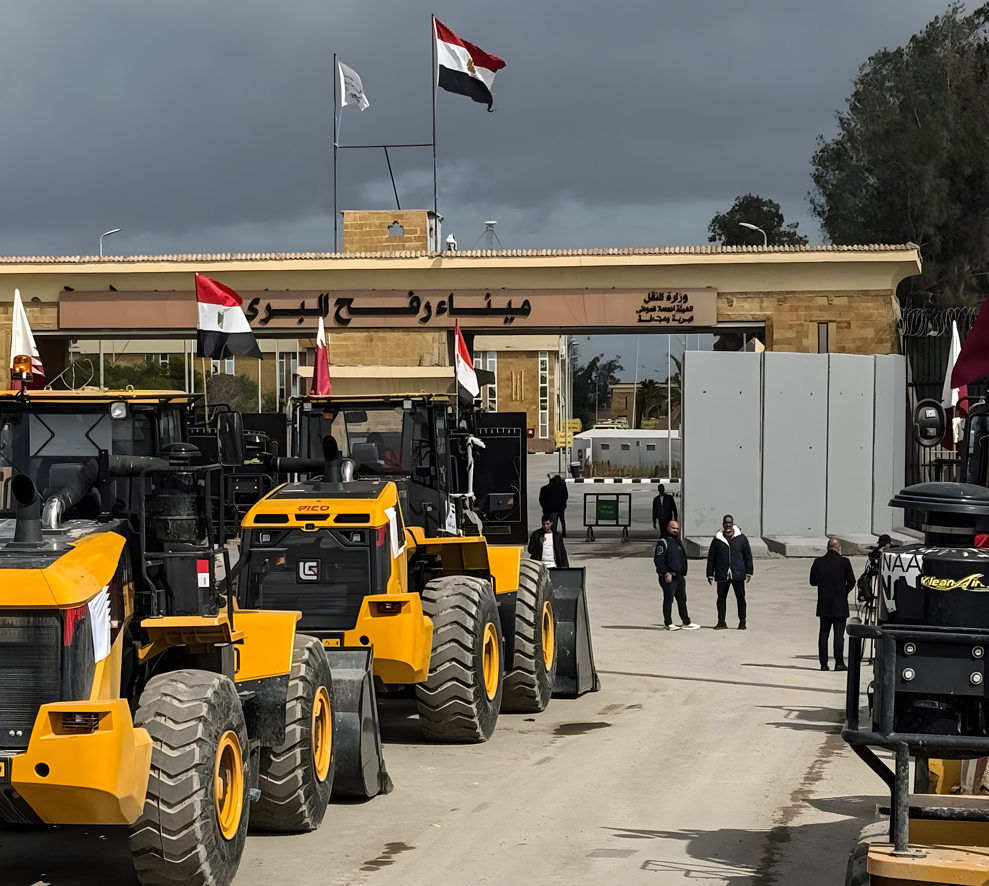
Does the Arab Reconstruction Plan Overcome Its Operational Challenges?
The reconstruction plan is being developed in coordination between Egypt and various Arab countries, with its details expected to be presented at the Arab Summit in Cairo. In response to U.S. President Donald Trump’s stance on the displacement of Palestinians, Arab countries have moved swiftly to propose a more logical and realistic alternative plan.
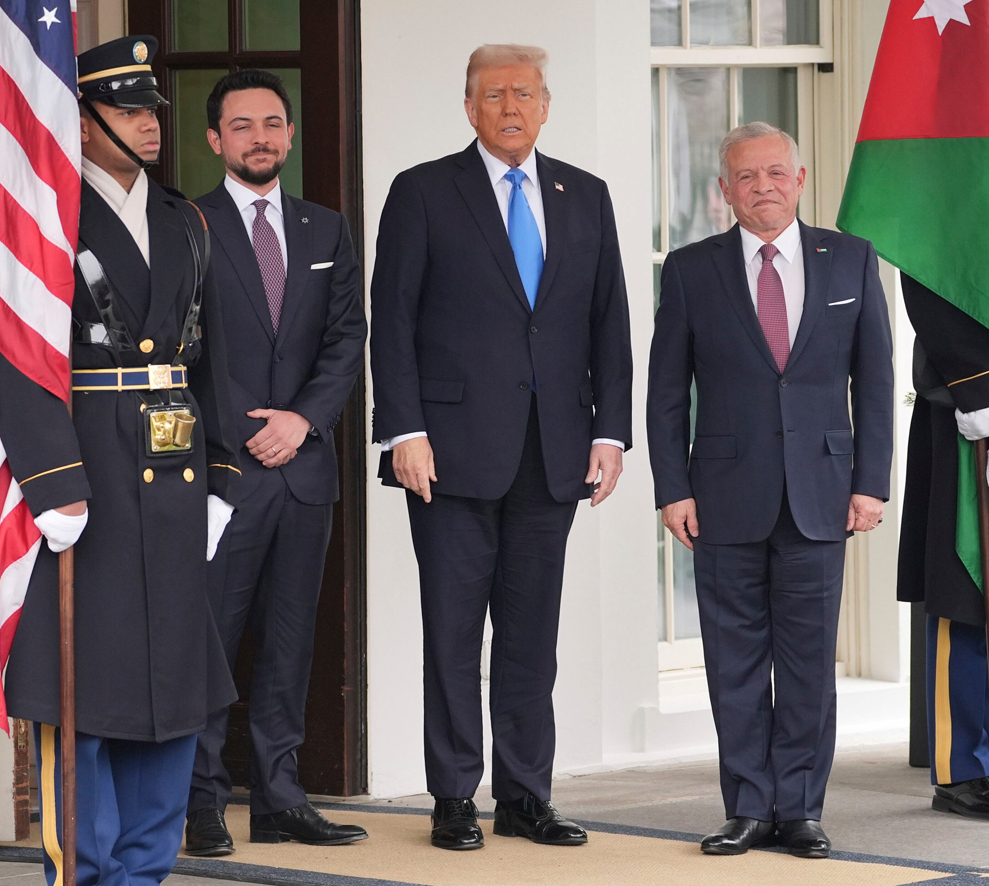
The King’s Visit to Washington: The First Step in the Race to Reject Displacement
Jordan has prior experience dealing with U.S. President Donald Trump during his first administration, which showed a tendency to liquidate the Palestinian issue without considering the fundamental principles of the Palestinian cause or the American foreign policy toward it. Given the changing realities facing the Gaza Strip, the Middle East, and the international community in general, Jordan’s position today seems to be based on more precise calculations compared to the approach during Trump’s first administration. This is especially true given that the threats today encompass all Palestinian territories, not just the Gaza Strip.
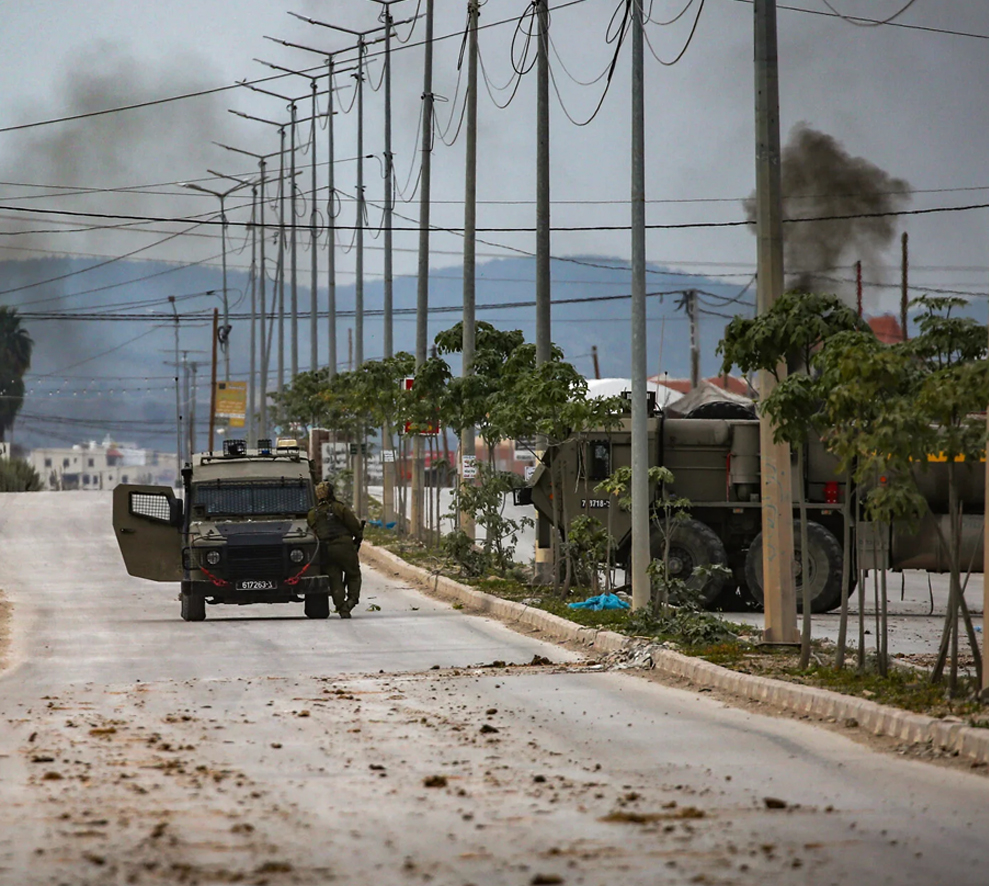
“Operation Iron Wall” and the Permanent Crisis Policies
The Israeli “Iron Wall” operation in the northern West Bank comes in light of several local, regional, and international developments. It followed two days after the ceasefire in the Gaza Strip came into effect. The timing of this operation raises several questions, including the possibility of its scope expanding to include various areas of the West Bank, especially after being described by Israeli officials as part of a shift in the concept of security in the West Bank.