Analyses
Politics
test analyses
Politics
test
Regional Trends
After the Assassination of Khamenei: Scenarios for the Third Supreme Leader
International and Global Trends
Israeli-U.S. Military Operation Scenarios and Iranian Responses
International and Global Trends
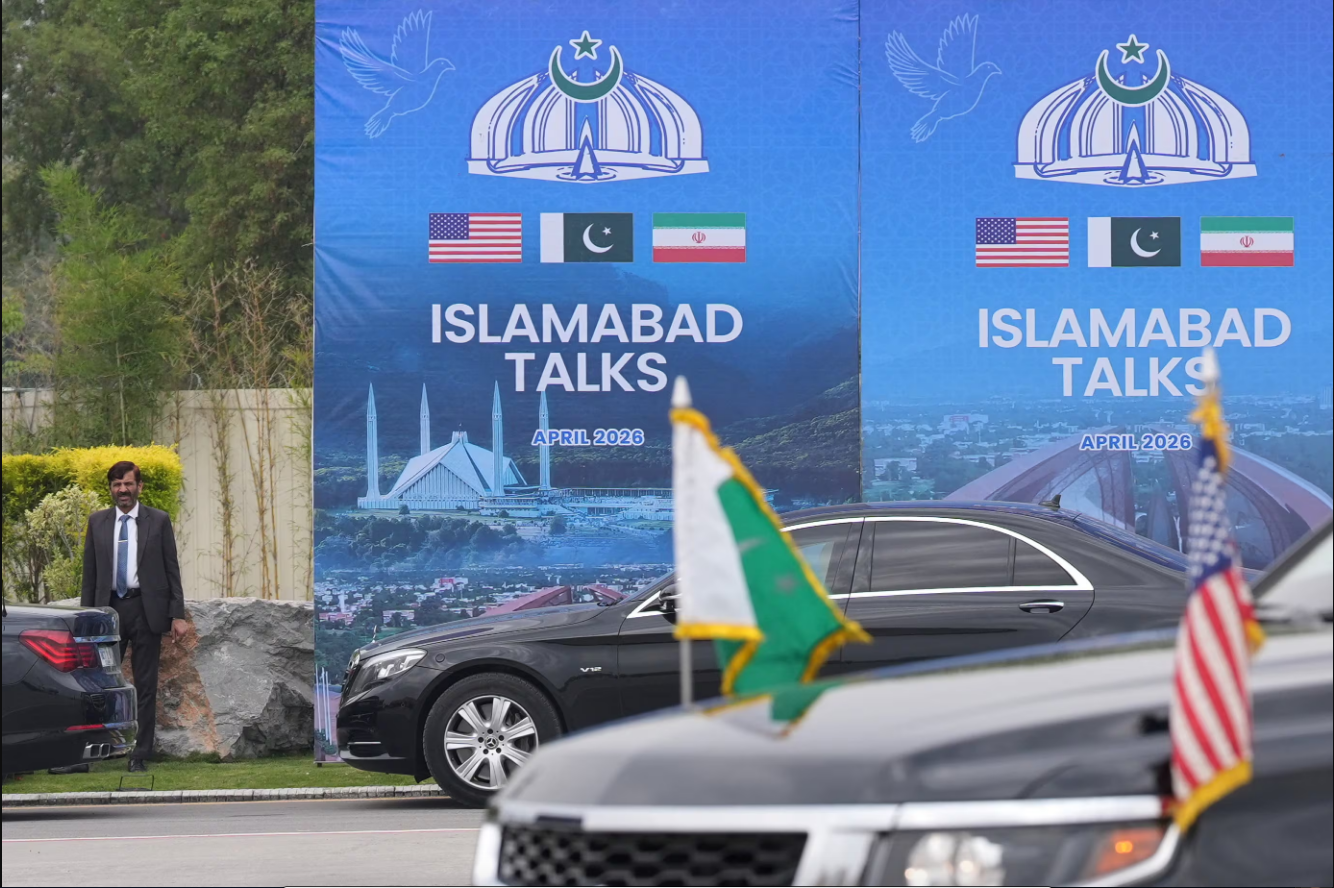
Washington and Tehran: Negotiations Under the Hammer of Military Buildup
Filter by:
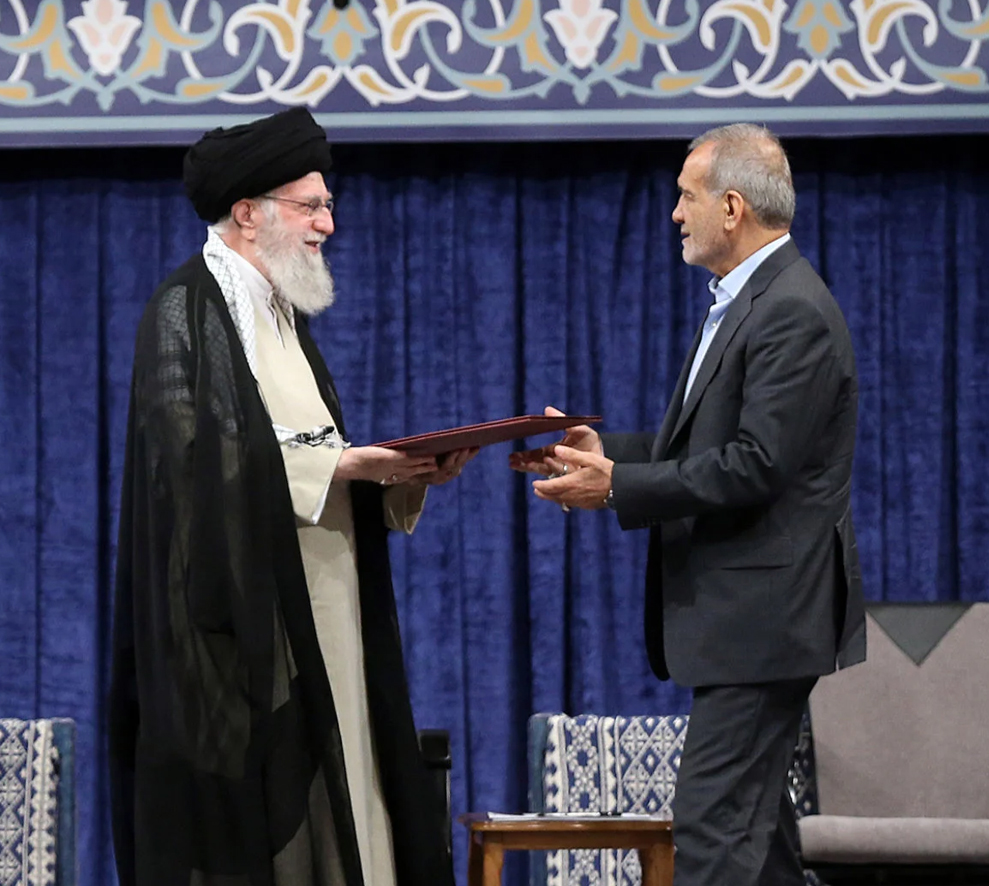
Will the Presidency of Masoud Pezeshkian Change Iran’s Domestic and Foreign Policies?
The Iranian president’s ability to implement new programs is limited considering the failed efforts of the three previous reformist presidents. None of them managed to bring about significant changes in Iran’s domestic and foreign policies. Moreover, it is likely that Pezeshkian agenda will face strong opposition from the conservatives who dominate the parliament and the Assembly of Experts after their victory in the March 2024 elections.
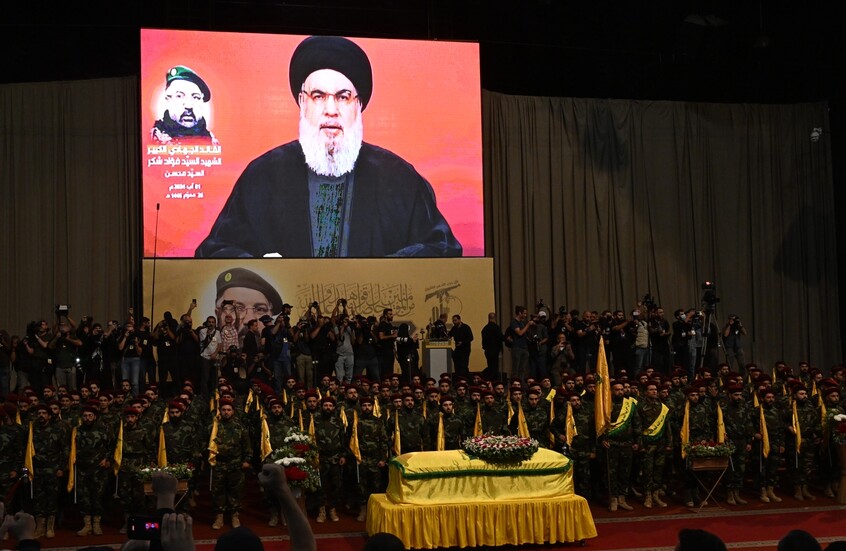
Hezbollah’s Response to Shukor’s Death: Balanced Deterrence and Preventing Escalation
The intensity of the Hezbollah response was less than what was expected after Secretary-General Hassan Nasrallah vowed on August 6 that it will be “strong, influential and effective” and will exceed the scope of the daily border skirmishes.
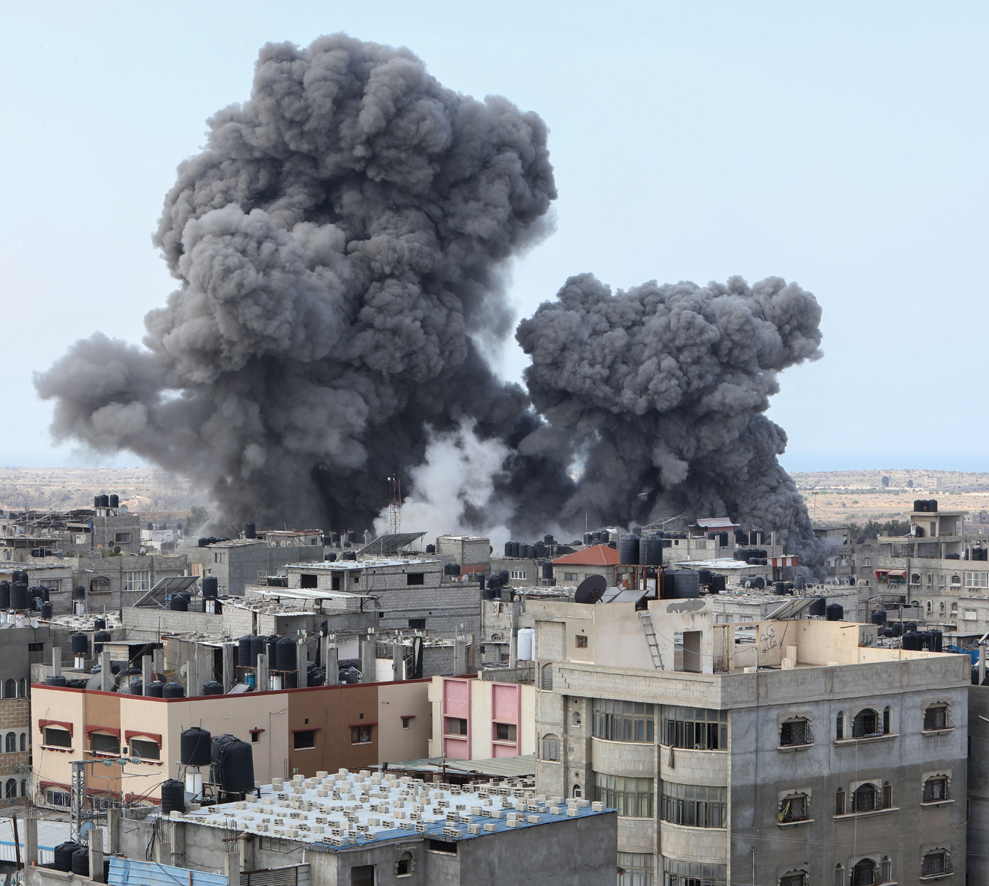
What Are the Chances of Success for the New Round of Negotiations to End the War in the Gaza Strip?
The chances of success for the new round of negotiations to end the war in Gaza do not seem very high, at least when it comes to reaching a comprehensive agreement. However, the American insistence on continuing the negotiations, along with the seriousness of the Egyptian and Qatari mediators, may push the warring parties towards an agreement on a temporary humanitarian ceasefire.
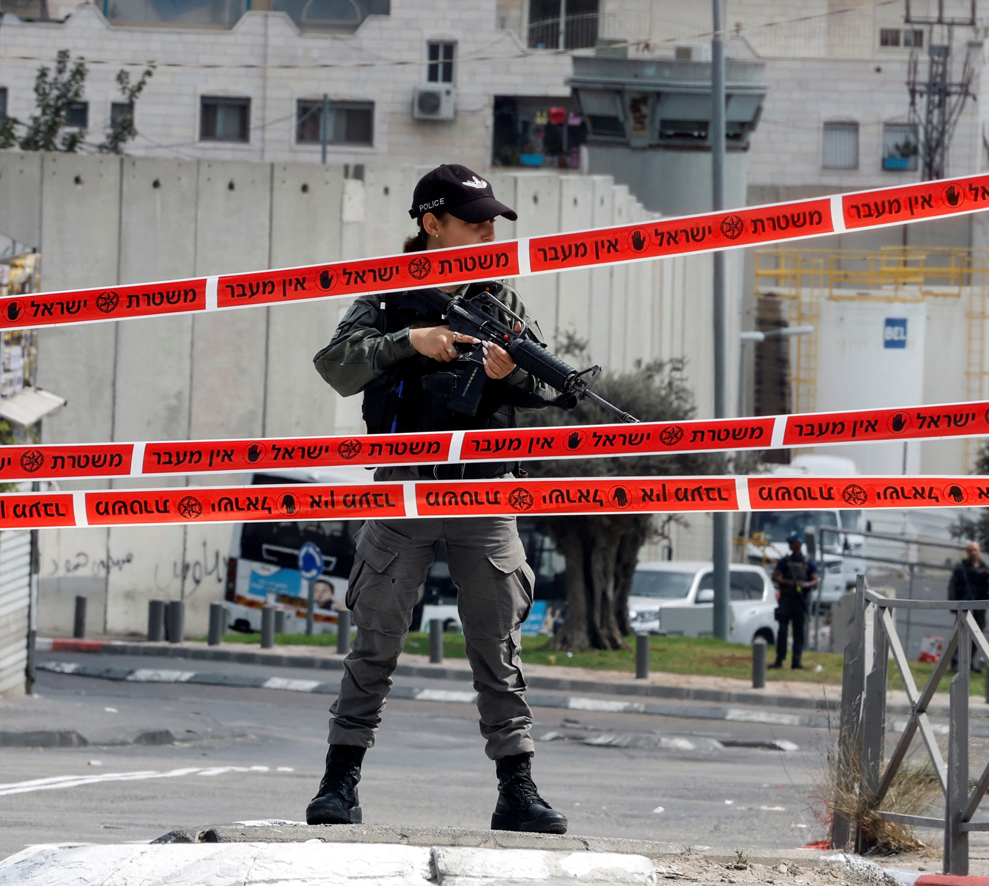
Palestinian Individual Operations Since the Outbreak of War in the Gaza Strip
This paper provides a first-of-its-kind analytical reading of individual operations in the West Bank, Jerusalem, and Israel to expand the understanding of these incidents. It also examines their frequency, types, and scope during the war in the Gaza Strip, and compare them with previous years since they became a case study in 2015
Advertising space title
Description of the advertising space. Upon the client’s initial approval of the design, this text will be removed.
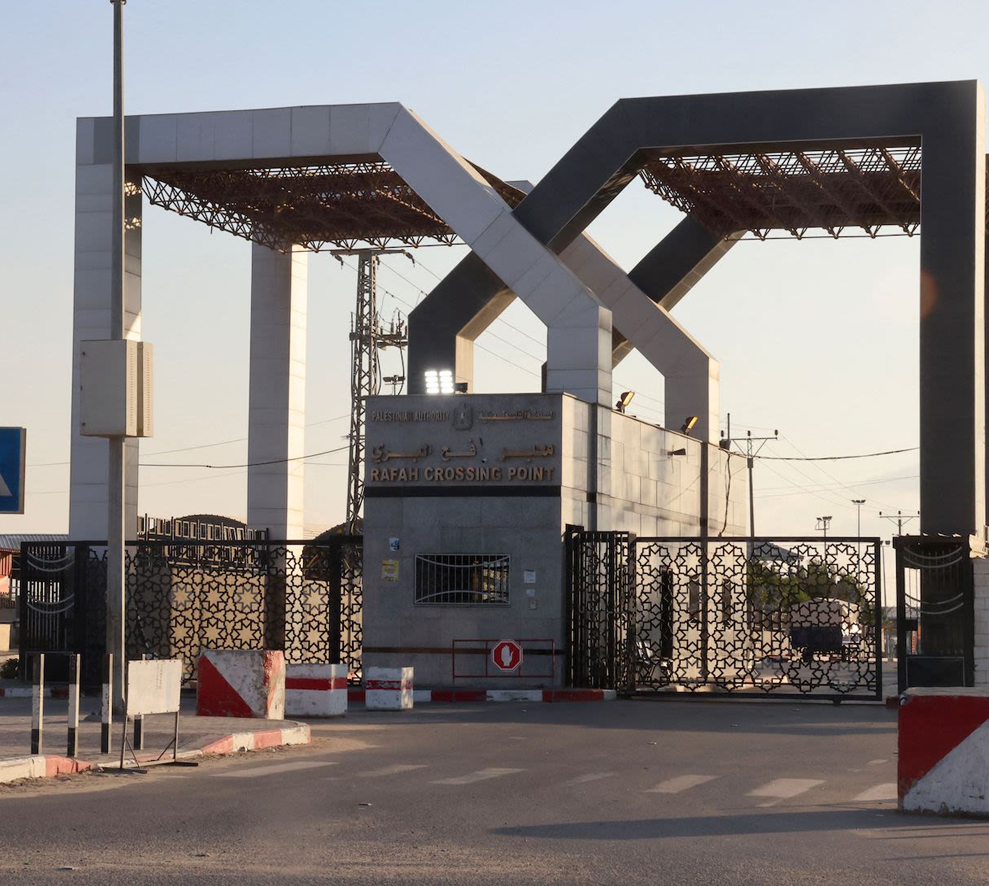
The Rafah Crossing: Who Will Control It and Why It’s Important
The Rafah border crossing gains its significance on the world stage from being the only gateway into and out of the Gaza Strip for both its citizens and the delivery of life-saving goods and humanitarian aid. This paper presents future scenarios for the management of the crossing, which could be an issue with the arrangements for the day after the war or what may be proposed for implementation beforehand that will serve as a prelude to the future management structure of the Gaza Strip.

The Local and Regional Landscape After Hasina’s Resignation in Bangladesh
It’s too early to judge whether stability has been achieved in Bangladesh and whether a new political system has been established following Sheikh Hasina’s resignation and the formation of a temporary government. Moreover, predicting the decline of the parties from the previous phase seems unlikely, especially the Awami League, which has governed the country since the 1970s.
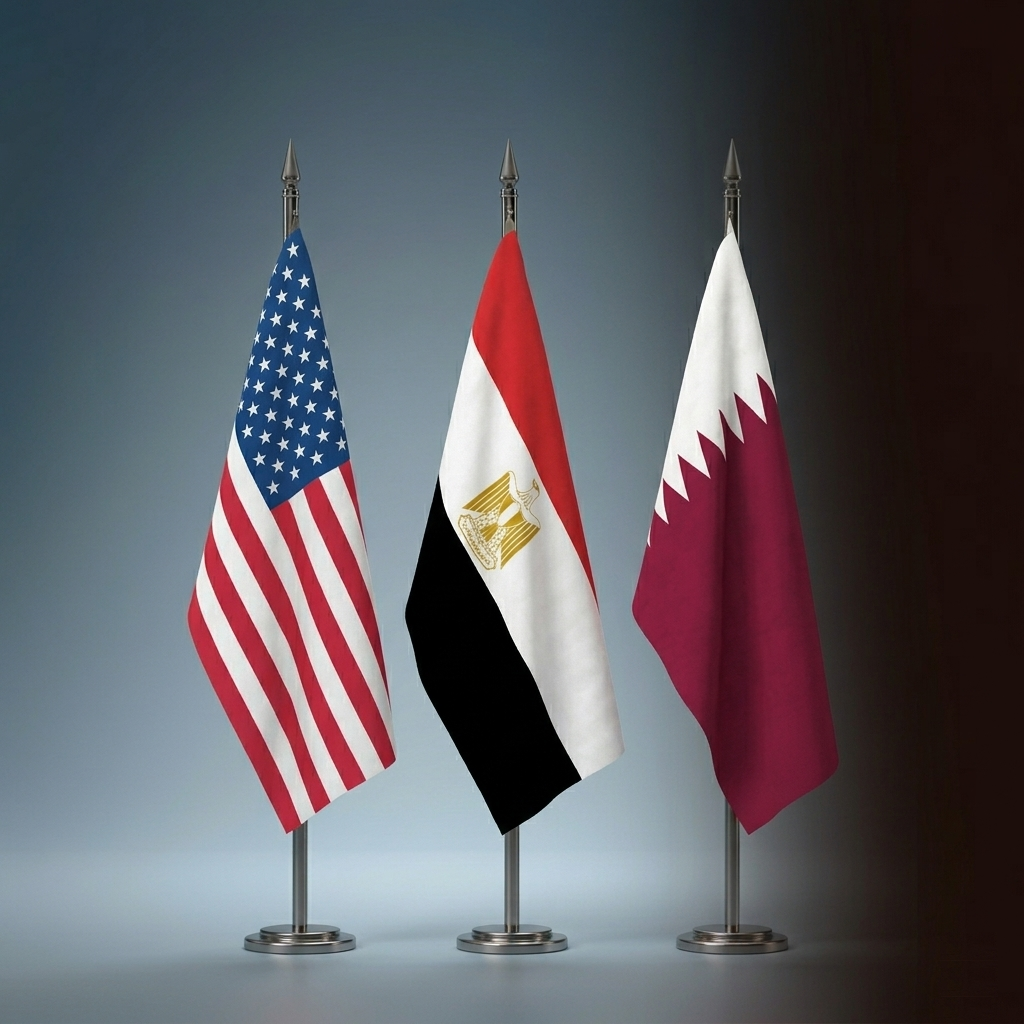
Is the Tripartite Declaration the Last Opportunity to Stop the War?
The tripartite statement reflects the desire of the United States, the international community, and Arab states to halt the war in Gaza and to mitigate the risks of continued escalation on secondary fronts, which increasingly threatens to expand and intensify.
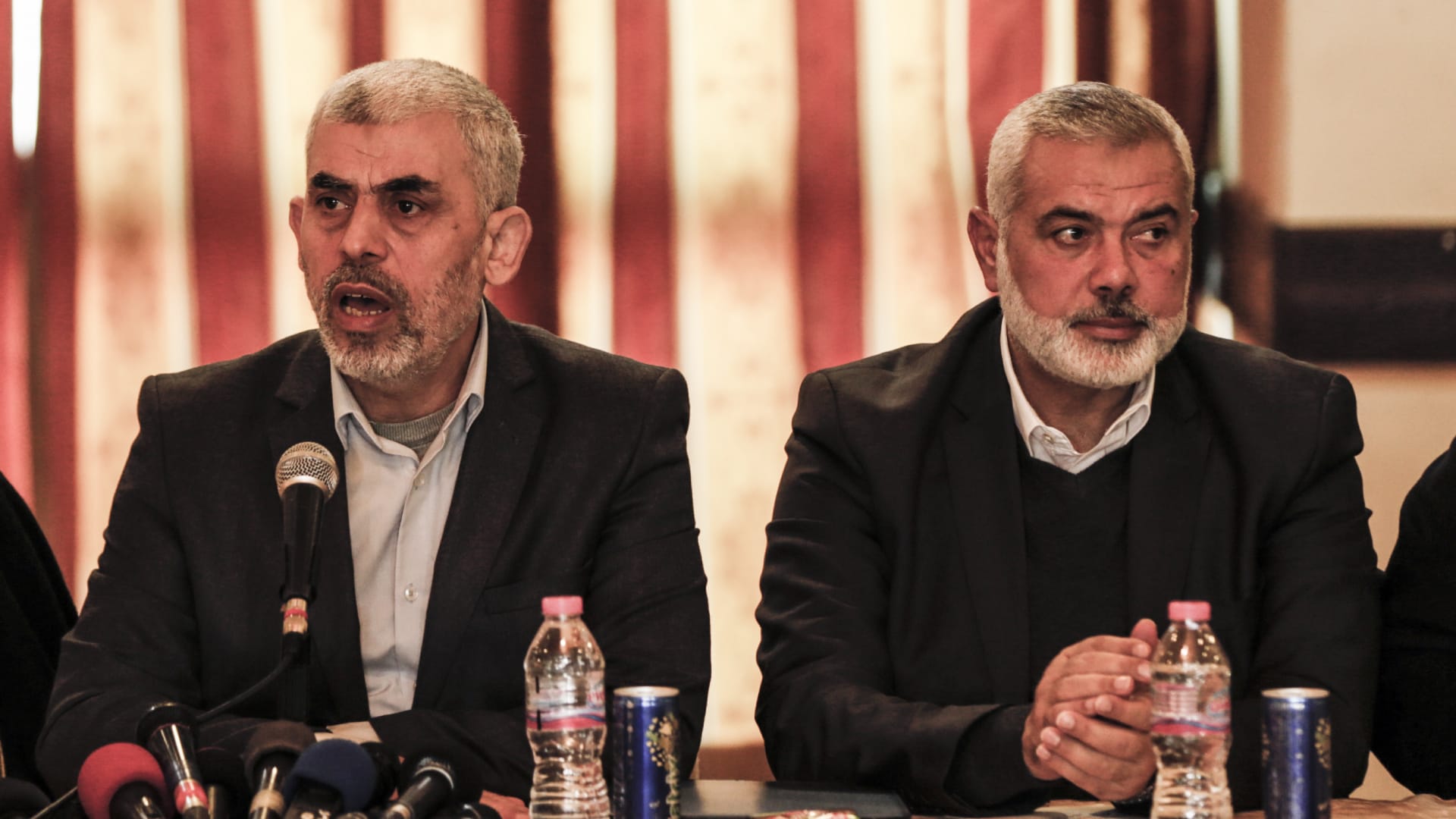
What the Selection of Sinwar Reveals About Hamas’s Plans and Focus
The most significant turning point behind Sinwar’s selection lies in his multifaceted role in political, social, and military affairs in the Gaza Strip.
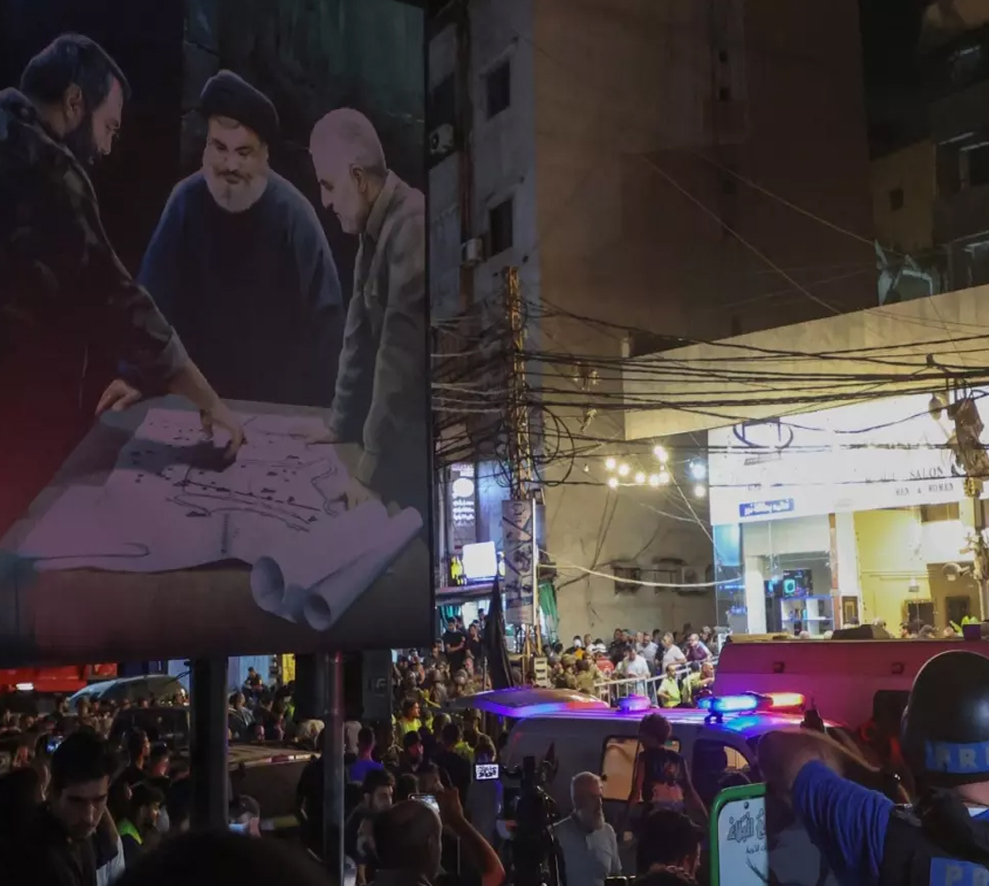
Ultimate Test of Deterrence: The Israeli Assassinations of Two Axis of Resistance Leaders
The assassination of Fouad Shukr and Ismail Haniyeh put the region in extraordinary circumstances, with the Axis of Resistance acknowledging the significance of the two murders and its members threat to retaliate. Consequently, the region should expect four impending retaliatory attacks from Iran, Hezbollah, Hamas, and the Houthis.