Analyses
Politics
test
Politics
test analyses
Regional Trends
After the Assassination of Khamenei: Scenarios for the Third Supreme Leader
International and Global Trends
Israeli-U.S. Military Operation Scenarios and Iranian Responses
International and Global Trends
Washington and Tehran: Negotiations Under the Hammer of Military Buildup
Filter by:

Will the Collapse of U.S. Oil Collapse Lead to Trump's Downfall?
The world is witnessing a weak demand in the energy market given economic and productive activities' stoppage due to the Coronavirus pandemic, so what is the reason for this historic WTI decline? Will the collapse of U.S. crude cause Trump's downfall? In light of the chaos of expectations for oil prices in the near future, will the demand for oil remain weak if the Coronavirus crisis does not end?

Will China Pay Trillions of Dollars for its Coronavirus Mistakes?
In light of the current Coronavirus crisis which countries are still suffering from its repercussions, the list of countries demanding China to pay for its Coronavirus mistakes is getting longer; claiming that China is responsible for the outbreak of the virus, presented disingenuous preventive means, or reported misleading numbers of its human losses. Will China prevail in the world - as some predict - in the post-Corona phase? Or will it lose its place as a superpower after this crisis?
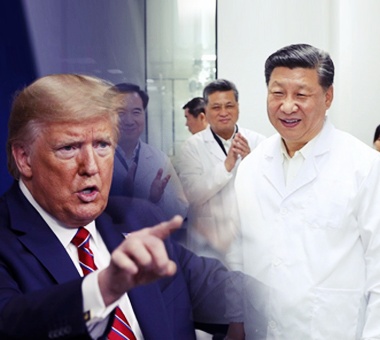
Coronavirus Becoming a Political Behemoth
What is being written about the novel Coronavirus and its future implications is but mere analyses and theories, however, the truth will be disclosed in the coming months or even years. Therefore, whether this virus is real or manufactured, this article highlights the extent to which it has spread terror all over the globe, and how great politicians have contributed to turning this epidemic crisis into a dangerous political game, threatening the entire world.
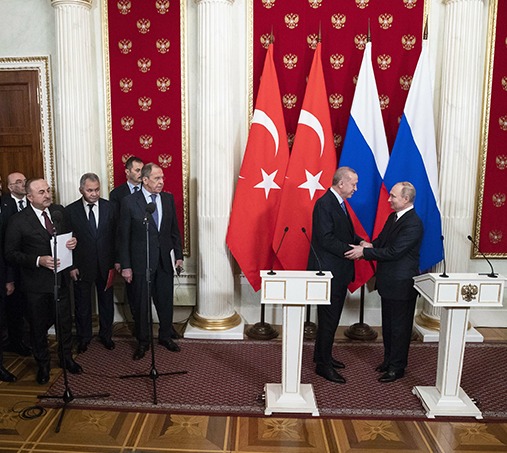
Turkish - Russian Agreement in Idlib
On 5 March 5 2020, Turkish-Russian talks on the recent clashes in the city of Idlib has resulted in signing an agreement aimed at ceasefire and returning those displaced to their places of residence; what are the contents of this agreement? what are the motives and gains behind it? does the agreement carry the reasons for its steadfastness?
Advertising space title
Description of the advertising space. Upon the client’s initial approval of the design, this text will be removed.

The Impact of Quarantine on Youth Lives
The quarantine we experience in light of the ‘COVID-19’ crisis has forced people in most parts of the world to live an unexpected life. Nevertheless, all age groups, youth in particular, are living an unprecedented forcible seclusion. Therefore, how can people, namely youth, benefit from such opportunity? How can they be glass-half-full, not glass-half-empty people?
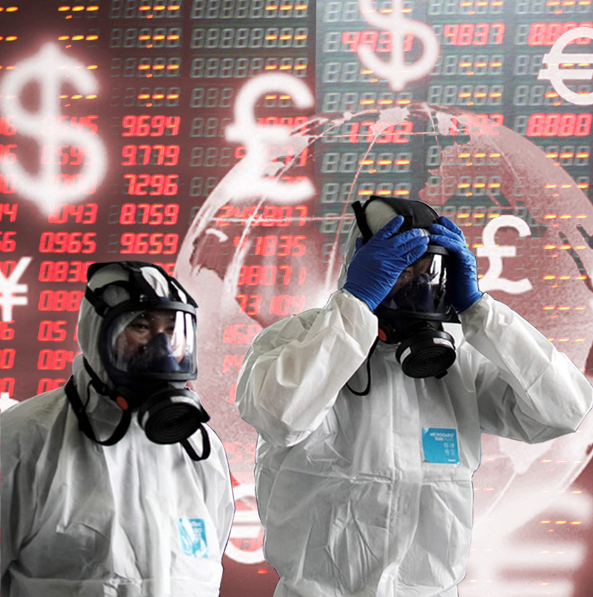
Will Coronavirus further complicate the upcoming Economic Crisis?
The outbreak of the Coronavirus has caused a state of panic in financial markets around the world and shaken its economic foundations so where does this epidemic fall as a cause of the economic crisis among other factors? what is the nature of these factors, and how did they interact with this epidemic? And will global powers move towards aggravation or agreement in confronting one of the greatest threats of this time?
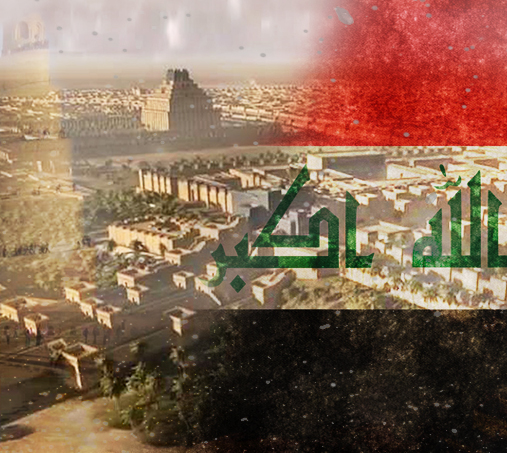
The Iraqi Personality Between Today and Yesterday
This article by the Chairman of STRATEGIECS Board of Trustees, Mr. Hasan Ismaik, presents a review of “The Personality of the Iraqi Individual” by Ali Al-Wardi; this book attempts to identify characteristics distinguishing Iraqis from others while addressing the characteristics that distinguish the human character in general.

Youth's Queries & Us
Many thoughts and questions arise in the minds of young people, especially when it comes to belief, existence and ideologies, so how can we answer these questions? Do we treat it as a problem or do we view it as the beginning of a new future that welcomes a rational and religious faith embraced by youth?
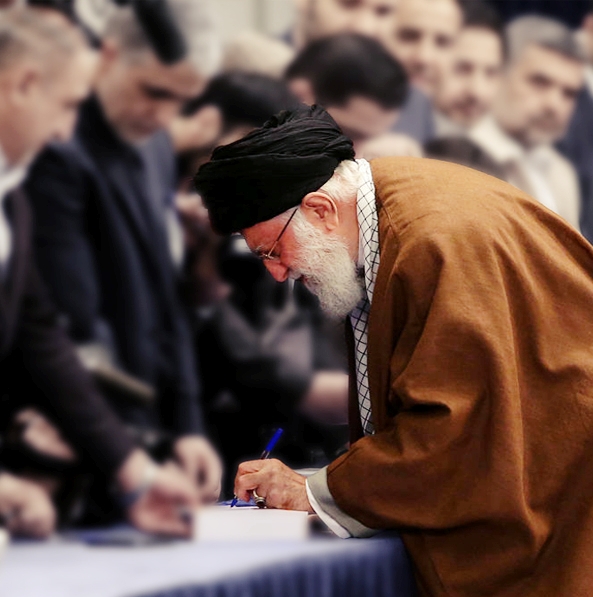
Position Paper: Conservatives in the Iranian Legislative Authority: Background and Implications
The conservative current enjoyed great victory in the Iranian legislative elections on February 21, 2020. The questions raised here are over whether they will succeed in formulating a new foreign policy vision? Also, will it tighten the internal screws on Rouhani's government?