Analyses
Politics
test
Politics
test analyses
Regional Trends
After the Assassination of Khamenei: Scenarios for the Third Supreme Leader
International and Global Trends
Israeli-U.S. Military Operation Scenarios and Iranian Responses
International and Global Trends
Washington and Tehran: Negotiations Under the Hammer of Military Buildup
Filter by:
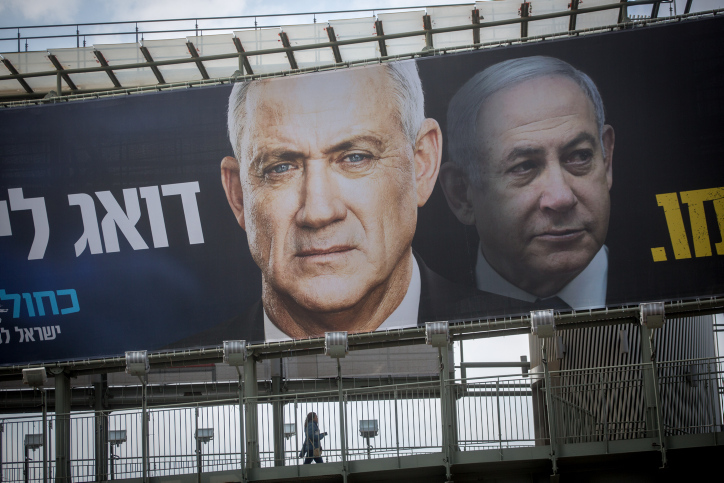
Will Benny Gantz’s Resignation From Israel’s War Cabinet Lead to an Early Election?
The resignation comes after the relationships in the three-member war cabinet reach a critical phase over disputes about the war and the Israeli “Day After” vision for Gaza after the war.
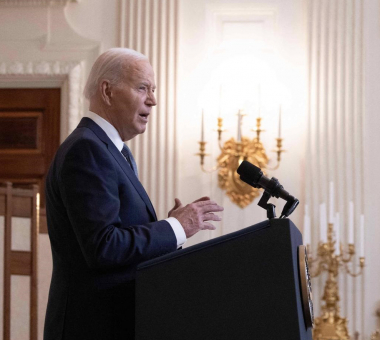
Will Biden’s Plan Succeed in Achieving Stability in the Middle East?
U.S. President Joe Biden’s plan for stability in the Middle East sets a clear initial goal —a ceasefire—and an explicit ultimate aim: sustainable cessation of the war in Gaza. However, the path of the plan from its implementation to its completion faces several complications and contains gaps that could disrupt it.
Have the Costs of the War in Gaza Become a Factor in Stopping It?
Aside from considering the achievements perceived by the parties involved in the Israel-Hamas war, the losses and risks associated with its continuation have become a factor in increasing the chances of reaching a ceasefire agreement. Therefore, a range of future scenarios should be taken into account.
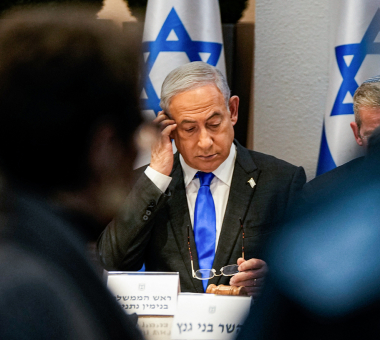
Israeli War Cabinet Scenarios Following Gantz’s Resignation Warning
Disputes within Israel’s war cabinet raise several questions about the impact political parties will have on the future of the cabinet, its unity, existence, and, more broadly, on the future of the Israeli government. The war cabinet and the government of Israel have become significantly tied to the war variables in Gaza and the positions of the actors involved, foremost of which is the United States. This ushers in three scenarios for the future of the war cabinet: it will carry on its work, it will dissolve while the coalition government remains, or it will dissolve leading to early elections.
Advertising space title
Description of the advertising space. Upon the client’s initial approval of the design, this text will be removed.
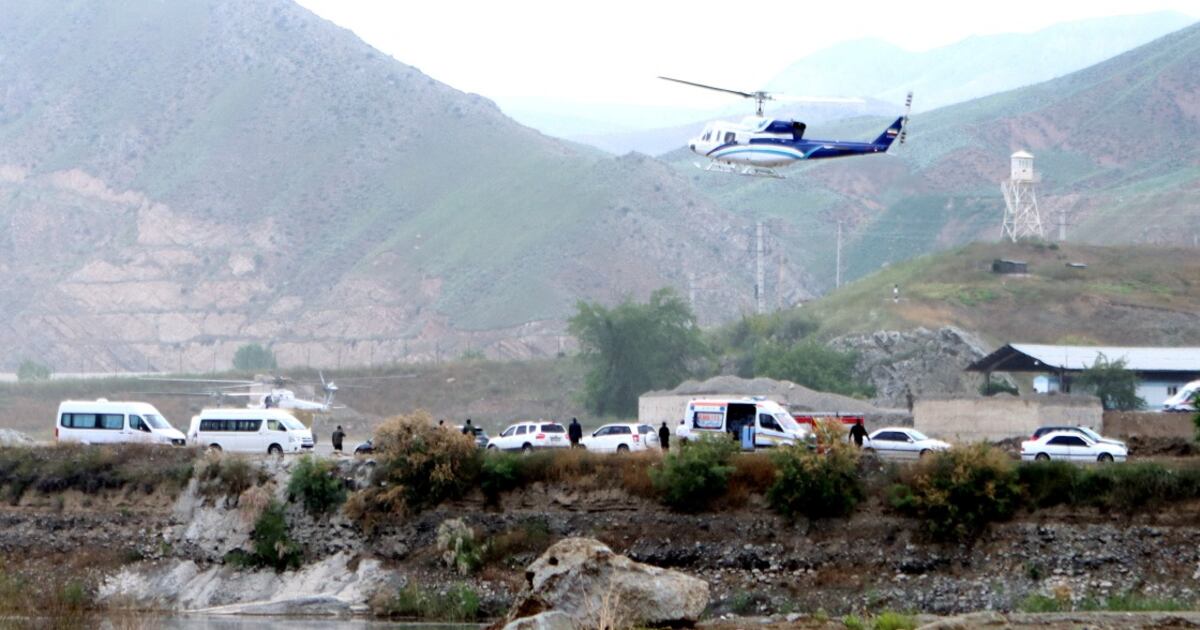
Truly Accidental or Targeted Operation.. How Ebrahim Raisi’s Death Intensifies the Dynamic Dispute Over Power in Iran?
Raisi’s death is a chance for the Supreme Leader Ali Khamenei to redefine the Irani regime and reduce the internal disputes and frictions.
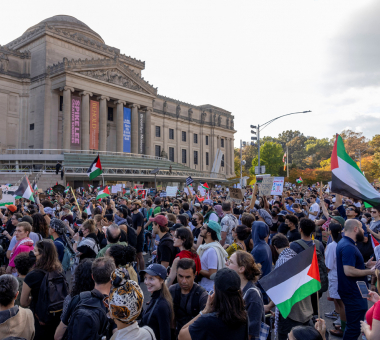
How Will the American University Protests Impact the Course of the Israeli War in Gaza?
With the widespread student protests across American and western universities demanding a ceasefire in Gaza, is a new relationship forming between the upcoming Alpha Generation and Israel? And will it have a snowball effect that spreads to Arab and Palestinian universities?
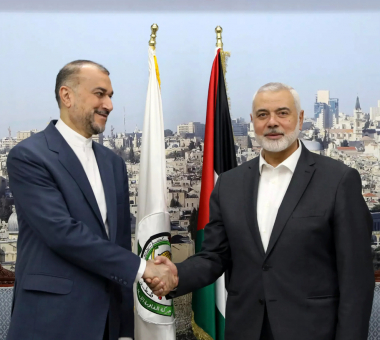
The Paths of political Presence of Hamas Movement in Qatar
The choices of Hamas leaders to move from Qatar remain ambiguous and are limited to specific destinations: either Turkey, Iran, Lebanon, or Algeria. The question is: Which one is most likely—amd most preferred—to host Hamas leaders?
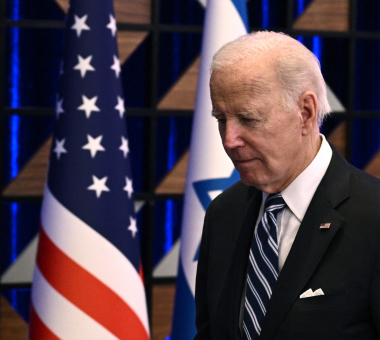
The Changing American Position on Israeli Government’s Management of The War in The Gaza Strip
The disagreements between the American administration and the Israeli government regarding the war in the Gaza Strip are a continuation of the apparent contradictions in the visions and policies between the two parties since the formation of the Israeli government at the end of December 2022, which U.S. President Joe Biden described as “the most right-wing in the history of Israel.” It is likely that these disagreements will continue between the two parties regarding their priorities during the coming period, but the deepening of this disagreement into the structure of the bilateral relations is unlikely.
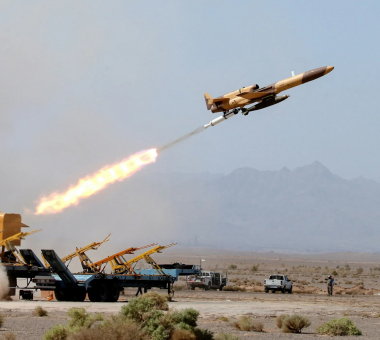
Why Has the Iran-Israel Conflict Moved to Direct Confrontation?
In the context of the Gaza conflict, Israel, guided by the “Octopus Doctrine” formulated in 2018, has dealt with the perils and challenges posed by the “Unity of Arenas”. The Israeli doctrine serves to intensify the pressures exerted on Iran, instead of engaging with a broad range of armed factions. The underlying premise of Israel’s strategy, as dictated by this Doctrine, is to compel Iran to put pressure on its proxies to cease their escalation against Israel. Concurrently, this Doctrine aims to diminish the strategic value these factions perceived by the Iranian mentality, given their role as the forward defense line of Iran’s territories.