Analyses
Regional Trends
After the Assassination of Khamenei: Scenarios for the Third Supreme Leader
International and Global Trends
Washington and Tehran: Negotiations Under the Hammer of Military Buildup
Regional Trends
Iraq Between Geopolitical Challenges and Strategic Opportunities
Regional Trends
The Syrian-Iraqi Border: Reshaping the Geopolitical Space of the Middle East
International and Global Trends
Real clear world: A former terrorist inside the white house
Filter by:
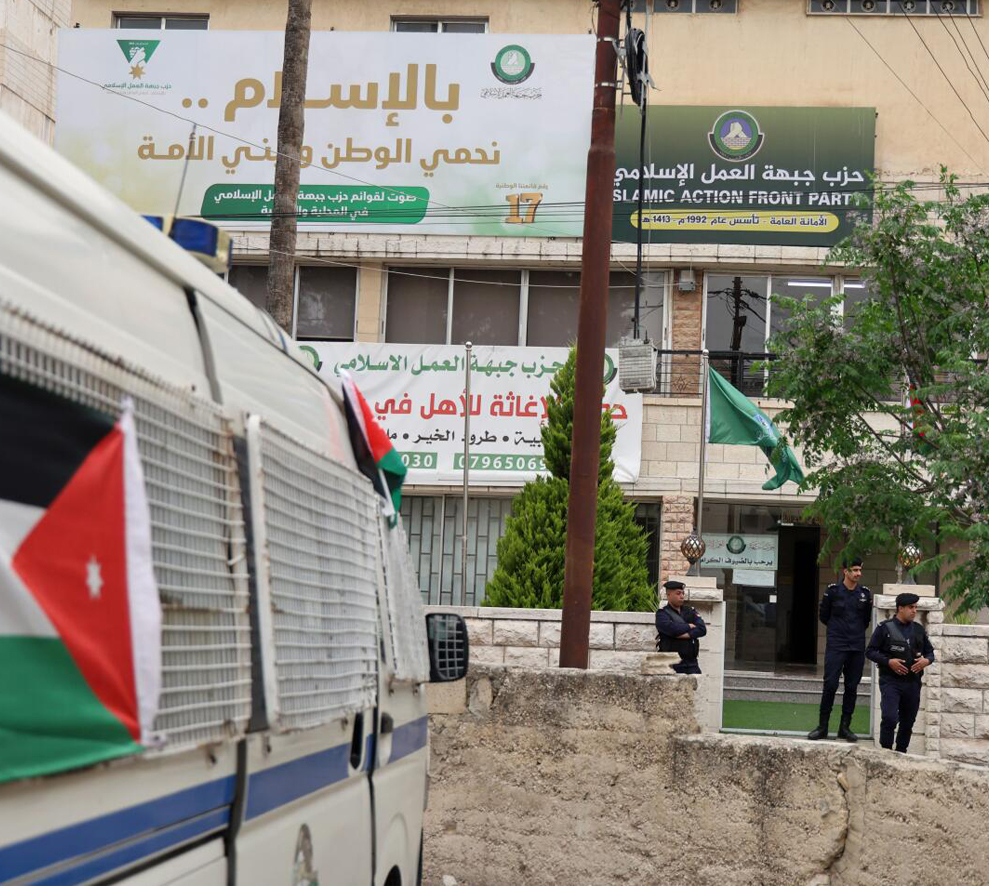
The Decision to Ban the Muslim Brotherhood in Jordan: the Hand of the Law Against Transnational Ideologies
This paper examines the Jordanian government’s decision April 23 to ban the Muslim Brotherhood group in response to growing security concerns following the discovery of affiliated cells planning to threaten Jordan’s national security. It outlines three potential post-ban scenarios: maintaining the ban solely on the group, extending it to include the Islamic Action Front party, or eradicating both entities entirely. The paper also highlights the legal and security challenges associated with each scenario.
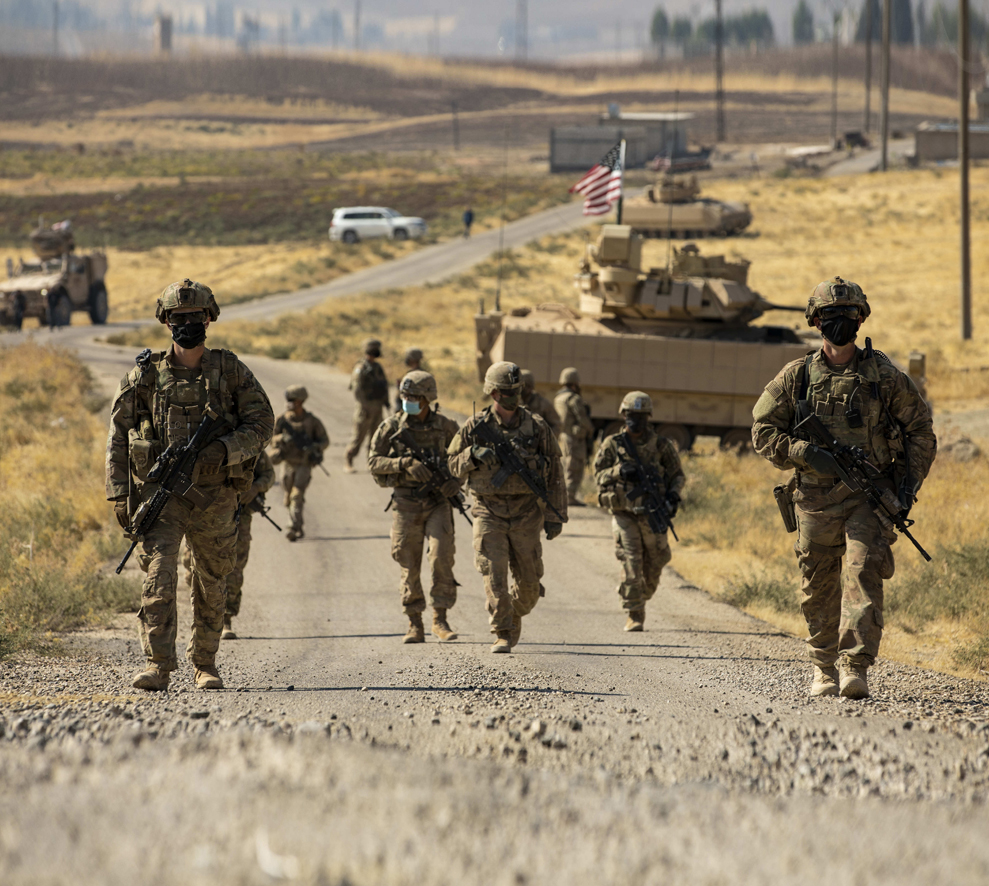
U.S. Presence in Syria: Changing the Attribute of Participation and Presence
This paper examines the future of the U.S. military presence in Syria within the context of rapidly evolving local and regional shifts. It also highlights how Washington, without direct military involvement, seeks to shape a political and security environment that serves its interests through monitoring the performance of the Syrian government and curbing the influence of Iran and extremist organizations. The paper links the repositioning of U.S. forces to a change in Washington’s perception of the Syrian government, specifically, its transformation into a political partner aligned with the regional environment.
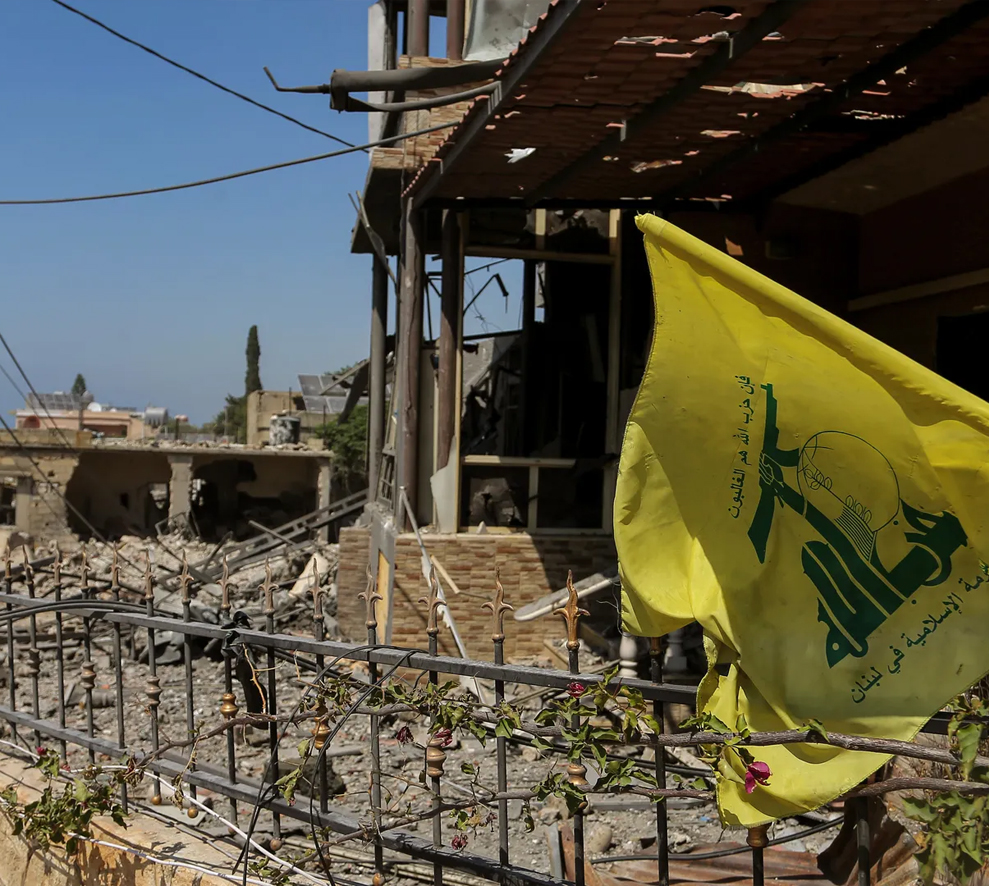
The Weapons of the Lebanese Hezbollah in the Post-War Reality
Lebanon is witnessing profound transformations resulting from the repercussions of the Gaza conflict, which has inflicted damage on Iran’s axis in the region, including Hezbollah. It seems that there is a shared understanding among the Lebanese, as well as regional and international actors, of the need to seize the moment to dismantle Hezbollah’s remaining weapons. In turn, Hezbollah feels compelled to make significant strategic concessions to preserve its political activities.
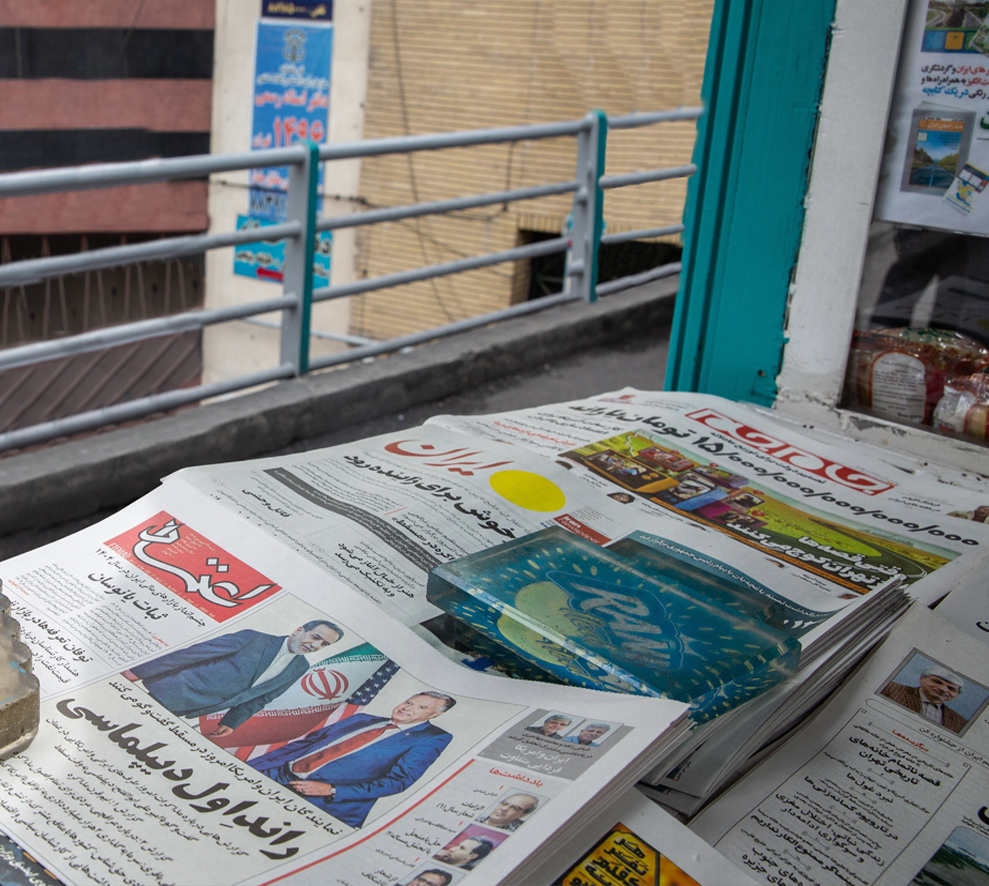
Washington and Tehran: A First Round of Semi-Direct Negotiations
By entering negotiations with the United States, Iran seeks to preserve its territorial integrity, maintain its political system, and avoid a potential U.S.-Israeli military strike on its nuclear facilities. However, it may also be trying to buy time in pursuit of long-term negotiations that could lead to both internal and external recovery, while also diffusing the momentum of military build-up and hostile intentions against it.
Advertising space title
Description of the advertising space. Upon the client’s initial approval of the design, this text will be removed.
U.S. Tariffs: Shock to the Global Economy and International Markets
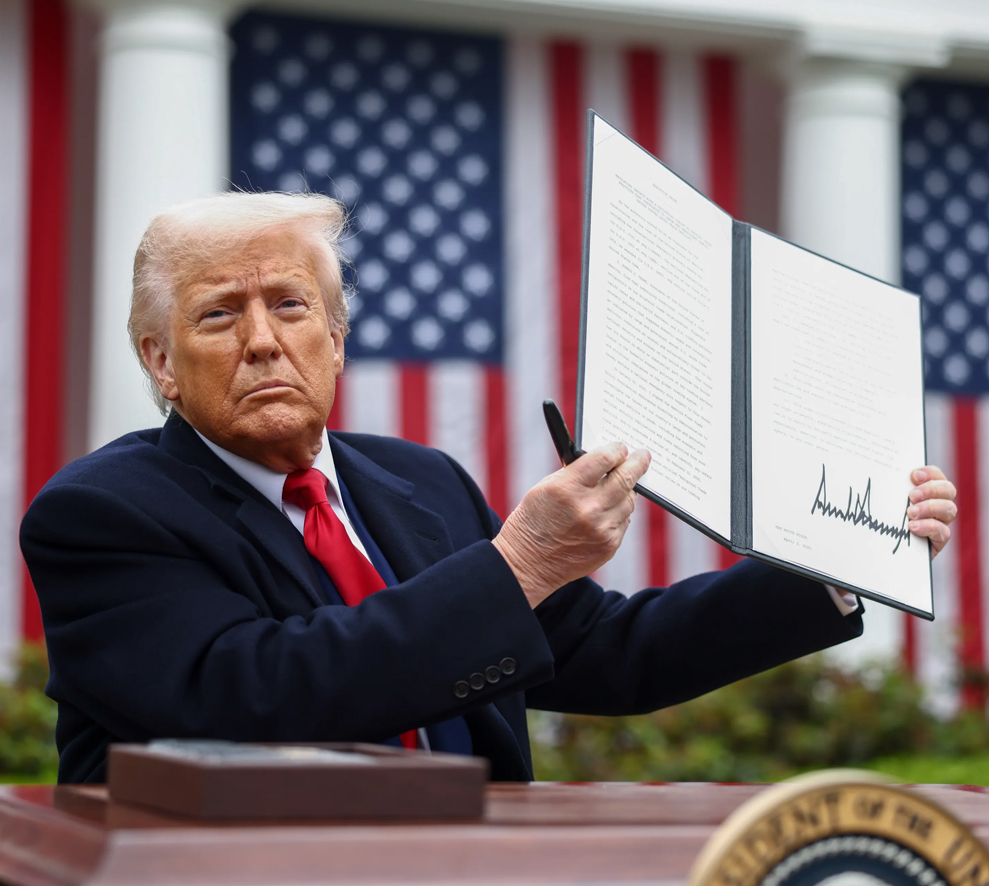
There appears to be a gap between the expectations of the U.S. administration and the reality that has emerged following the imposition of tariffs. The trajectory of both the American and global economies, as well as international trade relations, may spiral out of control in ways that will be difficult, if not impossible, to correct. Despite the temporary suspension of tariffs on countries that refrain from retaliatory measures, both the United States and China remain firmly committed to their retaliatory economic policies. This persistence alone could push the global economy into a dark tunnel of grim and uncertain scenarios.
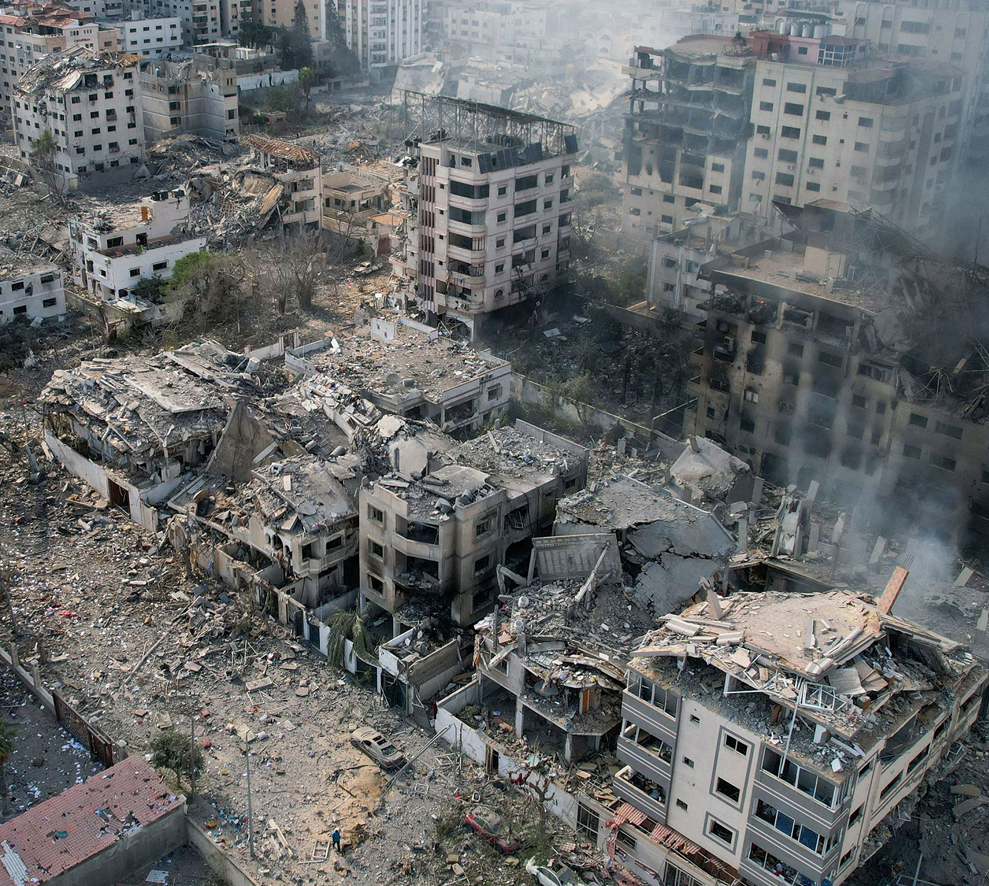
The Resumption of the War on Gaza: New Equation for Its Risks and Objectives
Israel’s resumption of military operations in the Gaza Strip comes after the failure of negotiations. It reflects strategic objectives that go beyond merely responding to the deadlock, aiming instead to redraw goals and reshape the geographical and demographic structure of the Strip through displacement, occupation, and the imposition of military rule.
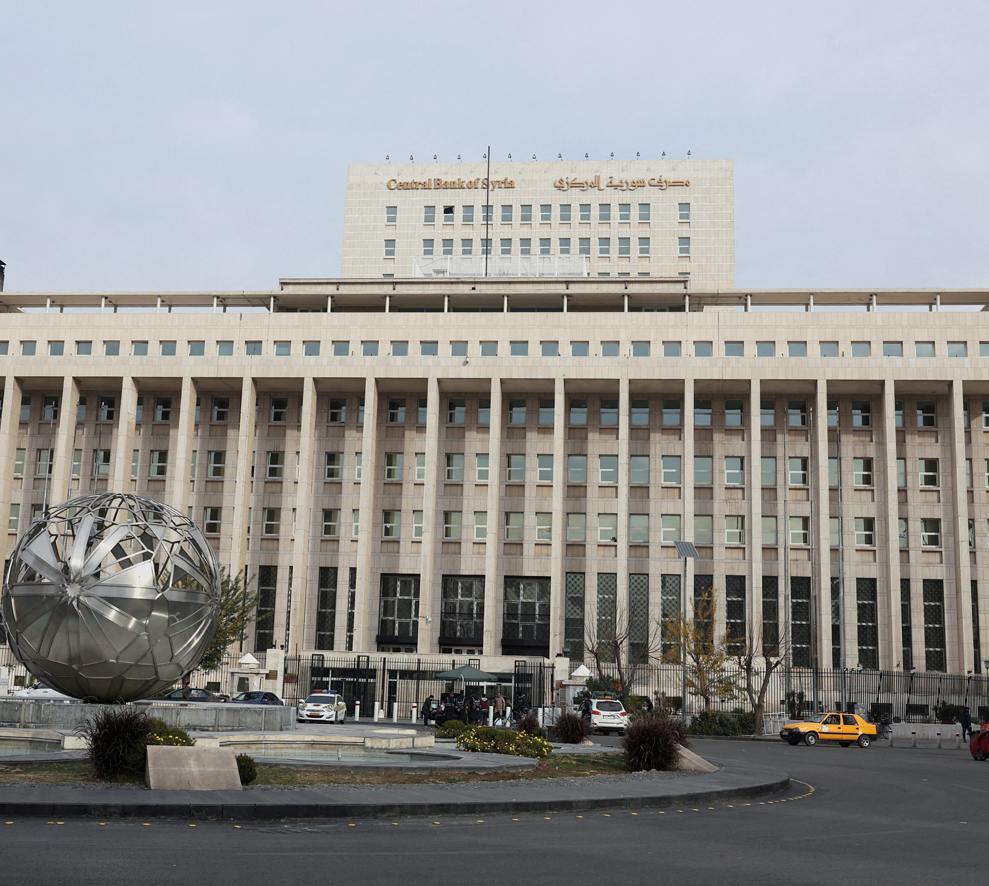
Rebuilding the Syrian Economy After a 14-Year Crisis
The economic sanctions imposed on Syria since 2011 are one of the most prominent obstacles to any economic recovery, as these sanctions led to the deepening of the humanitarian crisis and hindered reconstruction. These sanctions are imposed, mainly by the United States and the European Union, on vital sectors such as oil, gas, banking, and foreign investments.
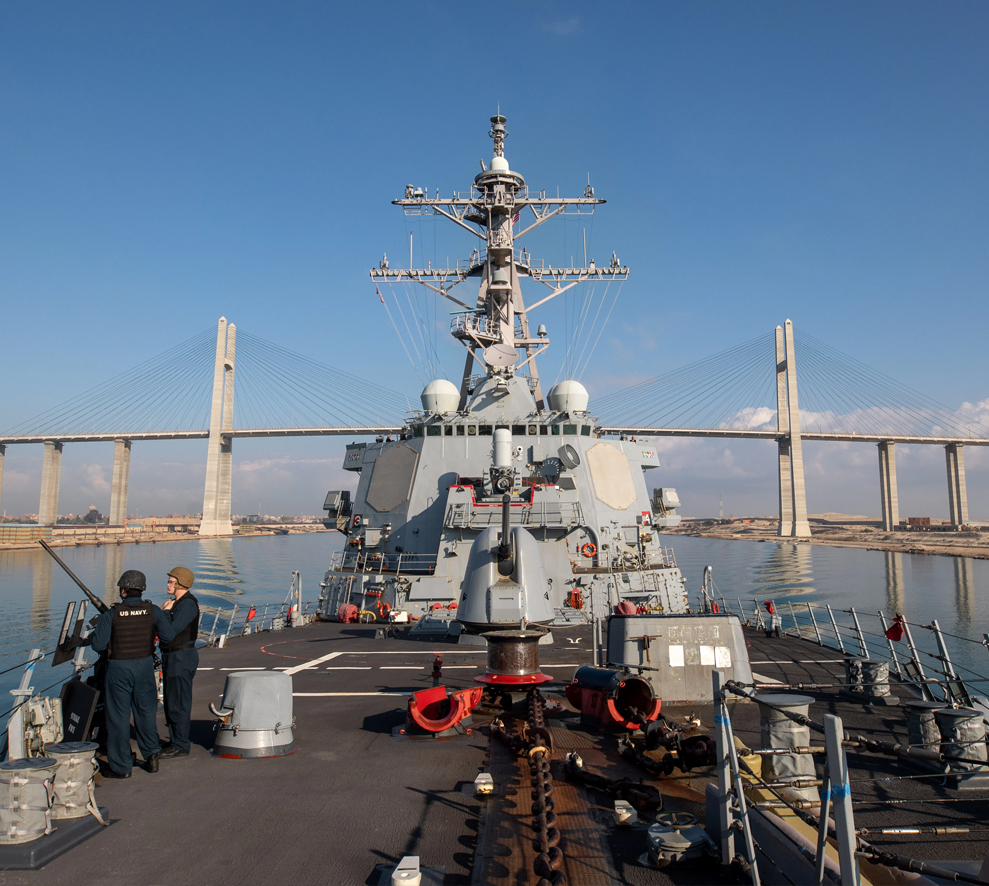
The U.S. Military Strikes Against the Houthis: The End of One War or the Beginning of Another?
The American military strikes against the Houthis come in light of the ongoing developments in the war in Gaza and the Houthis’ indirect role in it. These strikes coincide with the return of the “maximum pressure” policy against Iran, which U.S. President Donald Trump introduced during his first administration. The strikes aim not only to separate the Houthis from the main war arena in the Gaza Strip but to also separate them from Iran.
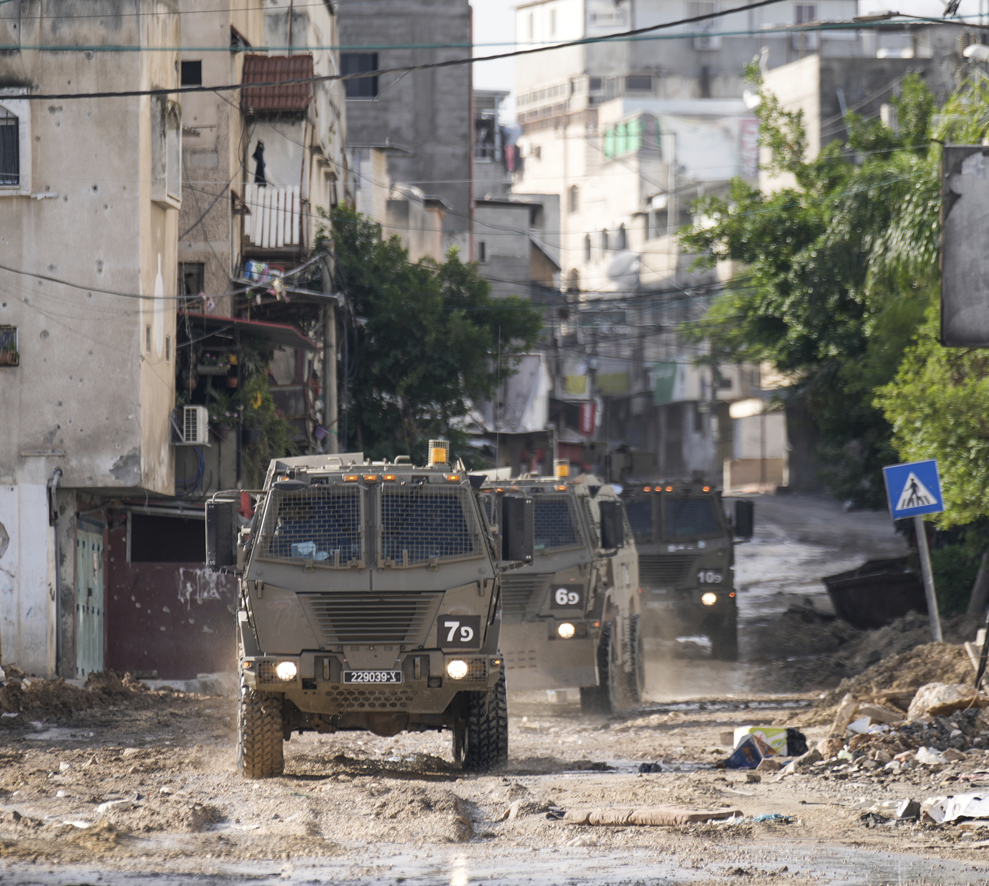
Operation “Iron Wall”: Similarities in procedures and overlapping objectives between the Gaza Strip and the West Bank
Operation Iron Wall comes as an advanced stage of the war in the Gaza Strip and is part of the previous promises made by Israeli Prime Minister Benjamin Netanyahu to reshape the Middle East. This is especially evident through a series of Israeli measures aimed at re-engineering the Palestinian and Syrian geography, both spatially and demographically, and changing urban planning in the West Bank in favor of Israeli settlement projects in an advanced step towards annexation and imposing Israeli sovereignty.