Analyses

Politics
test
Politics
test analyses
Regional Trends
After the Assassination of Khamenei: Scenarios for the Third Supreme Leader
International and Global Trends
Israeli-U.S. Military Operation Scenarios and Iranian Responses
International and Global Trends
Washington and Tehran: Negotiations Under the Hammer of Military Buildup
Filter by:
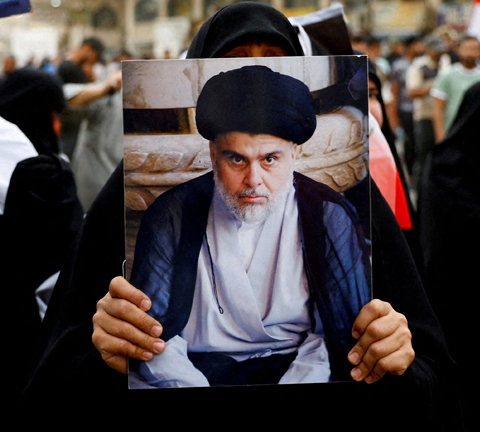
Al-Sadr Retirement: Crawling from the Dome to the Palace
Position Assessment| This paper addresses the dimensions and underlying reasons that prompted Iraqi leader Muqtada al-Sadr to retire from the political life. Several stages preceded the decision, starting with the withdrawal of his deputies from parliament, then the sit-in in front of the Supreme Judicial Council, and ending with his supporters storming the Republican Palace after to the announcement of his retirement.
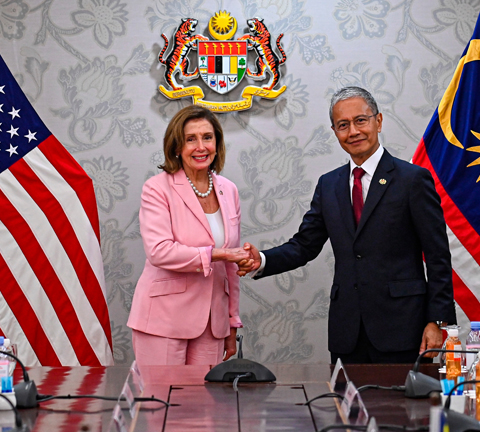
Is China’s Military Response to Pelosi's Visit Over?
Position Assessment | This paper addresses the potential possibilities of China’s military response to the visit of U.S. Speaker of the House of Representatives Nancy Pelosi to Taiwan. This assessment also examines the seriousness of Washington and Beijing’s statements toward the Taiwan and the role of economic relations in reducing tensions.
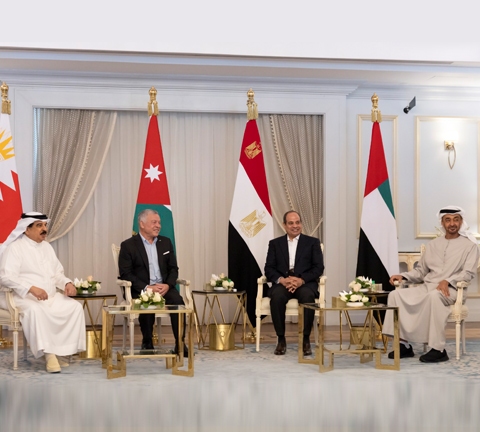
El-Alamein Consultative Meeting: Meanings and Objectives Interpretation
Policies analysis | This analysis addresses the significance of El-Alamein consultative meeting, which brought together the leaders of the Arab countries of Egypt, Jordan, the United Arab Emirates, and Bahrain, in the light of the joint economic projects, and the converging political positions of such countries, in a way that is likely to open the door to expanded Arab-Arab cooperation, with the aim of jointly confront the regional and international crises.
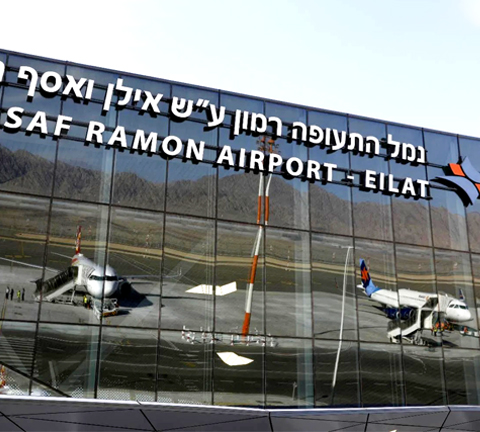
Ramon Airport: Consequences and Effect on Jordan
Policy analysis| This analysis tackles the Israeli announcement of launching the Palestinian West Bank passengers' first flights to Cyprus through Ramon Airport. The analysis seeks to analyze the consequences on Jordan, as well as the direct and indirect implications, via analyzing the Israeli motives, and reviewing the undeclared interests of the relevant parties.
Advertising space title
Description of the advertising space. Upon the client’s initial approval of the design, this text will be removed.

Geopolitical Crisis in the Artic: Effects on the International Security System
Strategic Summary | This summary addresses the importance of the Arctic in influencing the international system decades after being marginal and of limited influence. This importance is discussed in the context of strategic updates and the major military reinforcements made by the countries neighboring the North Pole, indicating that such region would enter into the epicenter of international conflict.
How Does the Political Employment of the Events in the Palestinian Territories Affect Jordan?
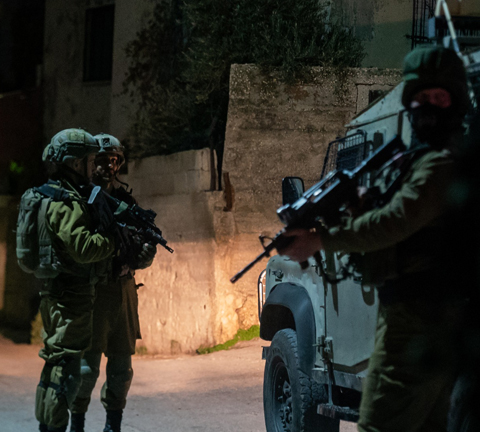
Strategic Summary | The accelerating developments, in the Palestinian territories and Israel, impose new repercussions on Jordan, as these developments demonstrate common factors that unite their parties (the Palestinian Authority, the Israeli government, and Hamas) centered on ensuring their political future, and in a way that may establish new understandings that may redefine the concepts of resistance and partnership. this may be negatively reflected on Jordan, politically and economically.
The Middle East from the perspective of Chinese national security
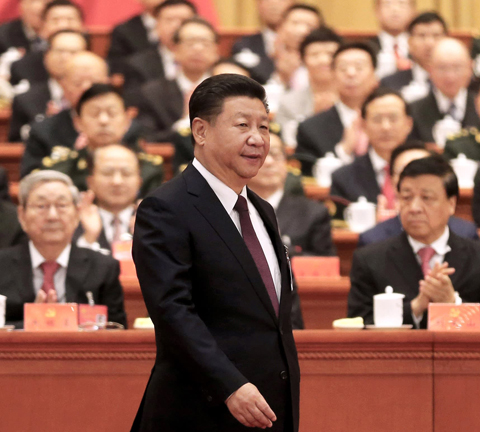
Policy Analysis| The paper sheds light on the Chinese national Security Law, in an attempt to determine the position of the Middle East in the calculations of this Law. The paper explains the differences this Law has comparing to its American counterpart of a geostrategic nature. The paper foresees the future of the Chinese presence, impacted by the international competition with Washington, the matter which necessarily requires examining the mechanisms of possible "clash" between China and the United States in the region, and the repercussions of such clash on regional security.
The “Decapitation” Strategy, Impact and Effectiveness: Al-Aqal and Al-Zawahiri as a Model
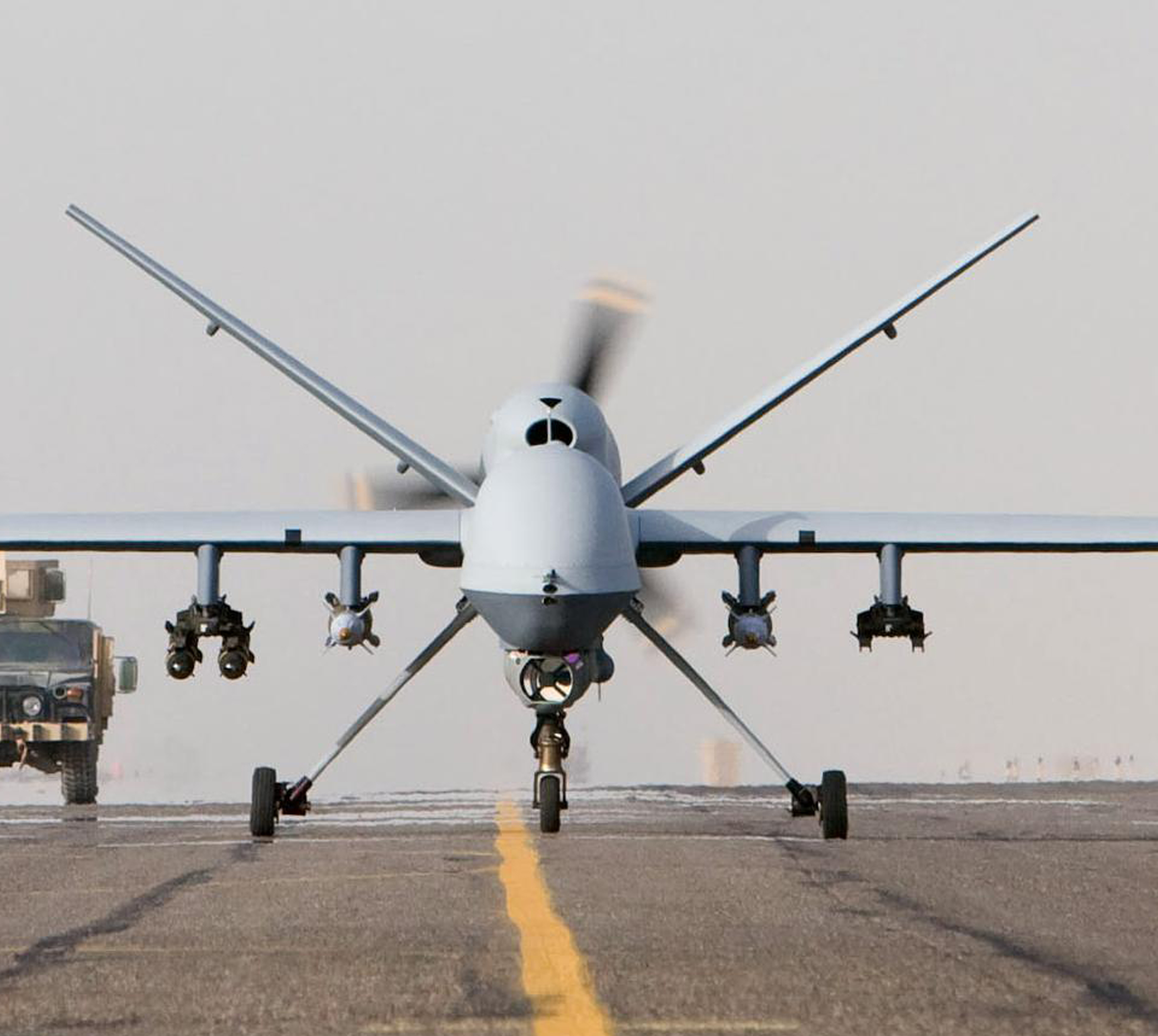
Policy analysis| This analysis examines one of the most prominent strategies in the context of counterterrorism, known as the "hard hammer" or "Decapitation" by the leaders of terrorist groups. As well as the historical development and the effectiveness of this strategy in creating, leadership gaps within terrorist organizations, and crises in choosing a successor, where such crises reached the point of divisions and defections. This analysis, then, addresses the decline and end of those organizations.
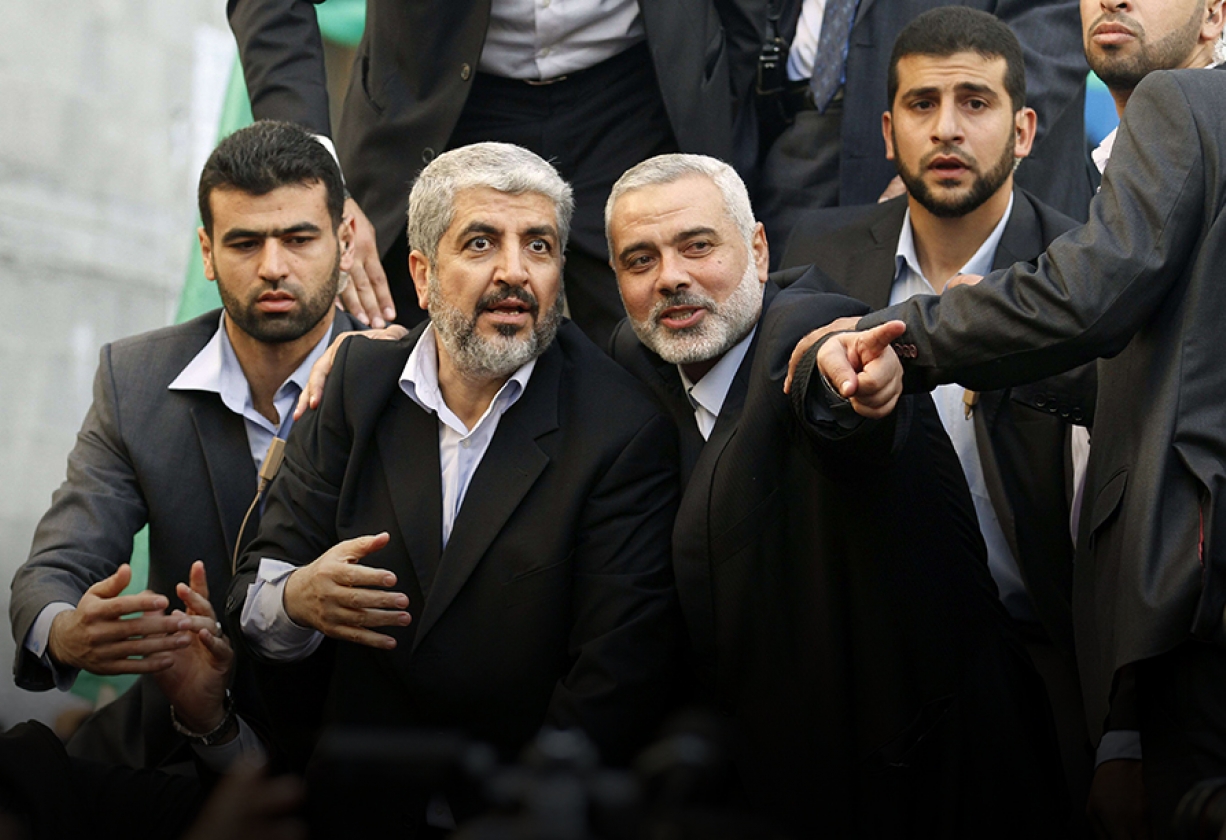
A NEW PHASE IN HAMAS POLITICAL PROJECT
This paper touches upon "Hamas" Movement's attitude towards the escalation between Israel and the Islamic Jihad Movement in Gaza Strip following the assassination of military leaders as well as a group of activists in the Islamic Jihad Movement, and it addresses the reasons for Hamas's neutrality towards military intervention against the Israeli attacks, and its demands to stop them without threatening to respond or participate in the process.