Publications
International and Global Trends
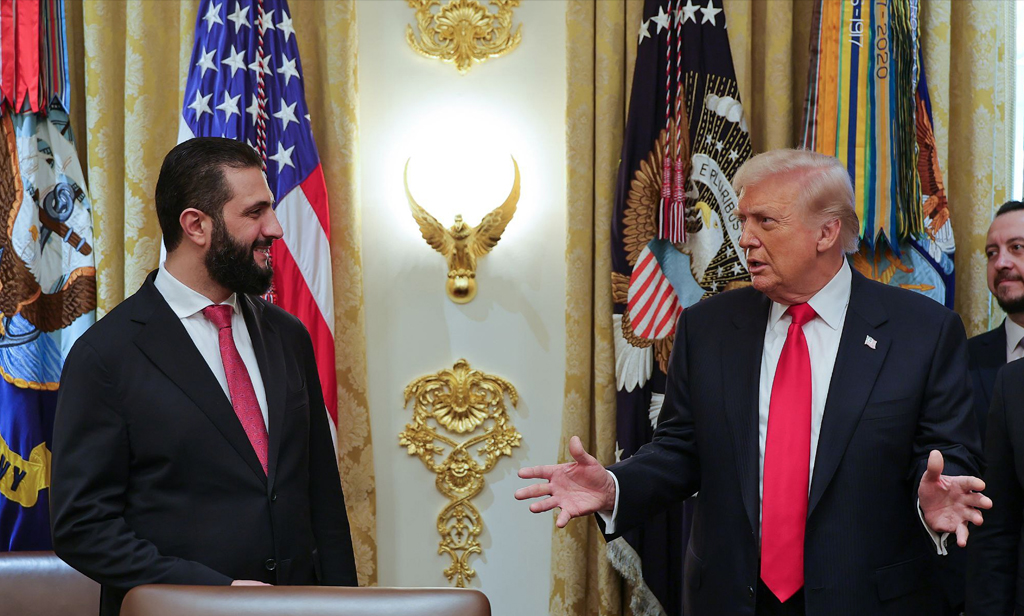
Real clear world: A former terrorist inside the white house
This article examines the unprecedented decision to welcome a former jihadist—long designated as a terrorist by the United States—into the White House. It traces his trajectory from al-Qaeda operative to interim president of Syria, raising urgent questions about a dramatic shift in U.S. foreign policy. The piece challenges readers to consider the consequences of legitimizing a figure whose past is inseparable from decades of extremist violence.

Countering Terrorism and Extremism
Sudan: The Country Hijacked by Islamists and Targeted for Burial by Iran
International and Global Trends
The Gaza War and the Military Deployments in the Region of the World’s Great Powers
The Palestinian–Israeli Conflict
Position Assessment: Potential Pathways of Conflict between Hamas and Israel
Emerging Threats and Non-Traditional Security
Asymmetric Threats:A Study in the Transformations of Traditional Deterrence Strategies
International and Global Trends
The Ukrainian Crisis And Its Repercussions On The Transformation Of Chechen Fighters From "Salafi-Jihadism" To "Sufism Jihadism"
Filter by:
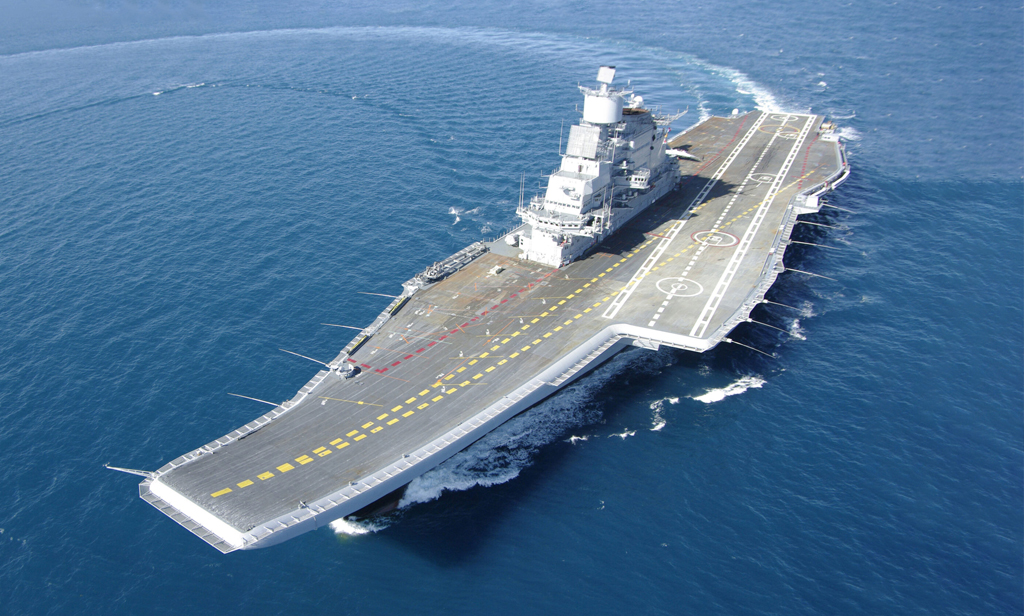
Indian Navy’s Role in the Indo-Pacific Strategy Framework
Strategic Assessment | This paper addresses India's role, within the framework of its national strategy, largely aligned with the U.S. strategy in the Indo-Pacific region. The paper also tackles the entities emanating from the Indo-Pacific understandings, such as the Quad quadrilateral, and the Anglo-Saxon Alliance (AUKUS); as well as Indian actions taken to counter China's attempts generally in monsoon lands.
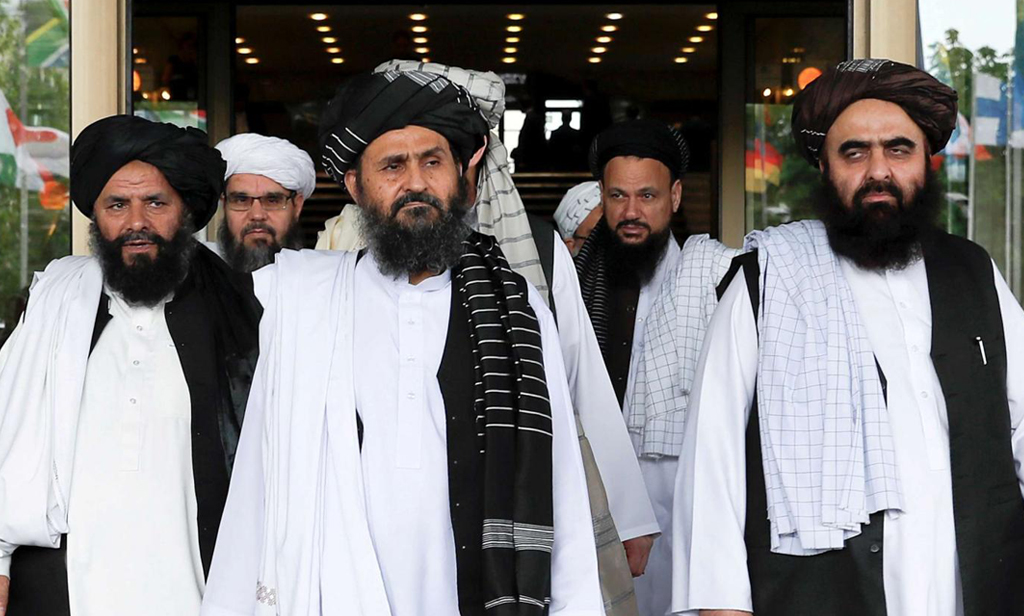
The Ruling Taliban: Domestic Challenges and Geostrategic Goals
News from Afghanistan is at the forefront of international capitals' attention, with Taliban Movement taking control of Afghan geography, marking a turning point in the history of a country that is ever engaged in international tensions, once in the collapse of the Soviet Union and then in the war on terrorism. The following paper outlines the most important "domestic" challenges facing the Movement in establishing sustainable and stable political governance. It also reviews Taliban in the highly competitive geostrategic perspective between Washington on the one hand and Beijing and Moscow on the other. The paper concludes by demonstrating the importance of gaining international recognition for the government that Taliban says it is forming with various parties, noting that such recognition will remain subject to Taliban’s ability to prove its good will in breaking with its past and building a new reality away from terrorism or extremism.
PRISM: Who Wants to Be A Great Power
After years of worrying about ethnic conflict and humanitarian intervention, civil wars and counterinsurgency, there is a renewed focus among policymakers, think-tankers, and academics on traditional strategic concerns and in particular confrontation between competing great power who aspire to achieve their goal of being a superpower; Accordingly, What are the negative and positive implications of achieving this goal?
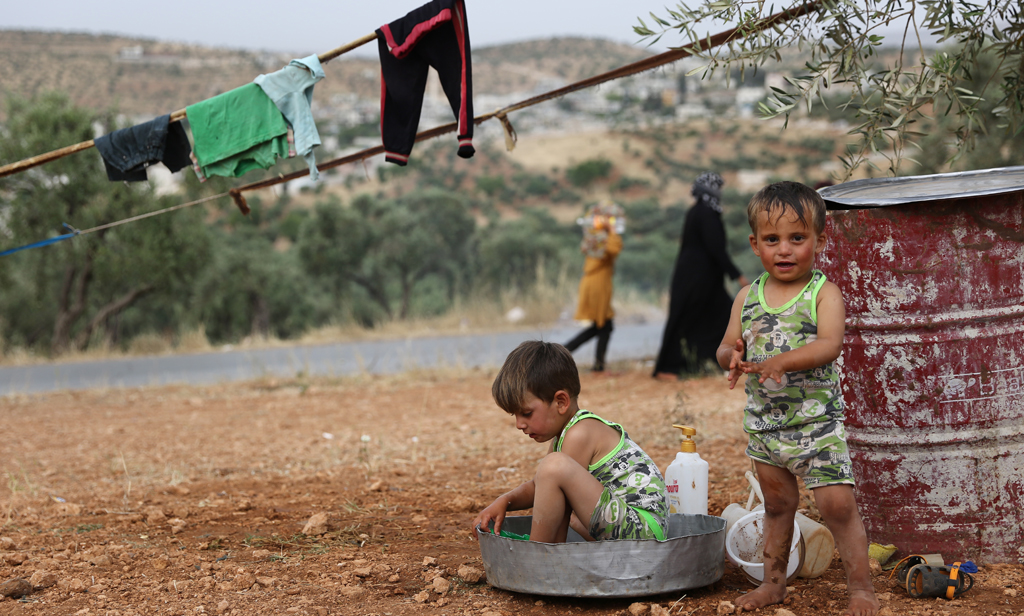
Arab World as Reflected in Some Global Indicators: What Do the Numbers Tell Us?
Looking at several and comprehensive indexes offers a broad perception of the ranking of any state or region to the entire world. This is done by measuring the dynamic changes in the fields of development, economics, local politics, security, and peace. Accordingly, this article introduces a wider perspective of the situation of Arab countries in a number of selected global indexes.
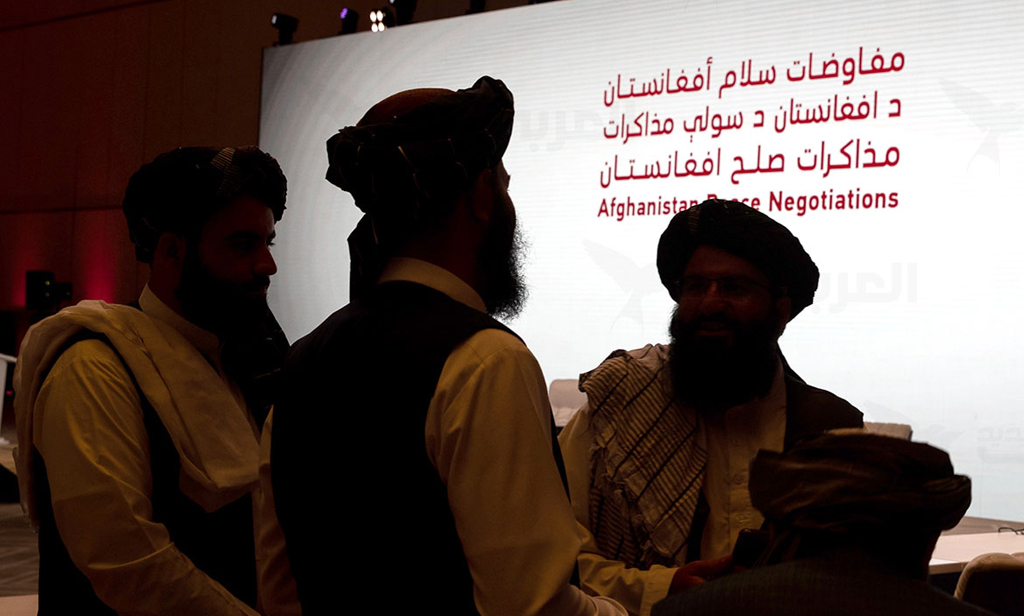
"The Afghanistan Papers" and the future's peace with Taliban
the report out-looked the difficulty of moving the external agreement (of Washington and Taliban) to a local level (the Afghani government and Taliban) , as Taliban does not want to grant the Afghani government the legitimacy through a serious agreement for a shared governance, and the Afghani government, as well, is reluctant to show a flexibility in dealing with a party that is involved in killing civilians and military personnel in fear that it might make it look weak, tolerant and willing to make concessions.
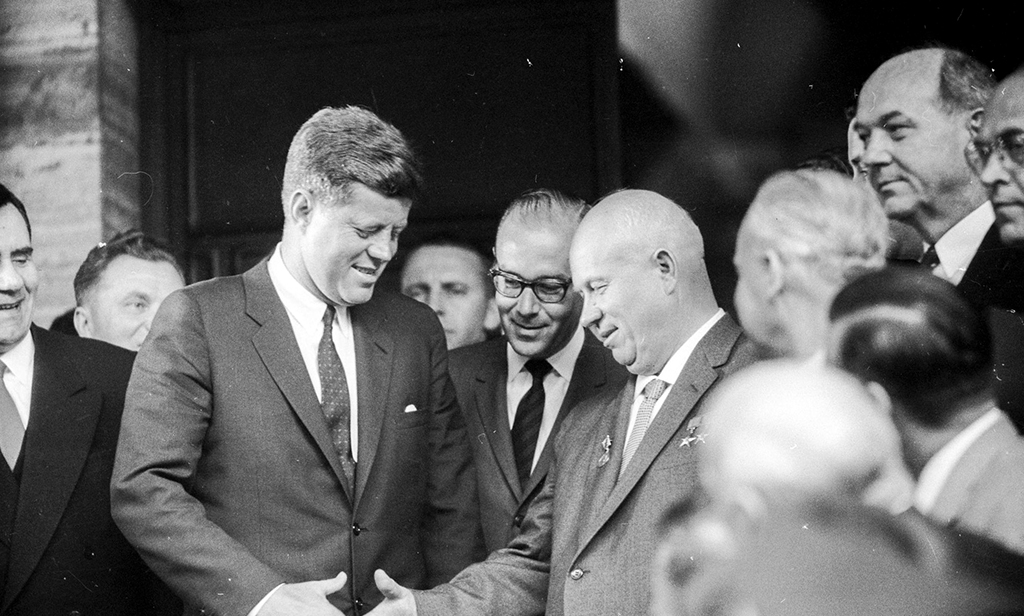
International Crises: Possible De-escalation or Heightened Tensions?
While offering a theoretical definition of the term "international crises" and the required criteria to categorize an event as an "international crisis", the report cites historical events of international crises that had negative and positive effects on the nature of major international interactions. The report also explains, in theory, the reason behind considering the Coronavirus epidemic as an international crisis, providing key lessons learned from past international crises, to expedite the process of economic and political recovery in the post-Coronavirus stage.
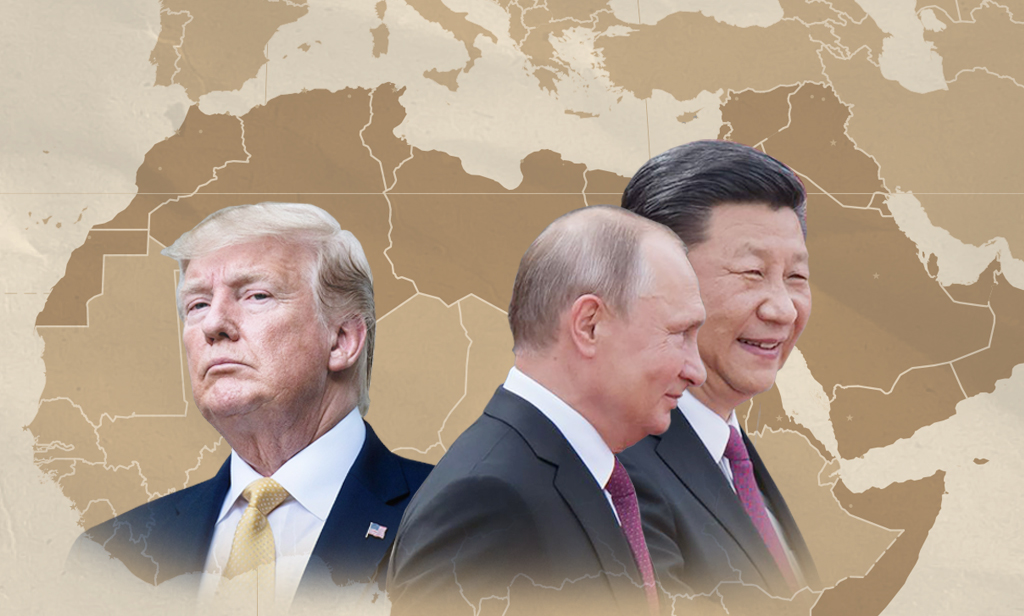
Strengthening Strategic Stability in the Middle East
For the last twenty years, the U.S. played the role of the guarantor of security in the Middle East, however, doubts increase over possible U.S. intent to disengage from the region, and despite signs of the U.S. remaining in the region, there are also solid indications of an intent to partially leave it. Thus, this paper assesses the hypothesis that the U.S. may seek to partially disengage from the Middle East, by proposing a set of strategic options should Washington increase its "partial disengagement" measures.
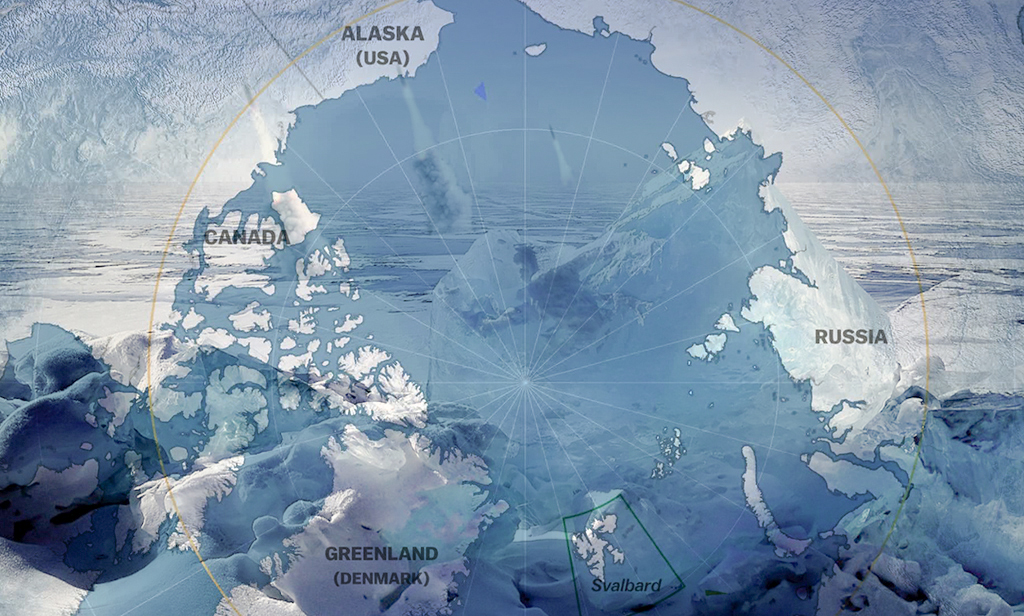
The Cold War in the Arctic Circle
Following the decline of a large proportion of its ice cover, will the Arctic Ocean become an arena for an arms race between the NATO and Russia? How will the Middle East region be affected by the climate change in the Arctic? This article discusses the strategic importance of the North Pole and answers the previous two questions.
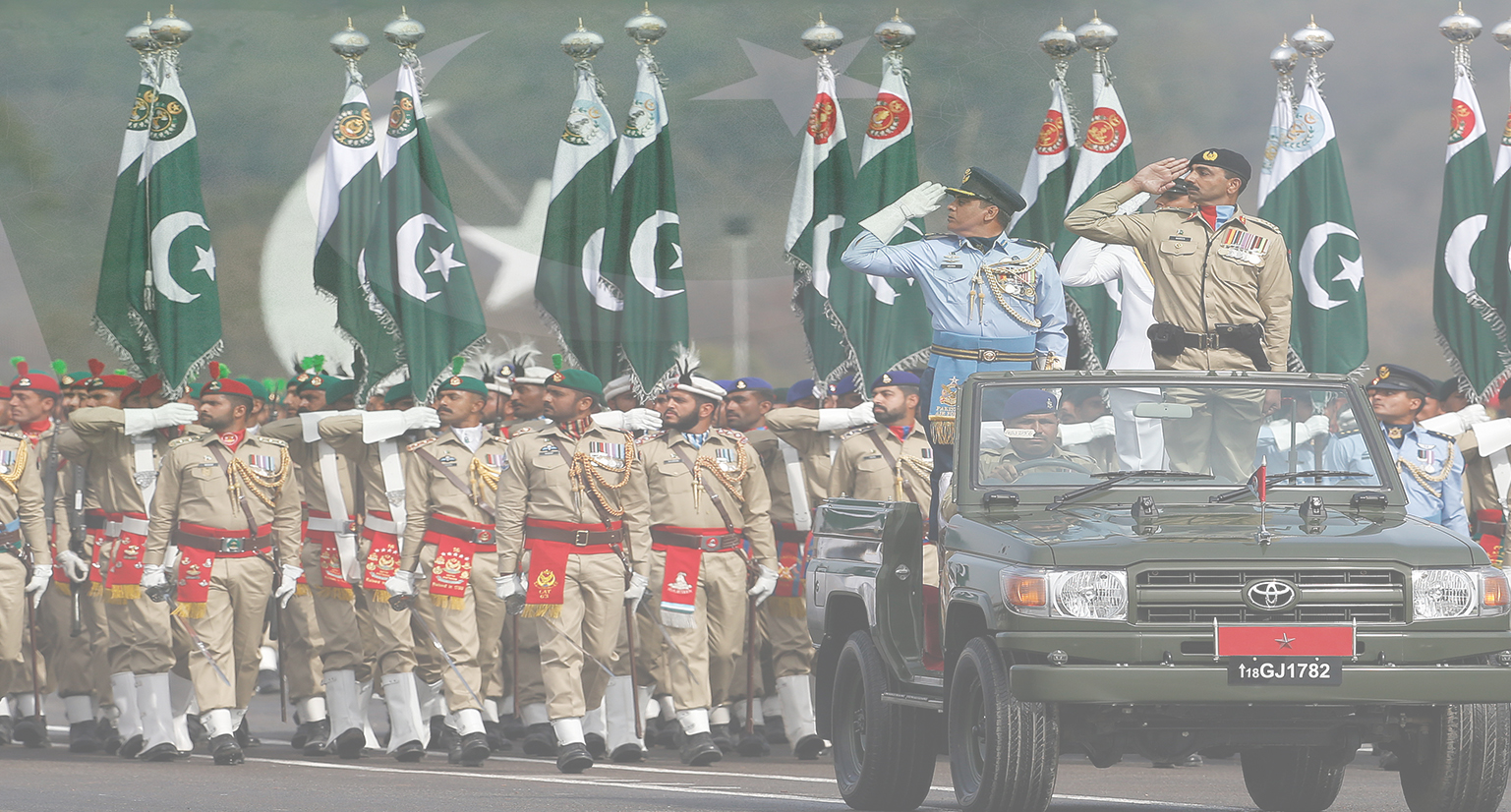
Can Pakistan Be a Regional Counterbalance?
This paper discusses Pakistan’s recent endeavors to position itself as a sovereign state with central importance in balancing the Greater Middle East. This is evident by the country's efforts to combat terrorism and achieve progress in developmental, economic, and military fields in spite of the major challenges, both at the internal and external levels. In its reference to the new Prime Minister Imran Khan, who arose as a popular reformist leader, the paper highlights the principles of his strategy as well as the military aspect of Pakistan. Pakistan’s foreign relations with other regional countries were also examined in addition to the role Pakistan plays in these countries.