International and Global Trends
Strengthening Strategic Stability in the Middle East
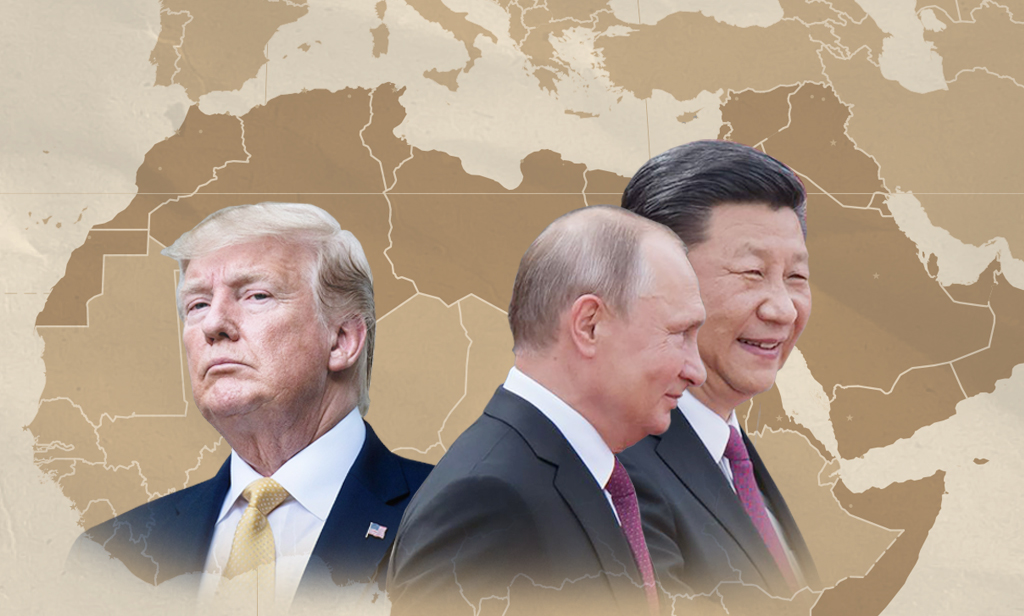
For the last twenty years, the U.S. played the role of the guarantor of security in the Middle East, however, doubts increase over possible U.S. intent to disengage from the region, and despite signs of the U.S. remaining in the region, there are also solid indications of an intent to partially leave it. Thus, this paper assesses the hypothesis that the U.S. may seek to partially disengage from the Middle East, by proposing a set of strategic options should Washington increase its "partial disengagement" measures.
Author: Policy Analysis Team
Date of publication: 08/07/2020








For the last twenty years, the U.S. played the role of the guarantor of security in the Middle East, however, doubts increase over possible U.S. intent to disengage from the region, and despite signs of the U.S. remaining in the region, there are also solid indications of an intent to partially leave it. Thus, this paper assesses the hypothesis that the U.S. may seek to partially disengage from the Middle East, by proposing a set of strategic options should Washington increase its "partial disengagement" measures.

This study expresses the viewpoint of its author, and the Strategies Center does not bear any responsibility resulting from the position or opinion of its author regarding security, political, economic, social, and other issues, and does not necessarily reflect the position and/or viewpoint of the Center.
Advertising space title
Description of the advertising space. Upon the client’s initial approval of the design, this text will be removed.
Most viewed publications
Jordan's Railway Projects: Aspirations and Challenges
Sudan: The Country Hijacked by Islamists and Targeted for Burial by Iran
Asymmetric Threats:A Study in the Transformations of Traditional Deterrence Strategies
The Gaza War and the Military Deployments in the Region of the World’s Great Powers
Amman, Cairo, and Baghdad: Towards a pioneering development partnership
More analyses
International and Global Trends
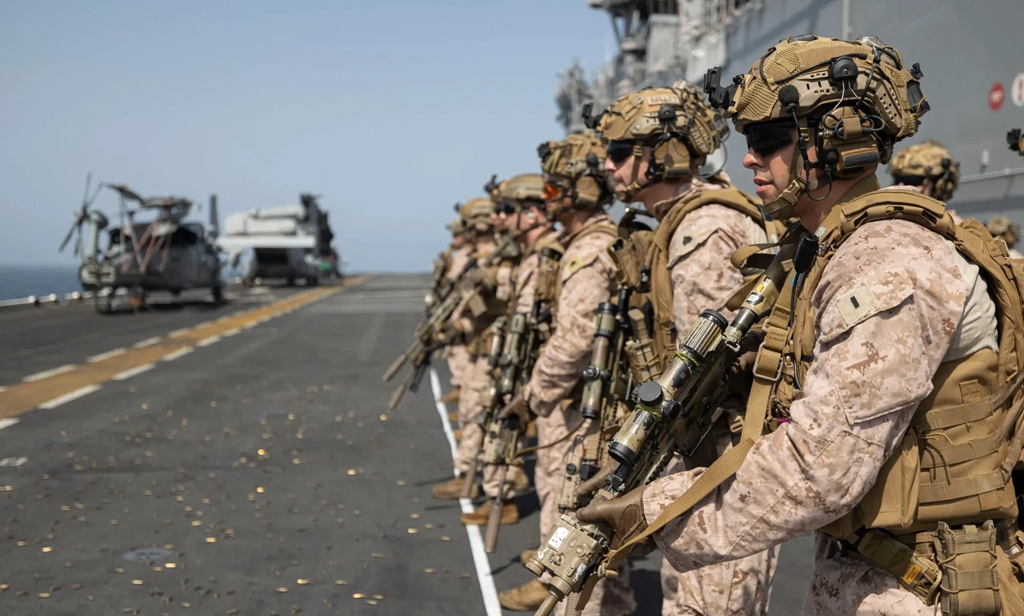
The Gaza War and the Military Deployments in the Region of the World’s Great Powers
The military operation initiated by Palestinian factions on October 7 unveiled numerous regional and international dynamics, highlighting the roles of each party in this conflict. This issue extends b
Arab policy
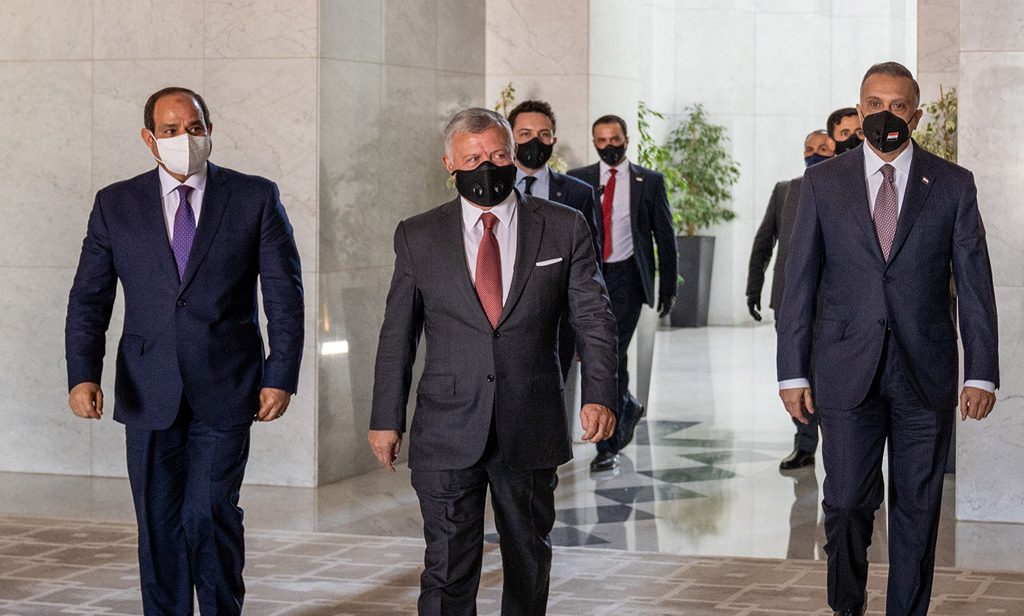
Amman, Cairo, and Baghdad: Towards a pioneering development partnership
Amman, Cairo, and Baghdad are engaged in quiet and intensive talks to formulate a framework of a multi-domain development partnership, thus, numerous official and technical meetings aimed at studying the opportunities that each country has...
International and Global Trends
Arab World as Reflected in Some Global Indicators: What Do the Numbers Tell Us?
Looking at several and comprehensive indexes offers a broad perception of the ranking of any state or region to the entire world. This is done by measuring the dynamic changes in the fields of development, economics, local politics, security, and peace. Accordingly, this article introduces a wider perspective of the situation of Arab countries in a number of selected global indexes.
Regional Trends
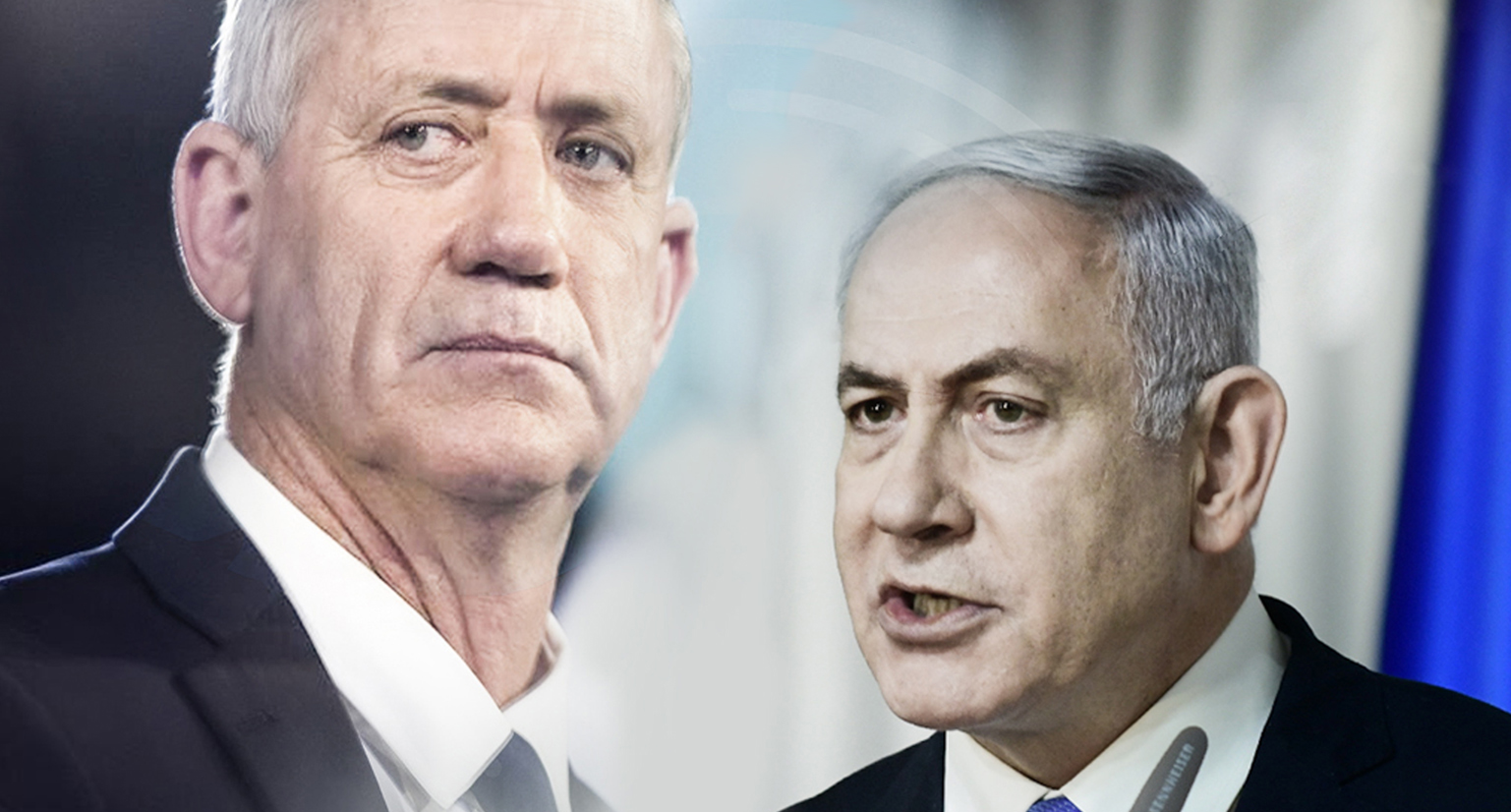
The Knesset Elections: Reshaping Israel's Status Quo
This paper, therefore, examines the multiple dimensions of this crisis and its impact on Israel's political powers and, in turn, their role in affecting the crisis. The paper also attempts to recognize if such an unprecedented level of congestion is attributed to an international dimension while presenting the expected scenarios of the Israeli situation amid a political vacuum.