Analyses
Filter by:
Israeli-U.S. Military Operation Scenarios and Iranian Responses
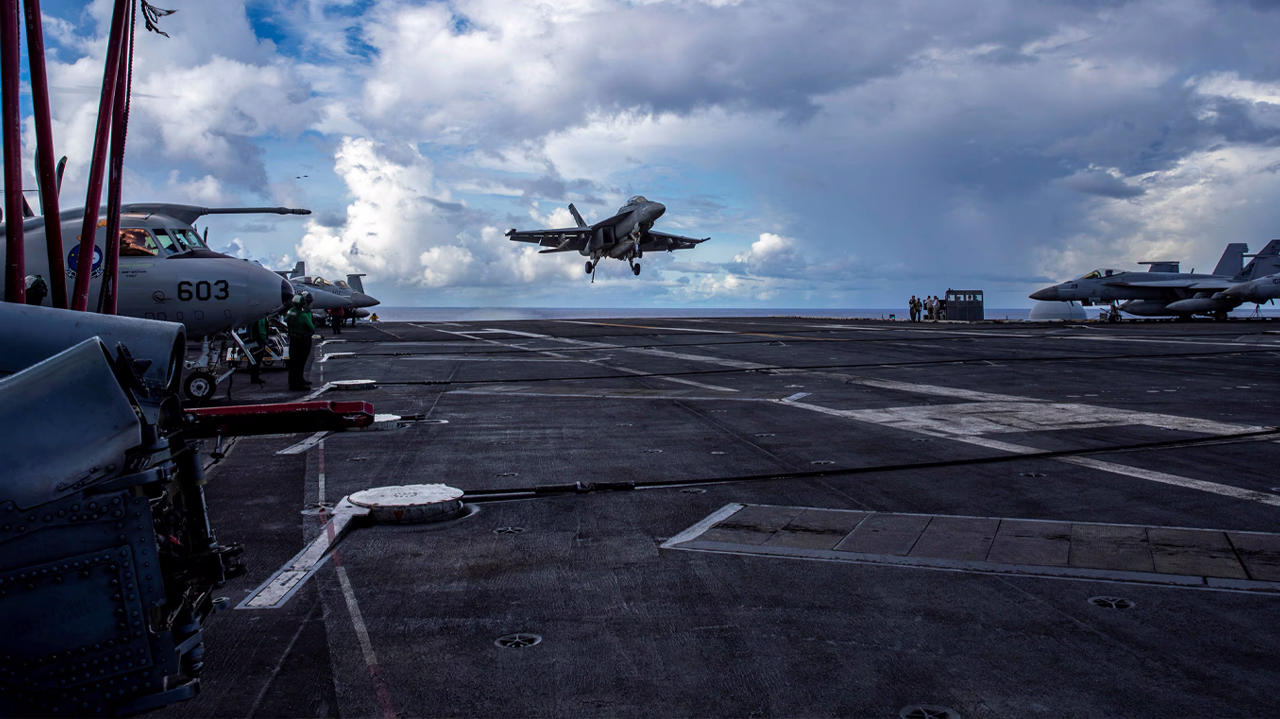
The Israeli- U.S. joint military operation against Iranian targets is still in its early stages, but it is intertwined with the war development in the Gaza Strip, particularly following the direct exchange of attacks in April 2024 and the escalation in October. The military operations were further expanded on June 13, 2025, with Israel launching a military operation against the Iranian capabilities, which was then followed by the U.S. “Operation Midnight Hammer” on June 22, 2025, targeting three nuclear facilities: Fordow, Natanz, and Isfahan.
Trump’s Plan: Second Phase Scenarios
With the launch of the second phase negotiations of U.S. President Donald Trump’s plan to achieve a ceasefire in the Gaza Strip, the two-year war is entering a new stage that may bring about unexpected developments. While attention is focused on the major issues on the negotiating table, it seems that the fine details within the more complex files may prove decisive in shaping a new reality on the ground—and perhaps a political and security reality that does not align either with current expectations or the declared terms of the plan.
Will “Trump’s Plan” Succeed in Achieving a Ceasefire and Peace?
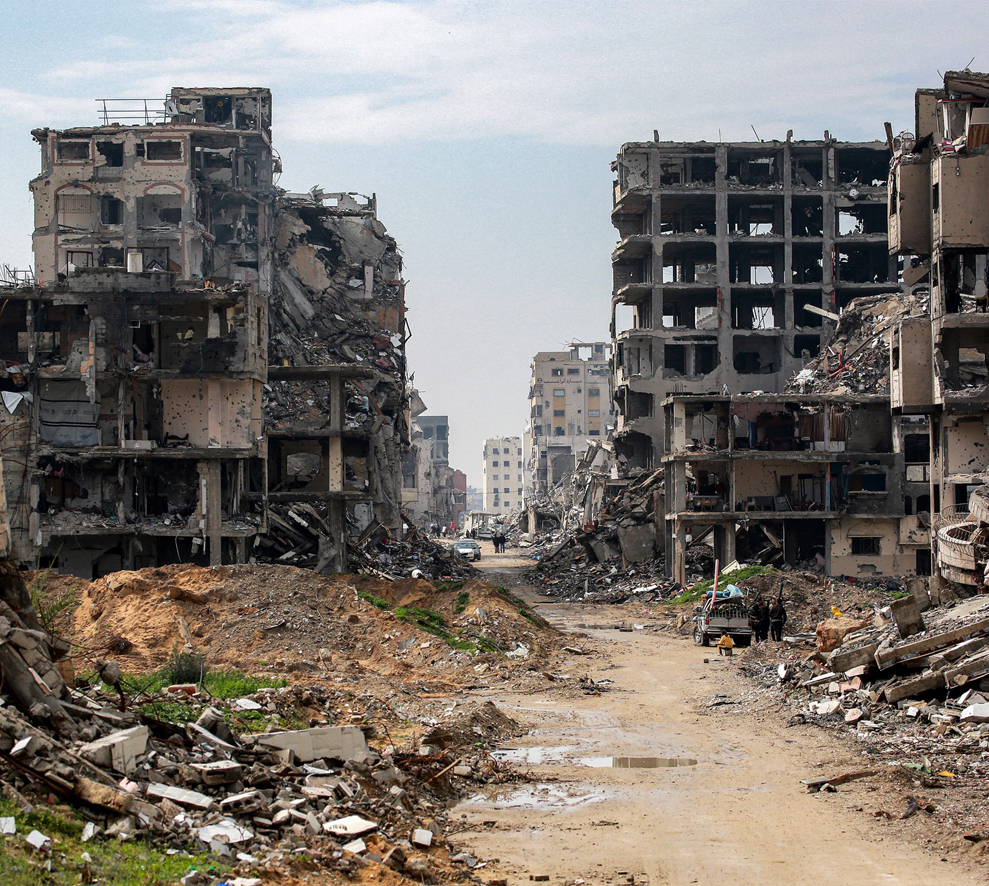
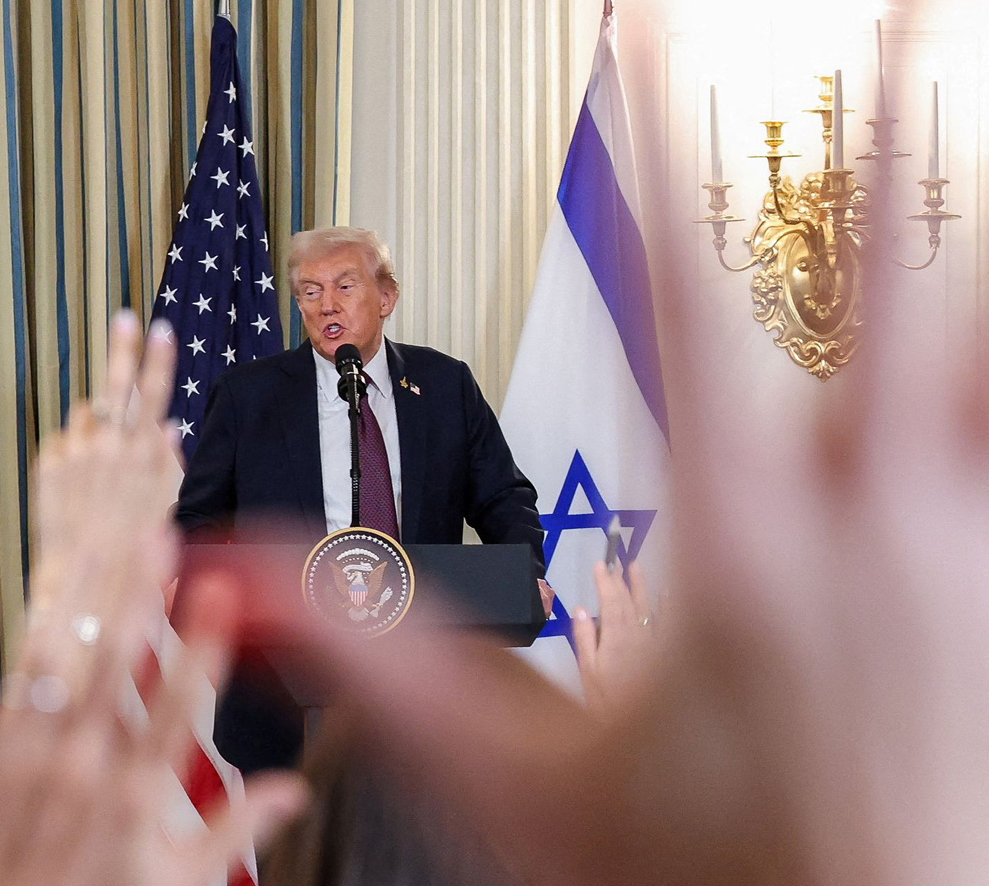
U.S. President Donald Trump’s plan to establish a ceasefire in Gaza faces complex challenges, including Hamas’s stance and the plan’s own structural and organizational weaknesses, making its implementation difficult. Although presented as a comprehensive framework to end the war, Hamas’s response and the U.S. welcome of it have effectively dismantled the plan’s unity, turning it into a gradual approach that begins with releasing detainees in exchange for halting military operations, while postponing the remaining provisions to later negotiation phases. The plan also falls short of addressing Gaza’s urgent humanitarian needs, which risks triggering indirect waves of displacement. Given the plan’s complexity and the failure of previous gradual approaches, the future of the war and the fate of the Gaza Strip remain open to multiple scenarios.
Gaza’s Society: Roles and Effectiveness in Light of the Political and Security Vacuum
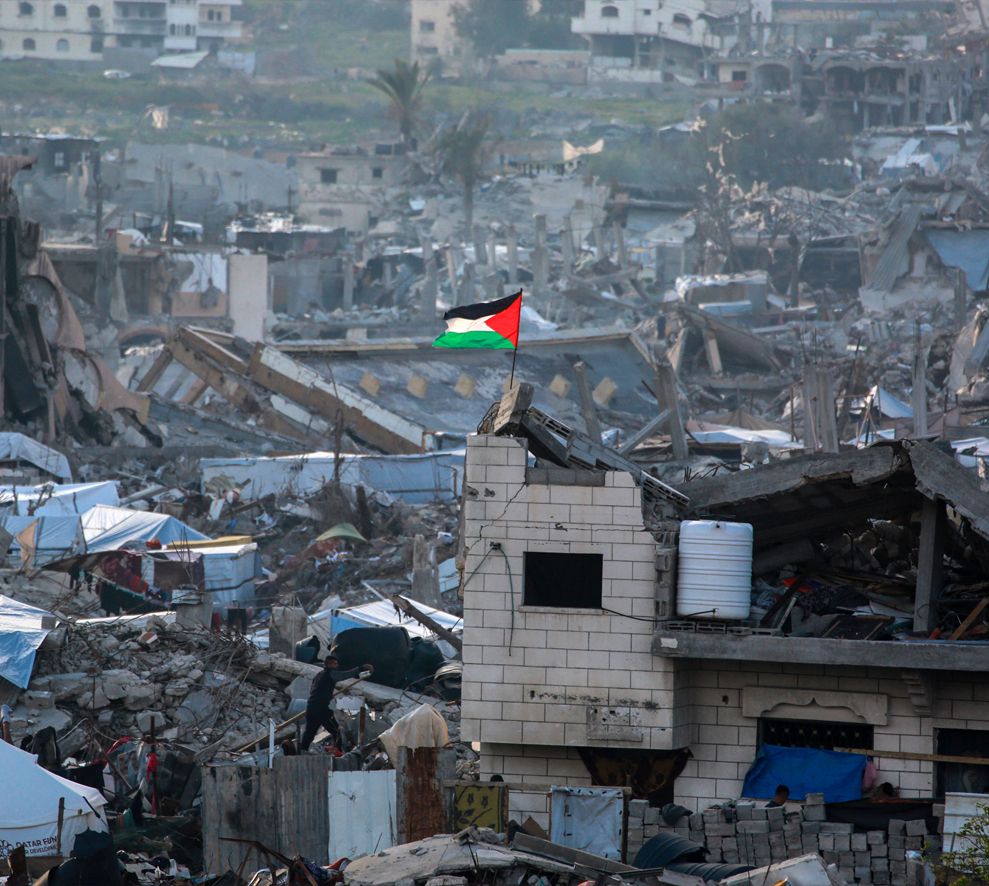
Israel has systematically worked to dismantle Hamas’s governing structure in Gaza, targeting its administrative and security institutions. This has left a vacuum in the management of civil and security affairs, prompting clans and local committees to assume temporary service and organizational roles in the absence of a central alternative. At the same time, Israel seeks to employ these formations within a model of “utilization without empowerment” in an attempt to replicate the experience of the Palestinian Village Leagues in an updated form—without offering any organized political alternative. This reflects a fragile reality in which societal necessity intersects with Israeli calculations.
Advertising space title
Description of the advertising space. Upon the client’s initial approval of the design, this text will be removed.
The American-Israeli Proposal and the Shift Towards a Unilateral Path in the Gaza Strip
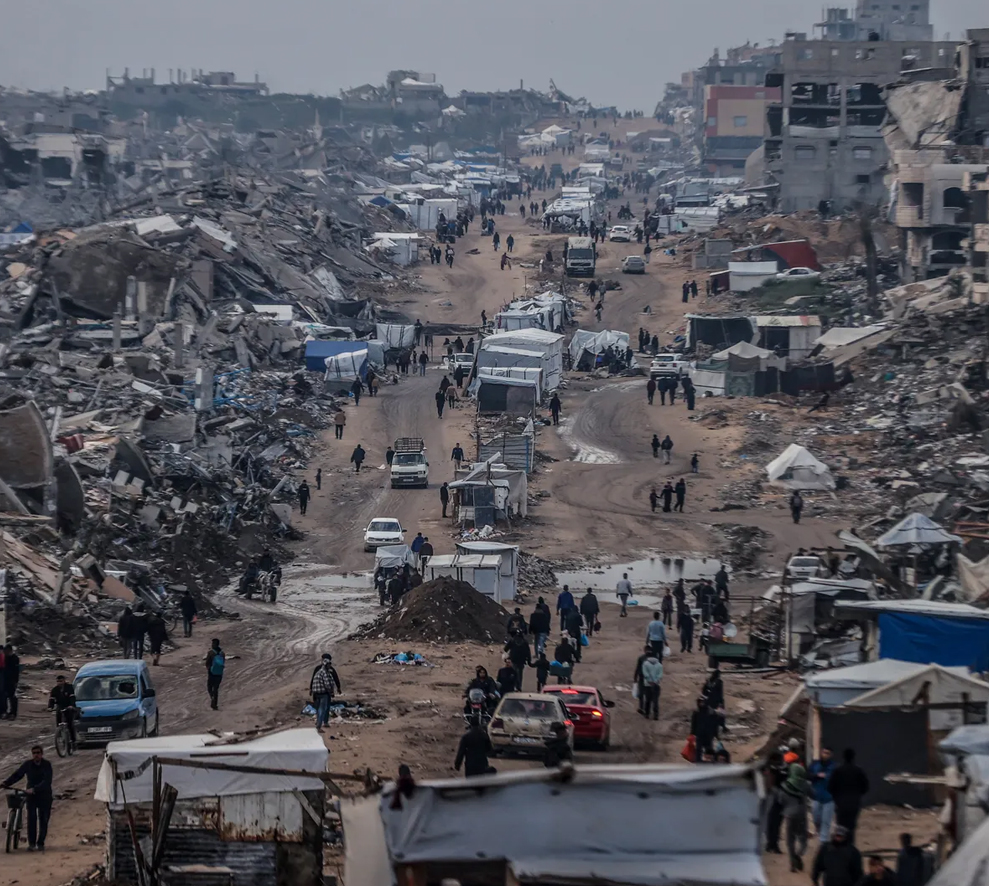
The Israeli-American track is witnessing a qualitative shift with U.S. envoy Steve Witkoff announcing a comprehensive “all or nothing” agreement to end the war in Gaza. The deal includes the release of detainees, the disarmament of Hamas, reconstruction, and the imposition of an international administration led by Washington—a unilateral course that sidelines Hamas from any negotiating role. The deal coincides with an Israeli plan to occupy the Gaza Strip in stages, impose security control, and establish an alternative civilian administration. This approach aims to enforce “day-after” conditions that ensure Israeli objectives are a fait accompli.
The Gaza Humanitarian Foundation’s Role in the Post-War Gaza Equation
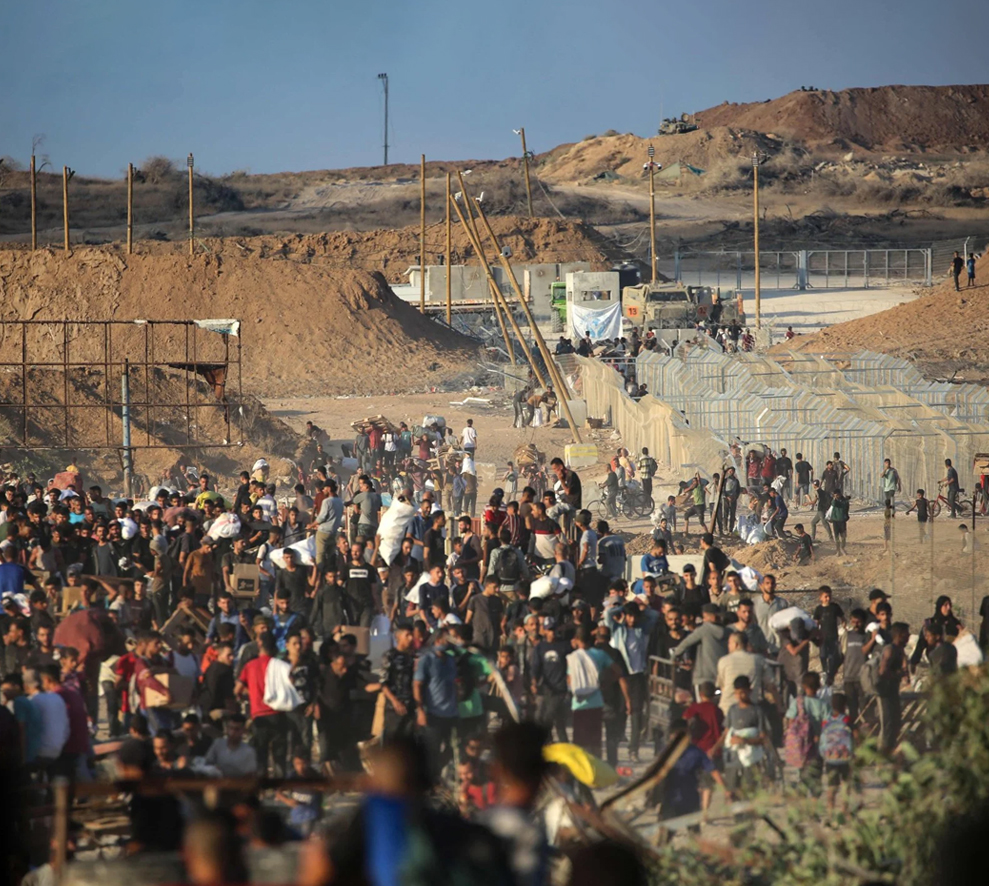
The humanitarian landscape in the Gaza Strip is undergoing a significant transformation with the launch of the Gaza Humanitarian Foundation (GHF). Overseen by former U.S. military officers, the GHF provides aid and security to support the Israeli strategy of dismantling Hamas’s rule and reshaping governance in the Strip. Amid the declining role of UN agencies, the GHF has emerged as an invaluable tool for reengineering the population landscape through projects such as the "Humanitarian City" and “Safe Bubbles”.
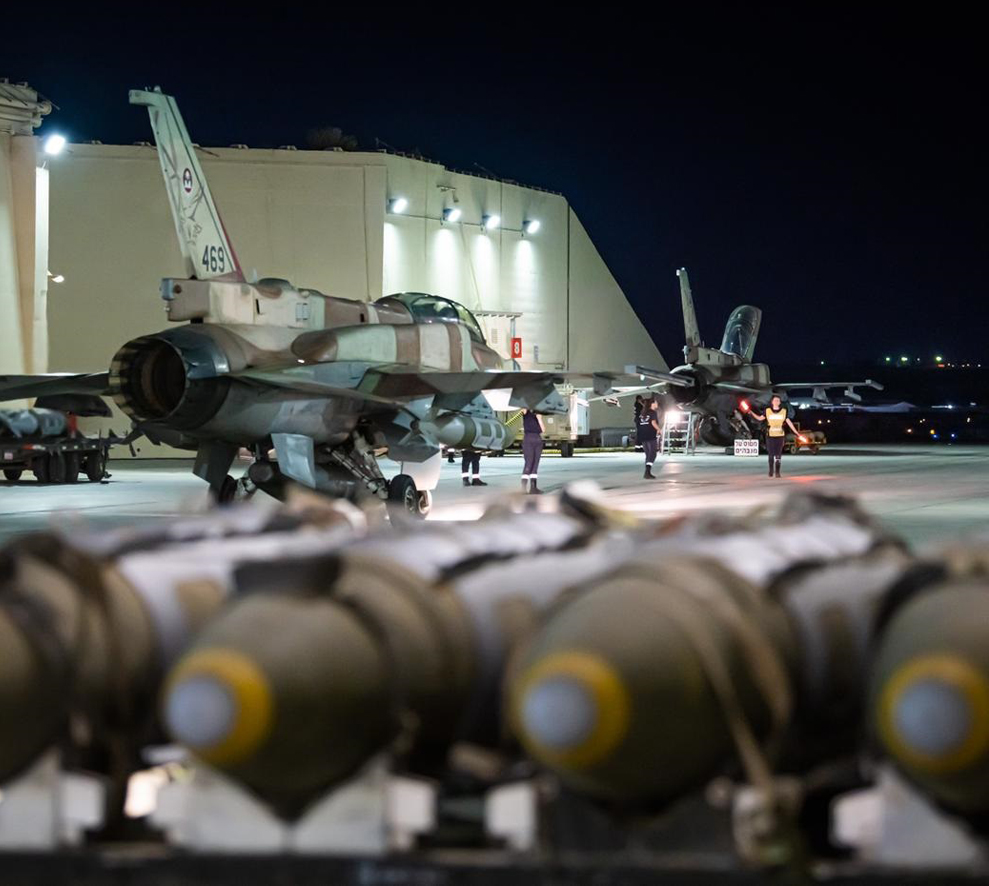
Using the Heimlich Maneuver to Shift the Regional Security Landscape
The Middle East is undergoing a drastic transformation following Israel’s success in dismantling the Iranian encirclement through the "Heimlich maneuver"—an operation that shifted the confrontation from Israel’s borders deep into Iranian territory. This move has redrawn the balance of power and opened the door to a new regional reality built on effective deterrence and a range of choices between escalation and settlement.
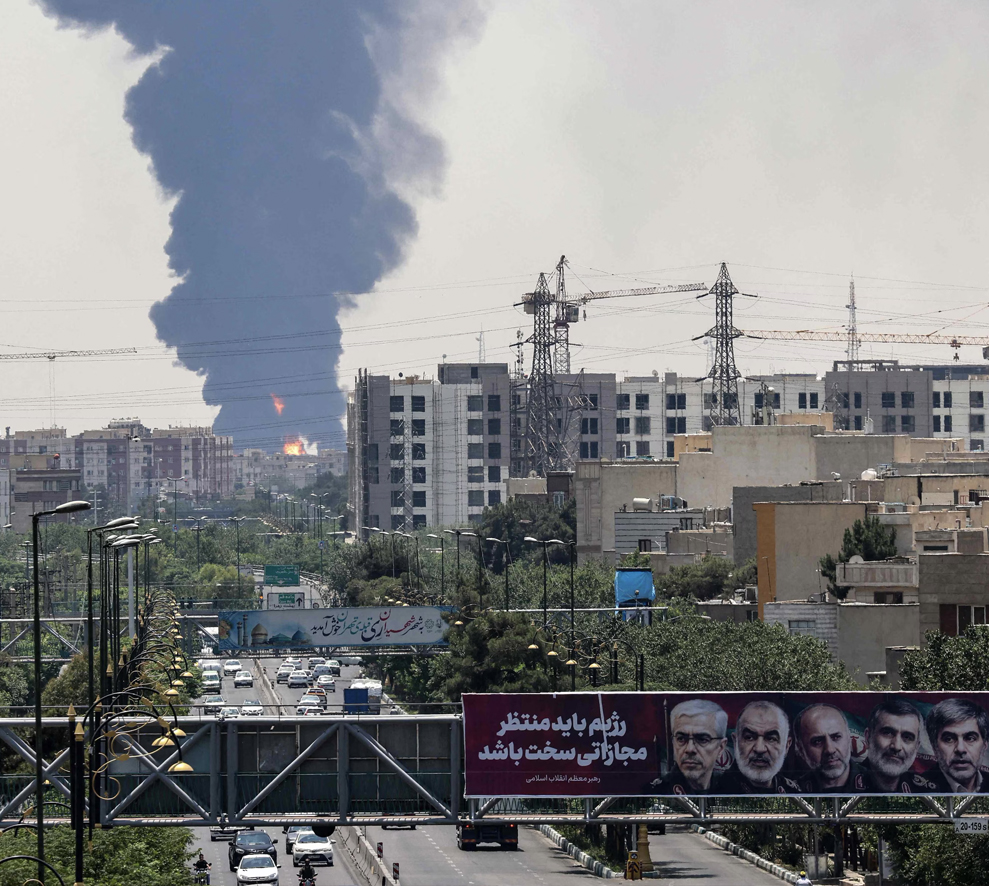
The Paths of the Israeli Military Operation against Iranian Capabilities
The Israeli attacks targeting Iran’s military command structure and its defensive and offensive capabilities place the upcoming developments within a framework of several trends and trajectories. These can be outlined based on the overall events that have unfolded in the region and among Iran’s proxies since the outbreak of the war in the Gaza Strip. Additionally, the scale of the strikes suggests that they were not a passing event or merely a pressure tactic against Iran, but rather primarily aimed at consolidating the regional landscape and post-war order.
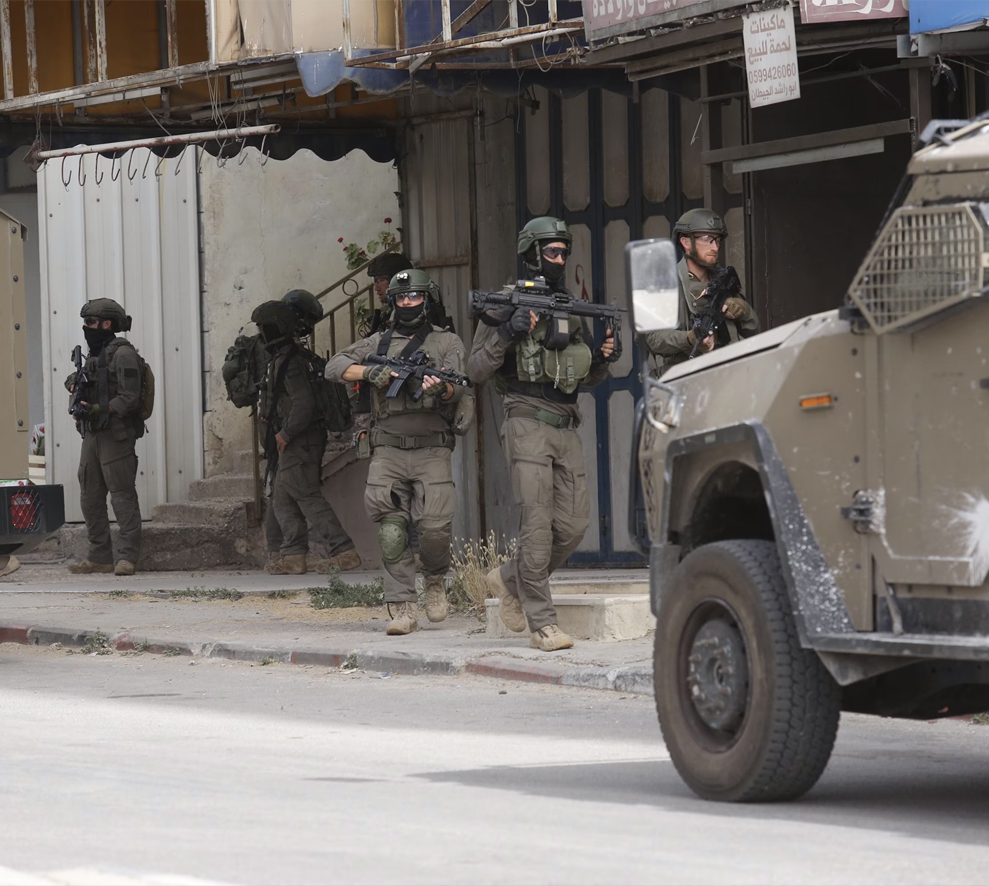
Operation Gideon’s Chariots: Is It the Last Stage of the War?
Operation Gideon’s Chariots marks an unprecedented Israeli escalation in the Gaza Strip, aimed at dismantling Hamas and redrawing the region’s demographic and military map, amid mounting international and regional pressure. Despite its ambition to end the war, Israel faces internal and external challenges that could turn the operation into a critical turning point: either a decisive resolution, a prolonged war of attrition, or a political breakthrough that brings an end to the ongoing conflict.