Analyses
Filter by:
After the Assassination of Khamenei: Scenarios for the Third Supreme Leader
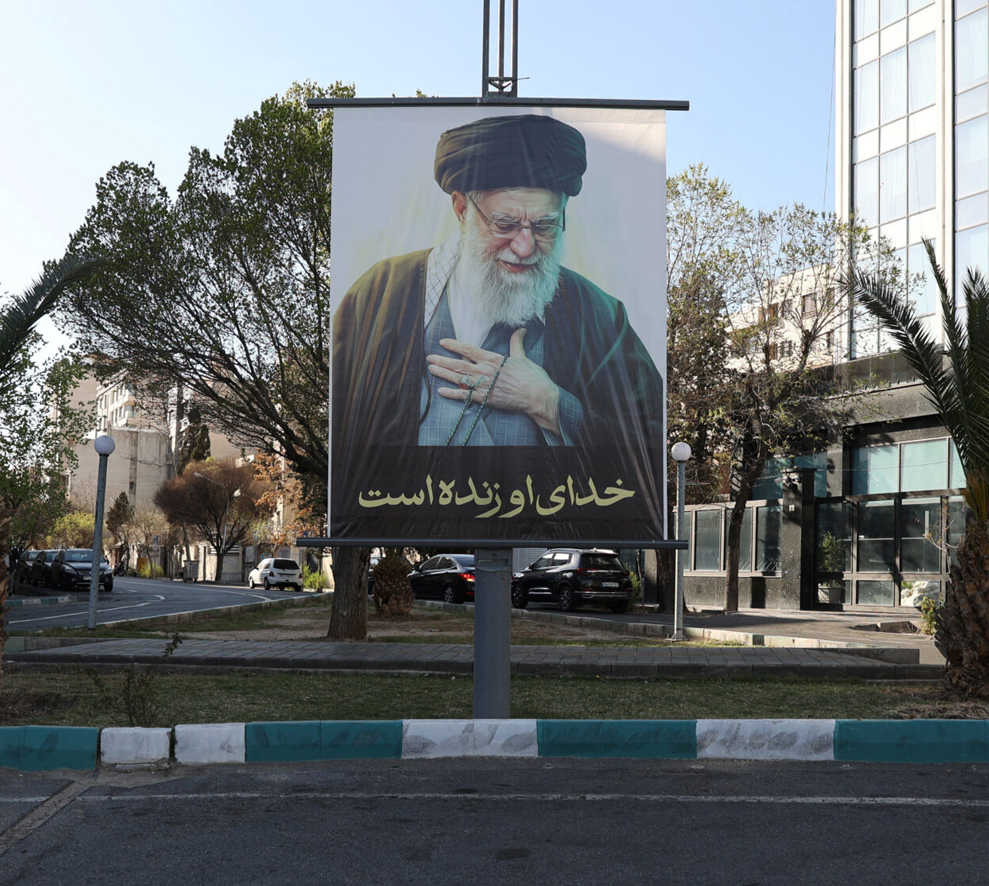
The assassination of Iran’s Supreme Leader Ali Khamenei represents a pivotal moment in the history of Iran. It opens a complex phase of political transition in light of the U.S.-Israeli war on Iran, mounting internal pressure, and the intensifying competition between the reformists and hardliners. The succession of the Supreme Leader may ultimately be determined either through constitutional mechanisms or through the Interim Leadership Council. Three main scenarios emerge: the continuation of the existing power structure with a new conservative Supreme Leader, a redistribution of authority that reduces the powers of the Supreme Leader in favor of the elected institutions, or a structural change that could affect the Guardianship of the Islamic Jurist principle and nature of the regime, depending on the course of the war and the internal balances.
Israeli-U.S. Military Operation Scenarios and Iranian Responses
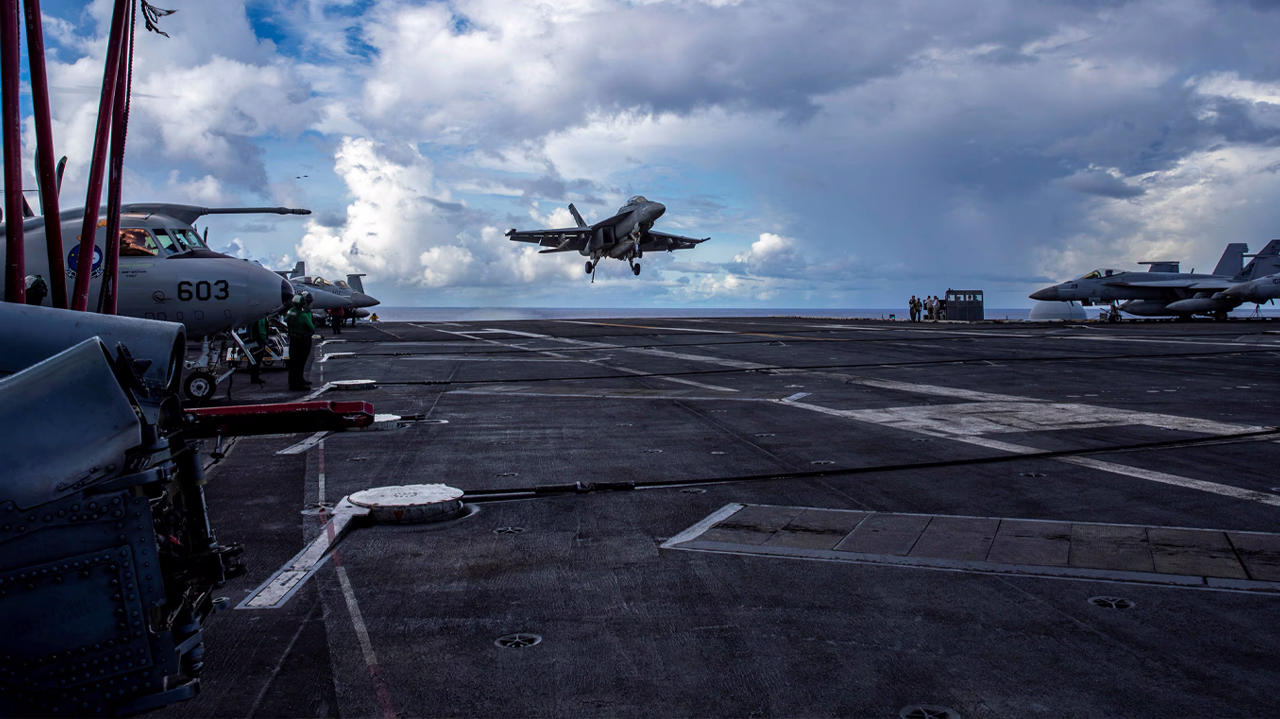
The Israeli- U.S. joint military operation against Iranian targets is still in its early stages, but it is intertwined with the war development in the Gaza Strip, particularly following the direct exchange of attacks in April 2024 and the escalation in October. The military operations were further expanded on June 13, 2025, with Israel launching a military operation against the Iranian capabilities, which was then followed by the U.S. “Operation Midnight Hammer” on June 22, 2025, targeting three nuclear facilities: Fordow, Natanz, and Isfahan.
The Arab Stance Amid Regional Variables
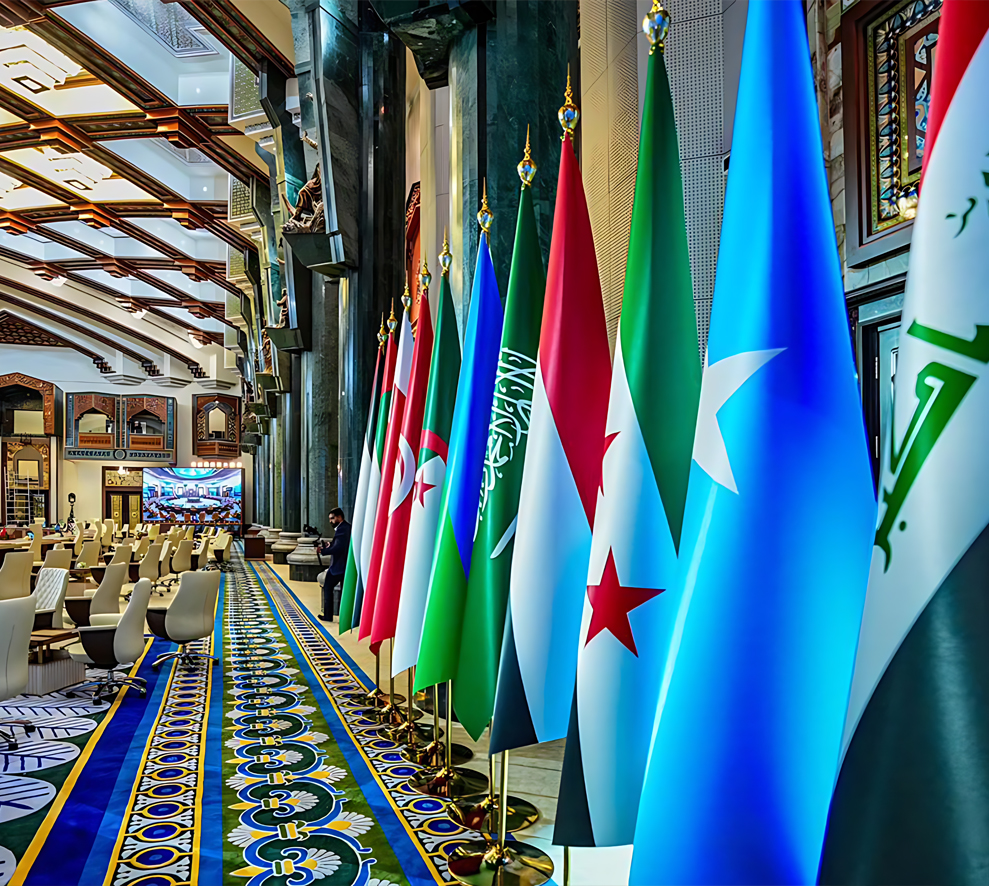
The war in the Gaza Strip and its repercussions on Lebanon and Syria, culminating in its spillover into the Iranian heartland in June 2025, marked a turning point in the balance of power that has prevailed since 2003. This shift resulted in the decline of the Iranian influence and the emergence of Israel as a central actor, and it rearranged the Arab alliances that began to fill the vacuum left by Tehran’s retreat. Worried about Israel turning into a dominant power, Arab states seek to re-engineer the regional balance to formulate a system based on cooperation rather than influence.
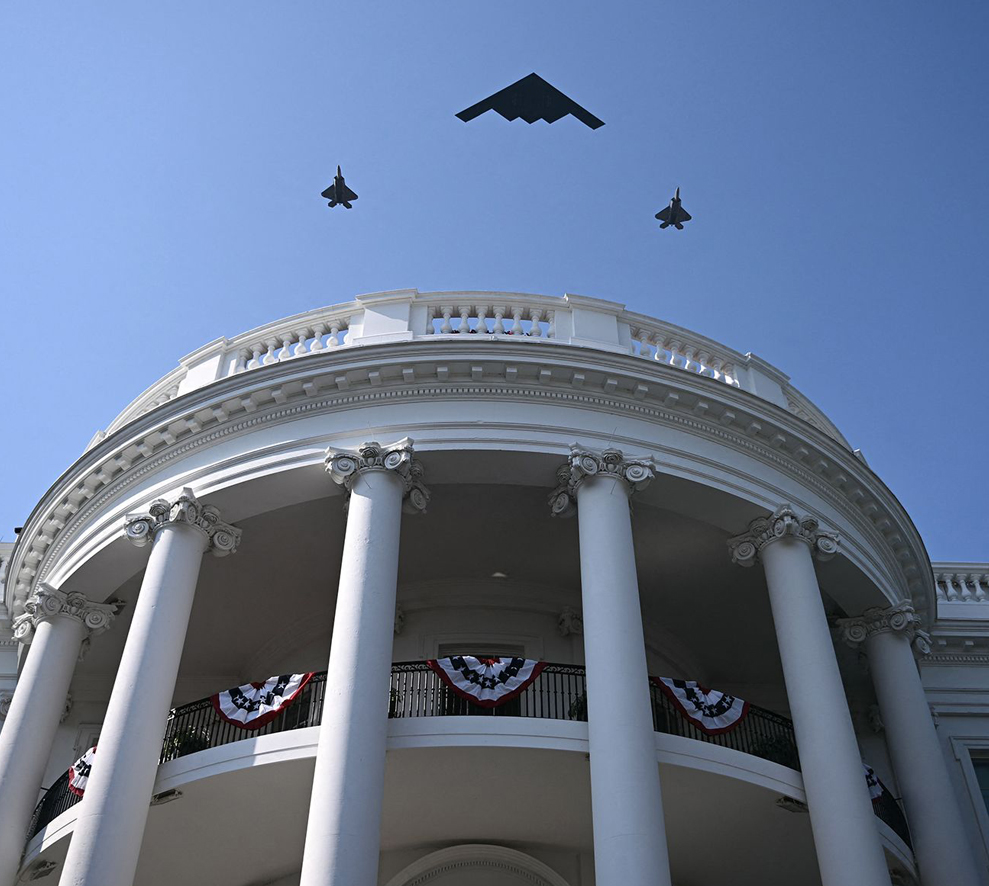
How the B-2 Stealth Bomber Changed the Course of U.S.–Iran Negotiations
The U.S. airstrike on Iranian nuclear facilities in June 2025, carried out as part of “Operation Midnight Hammer,” marked a fundamental turning point in the trajectory of negotiations between Washington and Tehran. The United States shifted from a strategy of economic pressure and multilateral diplomacy to the direct use of military force, in unprecedented alignment with Israel’s approach. Today, Iran stands at a critical crossroads: either accept American-Israeli demands, or risk resuming its nuclear program and facing another wave of military escalation.
Advertising space title
Description of the advertising space. Upon the client’s initial approval of the design, this text will be removed.
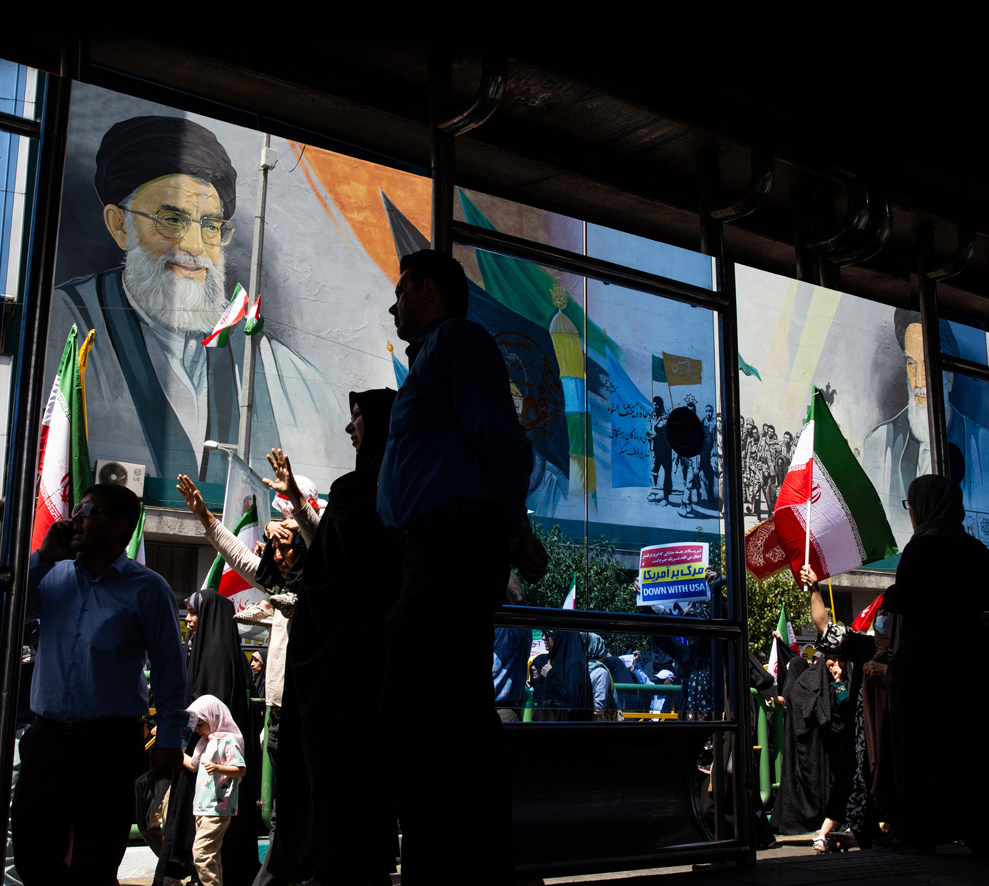
Possible Post-War Transformations in Iran’s Domestic Landscape
The outcomes of the recent war indicate a decline in the image of the Iranian regime due to strategic setbacks and the risks posed by internal unrest. This may lead to a transformation in the structure of the regime, opening the door to potential shifts and various scenarios. These could include political paralysis resulting from an impasse between reformists and hardliners or a temporary agreement to manage the crisis. More dramatic possibilities also exist, such as the escalation of separatist unrest in minority regions, posing unprecedented challenges that may be difficult to overcome without fundamental solutions.
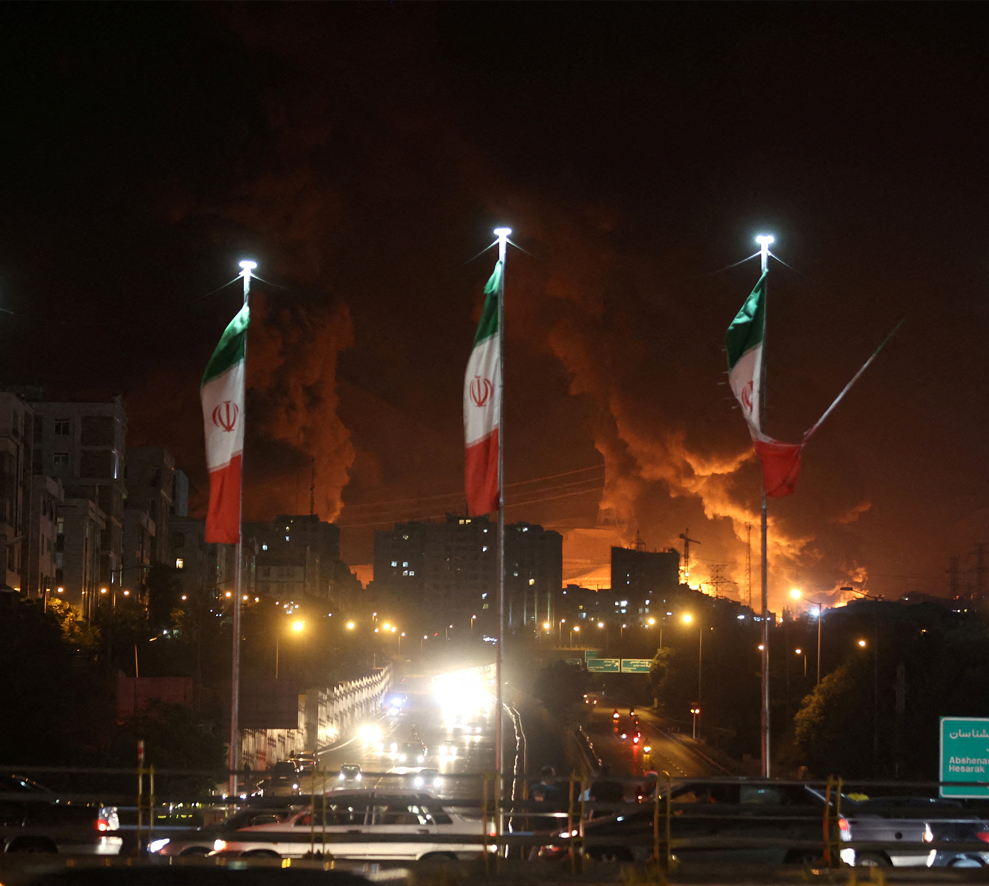
Scenarios of the Confrontation between Israel and Iran after the Ceasefire
The ceasefire agreement between Israel and Iran, following the unprecedented confrontation, raises questions about the fate of the agreement and the scenarios for its Sustainability, especially given that both sides have adopted conflicting narratives regarding the objectives of the confrontation and the extent to which they were achieved. Although direct military operations have ceased, the agreement lacks the foundations necessary for its stabilization and continuity. It does not end the core hostility between the two sides but rather leads to three pivotal scenarios, the future balance of which will be shaped by several factors.

Scenarios for the Next Step Following U.S. Strikes on Iranian Nuclear Facilities
The regional balance of power shifted with the direct entry of the United States into the military confrontation with Iran when it launched a precision airstrike on June 22, 2025 that targeted key nuclear installations. It pushes Iran to a critical crossroads: either contain the escalation or move toward a full-scale confrontation amid rising regional tensions and growing fears of a multi-front war.

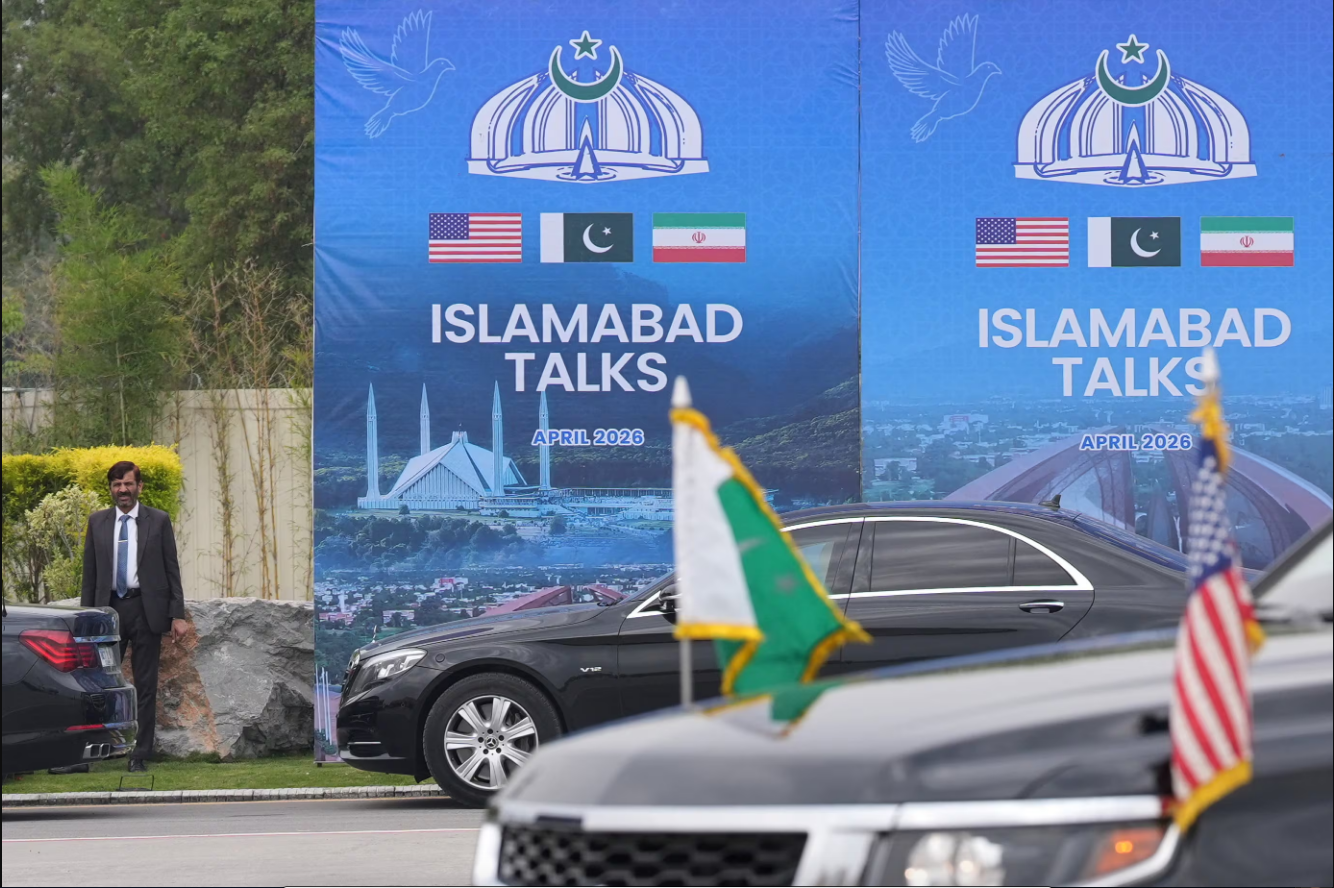
Pakistan’s Approach to the Israeli Military Operation Against Iran
The Pakistani stance toward the Israeli attacks on Iranian capabilities reveals a delicate balance between its political and diplomatic support for Iran and its hesitation to engage in direct military involvement. This caution stems from internal security complexities and regional geopolitical sensitivities. While Pakistan’s rhetoric reflects a rare escalation in relations between the two countries, it remains limited due to concerns over the potential rise in sectarian violence and the challenges posed by militant groups within Pakistan. As a result, Islamabad’s position remains cautious and balanced amid the repercussions of the war in Gaza and its strategic overlap with the Eastern axis.
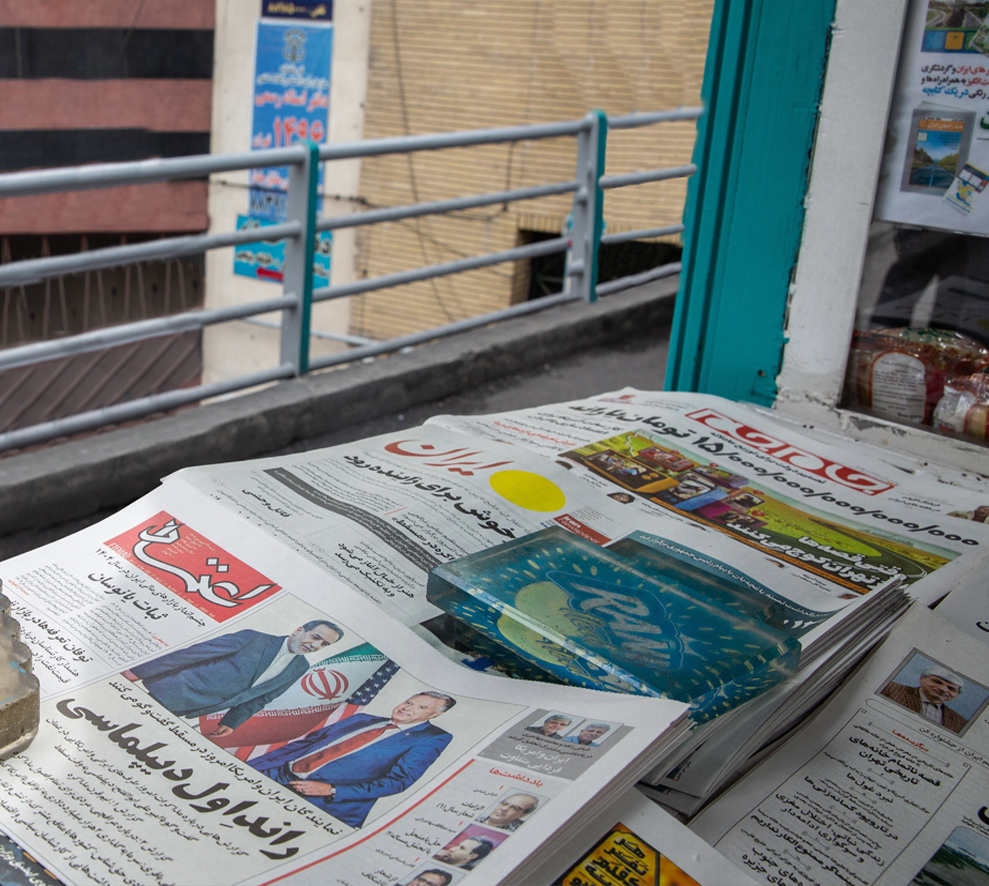
Washington and Tehran: A First Round of Semi-Direct Negotiations
By entering negotiations with the United States, Iran seeks to preserve its territorial integrity, maintain its political system, and avoid a potential U.S.-Israeli military strike on its nuclear facilities. However, it may also be trying to buy time in pursuit of long-term negotiations that could lead to both internal and external recovery, while also diffusing the momentum of military build-up and hostile intentions against it.