Analyses
Politics
test analyses
Politics
test
Regional Trends
After the Assassination of Khamenei: Scenarios for the Third Supreme Leader
International and Global Trends
Israeli-U.S. Military Operation Scenarios and Iranian Responses
International and Global Trends
Washington and Tehran: Negotiations Under the Hammer of Military Buildup
Filter by:
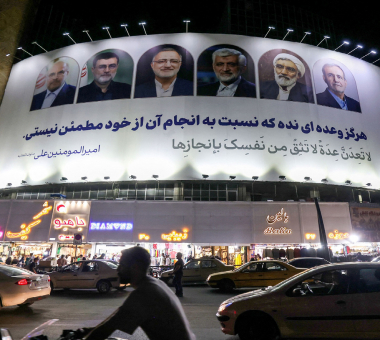
Perceptions of Iran’s Political Scene in Upcoming Presidential Election
The upcoming presidential election in Iran is of particular importance given the internal and external issues surrounding Iranian politics. Foremost among them is the question of who will succeed Supreme Leader Ali Khamenei, how will his vision—and the next president’s—shape Iran’s political system 80 years after the 1978–1979 revolution, and how will regional and international developments and their implications affect Iran’s security and diplomatic policies.
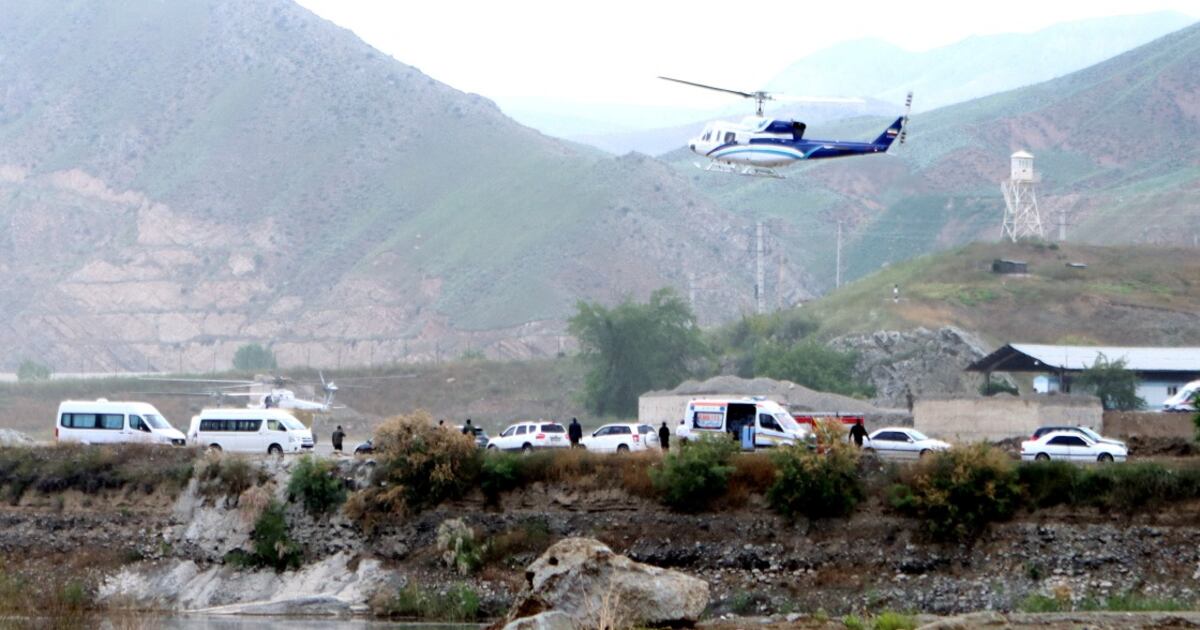
Truly Accidental or Targeted Operation.. How Ebrahim Raisi’s Death Intensifies the Dynamic Dispute Over Power in Iran?
Raisi’s death is a chance for the Supreme Leader Ali Khamenei to redefine the Irani regime and reduce the internal disputes and frictions.
What If Iran Had the Nuclear Bomb?
Policy Analysis | This paper deals with the scenario of Iran becoming a nuclear state. Many estimates indicate that Tehran is close to crossing the nuclear threshold for military purposes. This analysis investigates two views, one sees Iran’s possession of a nuclear weapon as a condition that can be tolerated, while the other sees that Iran constitutes a model of an expansionist state that is hard to be lenient towards regarding the possibility of its possession of a nuclear weapon.
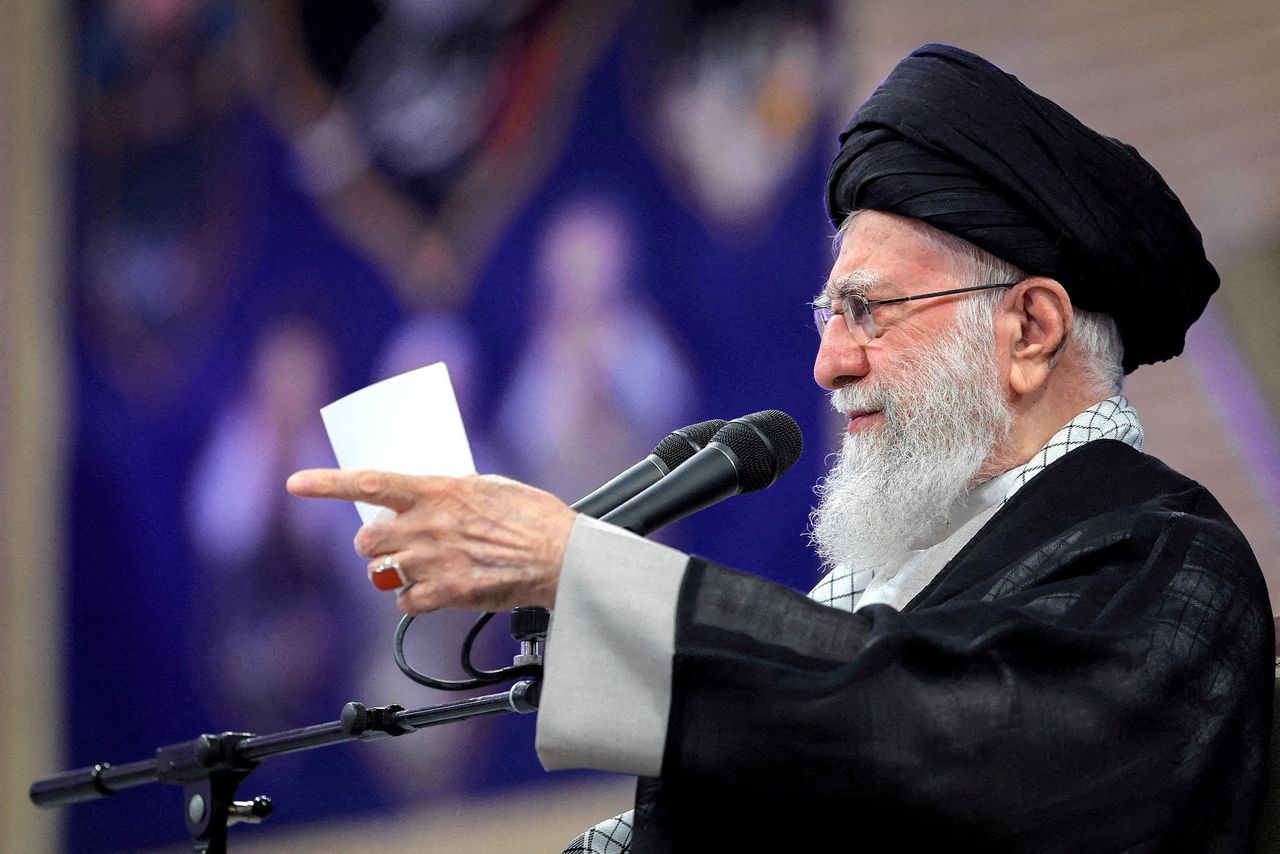
What Does the Iranian Supreme Leader’s Announcement of Conditional Pardons Indicate?
On February 5, 2023, Iranian Supreme Leader Ali Khamenei issued a conditional pardon. According to a statement published on the Supreme Leader’s website
Advertising space title
Description of the advertising space. Upon the client’s initial approval of the design, this text will be removed.
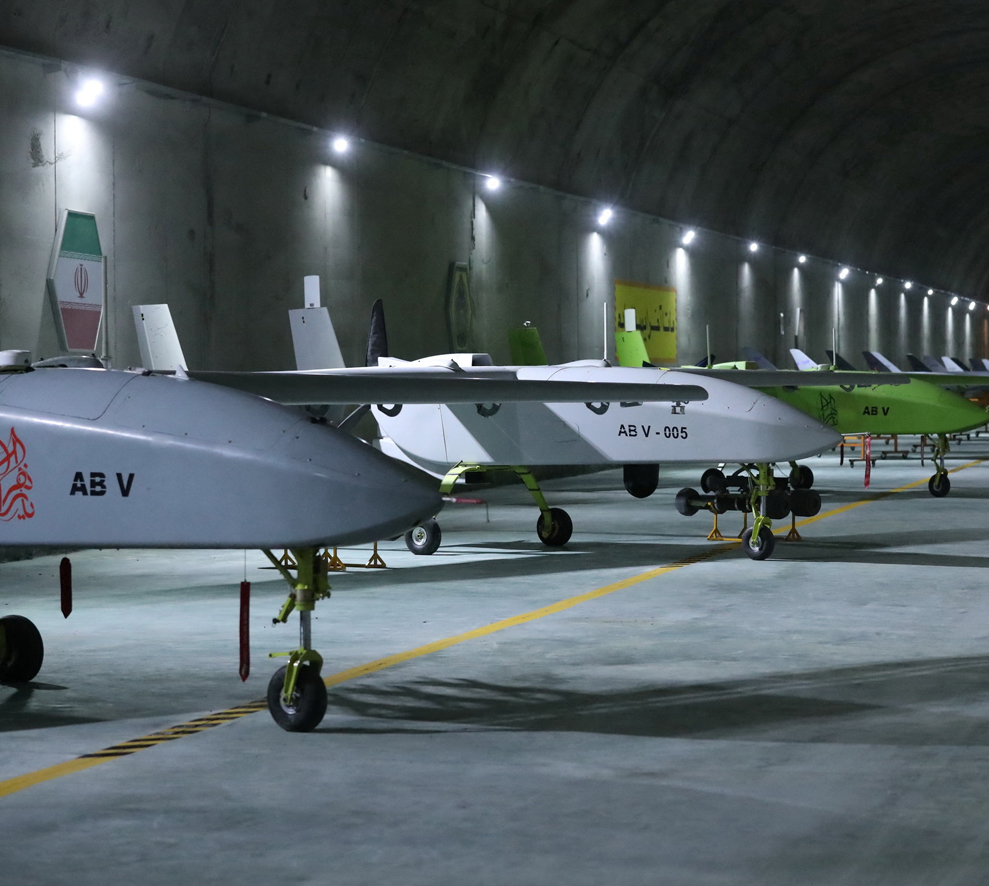
Strategic Motives for Iran's Role in the Ukrainian Crisis
Policy Analysis |This analysis addresses the Iranian role in the Ukrainian crisis, via providing advice to Russia and drones, the matter which raises many questions and inquiries about the nature of the strategic motives behind this Iranian role.
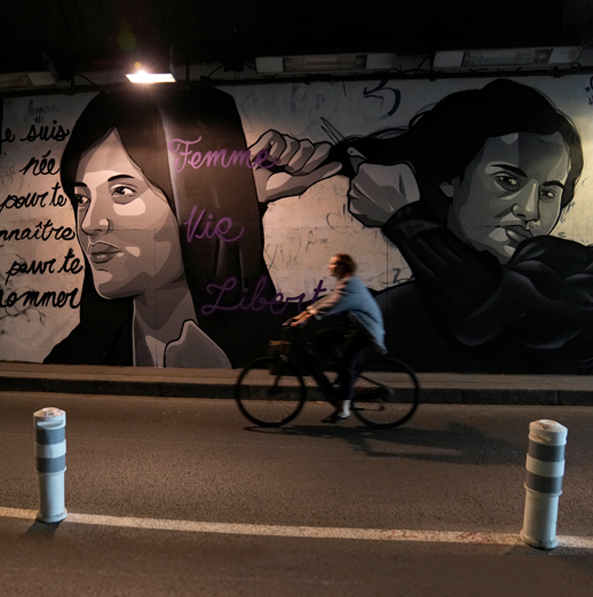
Insights into the Motivation and Causes Fueling Iran’s Continued Protests
Policy Analysis | This paper examines the economic, social, and geopolitical dimensions of the ongoing Iranian protests since the death of young Mahsa Amini that are likely to play a major role in the spread and continuation of the protests.
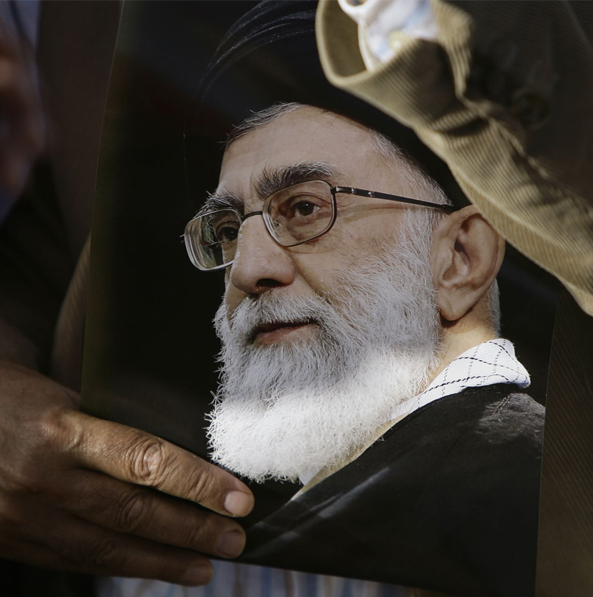
How the Supreme Leader’s Illness Affect the Iranian Regime during the Protests?
Policy Analysis | This analysis tackles the challenges that are facing the Iranian regime, in light of reports which said that Supreme Leader, Ali Khamenei, has a "serious" disease, at the time the protests in several Iranian cities intensify as days pass. The paper examines the role of the Supreme Leader, and how his death may affect in light of the country's unfavourable major events.
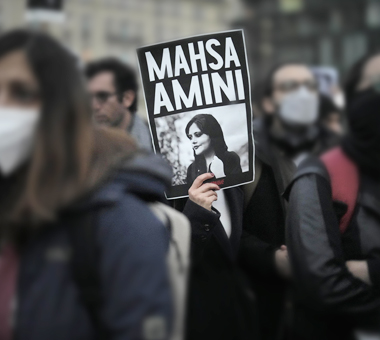
Iranian Protests over the Killing of "Mahsa Amini" and the Limits of Influence
Position Paper | This paper addresses popular protests in Iranian cities, raising many important questions, such as: What are the limits of the impact of these protests on the Iranian regime? Will such protests this time be different from the previous protests the country witnessed? What are the limits of external support for the protests, and how does that support affect the protests tracks?
.jpg)
THE REGIONAL SYSTEM AFTER THE EXPECTED NUCLEAR AGREEMENT, IS IT A STEP "FORWARD" OR "BACKWARD"?
This paper presents a hypothetical analysis of the potential intrinsic changes in the Middle East as a consequence of success in Vienna's negotiations and the repercussions they impose on the form of interactions, alliances and balance of powers in the region driven by the key question: Would the nuclear agreement allow prevailing a phase of stability and calm in the region, or would it lead to a new more serious phase of turmoil, tension and instability or possibly an armed confrontation?