Analyses
Regional Trends
After the Assassination of Khamenei: Scenarios for the Third Supreme Leader
International and Global Trends
Washington and Tehran: Negotiations Under the Hammer of Military Buildup
Regional Trends
Iraq Between Geopolitical Challenges and Strategic Opportunities
Regional Trends
The Syrian-Iraqi Border: Reshaping the Geopolitical Space of the Middle East
International and Global Trends
Real clear world: A former terrorist inside the white house
Filter by:
.jpg-%D8%AA%D9%81%D9%83%D9%8A%D9%83-%D8%A7%D9%95%D8%B4%D9%83%D8%A7%D9%84%D9%8A%D8%A7%D8%AA-%D8%A7%D9%84%D8%A7%D8%B1%D9%87%D8%A7%D8%A8.jpg)
THE MUSLIM BROTHERHOOD: ANALYZING THE PROBLEMS OF ATTITUDE TOWARDS EXTREMISM AND TERRORISM
This opinion article contains many historical and contemporary evidence that document the structural and ideological connection between the Muslim Brotherhood and terrorist organizations, by analyzing the elements of their relationship at multiple levels of emergence, discourse, approach, and strategies.
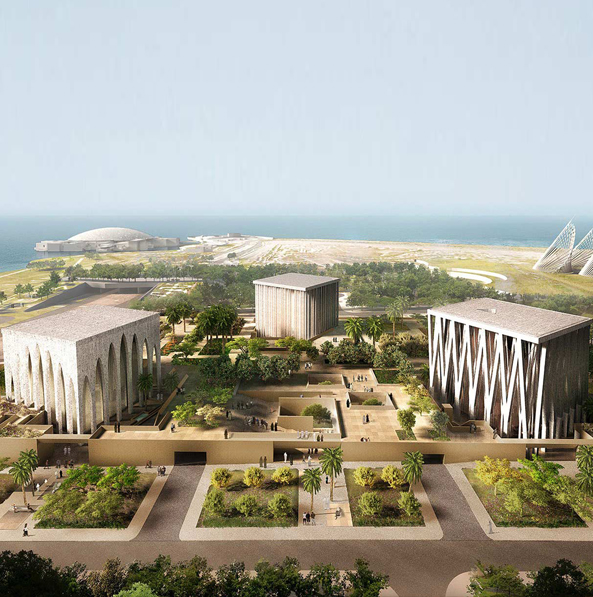
Peaceful coexistence ensures mutual survival and prosperity - opinion
Away from today’s geopolitical framework, Arabs and Jews get along very well.
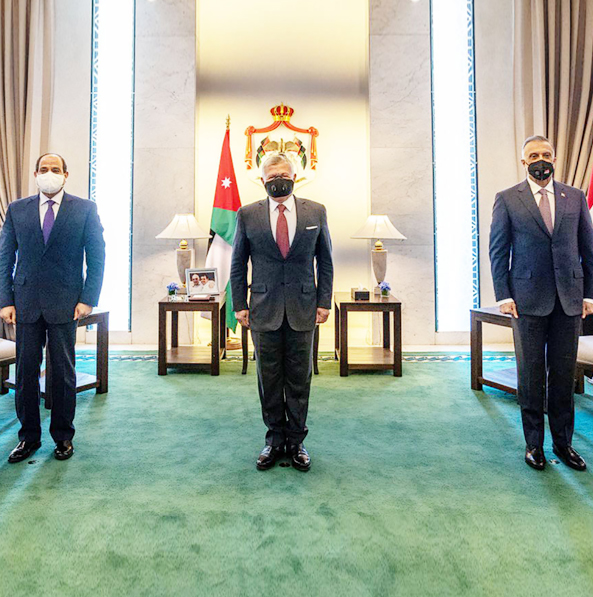
JOINT REGIONAL DEVELOPMENT PROJECTS AND THEIR ROLE IN INTEGRATING INTERESTS AND ACHIEVING DEVELOPMENT
Arab countries are seeking to establish a new approach in their relations, by integrating their interests and cooperating in strategic areas, through development and economic projects, such as the tripartite partnership and electrical interconnection projects. Hence, this paper examines how joint Arab projects are changing the political and economic landscape of the Arab world.
.jpg-%D8%AD%D8%B1%D8%A8-%D8%A7%D9%94%D9%83%D8%AA%D9%88%D8%A8%D8%B1.jpg)
SYMBOLS IN THE ARAB MIND
This paper examines the significance of employing symbols in various aspects of life, particularly in political ones, and how these symbols are linked to individuals and groups, affecting their behavior, perceptions and impressions, so that they ultimately become an integral part of political culture.
Advertising space title
Description of the advertising space. Upon the client’s initial approval of the design, this text will be removed.
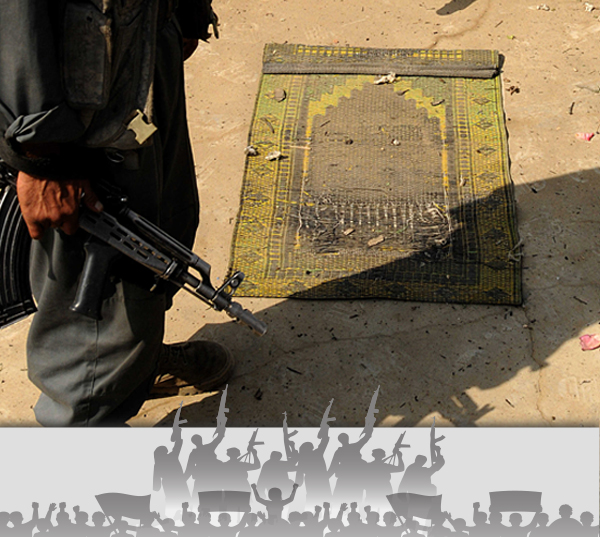
Political Islam’s Crisis of Thought and Practice
This opinion article discusses the series of collapses, which the political Islam groups faced while in power after 2011, represent a political inevitability that has its indicators and signs in the intellectual roots of those groups and their practices throughout history.
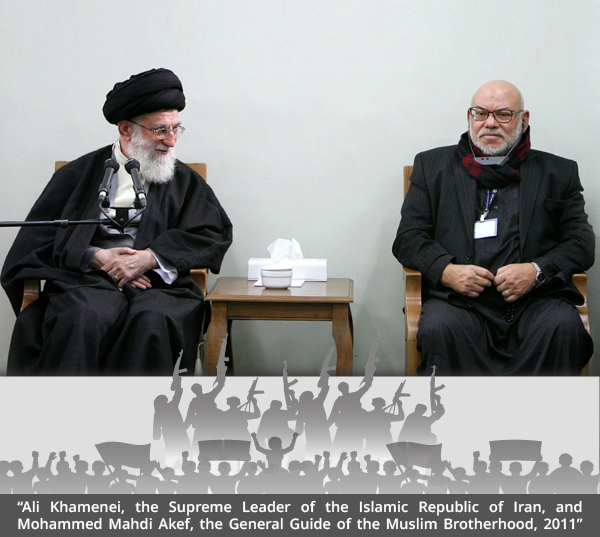
Iran and the Muslim Brotherhood: Ideological Similarities and Historical Relations
The relations between the Muslim Brotherhood and post-Islamic Iran in 1979 is one of the ambiguous themes for the researchers and scholars, because of the secrecy and ambiguity surrounding it. Nevertheless, a group of ideological and historical relations show the close connection and correlation between them, and the mutual influence between the two parties.
.jpg-%D8%AD%D9%84%D9%81-%D8%A7%D9%84%D9%86%D8%A7%D8%AA%D9%88.jpg)
US, UK, Israel should help form an Arab NATO - opinion
The US and UK helped Islamic militias flourish in the MENA region; they can help defeat them now.
-(1).jpg)
Political Islam and Intellectual Poverty
With their beliefs and methodologies, the political Islam groups have contributed to making Arab Muslim mentality closed to other civilizations, thus contradicting what the early Islamic Renaissance pioneers advocated, that is, benefiting from other nations' modernity and development.
.jpg-%D9%87%D9%84-%D9%86%D8%B4%D9%87%D8%AF-%D8%A7%D8%AE%D8%AA%D8%B1%D8%A7%D9%82%D8%A7%D9%8B-%D9%81%D9%8A-%D8%B5%D9%88%D8%B1%D8%A9-%D8%A7%D9%94%D9%85%D8%B1%D9%8A%D9%83%D8%A7-%D9%84%D8%AF%D9%89-%D8%AD%D9%84%D9%81%D8%A7%D9%8A%D9%94%D9%87%D8%A7-%D9%81%D9%8A-%D8%A7%D9%84%D8%B4%D8%B1%D9%82-%D8%A7%D9%84%D8%A7%D9%94%D9%88%D8%B3%D8%B7.jpg)
Are we witnessing a transformation in America's image with its allies in the Middle East? What are the Challenges?
The relations between the US allies are experiencing a fundamental change, starting from competitions, alliances, and polarizations up to the communication, dialogue, and cooperation in the fields of security, energy, transportation, and military coordination. This is accompanied by a transformation in the US commitment in the Middle East to head towards the Indo-Pacific region. Accordingly, researcher Muhammad Barhouma presents an interpretation for the change in the map relations between Washington allies. Mr. Barhouma answers the main question: Would such transformations be able to Fill the Strategic Vacuum Resulted by the American withdrawal?