Analyses
Politics
test
Politics
test analyses
Regional Trends
After the Assassination of Khamenei: Scenarios for the Third Supreme Leader
International and Global Trends
Israeli-U.S. Military Operation Scenarios and Iranian Responses
International and Global Trends
Washington and Tehran: Negotiations Under the Hammer of Military Buildup
Filter by:
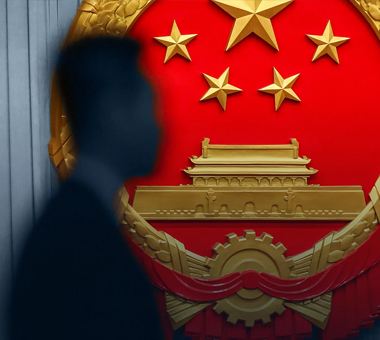
An In-depth Look at the Chinese President's Speech at the Twentieth Congress of the Communist Party
Policy Analysis | This article provides an interpretation of the Chinese President Xi Jinping's speech, by which he inaugurated the 20th National Congress of the Communist Party. The interpretation comes across four dimensions: domestic politics, the military, security, and foreign policy dimensions. The paper also discusses the hypothesis which says that the Congress is considered a partial turning point, after which Beijing will turn to domestic development, neutralizing its international dissonance with Washington as much as possible.
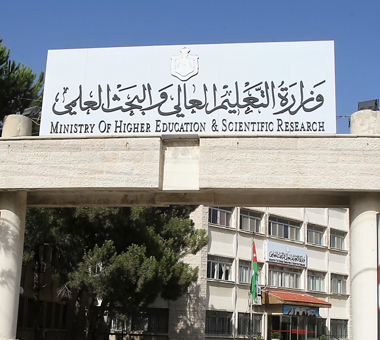
The Reality of the Educational Strategies in Jordan.. Stagnant Majors as a Model
National Policy Paper | Unemployment crisis is putting pressure on Jordan's national security in several directions, turning the goal of containing unemployment into a cross-government priority, for which meetings and forums were held, strategies were announced, and plans- that in part carried a theoretical change in the methodology of treatment, were announced.
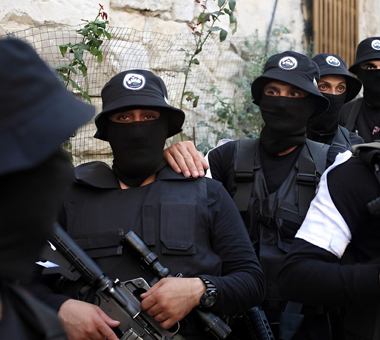
Areen al-Ousoud Groups to the Forefront after Jenin Battalion
Position Assessment | This paper addresses the phenomenon of small armed groups, such as the Jenin Battalion and the Areen al-Ousoud (Lion’s Den), focusing on the latter that emerged in Nablus. The paper also tackles the repercussions of the increased activity of these armed groups on security and political stability in the West Bank.
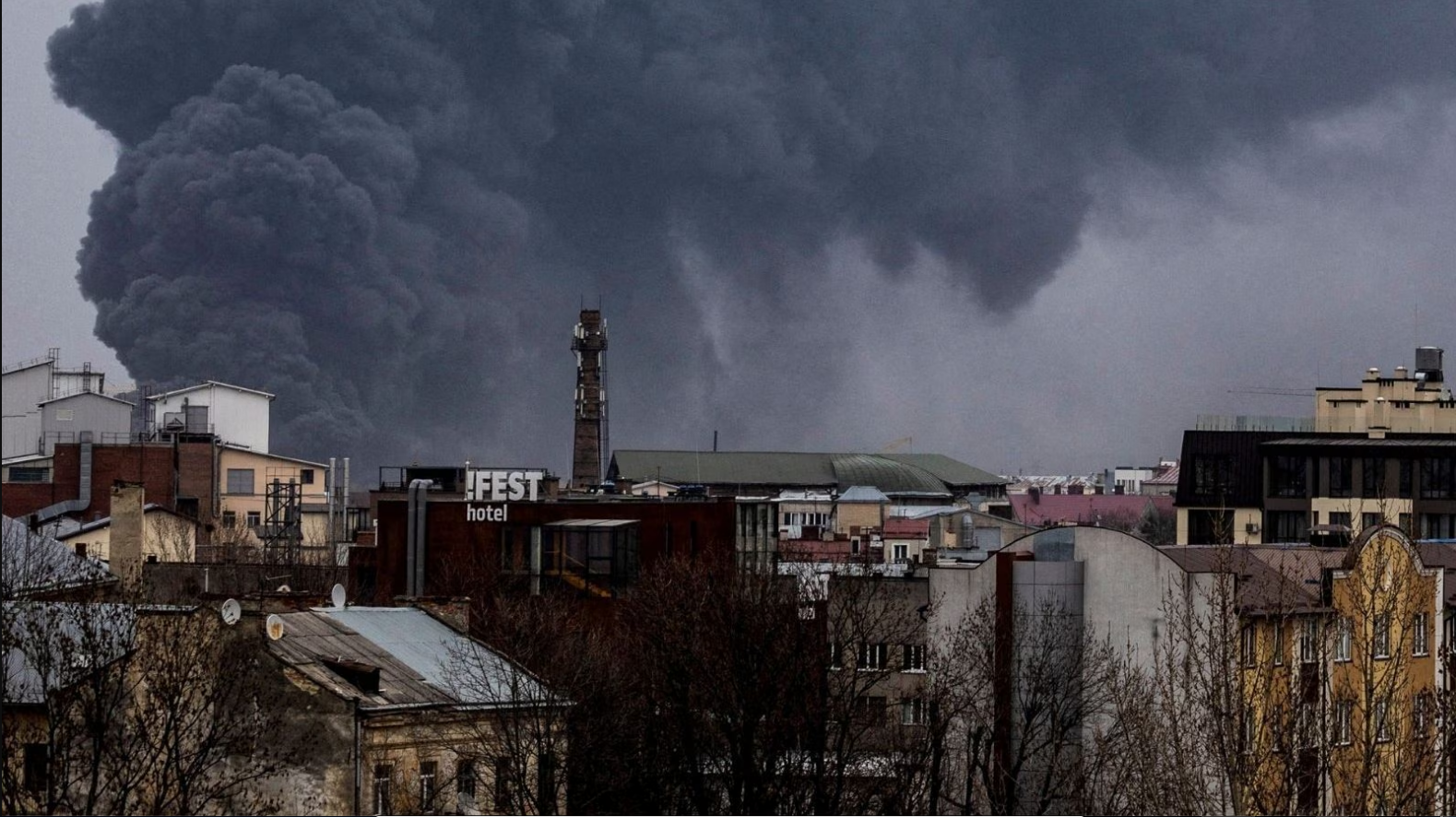
Russian missile attacks targeting Ukrainian cities, including Kiev
A wave of missiles, apparently launched by Russian bombers in the Caspian and Black Seas, struck the Ukrainian capital.
Advertising space title
Description of the advertising space. Upon the client’s initial approval of the design, this text will be removed.
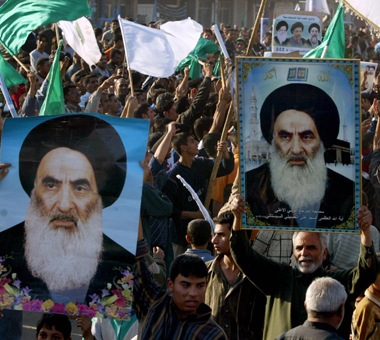
Will Al-Sistani Intervene in the Iraqi Political Crisis?
Policy Analysis | This article examines the data of authority Ali al-Al-Sistani future intervention in the religious in the current political crisis, between the Coordination Framework and the Sadrist movement, based on the nature of his role, and his speeches which are derived from his previous interventions.
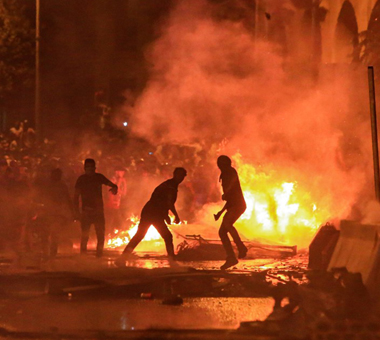
The Impossible Mission: Why Is the Status of Solution Sought in Iraq?
Op-ed | This op-ed discusses all parties’ efforts to reach a consensus on a solution to the Iraqi crisis. While it seems elusive or unlikely to happen, a consensus on a solution may not be a demand in itself, whether in case the dispute reflects a healthy situation recognized even in ancient democracies or that the absence of a desired solution is fueling the situation of instability, carrying harbingers of broader unrest.
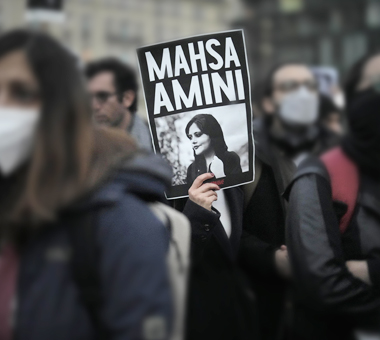
Iranian Protests over the Killing of "Mahsa Amini" and the Limits of Influence
Position Paper | This paper addresses popular protests in Iranian cities, raising many important questions, such as: What are the limits of the impact of these protests on the Iranian regime? Will such protests this time be different from the previous protests the country witnessed? What are the limits of external support for the protests, and how does that support affect the protests tracks?
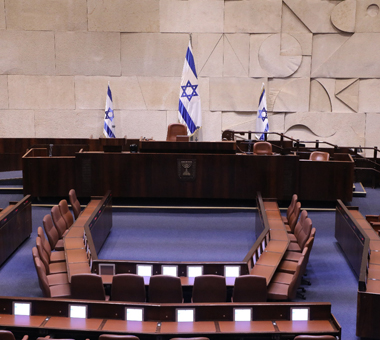
How will the Arab Parties' Alliances Change the Israeli Landscape in the Upcoming Elections?
Policy Analysis| This paper addresses the issue of Arab parties in Israel running for the twenty-fifth Knesset elections, with three separate electoral lists. The paper seeks to extrapolate the expected results of such running, by analyzing the reality of these parties, as well as their electoral experiences, in the light of calculations of interests and concessions.
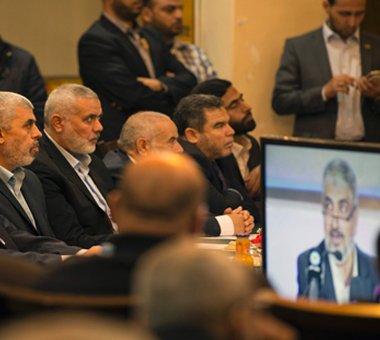
The Hamas-Damascus Track: One Way or an Intersection of Interests?
Policy Analysis | This paper seeks to provide an analytical reading of Hamas' announcement to resume its relations with Syria after a decade of rupture. It also examines the motives behind the announcement in light of the Hamas's ambitions and the pressures that besiege Hamas the factors and variables leading to this declaration, and the internal problems and external obstacles that it has faced in the past or may face in the future because of it.