Analyses
Politics
test analyses
Politics
test
Regional Trends
After the Assassination of Khamenei: Scenarios for the Third Supreme Leader
International and Global Trends
Israeli-U.S. Military Operation Scenarios and Iranian Responses
International and Global Trends
Washington and Tehran: Negotiations Under the Hammer of Military Buildup
Filter by:
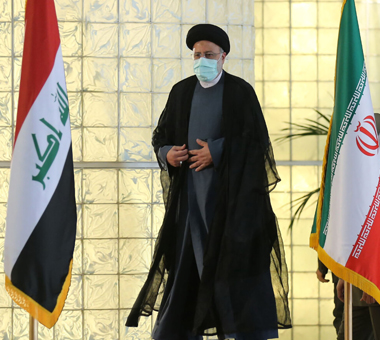
The Fate of Iran’s Role in Iraq According the Current Political Scene
Policy Analysis | This analysis addresses with the nature of Iran’s role in Iraq, in light of the current political situation. The analysis tackles the nature and priorities of Iranian strategies in Iraq, the way in which it manages the Shia-Shia conflict, also how Iran views the political scene in Iraq after selecting the President of the Republic and the forming the government, and the reflection of this in general on the future of Iran’s role in Iraq.
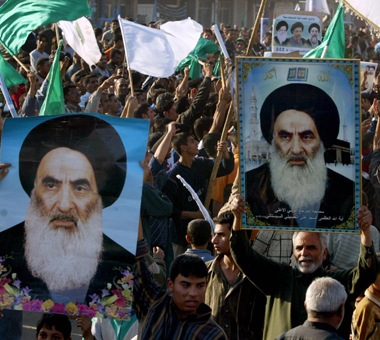
Will Al-Sistani Intervene in the Iraqi Political Crisis?
Policy Analysis | This article examines the data of authority Ali al-Al-Sistani future intervention in the religious in the current political crisis, between the Coordination Framework and the Sadrist movement, based on the nature of his role, and his speeches which are derived from his previous interventions.
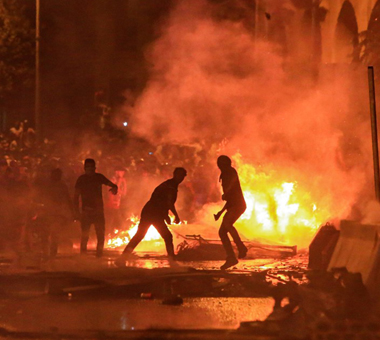
The Impossible Mission: Why Is the Status of Solution Sought in Iraq?
Op-ed | This op-ed discusses all parties’ efforts to reach a consensus on a solution to the Iraqi crisis. While it seems elusive or unlikely to happen, a consensus on a solution may not be a demand in itself, whether in case the dispute reflects a healthy situation recognized even in ancient democracies or that the absence of a desired solution is fueling the situation of instability, carrying harbingers of broader unrest.
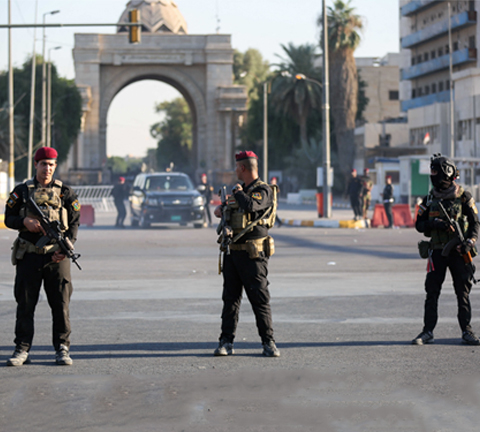
The Federal Court Ruling Places Iraq Before Open Scenarios
Position Assessment| This paper addresses the consequences of the political crisis in Iraq, in light of what can be described as the persistence of the crisis parties on their positions and demands, regardless of what will be the decision of the Federal Court regarding the dissolution of the current parliament, holding of new elections, or remaining neutral under the pretext of no competence.
Advertising space title
Description of the advertising space. Upon the client’s initial approval of the design, this text will be removed.
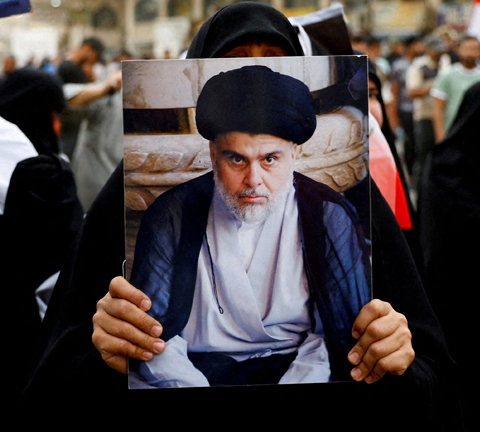
Al-Sadr Retirement: Crawling from the Dome to the Palace
Position Assessment| This paper addresses the dimensions and underlying reasons that prompted Iraqi leader Muqtada al-Sadr to retire from the political life. Several stages preceded the decision, starting with the withdrawal of his deputies from parliament, then the sit-in in front of the Supreme Judicial Council, and ending with his supporters storming the Republican Palace after to the announcement of his retirement.
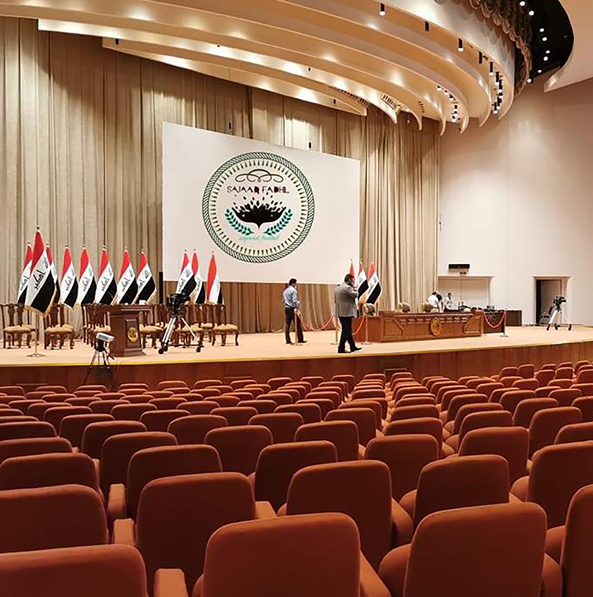
The withdrawal of the Sadrist alliance opens the door to new scenarios
The paper represents a reading of the political scene in Iraq after the resignation of the Sadrist movement's members, and attempts to explain the reasons for this resignation and its merits. It draws future scenarios that the Sadrist movement may resort to for solving the political gridlock in the country
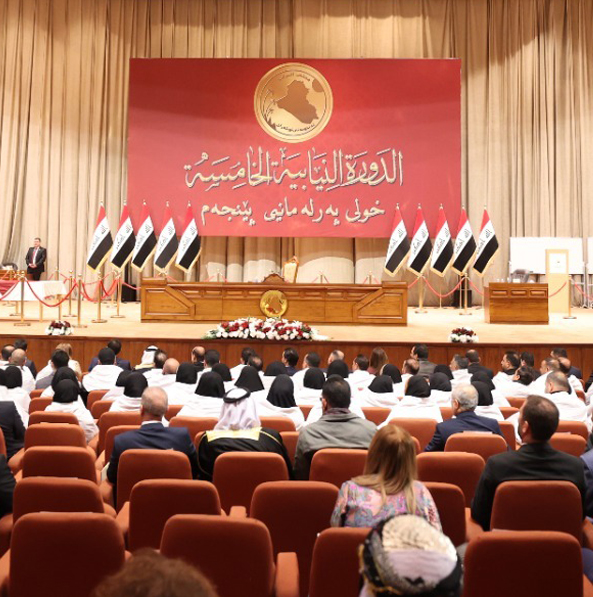
The independents have a hand in the Iraqi government formation crisis
This policy paper presents a reading of the phenomenon of independents candidate in Iraq, with its dimensions, causes, and repercussions on the current political scene, especially in their role as an alternative to traditional forces, and as a third party in the Iraqi government formation crisis.
-%D8%B9%D9%88%D8%AF%D8%A9-%D8%AF%D8%A7%D8%B9%D8%B4-%D9%84%D9%84%D8%B9%D8%B1%D8%A7%D9%82.jpg)
ISIS's Return to Iraq: Incitements and Obstacles
This reading assesses the most important strengths and weaknesses related to the capabilities of ISIS in Iraq. It also looks forward to the behavior of this terrorist organization and whether it is able and willing to expand again, as it did in mid-2014.
The Iraqi Personality Between Today and Yesterday
This article by the Chairman of STRATEGIECS Board of Trustees, Mr. Hasan Ismaik, presents a review of “The Personality of the Iraqi Individual” by Ali Al-Wardi; this book attempts to identify characteristics distinguishing Iraqis from others while addressing the characteristics that distinguish the human character in general.