Analyses

Politics
test analyses
Politics
test
Regional Trends
After the Assassination of Khamenei: Scenarios for the Third Supreme Leader
International and Global Trends
Israeli-U.S. Military Operation Scenarios and Iranian Responses
International and Global Trends
Washington and Tehran: Negotiations Under the Hammer of Military Buildup
Filter by:
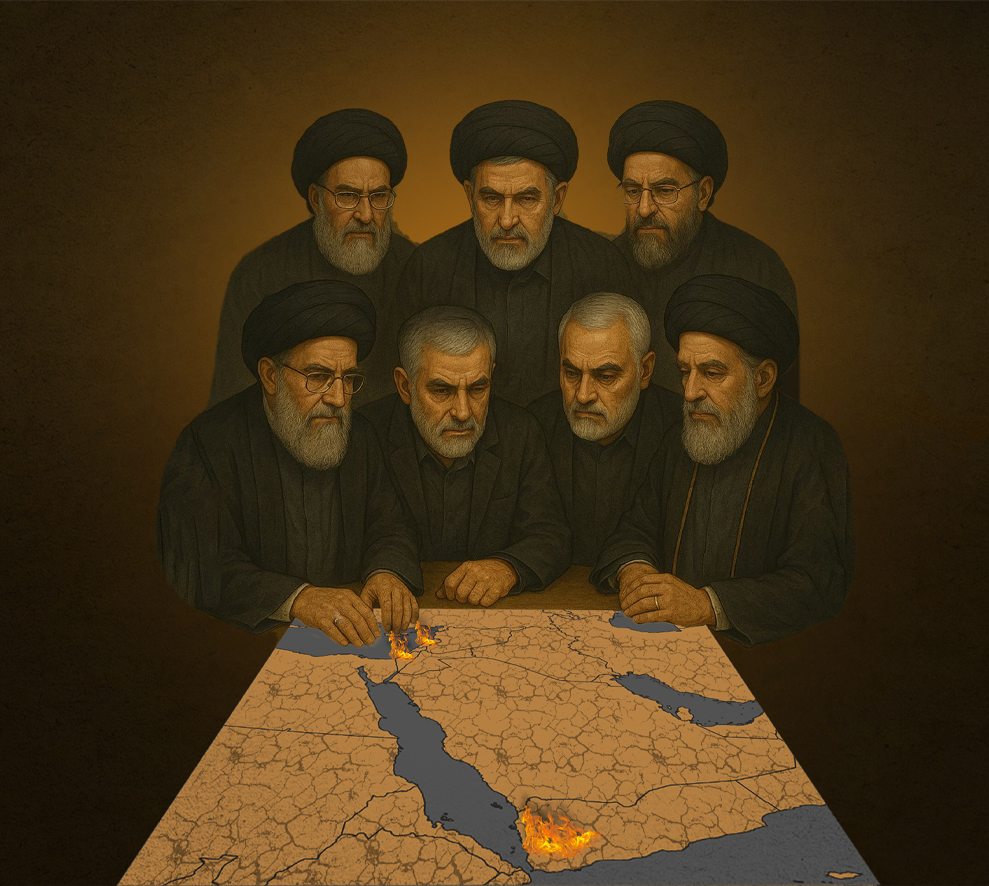
My Third Message to Our Arab Shia Brothers: A Call to Reason and Reality
I renew the call to our Arab Shia brethren: Let your belonging rise above all else and let your loyalty be to your Arab nation—away from involvement in any partisan or external orientation. Face the present challenges with a spirit of responsibility and courage despite the successive losses that have drained and weighed heavily upon you. Reassess your path with honesty and distance yourselves from false loyalties that have brought nothing to you and your homeland but blood, destruction, and calamities.
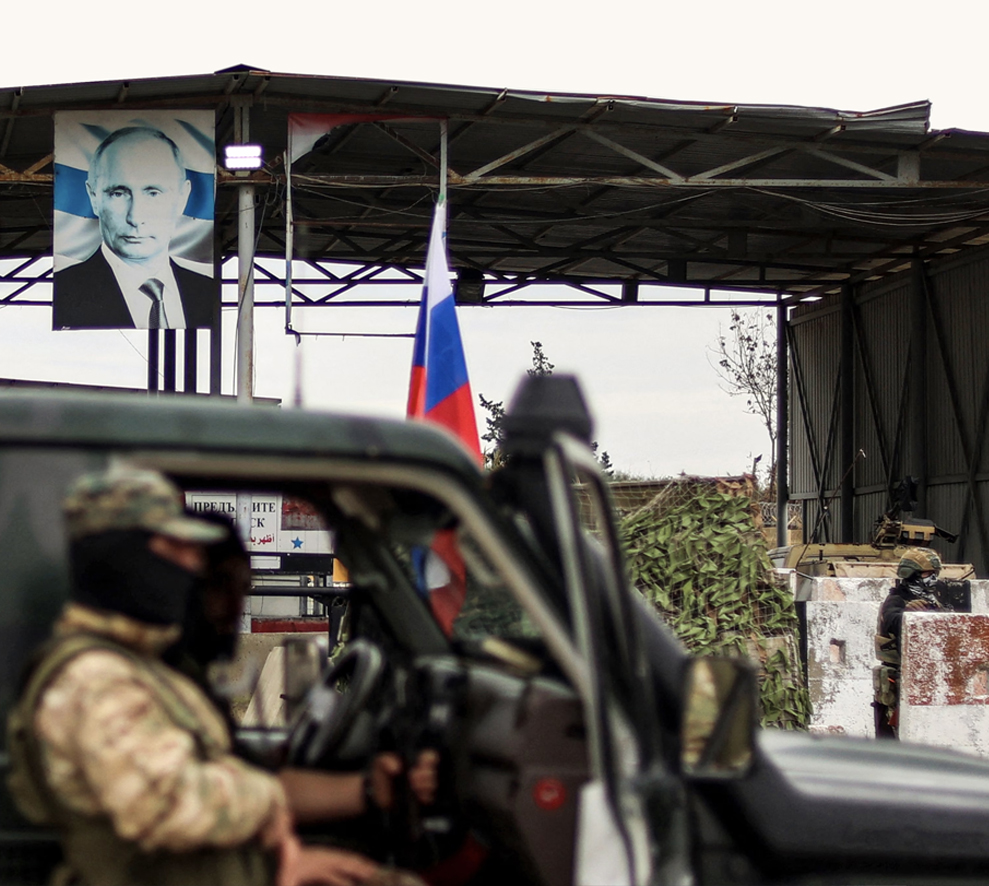
Russia and the Restoration of Strategic Presence in the Changing Syrian Landscape
The regime change that Syria experienced in December 2024 led to a radical—and also chaotic—reordering of the Syrian geopolitical landscape. One of the main questions raised at the time concerned whether Russia would accept the unfolding scenario, abandon its previous allied regime, and face the potential loss of its strategic and vital bases on the Mediterranean coast, which it had long maintained.
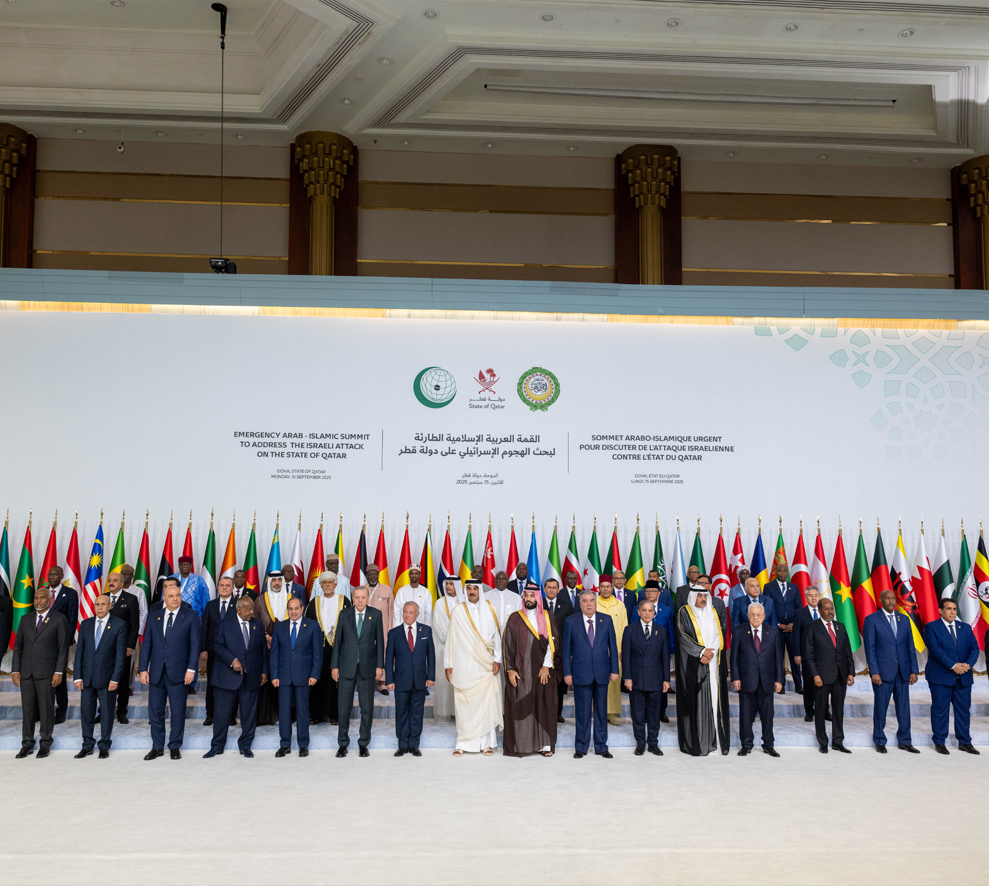
The Outcomes of the Doha Emergency Summit and the Missed Arab Opportunity
The most important criterion for judging the outcomes of the Arab-Islamic summit in Doha this September remains the extent to which they are reflected in Israeli behavior. While the summit could serve as a barrier against Israel repeating attacks on Qatar or any other Arab state, it will not alter the developments on the ground, nor will it play a role in reshaping the balance of power in the Middle East—a matter of utmost priority and significance at both the Arab and regional levels.

Syrian Political Consciousness in Transition: Structure and Stakes
Syrian political consciousness is undergoing a profound transformation following the change of the Ba’ath regime in 2024, after decades of security-driven rule and totalitarian dominance. The 2011 movement in Syria during the so-called “Arab Spring” marked a shift in collective awareness, expressing a desire for liberation and citizenship, but it collided with authoritarian responses that produced a state of repression. In the absence of a unifying national framework, trajectories vary between currents of rupture, reconciliation, and religious projects, while Syria’s future remains contingent on the society’s ability to overcome division and build a new social contract.
Advertising space title
Description of the advertising space. Upon the client’s initial approval of the design, this text will be removed.
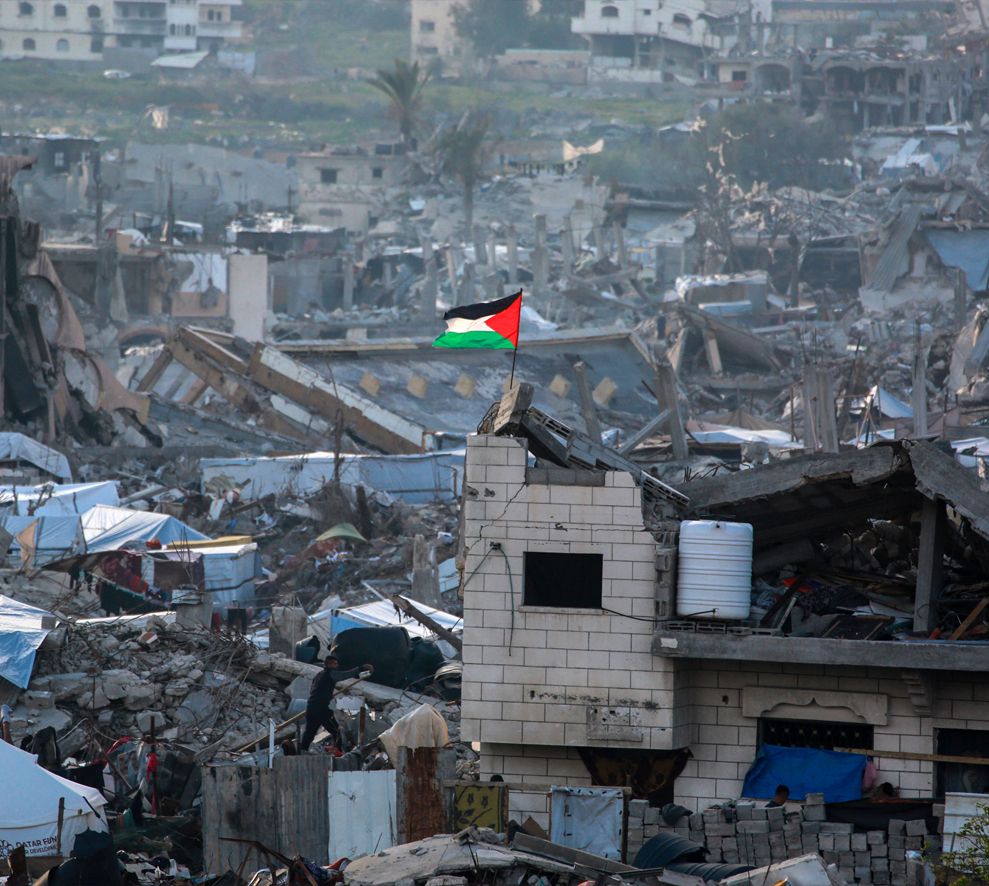
Gaza’s Society: Roles and Effectiveness in Light of the Political and Security Vacuum
Israel has systematically worked to dismantle Hamas’s governing structure in Gaza, targeting its administrative and security institutions. This has left a vacuum in the management of civil and security affairs, prompting clans and local committees to assume temporary service and organizational roles in the absence of a central alternative. At the same time, Israel seeks to employ these formations within a model of “utilization without empowerment” in an attempt to replicate the experience of the Palestinian Village Leagues in an updated form—without offering any organized political alternative. This reflects a fragile reality in which societal necessity intersects with Israeli calculations.
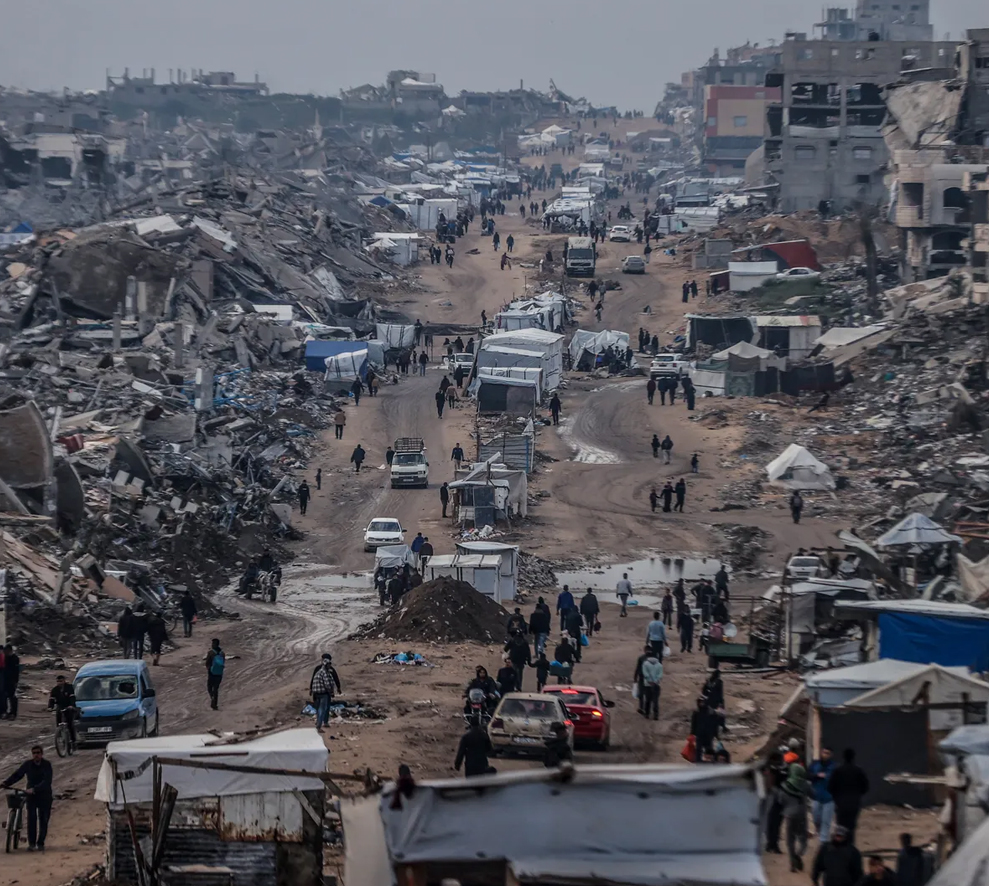
The American-Israeli Proposal and the Shift Towards a Unilateral Path in the Gaza Strip
The Israeli-American track is witnessing a qualitative shift with U.S. envoy Steve Witkoff announcing a comprehensive “all or nothing” agreement to end the war in Gaza. The deal includes the release of detainees, the disarmament of Hamas, reconstruction, and the imposition of an international administration led by Washington—a unilateral course that sidelines Hamas from any negotiating role. The deal coincides with an Israeli plan to occupy the Gaza Strip in stages, impose security control, and establish an alternative civilian administration. This approach aims to enforce “day-after” conditions that ensure Israeli objectives are a fait accompli.

Will ISIS Succeed in Hijacking Syria from the Transitional Government?
Since the fall of the previous regime in December 2024, ISIS has been taking advantage of the fragility of the Syrian transitional authority and the overlapping structure of its various factions with a renewed surge in activity. Despite intensified international strikes against it, ISIS has managed to carry out sophisticated attacks reposition itself amid the complex political and security challenges facing the interim government. The situation is further complicated by the emergence of even more extremist groups and the erosion of boundaries between regular forces and armed extremists. Meanwhile, the international community’s support for the new government is tied to its seriousness in combating terrorism and extremism—thus placing a structural challenge on the government’s security institutions and internal alliances.
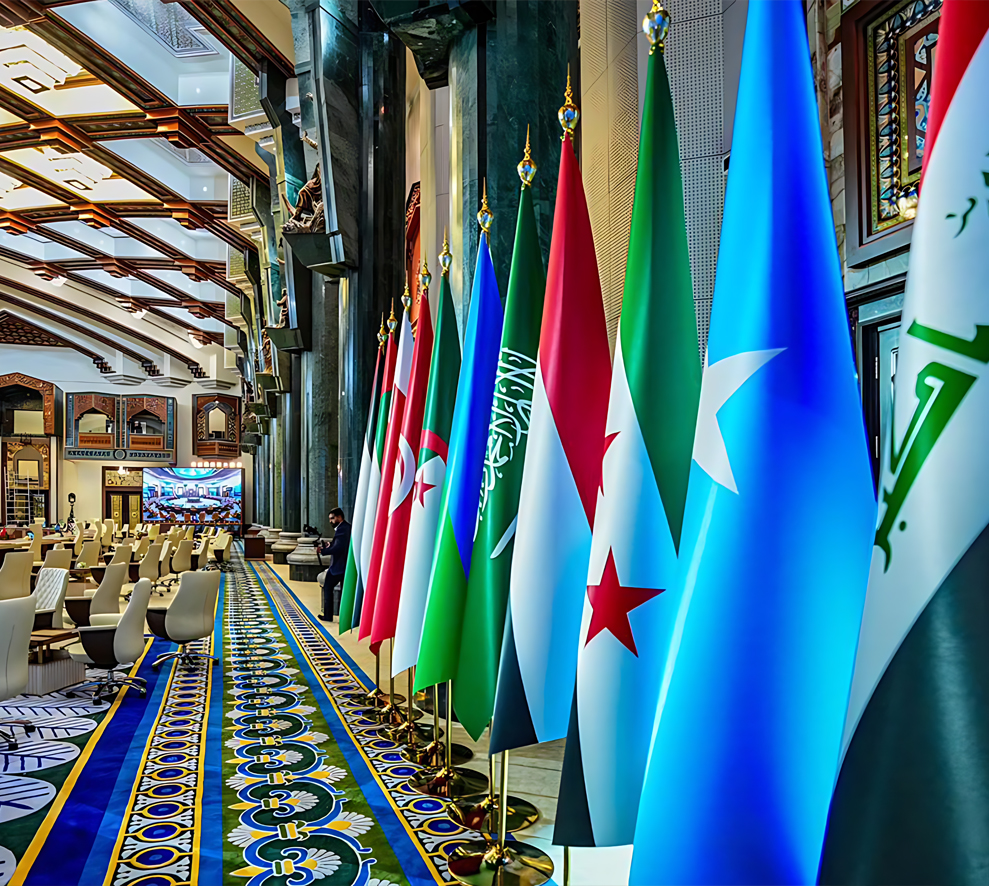
The Arab Stance Amid Regional Variables
The war in the Gaza Strip and its repercussions on Lebanon and Syria, culminating in its spillover into the Iranian heartland in June 2025, marked a turning point in the balance of power that has prevailed since 2003. This shift resulted in the decline of the Iranian influence and the emergence of Israel as a central actor, and it rearranged the Arab alliances that began to fill the vacuum left by Tehran’s retreat. Worried about Israel turning into a dominant power, Arab states seek to re-engineer the regional balance to formulate a system based on cooperation rather than influence.
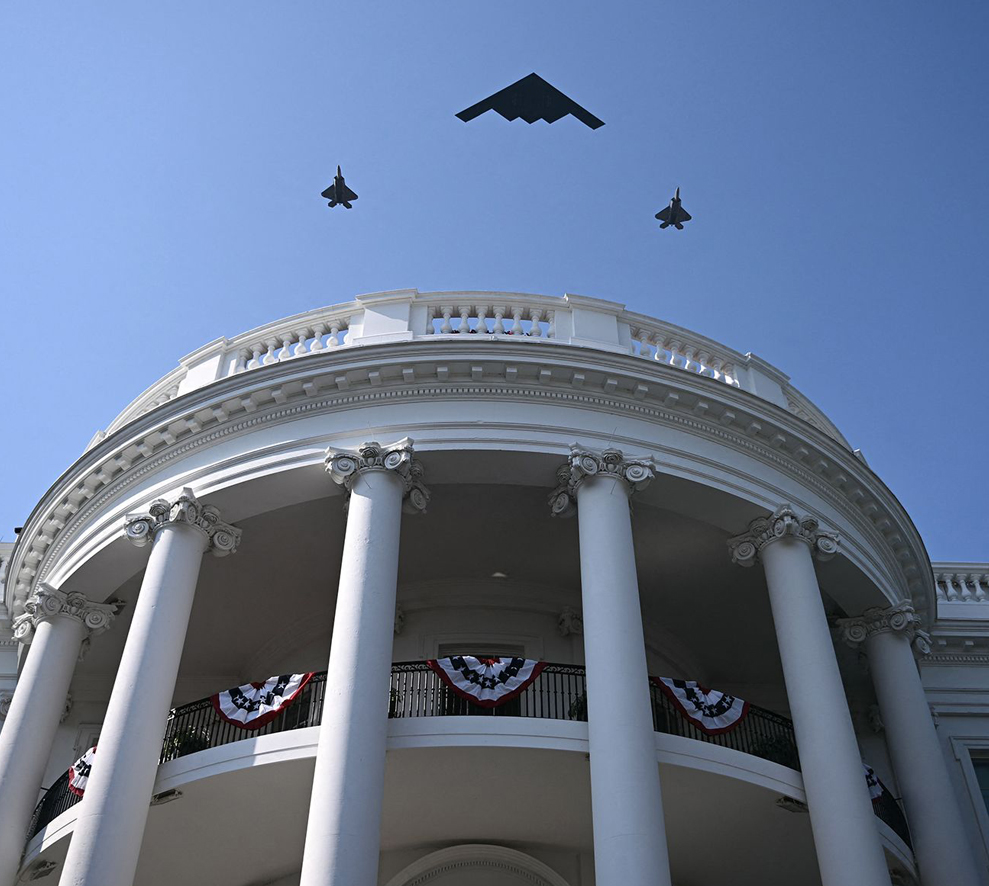
How the B-2 Stealth Bomber Changed the Course of U.S.–Iran Negotiations
The U.S. airstrike on Iranian nuclear facilities in June 2025, carried out as part of “Operation Midnight Hammer,” marked a fundamental turning point in the trajectory of negotiations between Washington and Tehran. The United States shifted from a strategy of economic pressure and multilateral diplomacy to the direct use of military force, in unprecedented alignment with Israel’s approach. Today, Iran stands at a critical crossroads: either accept American-Israeli demands, or risk resuming its nuclear program and facing another wave of military escalation.