Analyses
Filter by:
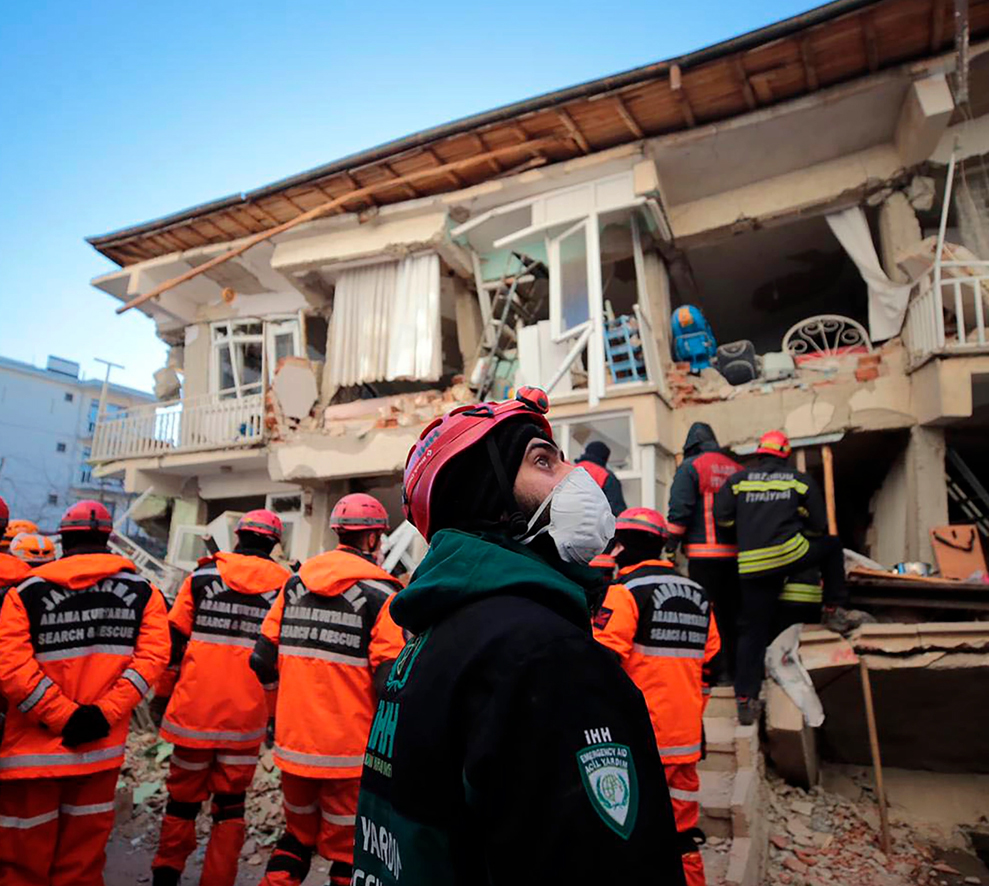
Diplomacy of Relief and Diplomacy of Disaster: How Countries are Reshaping their Foreign Relations?
Policy Analysis | The analysis shades light on the disaster and relief diplomacy, by providing an explanatory introduction to the two terms, focusing on the concept of disaster diplomacy by reviewing previous experiences, in order to reach an interpretation to the current scene after the recent earthquakes in Turkiye and Syria. Despite how tragic such event was, this analysis examines the extent to which the two countries are able to improve their domestic and foreign reality.
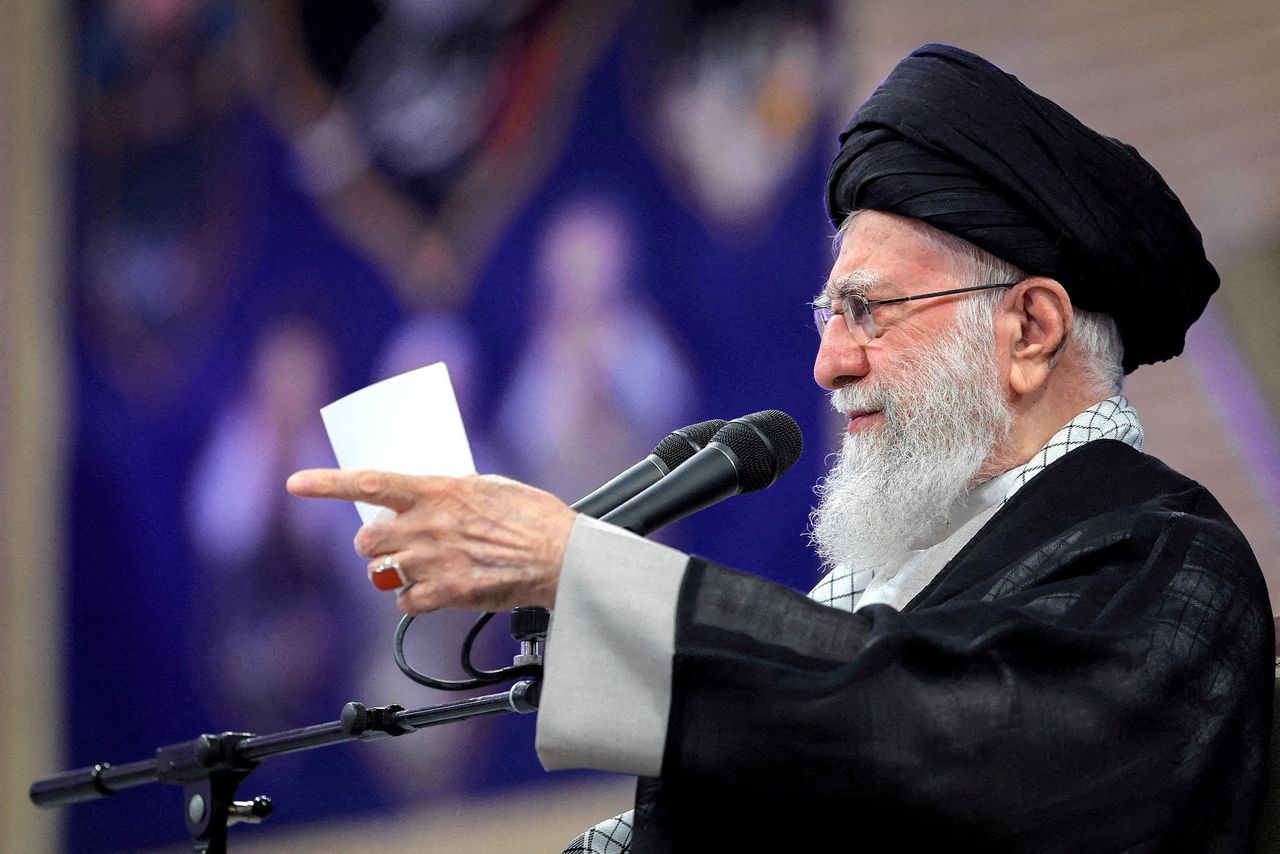
What Does the Iranian Supreme Leader’s Announcement of Conditional Pardons Indicate?
On February 5, 2023, Iranian Supreme Leader Ali Khamenei issued a conditional pardon. According to a statement published on the Supreme Leader’s website
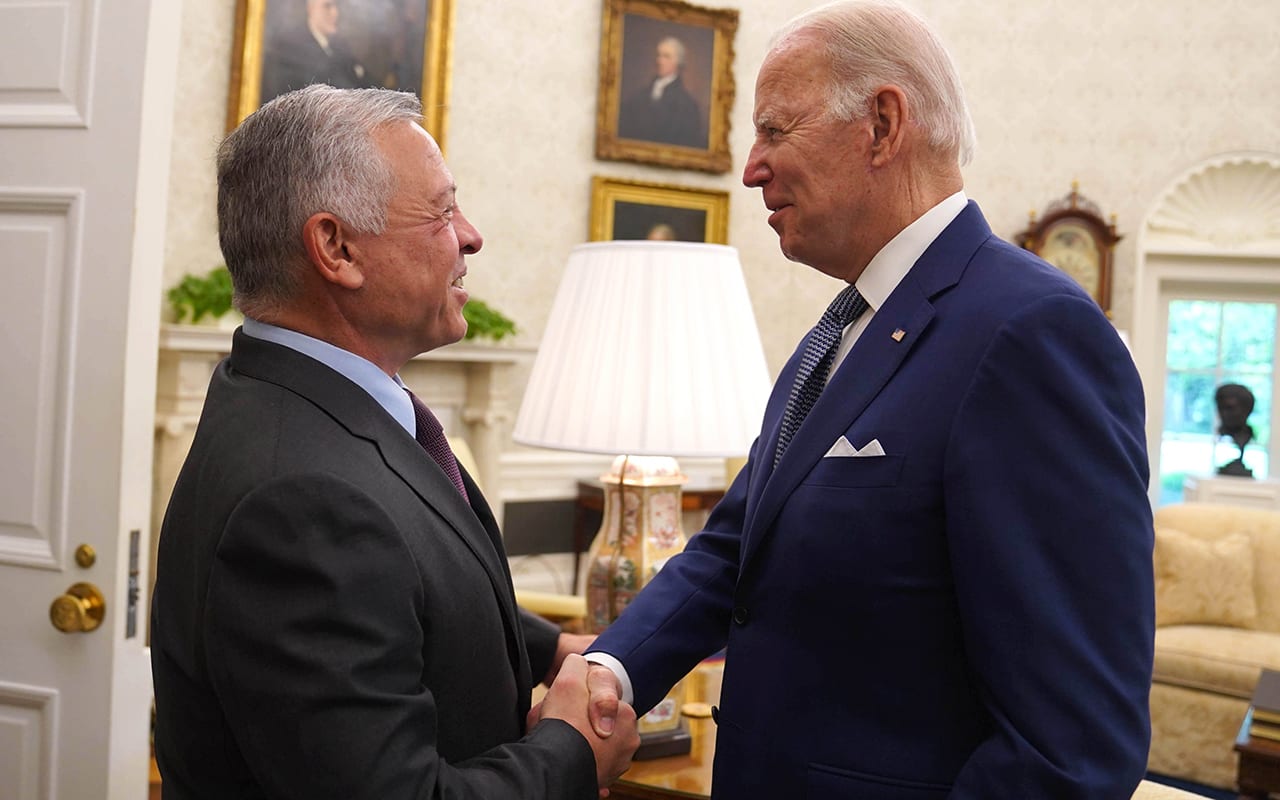
Is the King’s Visit to Washington an Indicator for Increased Jordanian Influence Coefficient?
Situation assessment | This assessment addresses the influence of Jordanian King Abdullah II’s visit to the United States in early February 2023 on important developments in the region, especially in the Palestinian, Iranian, and Israeli arenas.
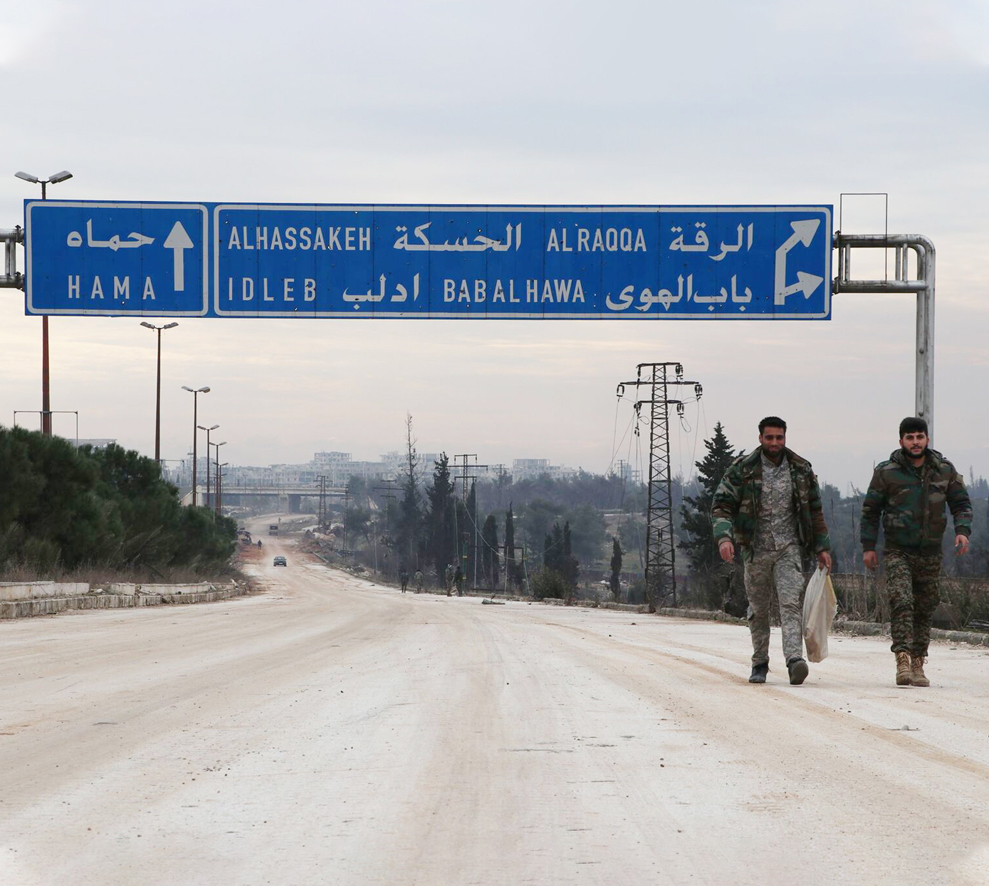
Syrian-Turkish Rapprochement And Geopolitical Scenarios In Northern Syria
Position Assessment | This paper addresses the features of the Syrian-Turkish rapprochement at the intelligence and military levels, and seeks to estimate the transformations in northern Syria by answering the following questions: What are the changes that will take place regarding the military movements in Idlib and the areas of Turkish influence in northern Syria? What is the nature of the changes to the influence of the Kurdish movements in northeast Syria? What are the main challenges that could face the trilateral track between Ankara, Moscow, and Damascus in northern Syria?
Advertising space title
Description of the advertising space. Upon the client’s initial approval of the design, this text will be removed.
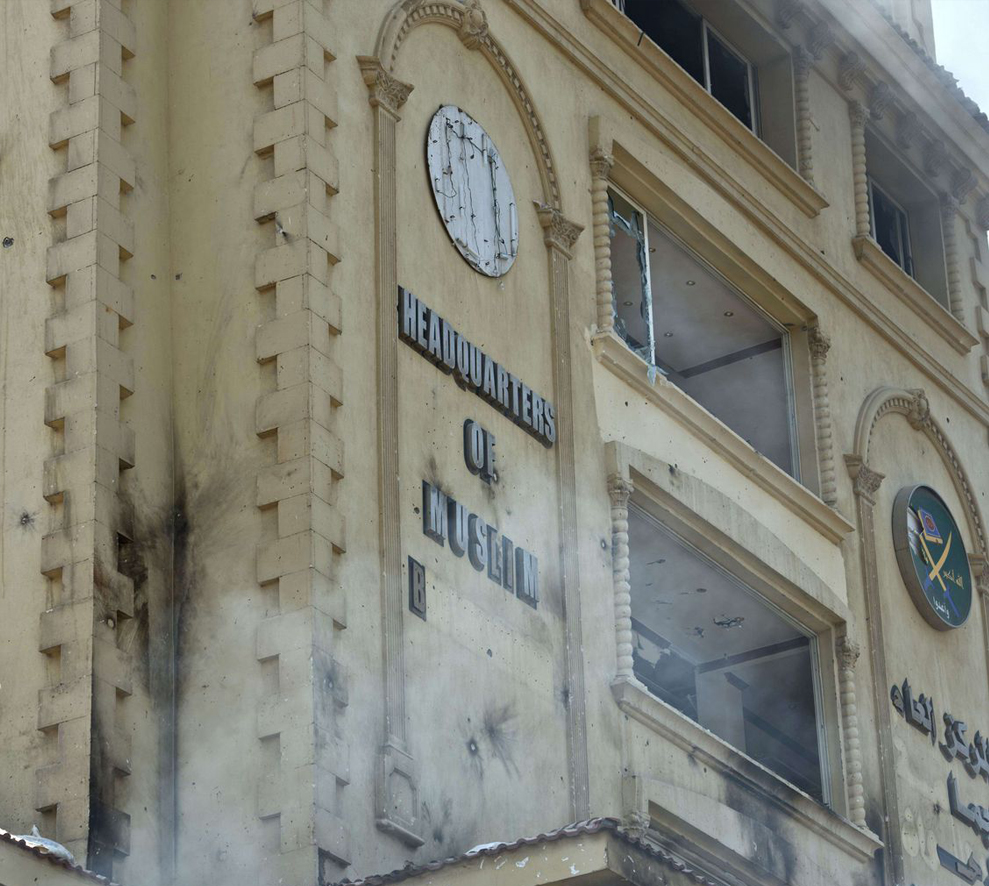
Problematic Relationship Between Muslim Brotherhood And Civil Society: From Foundation To Fall
Since its establishment, the Muslim Brotherhood sought to engage in civil society in order to gain support and legitimacy among the general public. This continued until 2013, when the group adopted an approach close to Western ideas, therefore; this paper seeks to clarify and discover the characteristics of the Muslim Brotherhood's position on civil civic work, and also how the group dealt and employed such work at different stages.
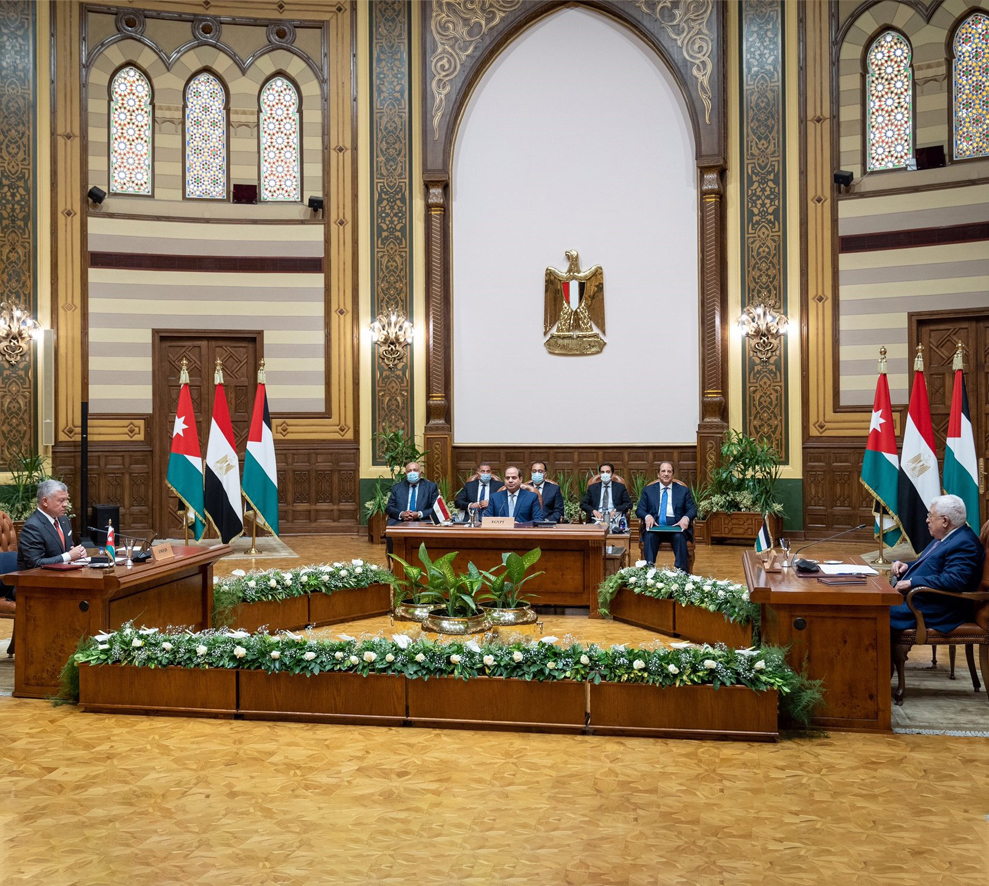
Cairo Tripartite Summit: Challenge and Response
Position Analysis | This analysis addresses the trilateral Summit, held in Cairo, bringing together the presidents of Egypt and Palestine, along with His Majesty King Abdullah II. This assessment also tackles the Summit significance being the first official Arab action after the formation of the new Israeli government. The assessment also addresses the challenges facing Egypt, Palestine, and Jordan.
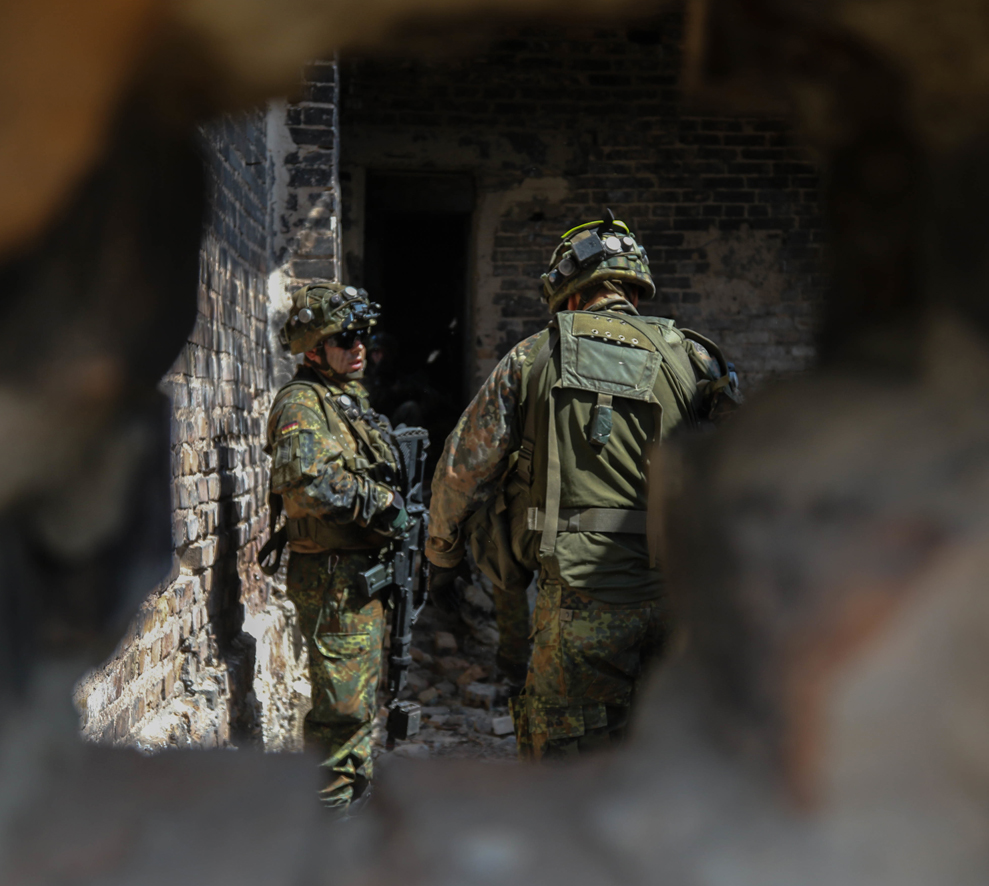
Asymmetric Threats:A Study in the Transformations of Traditional Deterrence Strategies
Position Assessment | This paper presents a theoretical interpretation of the growing asymmetric threats and their repercussions on international peace and security. Such threats have imposed shifts in the concepts and theories of security followed for decades, especially the theories of deterrence and balance of power, the matter which made requiring re-research into new strategies for deterrence in the international arena be necessary.
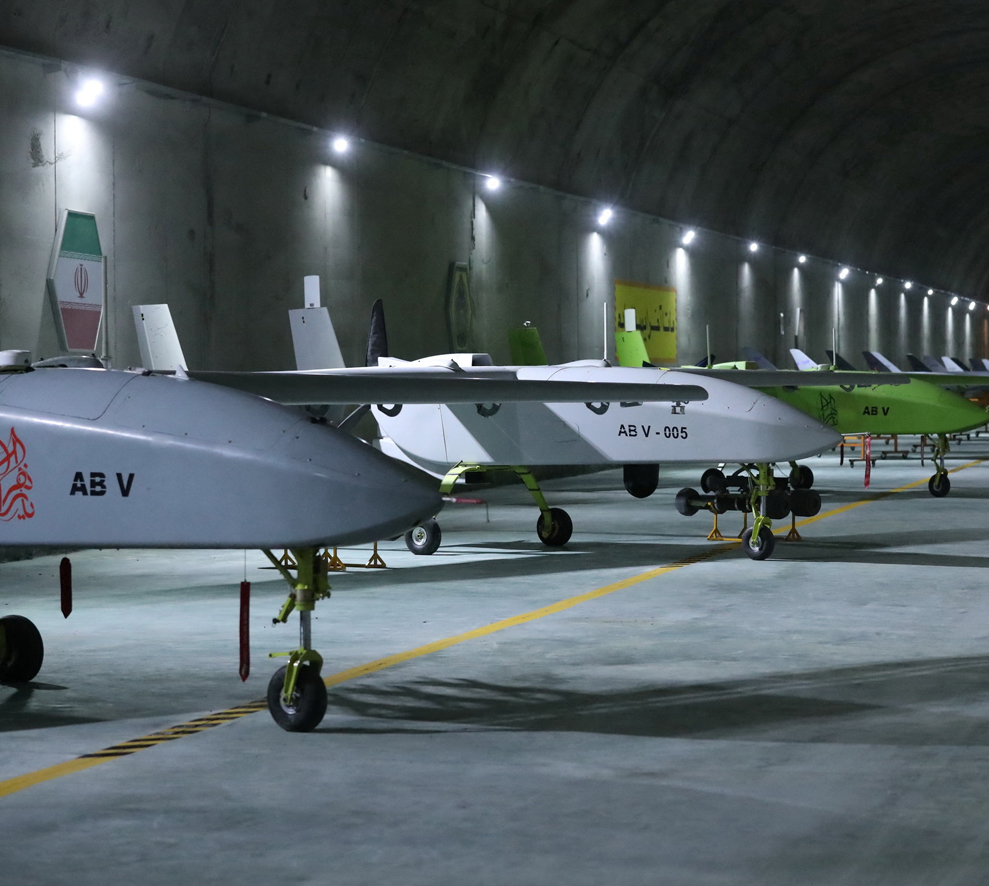
Strategic Motives for Iran's Role in the Ukrainian Crisis
Policy Analysis |This analysis addresses the Iranian role in the Ukrainian crisis, via providing advice to Russia and drones, the matter which raises many questions and inquiries about the nature of the strategic motives behind this Iranian role.
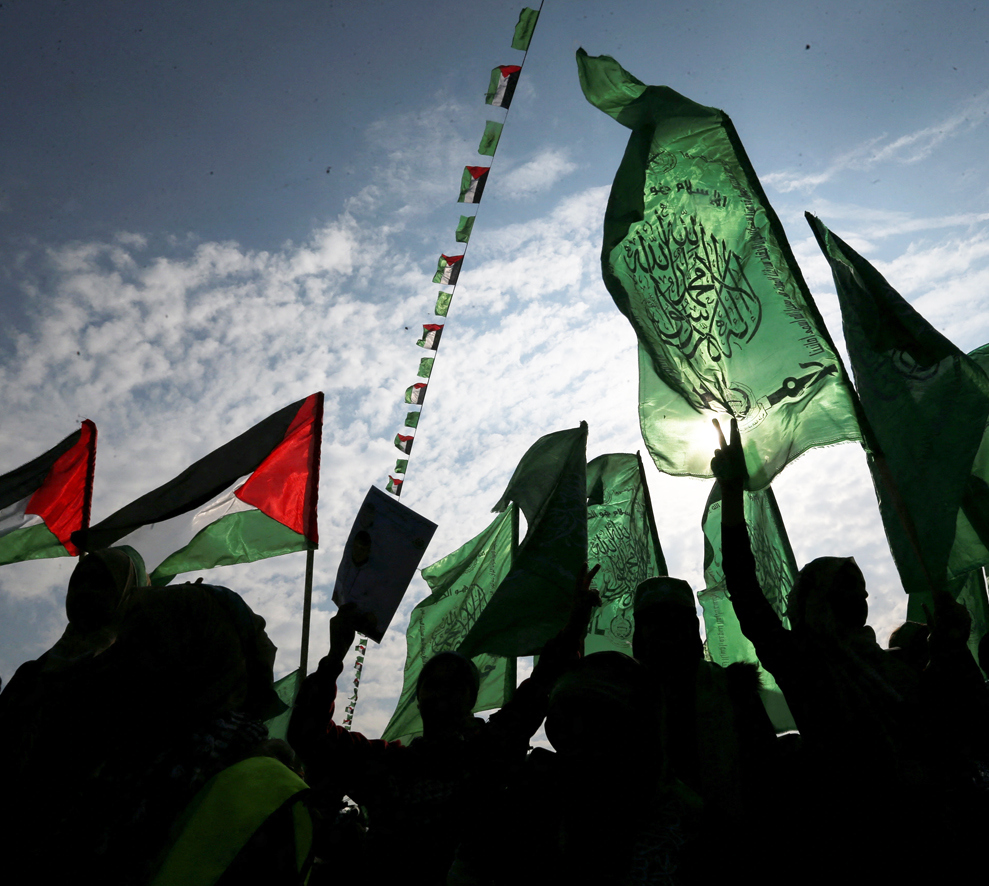
Thirty-Five Years after Founding: Hamas’s Strategic Priorities in a Changing Environment
Policy Analysis | This analysis presents a diagnosis of four Hamas leaders’ speeches, delivered at the Hamas’s 35th anniversary celebrations. The analysis seeks to answer the main question: What messages did leaders’ speeches carry? What positions are they embracing concerning the main challenges and directions of Hamas future track?