Policy Analysis
Politics
test
International and Global Trends
Washington and Tehran: Negotiations Under the Hammer of Military Buildup
Regional Trends
Iraq Between Geopolitical Challenges and Strategic Opportunities
The Palestinian–Israeli Conflict
Trump’s Plan: Second Phase Scenarios
Countering Terrorism and Extremism
The Decision to Ban the Muslim Brotherhood in Jordan: the Hand of the Law Against Transnational Ideologies
Filter by:
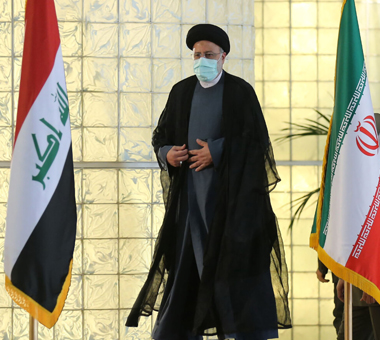
The Fate of Iran’s Role in Iraq According the Current Political Scene
Policy Analysis | This analysis addresses with the nature of Iran’s role in Iraq, in light of the current political situation. The analysis tackles the nature and priorities of Iranian strategies in Iraq, the way in which it manages the Shia-Shia conflict, also how Iran views the political scene in Iraq after selecting the President of the Republic and the forming the government, and the reflection of this in general on the future of Iran’s role in Iraq.
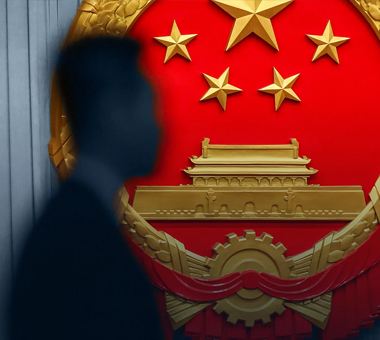
An In-depth Look at the Chinese President's Speech at the Twentieth Congress of the Communist Party
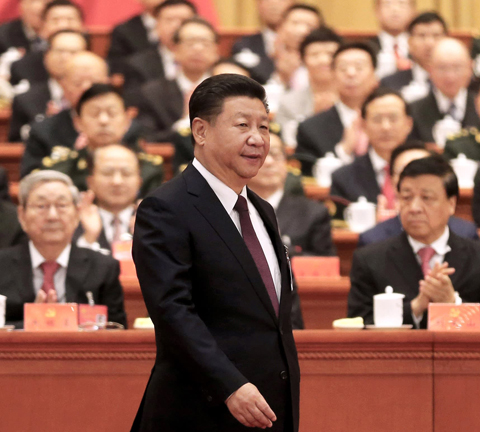
Policy Analysis | This article provides an interpretation of the Chinese President Xi Jinping's speech, by which he inaugurated the 20th National Congress of the Communist Party. The interpretation comes across four dimensions: domestic politics, the military, security, and foreign policy dimensions. The paper also discusses the hypothesis which says that the Congress is considered a partial turning point, after which Beijing will turn to domestic development, neutralizing its international dissonance with Washington as much as possible.

India and the Dilemma of Balancing Its International Relations: The Ukrainian Crisis as a Model
Policy Analysis | This paper is seeking to analyse Indian foreign policy through the model of the Ukrainian crisis. It is also seeking to foresee the outcome of the Indian position on that crisis by addressing the historical, economic, military, and geopolitical determinants of the Indian foreign policy. It presents the Indian position chronology of the development on the Ukrainian crisis, as well as the opportunities that such crisis may offer to India despite the caveats that may be imposed on it.
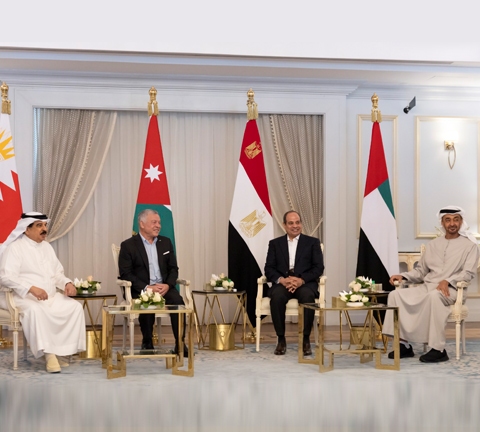
El-Alamein Consultative Meeting: Meanings and Objectives Interpretation
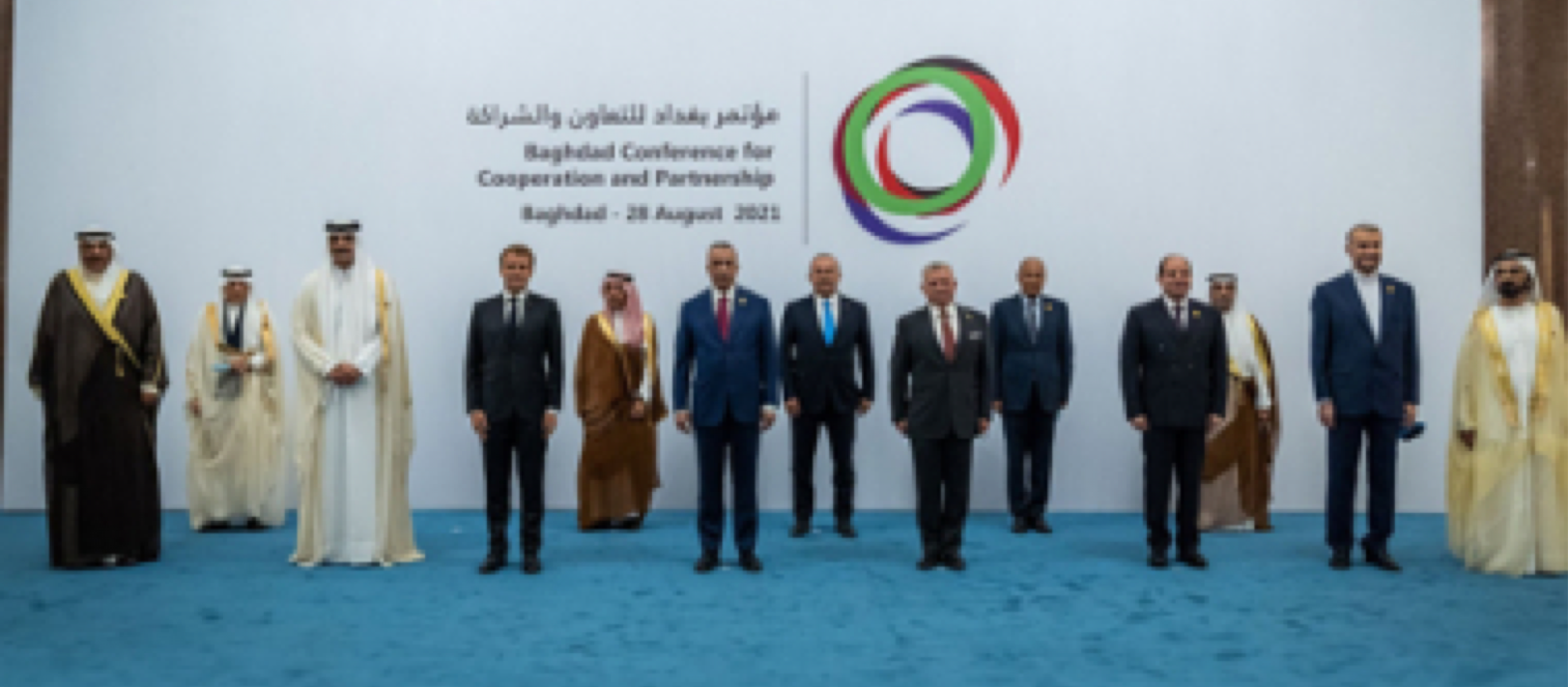
Policies analysis | This analysis addresses the significance of El-Alamein consultative meeting, which brought together the leaders of the Arab countries of Egypt, Jordan, the United Arab Emirates, and Bahrain, in the light of the joint economic projects, and the converging political positions of such countries, in a way that is likely to open the door to expanded Arab-Arab cooperation, with the aim of jointly confront the regional and international crises.
Advertising space title
Description of the advertising space. Upon the client’s initial approval of the design, this text will be removed.
The Middle East from the perspective of Chinese national security
Policy Analysis| The paper sheds light on the Chinese national Security Law, in an attempt to determine the position of the Middle East in the calculations of this Law. The paper explains the differences this Law has comparing to its American counterpart of a geostrategic nature. The paper foresees the future of the Chinese presence, impacted by the international competition with Washington, the matter which necessarily requires examining the mechanisms of possible "clash" between China and the United States in the region, and the repercussions of such clash on regional security.
China’s Strategy in the Middle East from an Analytical Perspective
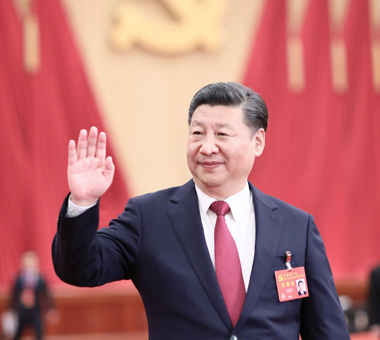
This analytical perspective addresses the ways and methods of Chinese engagement in the Middle East, building China's partnerships with various countries in that region. It also addresses the nature and future of China's presence in the region.
ESCALATING EMERGING THREATS: JORDAN'S FIGHT AGAINST DRUG CARTELS AS A MODEL
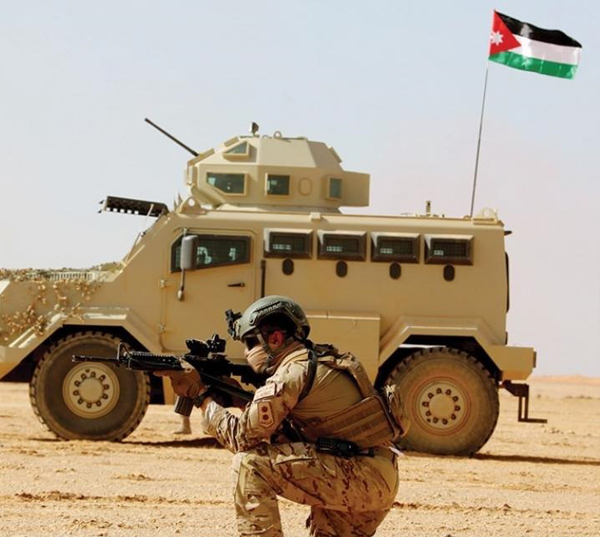
This analytical paper discusses the increase of the emerging threats, associated with cross-border drug cartels, which the Jordanian army recently announced a change in rules of engagement, in line with the response to the dimensions and effects of this threat.
.jpg-%D9%87%D9%84-%D9%86%D8%B4%D9%87%D8%AF-%D8%A7%D8%AE%D8%AA%D8%B1%D8%A7%D9%82%D8%A7%D9%8B-%D9%81%D9%8A-%D8%B5%D9%88%D8%B1%D8%A9-%D8%A7%D9%94%D9%85%D8%B1%D9%8A%D9%83%D8%A7-%D9%84%D8%AF%D9%89-%D8%AD%D9%84%D9%81%D8%A7%D9%8A%D9%94%D9%87%D8%A7-%D9%81%D9%8A-%D8%A7%D9%84%D8%B4%D8%B1%D9%82-%D8%A7%D9%84%D8%A7%D9%94%D9%88%D8%B3%D8%B7.jpg)
Are we witnessing a transformation in America's image with its allies in the Middle East? What are the Challenges?
The relations between the US allies are experiencing a fundamental change, starting from competitions, alliances, and polarizations up to the communication, dialogue, and cooperation in the fields of security, energy, transportation, and military coordination. This is accompanied by a transformation in the US commitment in the Middle East to head towards the Indo-Pacific region. Accordingly, researcher Muhammad Barhouma presents an interpretation for the change in the map relations between Washington allies. Mr. Barhouma answers the main question: Would such transformations be able to Fill the Strategic Vacuum Resulted by the American withdrawal?
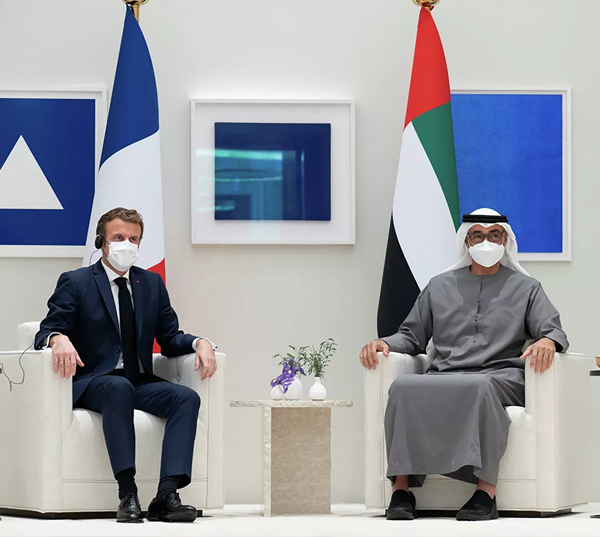
Macron's Gulf Tour: Motives and Impact on the Partnership with the United States
This paper examines the economic and geopolitical dimensions of French President Emmanuel Macron's tour to the United Arab Emirates, Saudi Arabia, and Qatar, where the growing aspects of the French-Gulf strategic partnership were observed in a way that proves Paris's position as a major strategic player, and confirms the recognition of the Gulf countries as indispensable partners. Thus, the paper aims to answer two of the most prominent questions: What are the motives for such a visit, and how will it affect the US-Gulf partnership?