Policy Analysis
Politics
test analyses
International and Global Trends
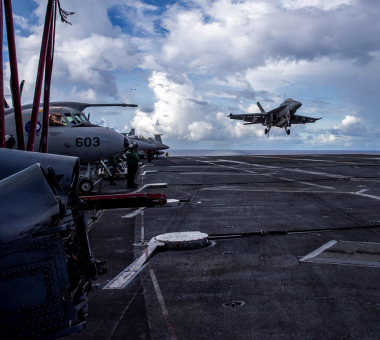
Washington and Tehran: Negotiations Under the Hammer of Military Buildup
Regional Trends
Iraq Between Geopolitical Challenges and Strategic Opportunities
The Palestinian–Israeli Conflict
Trump’s Plan: Second Phase Scenarios
Countering Terrorism and Extremism
The Decision to Ban the Muslim Brotherhood in Jordan: the Hand of the Law Against Transnational Ideologies
Filter by:
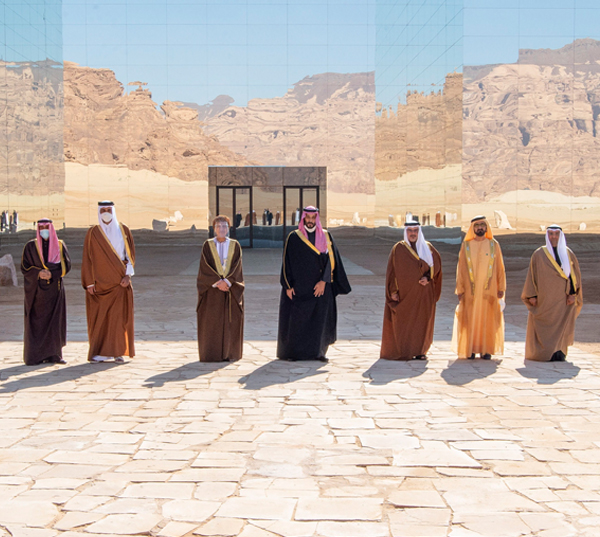
Features of Gulf Security in Light of a New Strategic Environment
The manifestations of the new geo-security field of the Gulf are reflected in the activity of its states over the Arabian Sea, the Mediterranean Sea, and the Red Sea, reflecting deep changes in the notions of geopolitics in relation to the vital and security interests of Gulf states. Therefore, this paper attempts to answer a basic question related to the new prospects and features of Gulf security in light of the new strategic environment, which links Gulf security to something broader.
.jpg)
Jordan's Role in Promoting Peace and Stability in the Region under the Leadership of His Majesty the King
This paper provides an overview of the most significant titles and stations of Jordan's role in promoting stability and building peace in the region under King Abdullah II's leadership. In addition, it examines the main features of the Jordanian situation in economic, political, and social terms, as well as its regional and international political activity, in light of the current situation and within the context of Jordan's geostrategic position and the nature of threats it faces. Furthermore, the paper predicts the possible and likely future of the active Jordanian role in shaping the features of the region, and the continued Jordanian activity in all directions and possibilities as an active actor playing its role to pursue stability in the region in where the doors to peace and development will open.
.jpg-%D8%A7%D8%A7%D9%84%D8%A7%D9%85%D8%A7%D8%B1%D8%A7%D8%AA-%D8%A7%D9%84%D8%B5%D9%8A%D9%86.jpg)
Why the UAE is worried about a “Cold War” between the United States and China
In this paper, Muhammad Barhouma provides an assessment of the reasons behind UAE’s concern about a “cold war” between the United States and China, as well as the context of such a war, how the UAE will interact with it, the potential impact on Emirati policies if the competition between the two superpowers intensifies, and the possible scenarios that will determine the UAE’s position on it.
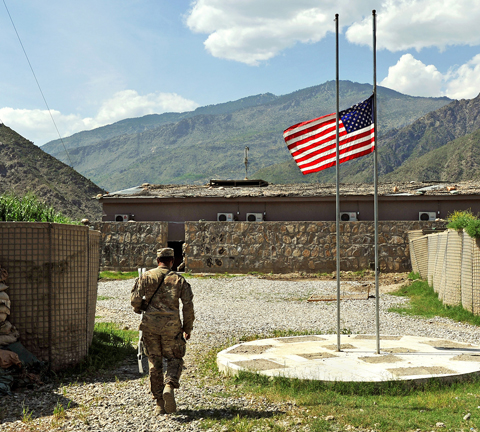
US Retreat from the Middle East and the Future of Global Leadership
One after another, US leaders bring the academic and intellectual community into a state of uncertainty when seeking to approach their global slogans about the US return to world leadership, coinciding with consensus on the apparent state of exhaustion as a result of the intervention in the Middle East, and amid calls and promises to withdraw from the region that is of great strategic and geopolitical weight. Thereupon, the following article examines the premise that the US retreat from the Middle East ends any chance of leading the world and threatens the pillars of the post-Cold War world order.
Advertising space title
Description of the advertising space. Upon the client’s initial approval of the design, this text will be removed.
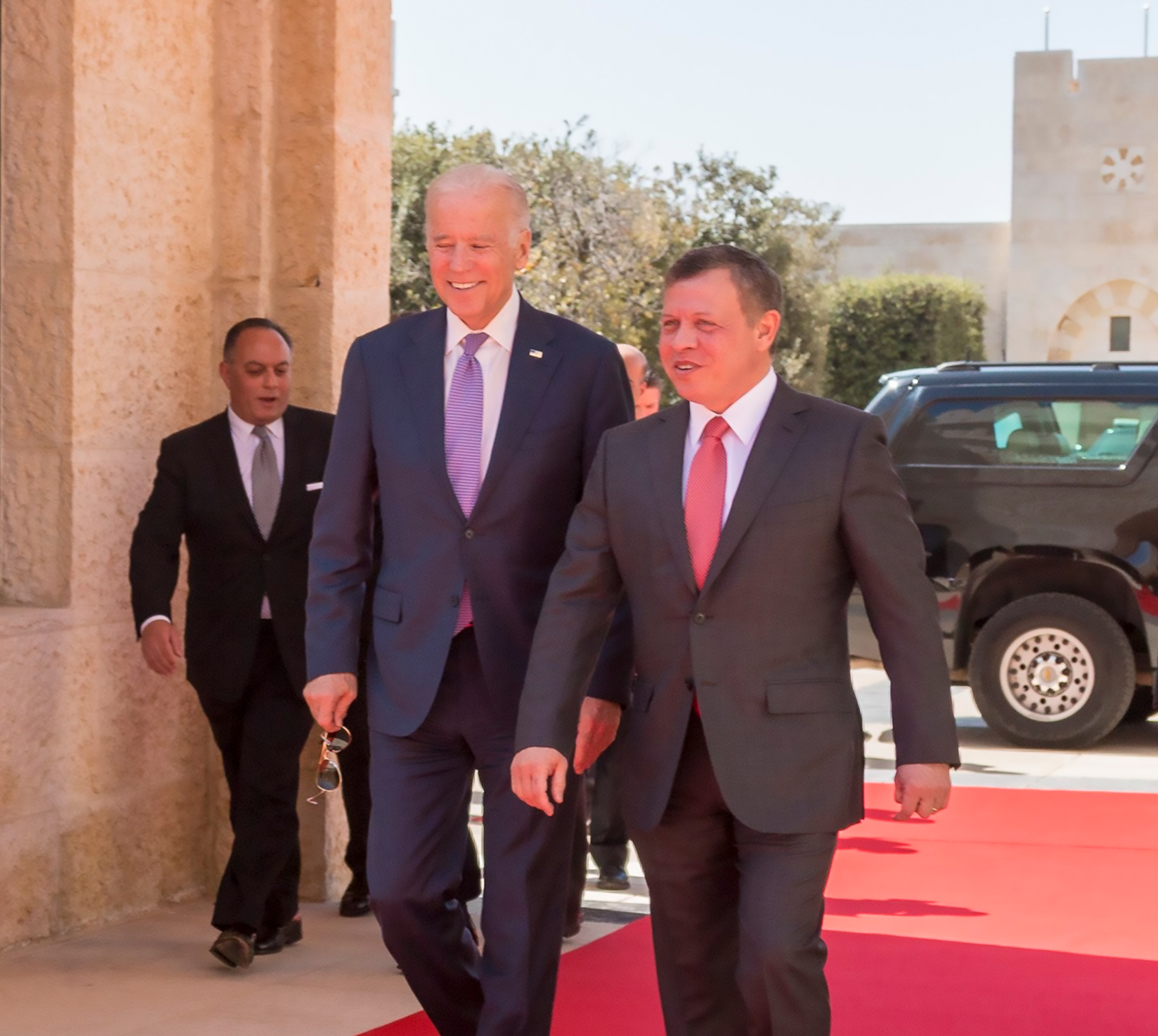
Amman's Approach to the New Washington
Having experienced an unusual relationship with the Trump administration on Jordan’s role on a number of issues, could some of the measures and amendments that Jordan may take help reset the pace of US-Jordanian political relations, with a new Democratic US administration?
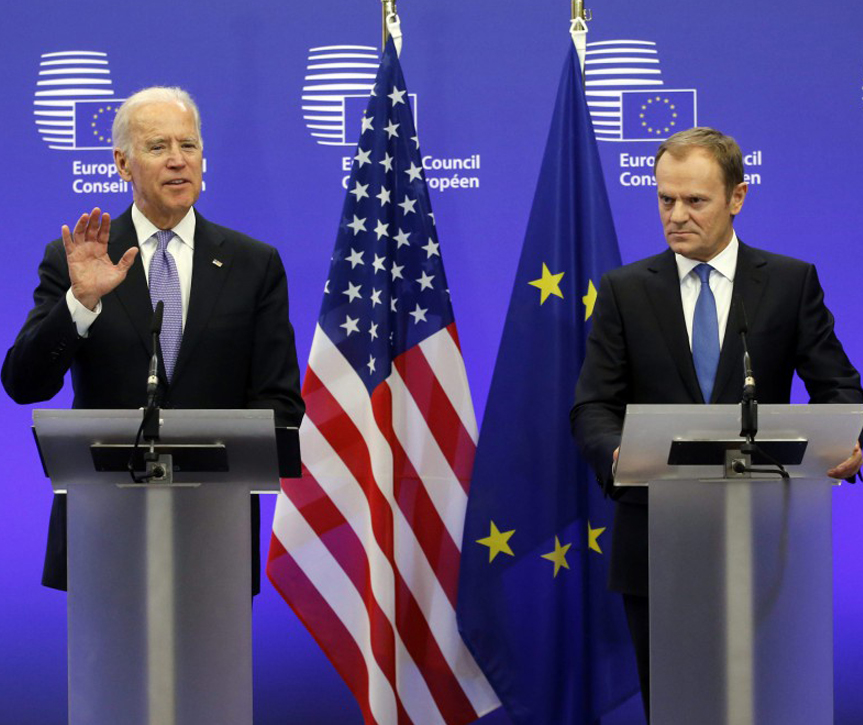
Between Allies and Adversities: What Does Biden's Victory Imply?
Joe Biden never stopped stressing – ever since he was still a candidate – his promises to put the United States back on the global arena, rehabilitate relations with allies and curb competitors, in a time where the whole world is observing this traditional American discourse welcoming and anticipating. This material studies the shape of foreign affairs that will be adopted by the newly elected president, it also seeks to answer an important question: what are the variables and invariables that we will witness in policies compared to those of the outgoing president Donald Trump?
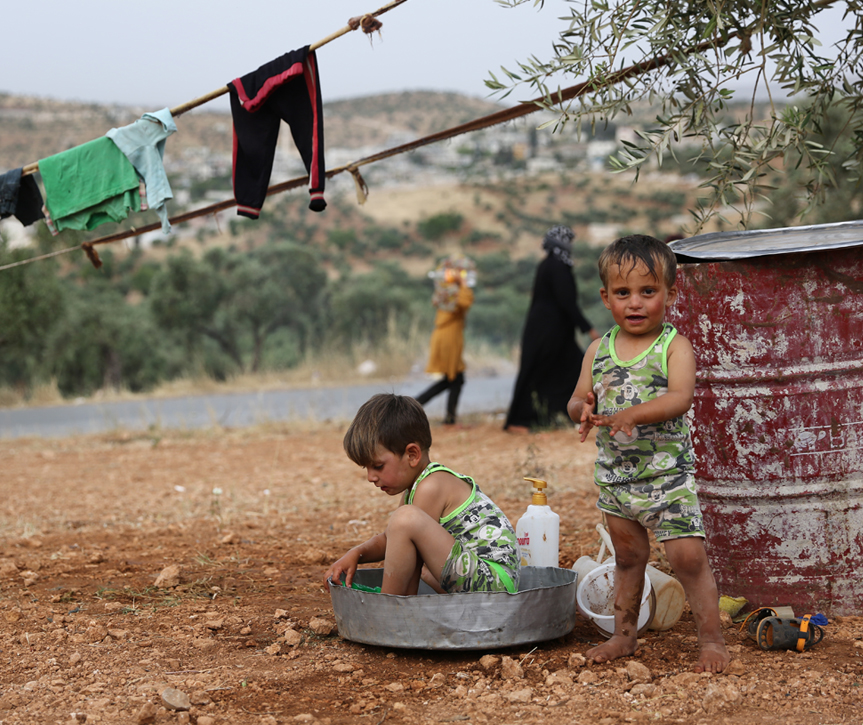
Arab World as Reflected in Some Global Indicators: What Do the Numbers Tell Us?
Looking at several and comprehensive indexes offers a broad perception of the ranking of any state or region to the entire world. This is done by measuring the dynamic changes in the fields of development, economics, local politics, security, and peace. Accordingly, this article introduces a wider perspective of the situation of Arab countries in a number of selected global indexes.
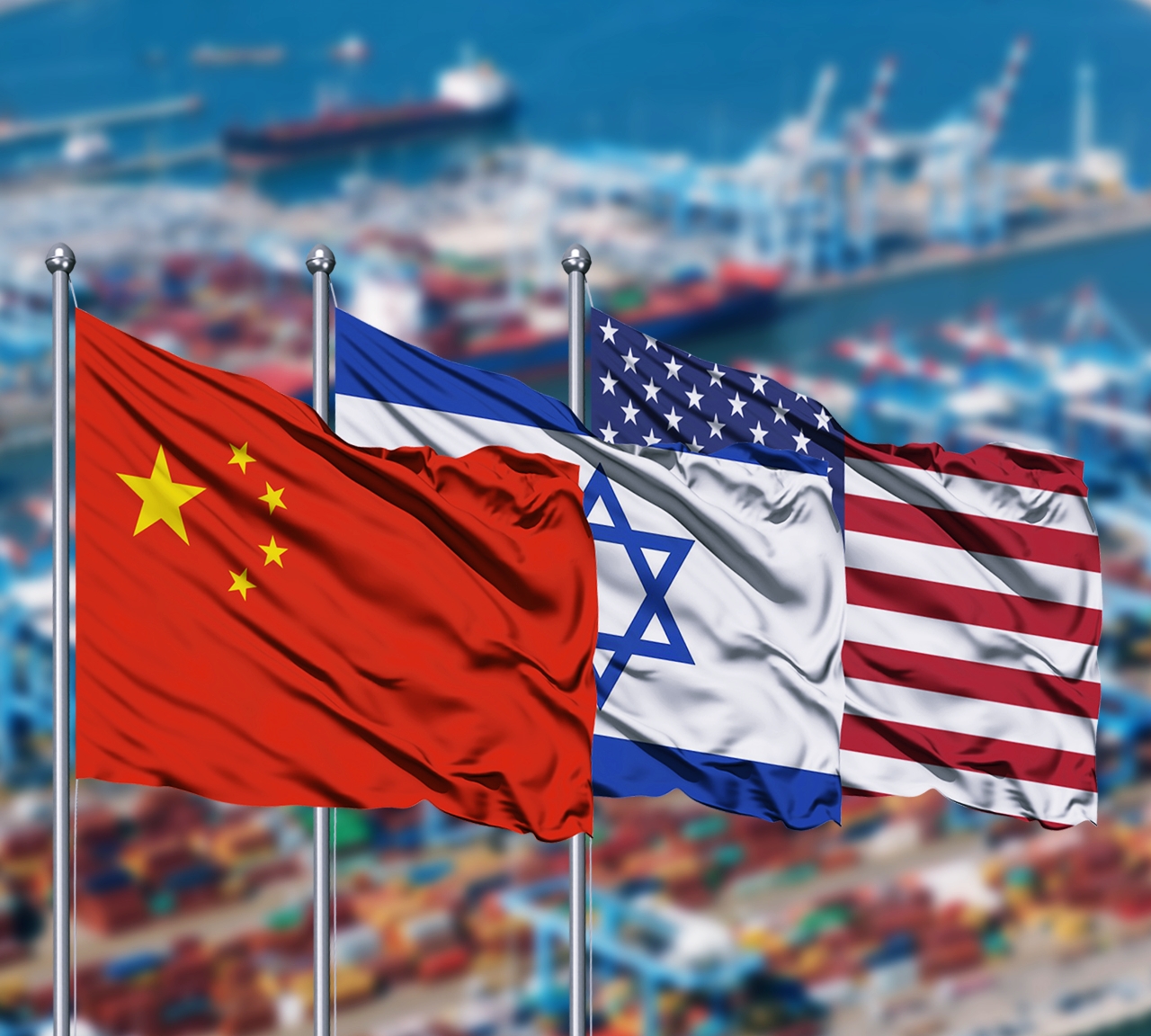
Israel as a New Arena of Chinese-U.S. Competition
In light of the increasingly tense Chinese-U.S. relations and given the internal and external circumstances in Israel, could Israel be the next arena for Chinese-U.S. competition? Are Beijing and Washington racing to win the loyalty of Tel Aviv? Or will the U.S. pressure Israel, its strategic and historical ally, to negatively affect Israeli-Chinese relations?
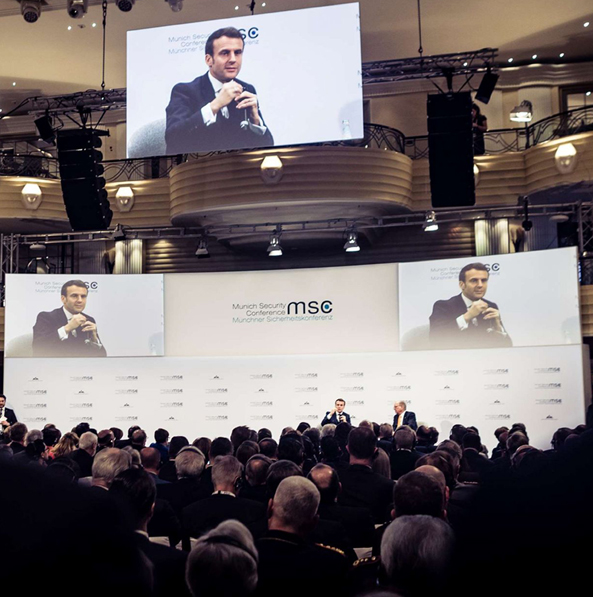
Munich Security Conference 2020: A Reflection of Relations Crisis in the West
The Munich Security Conference 2020 was held under the topic “Westlessness in the West”, amid disputes between the U.S. and European powers and the increased pressure on the continent due to the state of conflict and competition between the United States, China, and Russia. Hence, this article provides an overview of the Western scene, primarily a reading of U.S.- European relations and challenges facing the security community.