Report
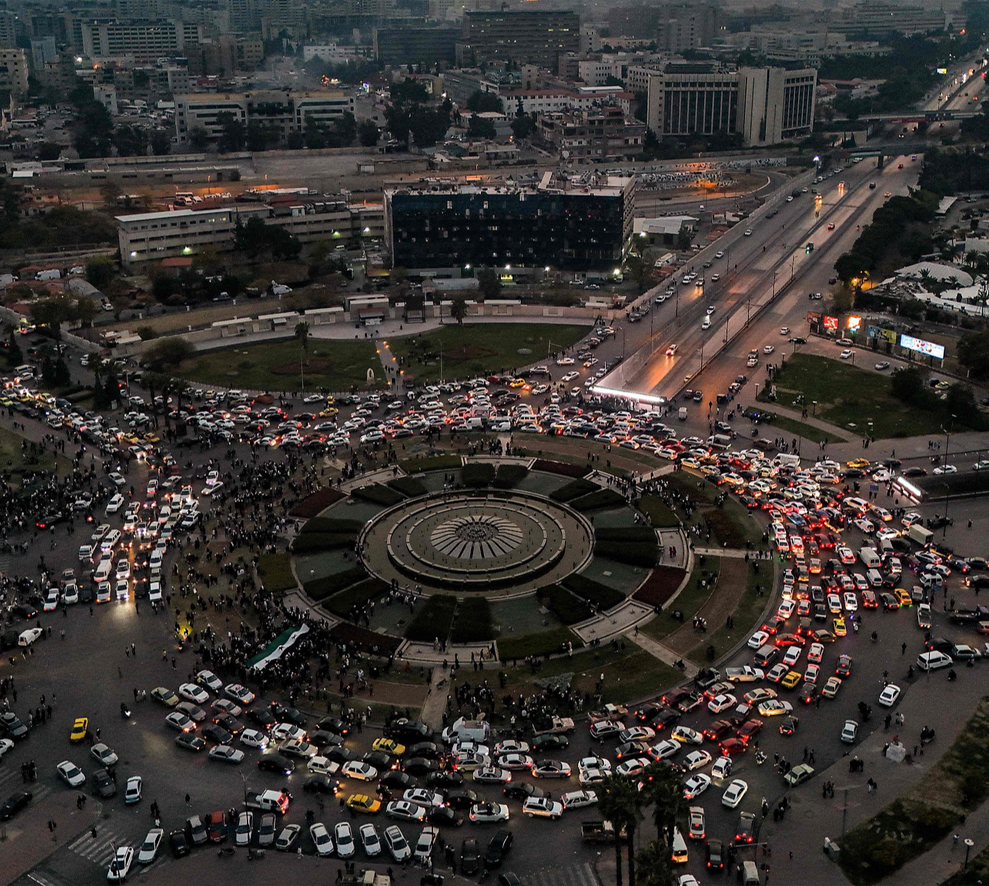
Arab policy
Syrian Political Consciousness in Transition: Structure and Stakes
The Palestinian–Israeli Conflict
Gaza’s Society: Roles and Effectiveness in Light of the Political and Security Vacuum
Economy and Energy Policy
Rebuilding the Syrian Economy After a 14-Year Crisis
International and Global Trends
STRATEGIECS: A 2024 Year-End Message on the Priority of Foresight in a Complex World and a Tightly Interwoven Regional Landscape
Countering Terrorism and Extremism
Sudan: The Country Hijacked by Islamists and Targeted for Burial by Iran
Filter by:
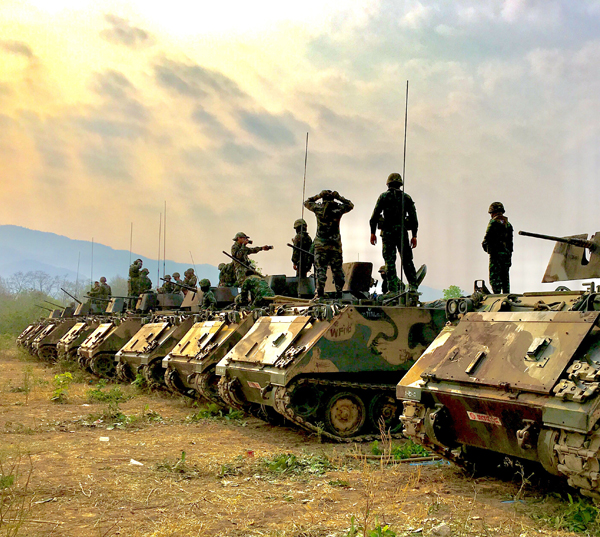
The Global Trends for the Future of the Military Force
Global military force is witnessing an increasing trend in equipping national armies with the tools of cyber war, hybrid warfare, and smart power. At the same time, Global powers are competing to acquire the Sixth-Generation hyper-sonic weaponry and space militarization. Such matter requires huge efforts to balance the study of "virtual" war reality and the data from the ground for the wars in future.
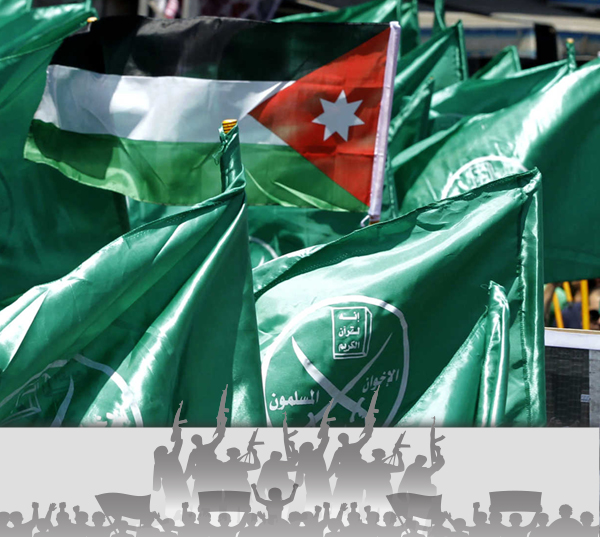
THE HYBRID EXPERIENCE OF THE MUSLIM BROTHERHOOD IN JORDAN
This paper presents a study for the Muslim Brotherhood in Jordan over centuries since this group was founded in 1945. The study is focusing via a descriptive and analytical view on the hybrid mixture in the Muslim Brotherhood practices, which range from the religious charity dimensions and the political considerations, along with the changes and transformations in the Muslim Brotherhood's discourse, which turned from being of breaching into being of protesting.
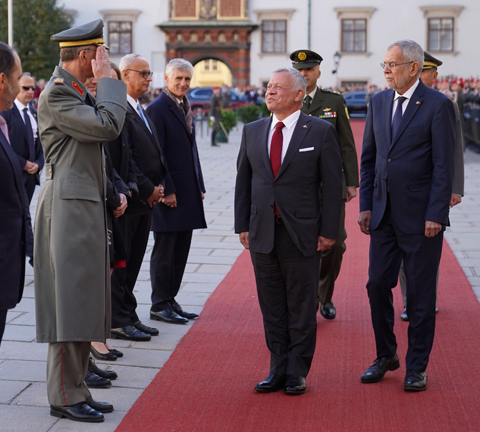
Jordan's Multifaceted Diplomacy Toward Europe
Europe is considered of great importance for the decision-makers in Jordan. Therefore, Jordan and the European countries have been involved in diplomatic interactions on many levels, the highest of which is King Abdullah’s meetings with European leaders. During the royal tour of Europe in October 2021, two unusual elements of Jordanian-European relations can be observed: 1- Diversification of Jordanian-European relations toward Central and Eastern Europe 2- Engagement in environmental diplomacy. The following report highlights these two elements from the standpoint of Jordan's higher interests.
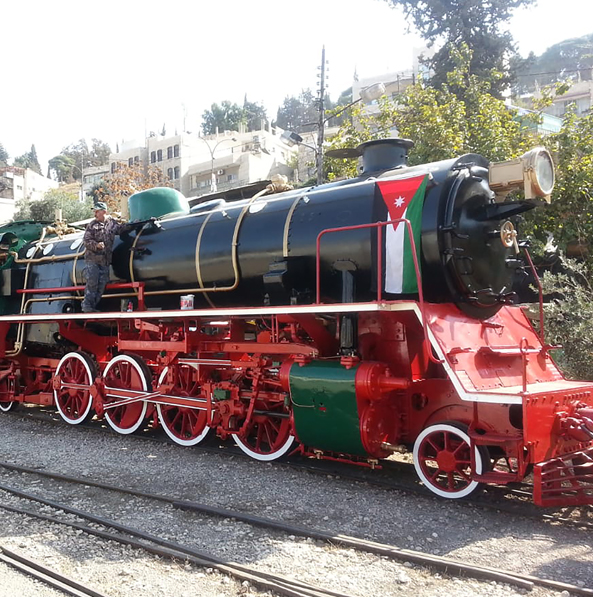
Rail Network Strategy: Jordanian hopes and Search for Regional Integration
This paper provides an overview of the national railway network project, which was announced in the Government’s Economic Priorities Program for 2021-2023, explaining the economic basis of the project based on theoretical references of the railway sector. Additionally, the paper examines the national railway's interactions with global logistical interconnection projects across the Middle East, where large-scale projects were announced both in complementary and conflicting contexts, which demonstrates that the national railway cannot be separated from regional and international turmoil.
Advertising space title
Description of the advertising space. Upon the client’s initial approval of the design, this text will be removed.

Israel Post-May 10th
The recent large-scale military clash between Palestinian factions in Gaza and Israel marks a milestone in the course of Palestinian-Israeli interactions; for although the realities on the ground have not changed, the repercussions of the recent escalation continue to mount before Israel. The following strategic assessment discusses the interaction of Israel's formal and social structure with vital fronts: the Israeli interior, Jerusalem, the diplomatic environment, and military operations. The paper also includes a possible outlook for these interactions.
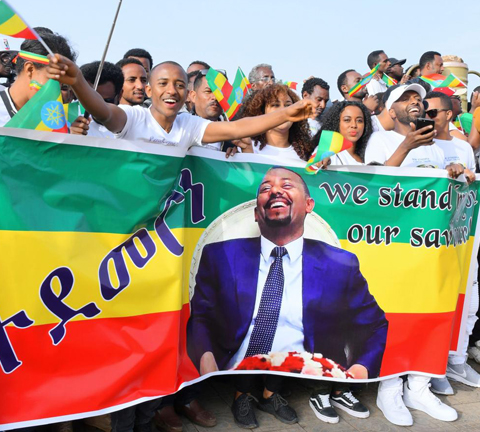
Addis Ababa and the Issue of Influence in Horn of Africa
It seems that the Ethiopian government of the Prime Minister Abiy Ahmed, refuses to acknowledge the fact that Ethiopia is a landlocked country. It considers that its influence in the Horn of Africa will be difficult to expand without access to sea ports. In this analytical reading, the general contexts in which Addis Ababa is looking for a regional role will be highlighted.

Geostrategy in 21st Century
This analytical reading attempts to briefly examine the most prominent factors that weaken the role of classical geostrategy in determining international influence. With the rise of factors influencing the calculations of world powers, it is not possible in the 21st century to rely on the expansionism – which is costly and useless – that dominated international politics at the turn of the 20th, as the instruments of control and influence have changed, necessitating the adaptation of geostrategy to these changes.
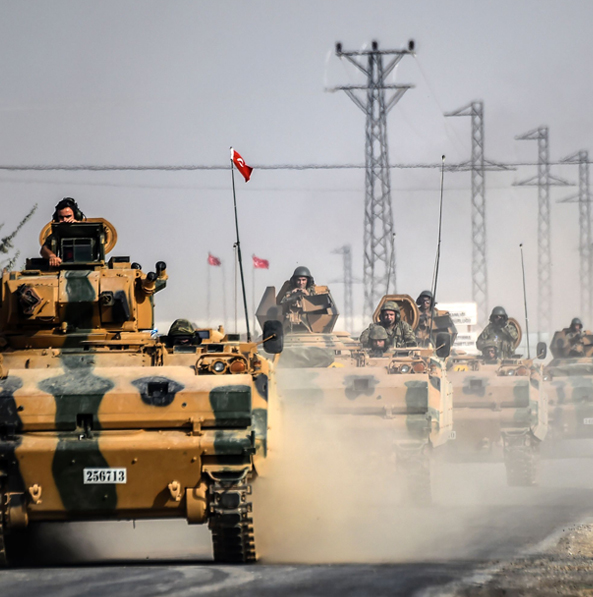
Dimensions of Turkey’s Utilization of Military Force in Regional Politics
Turkey has recently expanded its military footprint on various battlefields; Syria, Libya and Azerbaijan, raising questions about the existence of a new military and defense policy. This article tackles the Turkish utilization of military force in regional politics.
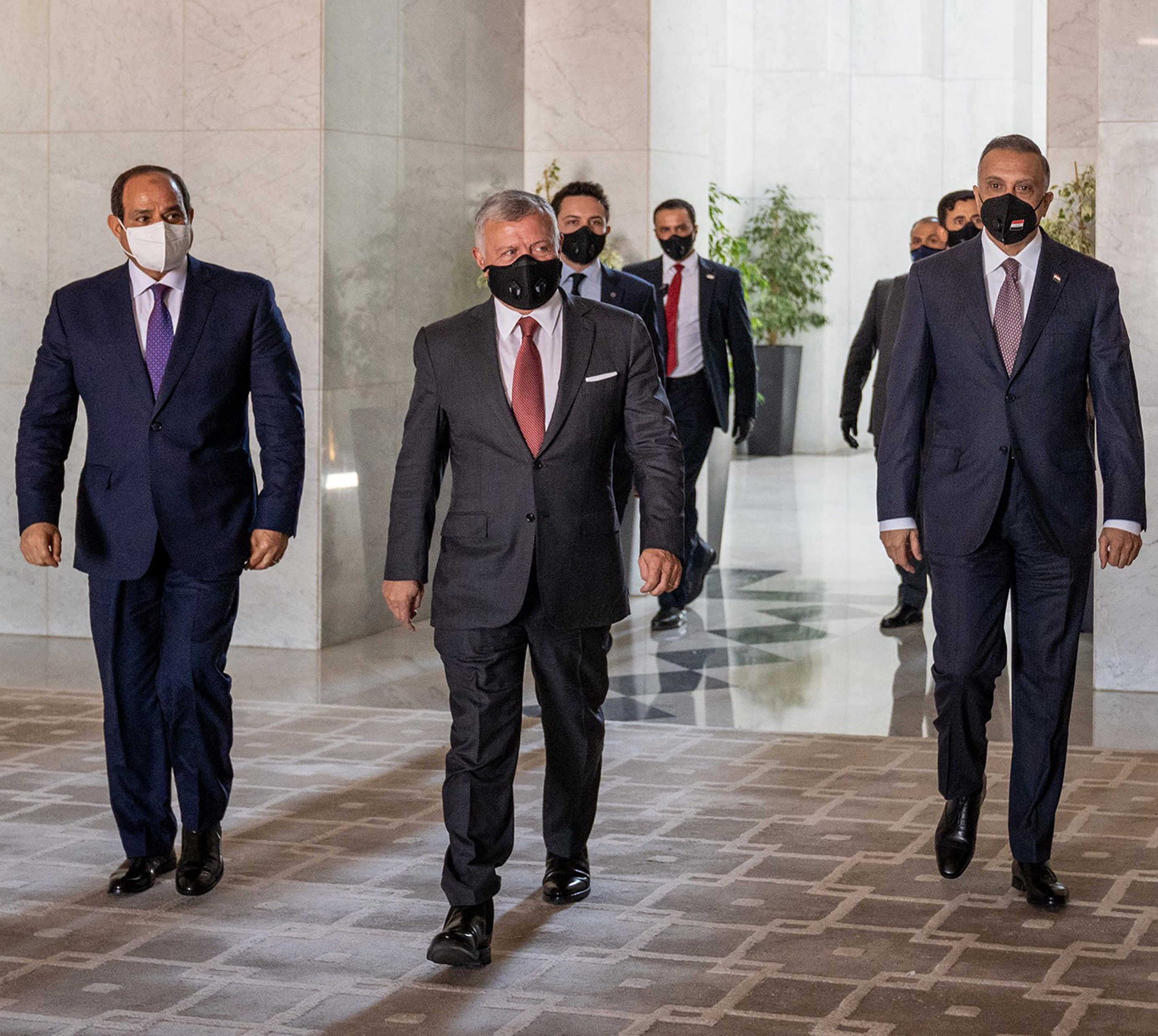
Amman, Cairo, and Baghdad: Towards a pioneering development partnership
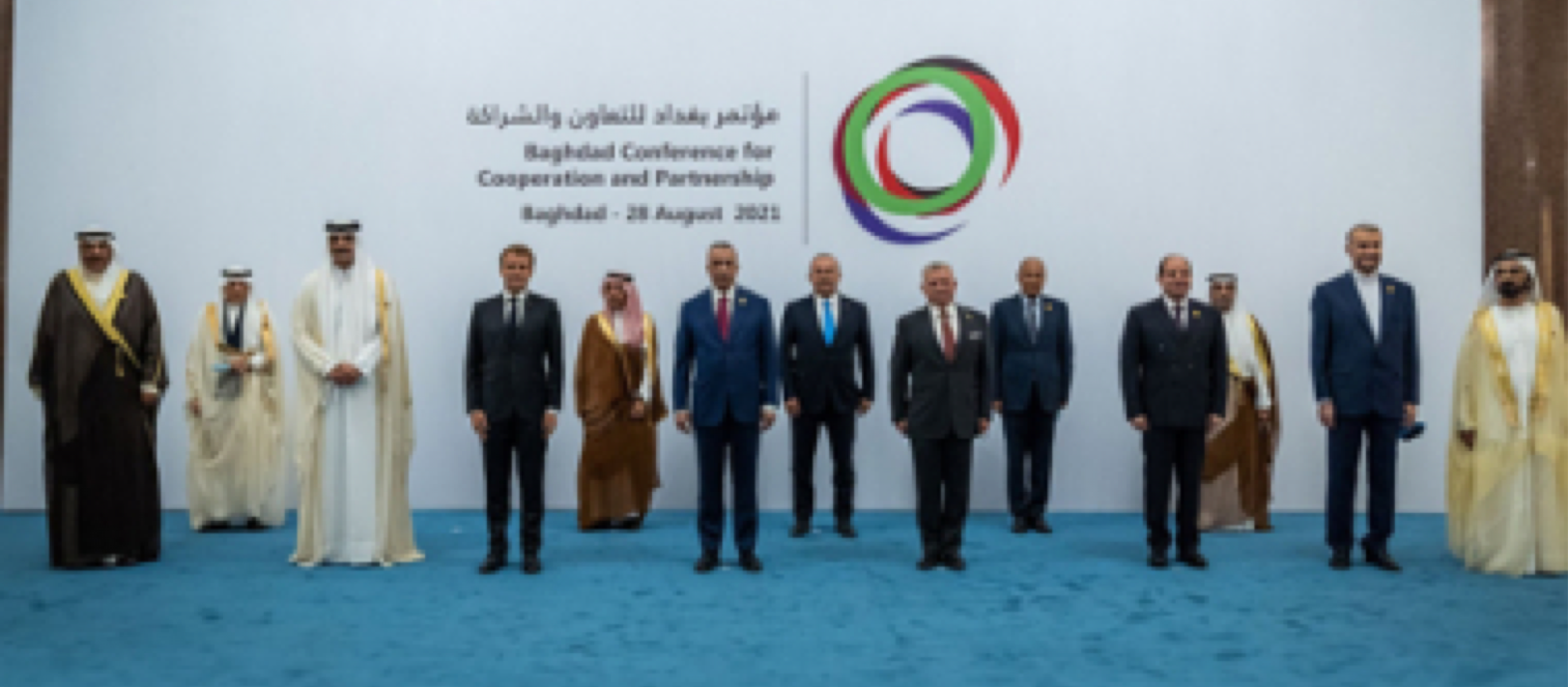
The following policy paper reviews the features of the upcoming partnership within the Amman-Cairo-Baghdad axis in light of regional and international developments, and defines the general theoretical framework governing its interactions. It also contains 22 recommendations to policy makers that can contribute to achieving the desired goals and ensure the sustainability of the axis for the coming years, enabling it to attract the support of regional and international powers for implementing development projects away from the widespread political polarization in the Middle East. This paper is to be followed by another paper on the tripartite partnership from a purely economic perspective in accordance with the macroeconomic indicators of each country, showing the most prominent economic elements on which to base the economic vision of the emerging axis.