Publications
International and Global Trends
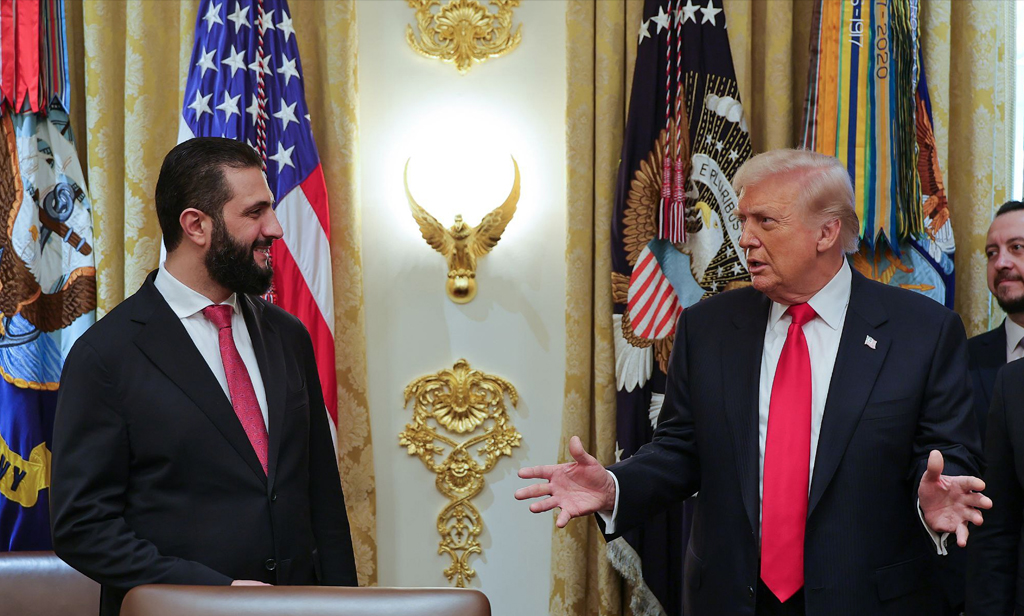
Real clear world: A former terrorist inside the white house
This article examines the unprecedented decision to welcome a former jihadist—long designated as a terrorist by the United States—into the White House. It traces his trajectory from al-Qaeda operative to interim president of Syria, raising urgent questions about a dramatic shift in U.S. foreign policy. The piece challenges readers to consider the consequences of legitimizing a figure whose past is inseparable from decades of extremist violence.

Countering Terrorism and Extremism
Sudan: The Country Hijacked by Islamists and Targeted for Burial by Iran
International and Global Trends
The Gaza War and the Military Deployments in the Region of the World’s Great Powers
The Palestinian–Israeli Conflict
Position Assessment: Potential Pathways of Conflict between Hamas and Israel
Emerging Threats and Non-Traditional Security
Asymmetric Threats:A Study in the Transformations of Traditional Deterrence Strategies
International and Global Trends
The Ukrainian Crisis And Its Repercussions On The Transformation Of Chechen Fighters From "Salafi-Jihadism" To "Sufism Jihadism"
Filter by:
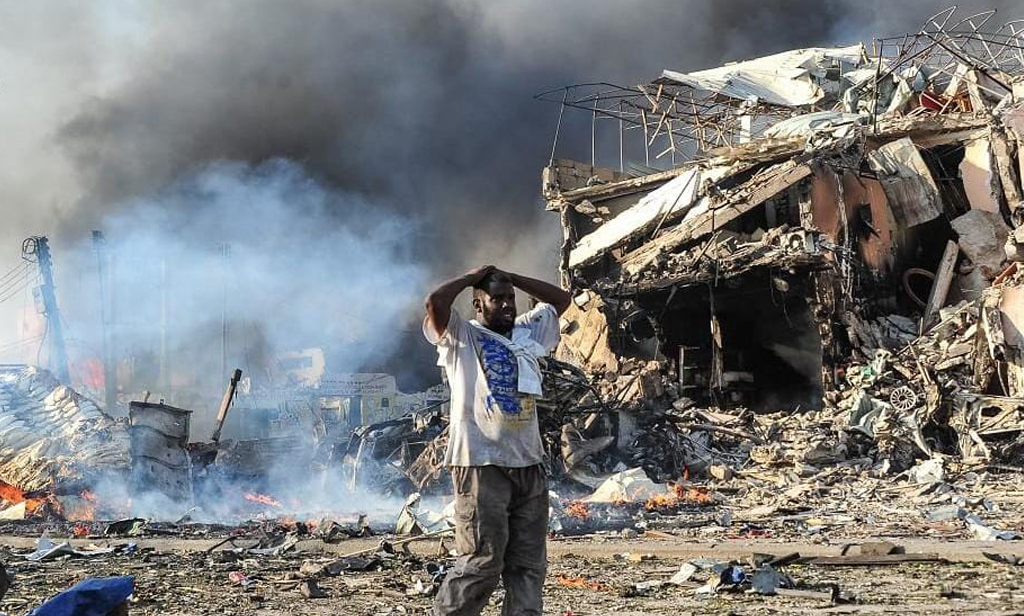
Why Terrorism Has Expanded Into The Jungles Of Africa
This report provides an overview of the development of informal armed groups in Africa, going through the most important factors that make the African continent a quasi-safe haven for the expansion of international terrorism after ISIS retrogression in the Middle East; for Africa is crucial to the global security considerations despite the fact that security studies in this regard are relatively few.
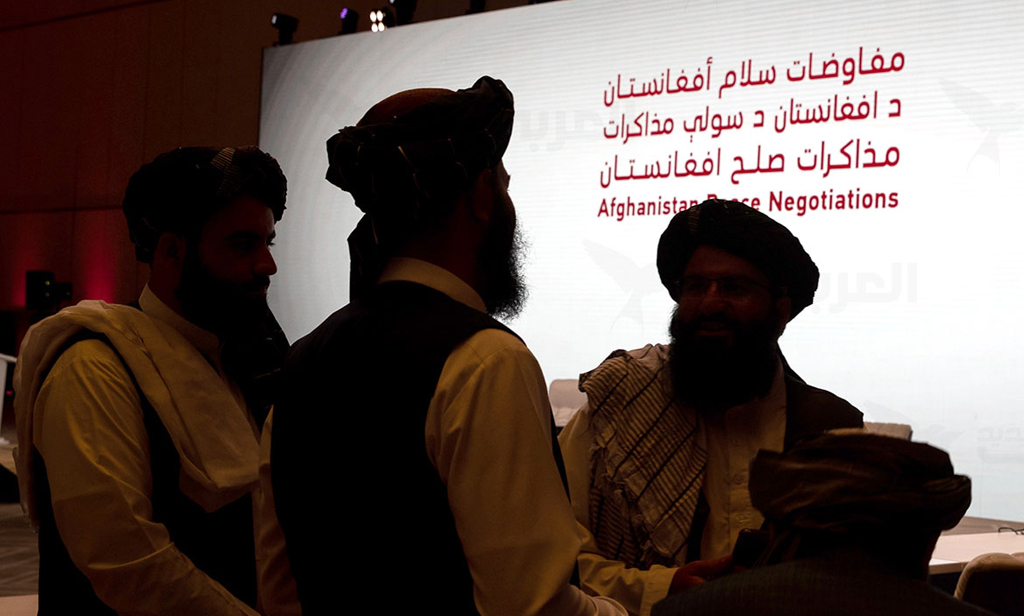
"The Afghanistan Papers" and the future's peace with Taliban
the report out-looked the difficulty of moving the external agreement (of Washington and Taliban) to a local level (the Afghani government and Taliban) , as Taliban does not want to grant the Afghani government the legitimacy through a serious agreement for a shared governance, and the Afghani government, as well, is reluctant to show a flexibility in dealing with a party that is involved in killing civilians and military personnel in fear that it might make it look weak, tolerant and willing to make concessions.
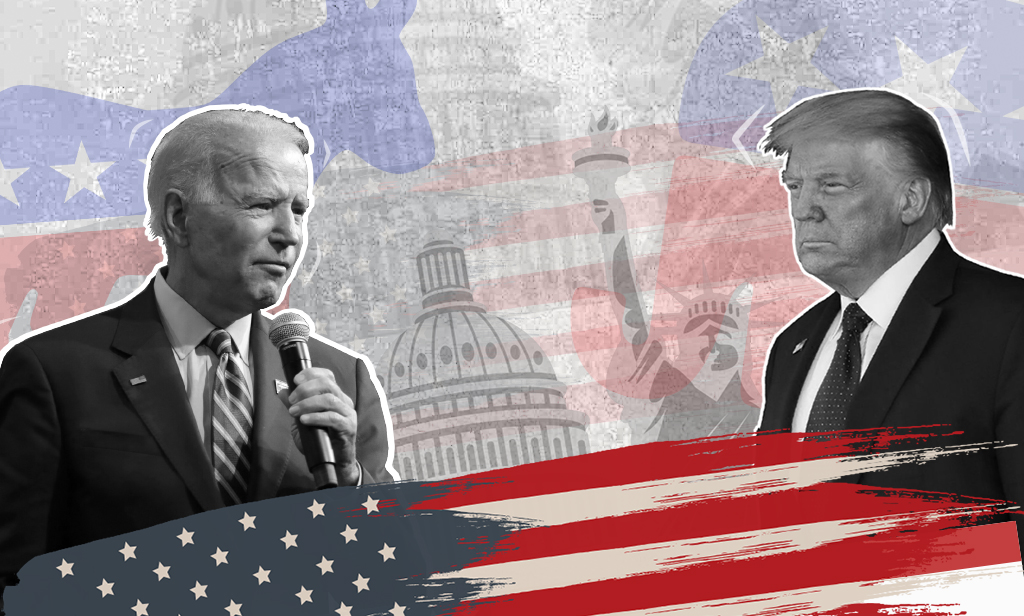
US Elections 2020: A Race for Second Term or New President?
The US presidential elections have always been of near-decisive importance for all the major issues and files at the national level as well as the international arena and for handling its course of events. These elections, which will be held in early November 2020, are within the same context, but they are also specifically significant due to the poor health situation resulting from the outbreak of the novel coronavirus and its repercussions on social and economic activities, the matter which increased the political polarization among the competitors for the highest executive position in the United States....

PRISM: Cyber Physical Systems: The Coming Singularity
This article tackles the hidden, yet fundamental, technological change taking place at the present time and leads to the unification of our digital and physical worlds in minute detail on both the engineering and operational levels. It also discusses how such a technological transformation/uniqueness, represented in the cyber-physical systems, will have many effects on the US intelligence and military ecosystem, especially with regard to dealing with adversaries. This is through getting to know - in depth and in detail - these systems, their characteristics, developments and effects, and identifying the nature of their relationship with the Internet of Things, in addition to presenting some network visualizations of such systems, and other subtle details.
Files on the G7 Table
This file is an attempt to advance understanding and analysis towards assessing the role of the G7 in the rapid changes that the world is witnessing today, and to discuss whether this role is working to bring views closer together and achieve the common international interest or whether it is part of a series that is working to aggravate the status quo on the issue in question.

PRISM: The Challenges Facing 21st Century Military Modernization
STRATEGIECS Think Tank presents its translation of the esteemed PRISM journal, which specializes in national and international security studies, published by the National Defense University (NDU), where our team conducts translations of several select papers from the magazine into Arabic. Establishing this cooperation stems from STRATEGIECS and PRISM’s endeavor to expand the Arab-speaking readership of the journal. As such, STRATEGIECS will be the only Arab platform that offers PRISM content in Arabic, which will be regularly published on our website. The first paper addresses key challenges facing military modernization in the 21st century, using the Singaporean model as an example and highlighting essential questions policymakers must ask when deciding on a specific modernization program, amongst other relevant discussions.
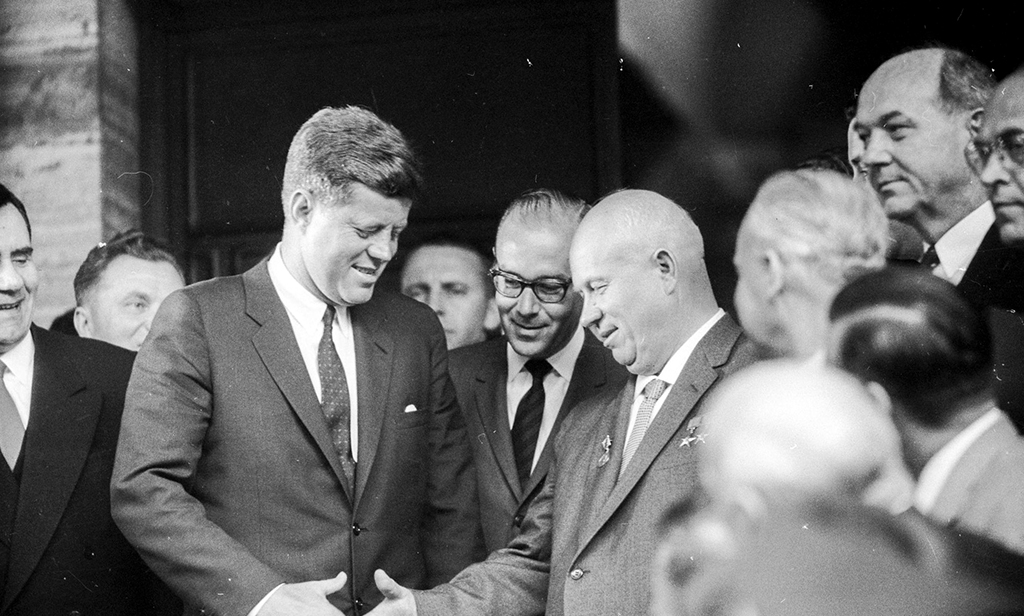
International Crises: Possible De-escalation or Heightened Tensions?
While offering a theoretical definition of the term "international crises" and the required criteria to categorize an event as an "international crisis", the report cites historical events of international crises that had negative and positive effects on the nature of major international interactions. The report also explains, in theory, the reason behind considering the Coronavirus epidemic as an international crisis, providing key lessons learned from past international crises, to expedite the process of economic and political recovery in the post-Coronavirus stage.
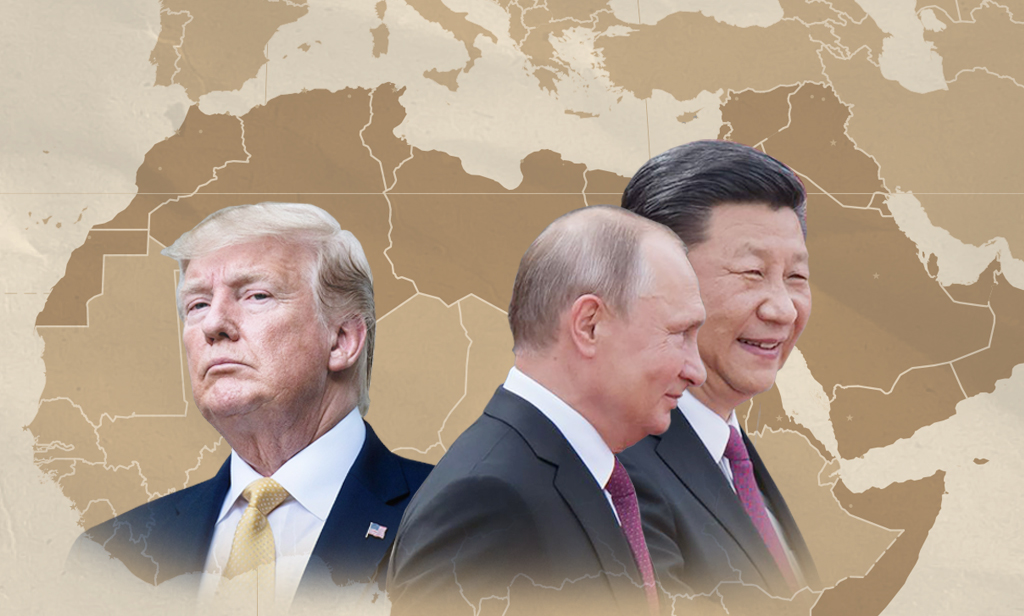
Strengthening Strategic Stability in the Middle East
For the last twenty years, the U.S. played the role of the guarantor of security in the Middle East, however, doubts increase over possible U.S. intent to disengage from the region, and despite signs of the U.S. remaining in the region, there are also solid indications of an intent to partially leave it. Thus, this paper assesses the hypothesis that the U.S. may seek to partially disengage from the Middle East, by proposing a set of strategic options should Washington increase its "partial disengagement" measures.
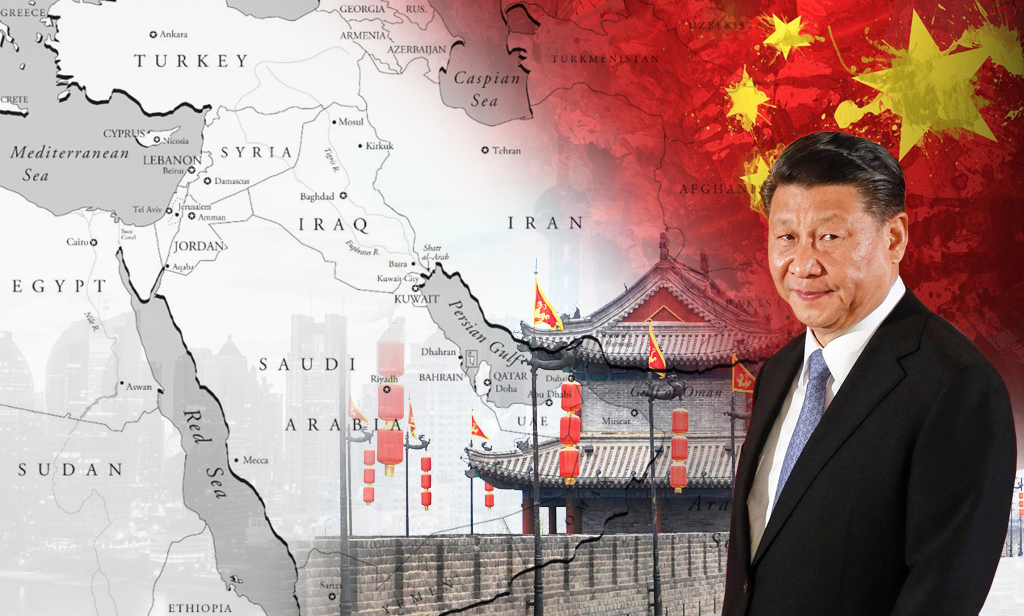
Analytical Perspective: China's Strategy in the Middle East
Previous studies on China's strategy in the Middle East are indeed few, as analyses focused on China's Belt and Silk Road initiative, however, these studies overlooked China's relations with the Middle East countries on the one hand and its role in the complexities of the region on the other. Therefore, this analytical perspective seeks to introduce key elements of China’s strategy in the Middle East, particularly the means and mechanisms of its engagement and partnerships in the region.