Analyses
Filter by:
After the Assassination of Khamenei: Scenarios for the Third Supreme Leader
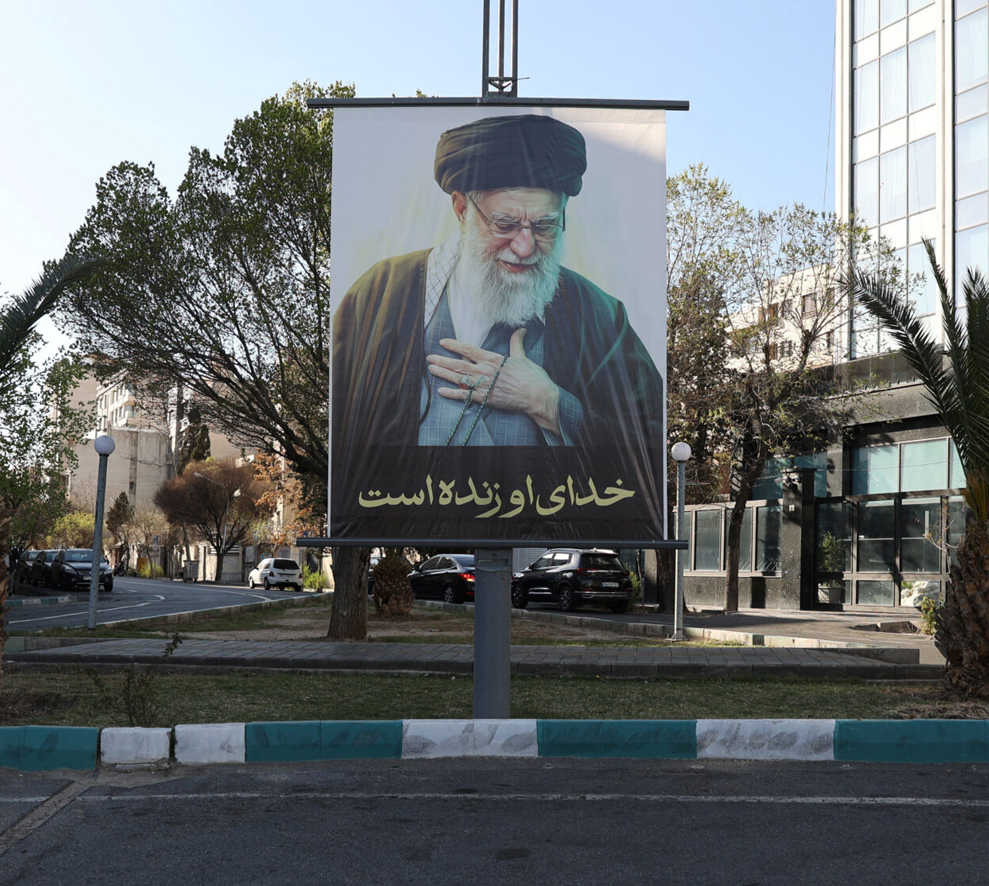
The assassination of Iran’s Supreme Leader Ali Khamenei represents a pivotal moment in the history of Iran. It opens a complex phase of political transition in light of the U.S.-Israeli war on Iran, mounting internal pressure, and the intensifying competition between the reformists and hardliners. The succession of the Supreme Leader may ultimately be determined either through constitutional mechanisms or through the Interim Leadership Council. Three main scenarios emerge: the continuation of the existing power structure with a new conservative Supreme Leader, a redistribution of authority that reduces the powers of the Supreme Leader in favor of the elected institutions, or a structural change that could affect the Guardianship of the Islamic Jurist principle and nature of the regime, depending on the course of the war and the internal balances.
Israeli-U.S. Military Operation Scenarios and Iranian Responses
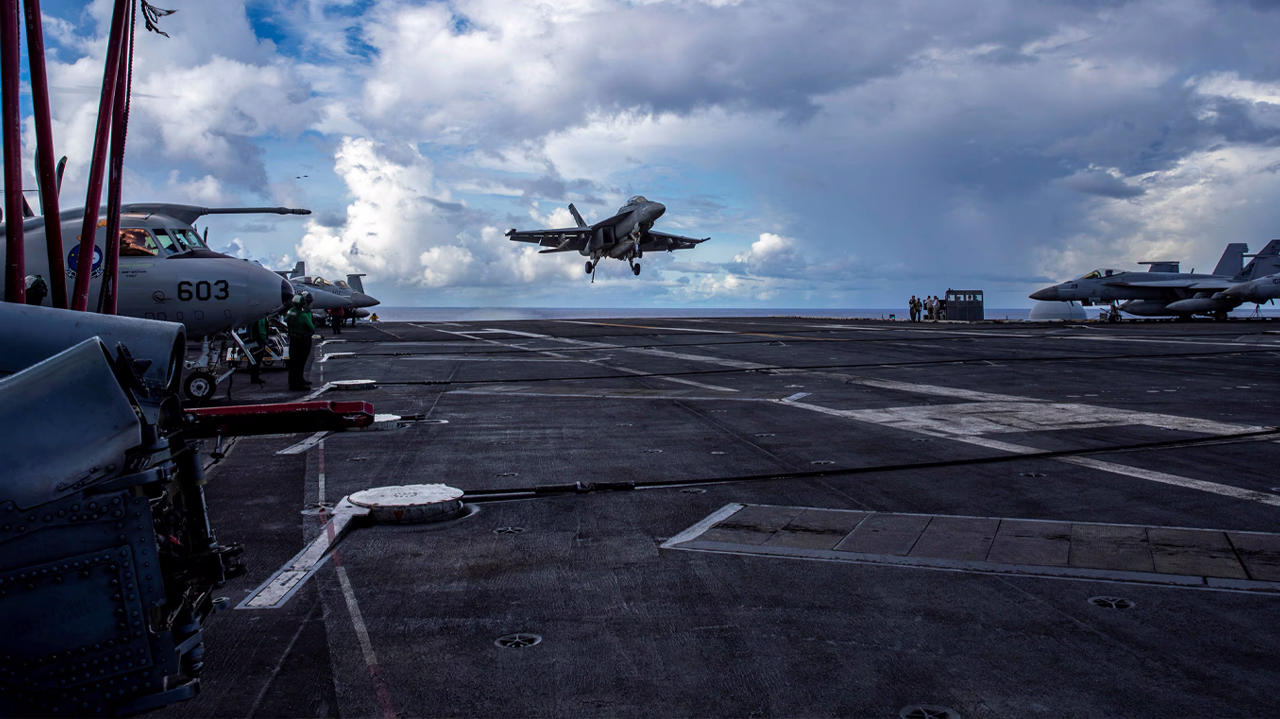
The Israeli- U.S. joint military operation against Iranian targets is still in its early stages, but it is intertwined with the war development in the Gaza Strip, particularly following the direct exchange of attacks in April 2024 and the escalation in October. The military operations were further expanded on June 13, 2025, with Israel launching a military operation against the Iranian capabilities, which was then followed by the U.S. “Operation Midnight Hammer” on June 22, 2025, targeting three nuclear facilities: Fordow, Natanz, and Isfahan.
Washington and Tehran: Negotiations Under the Hammer of Military Buildup
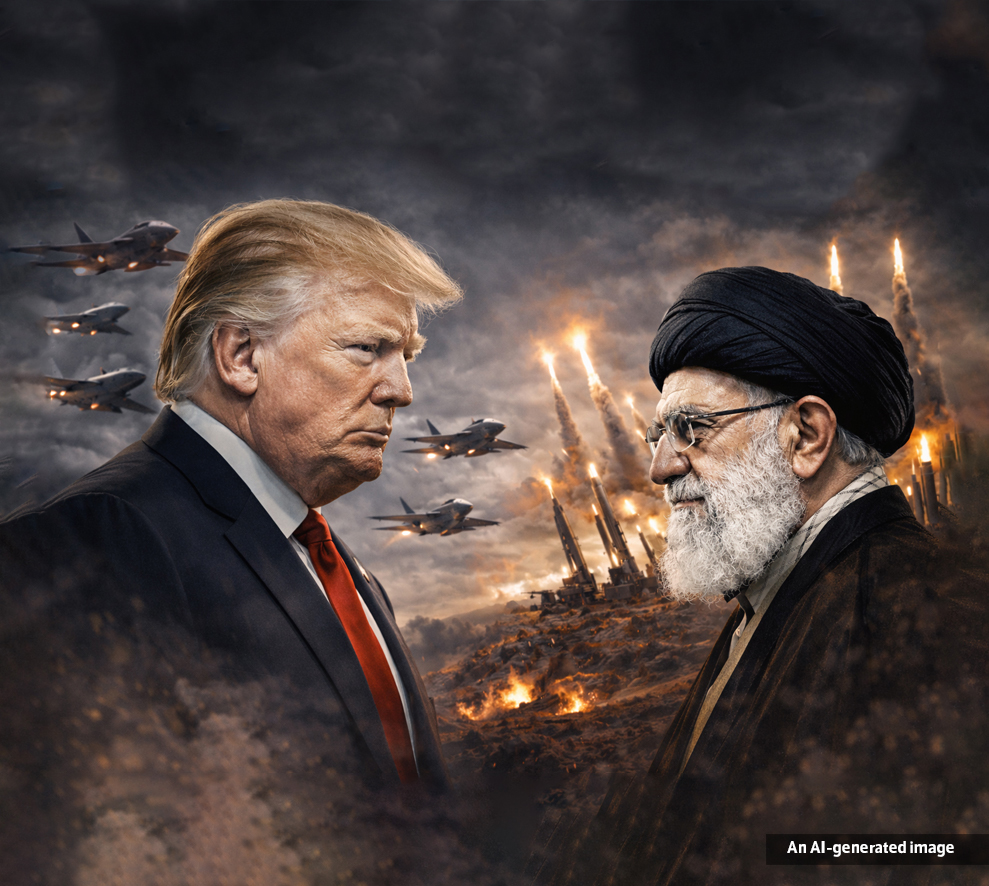
The recent talks held in Oman reflect a notable shift in Iran’s negotiating behavior, with Tehran accepting an expansion of the scope of negotiations to include non-nuclear issues that were previously considered red lines. This shift comes amid escalating U.S. military threats, a decline in Iran’s regional influence, and mounting domestic pressures on the regime. While Tehran is likely prepared to make concessions on the nuclear file and its regional engagement, its missile program remains the most complex obstacle, as it constitutes the regime’s last pillar of deterrence.
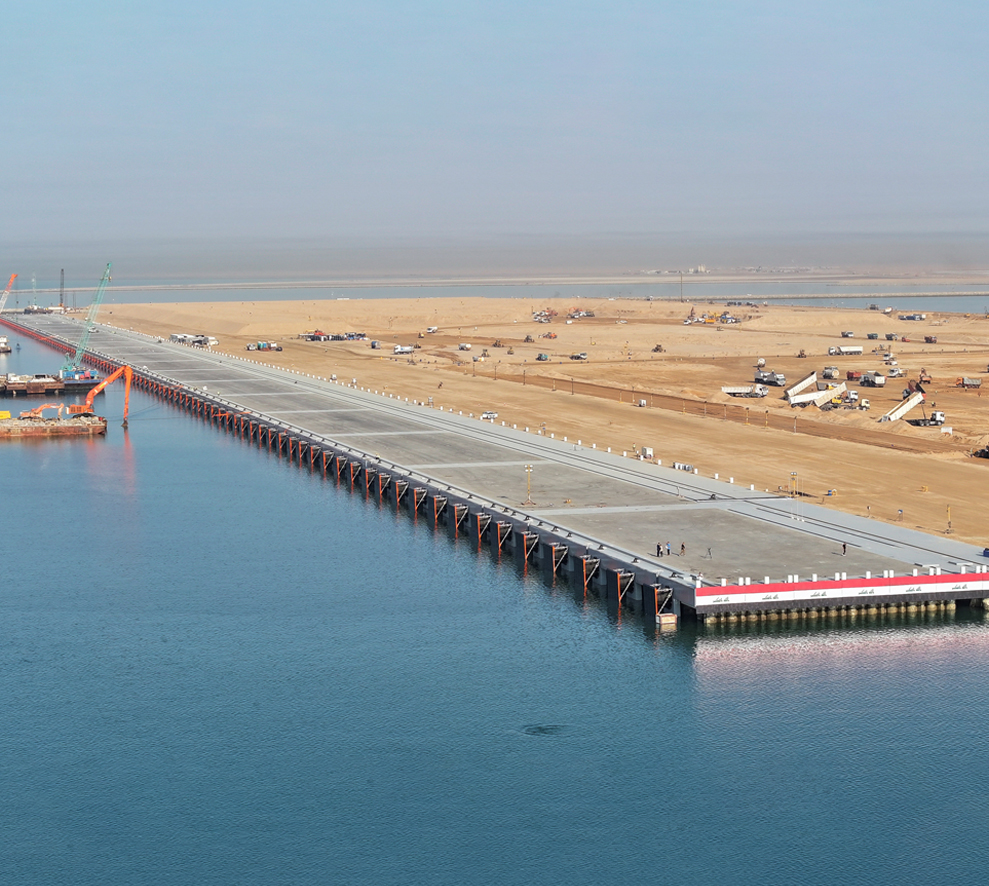
Iraq Between Geopolitical Challenges and Strategic Opportunities
Recent developments in Iraq indicate that the country stands on the threshold of a profound geopolitical and economic transformation. The recent elections are seen as a pivotal moment for reshaping regional power balances. With its vast oil and gas resources and its strategic location linking the Gulf to Turkey and Europe, Iraq is gradually becoming an arena for geo-economic competition among Iran, Turkey, and the Gulf–U.S. axis, as well as Western powers. While global actors race to invest in ports, corridors, and energy projects, Iraq’s future remains contingent on its ability to harness this competition to build stability and sustainable development.
Advertising space title
Description of the advertising space. Upon the client’s initial approval of the design, this text will be removed.
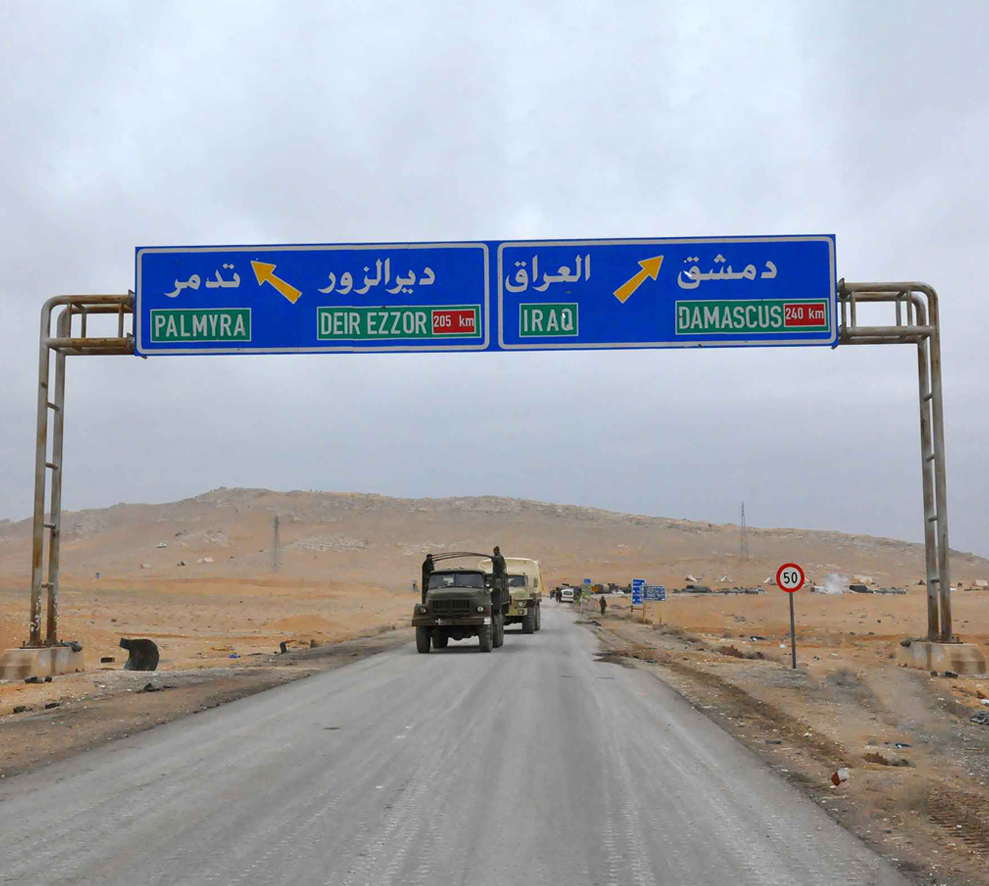
The Syrian-Iraqi Border: Reshaping the Geopolitical Space of the Middle East
The Syrian-Iraqi border is entering a new phase marked by strategic competition and sharp ideological divergence. Its significance now extends far beyond a simple bilateral boundary, turning it into a geopolitical flashpoint that may shape the region’s future landscape. Despite a period of relative calm, the stability along the border remains fragile and temporary, while the likelihood of tension or escalation—driven by domestic developments in both countries or by broader regional and international shifts—remains conspicuously high.
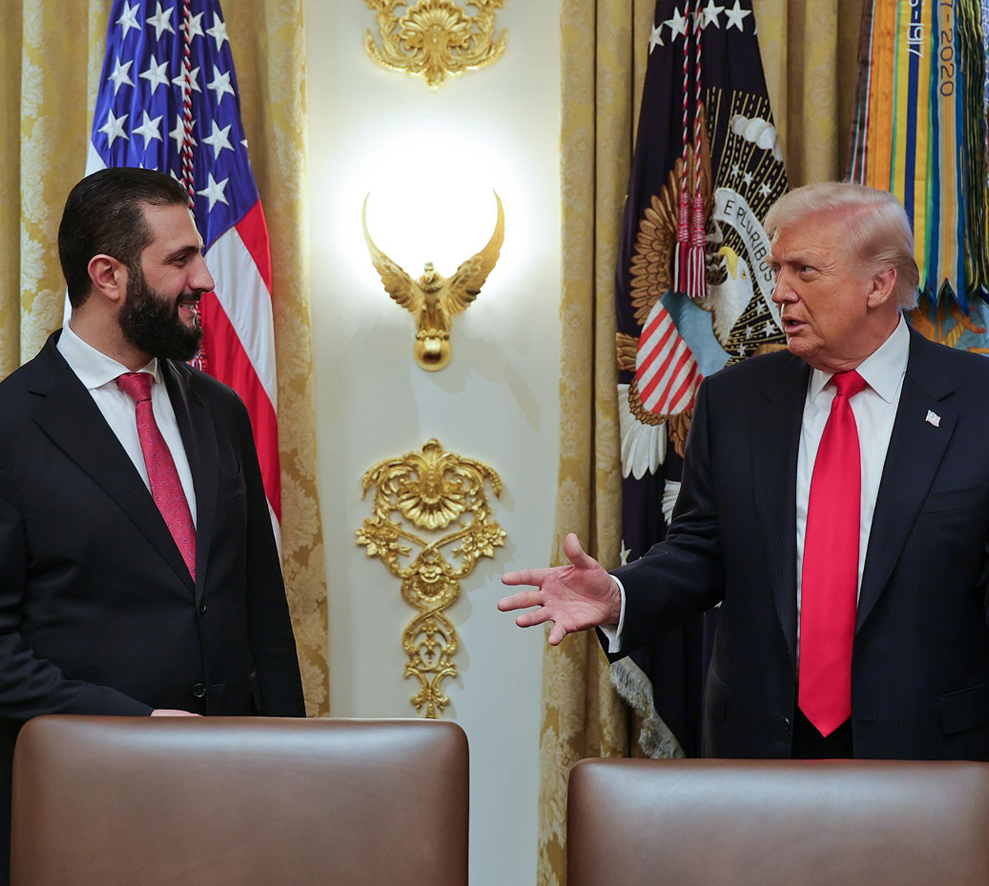
Real clear world: A former terrorist inside the white house
This article examines the unprecedented decision to welcome a former jihadist—long designated as a terrorist by the United States—into the White House. It traces his trajectory from al-Qaeda operative to interim president of Syria, raising urgent questions about a dramatic shift in U.S. foreign policy. The piece challenges readers to consider the consequences of legitimizing a figure whose past is inseparable from decades of extremist violence.
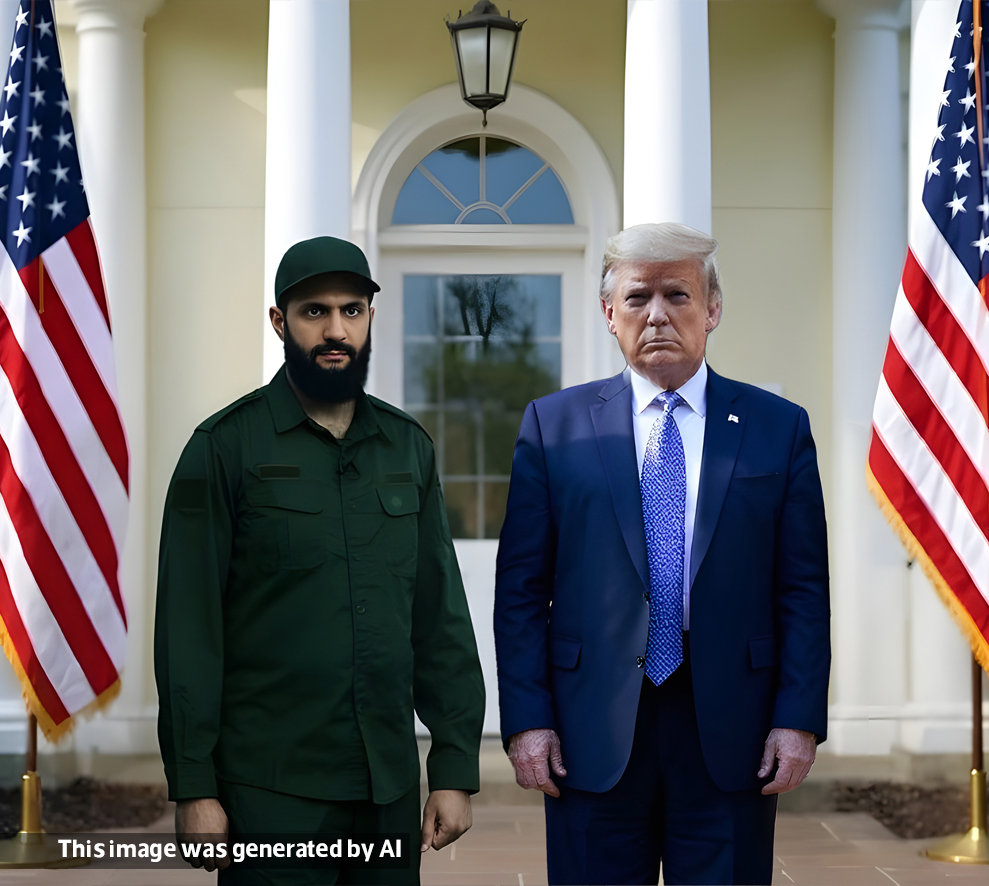
NYT: The President and A Former Terrorist Meet at the White House
This article, published in The New York Times on November 9, 2025, in which the GM of STRATEGIECS Institute examines Ahmed al-Sharaa (known as al-Julani)’s visit to the White House, highlighting the grave implications of this event for regional and strategic security, as well as for the United States itself. It underscores how al-Julani’s background—rooted in global terrorism—and the legitimization of an extremist model of governance achieved through military takeover and disguised as pragmatism represent new instruments for transnational terrorist organizations seeking to undermine the very concept of the nation-state.
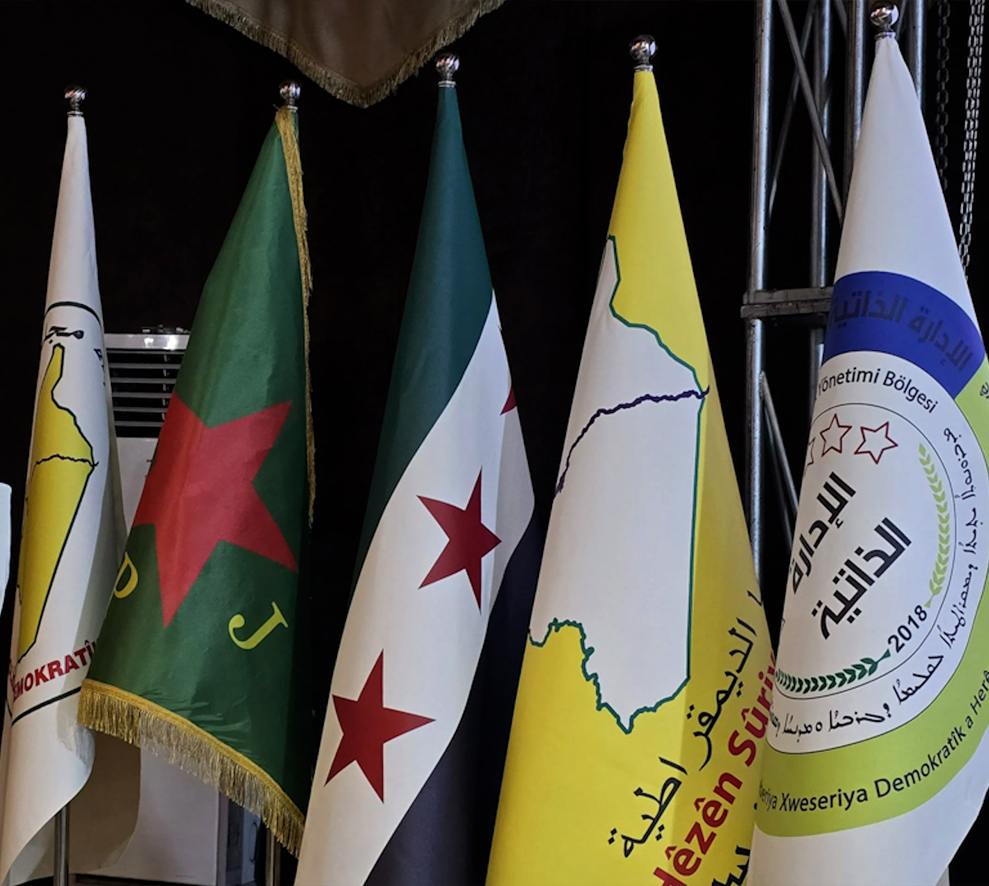
The Syrian Unity Predicament: Files of Sovereignty, Security, and the Kurdish Issue
The transfer of power in Syria in 2024 did not achieve the desired reconciliation, as the conflict between the interim government and the Syrian Democratic Forces undermined the March 10 agreement and deepened the division over the form of the state between centralization and decentralization. The ambiguity in the agreement and the regional and international interventions, especially from Türkiye, the United States, France, Russia, and Israel, have also contributed to complicating the scene and preventing a stable settlement, which makes the future of Syria linked to the government’s ability to establish a comprehensive and binding social contract that ensures the participation of all components.
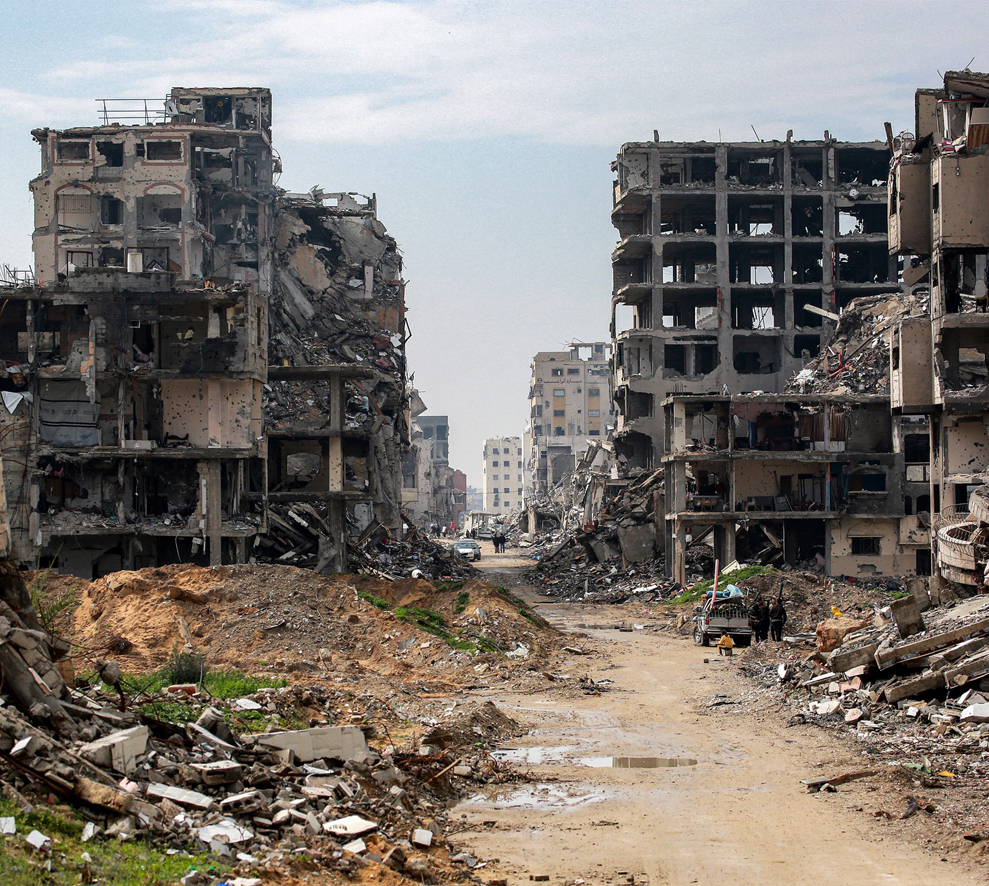
Trump’s Plan: Second Phase Scenarios
With the launch of the second phase negotiations of U.S. President Donald Trump’s plan to achieve a ceasefire in the Gaza Strip, the two-year war is entering a new stage that may bring about unexpected developments. While attention is focused on the major issues on the negotiating table, it seems that the fine details within the more complex files may prove decisive in shaping a new reality on the ground—and perhaps a political and security reality that does not align either with current expectations or the declared terms of the plan.