Analyses
Politics
test
Politics
test analyses
Regional Trends
After the Assassination of Khamenei: Scenarios for the Third Supreme Leader
International and Global Trends
Israeli-U.S. Military Operation Scenarios and Iranian Responses
International and Global Trends
Washington and Tehran: Negotiations Under the Hammer of Military Buildup
Filter by:

Foreign Fighters File in Syria: Between Entitlement and Risk
This paper addresses the complex situation of the foreign fighter file in Syria following the change of the former regime. It details their composition, explores the long-term challenges and risks arising from their integration into the new Syrian army, their leadership roles, and the implications of this both locally and internationally. It also touches on the issue of thousands of foreign fighters from ISIS who are currently detained. Lastly, the paper reviews future scenarios for these fighters, whether those integrated into the new state structures or the ISIS detainees held by the Syrian Democratic Forces (SDF).

The Security System in Syria: The legacy of the former regime versus the Idlib model
Syria is entering a major phase of security transformation following Hay’at Tahrir al-Sham’s (HTS) rise to power in late 2024. The former security apparatuses, known for their extensive control and role in suppressing the opposition, have been dismantled. Despite talk of security reforms under the new government, there are concerns about the re-emergence of a centralized security authority that prioritizes regime protection at the expense of citizens’ rights, especially in light of weak oversight and the lack of genuine integration of all military factions inside Syria into the country’s new General Security Agency.
Rebuilding the Syrian Army: Potentials, Challenges, and Risks
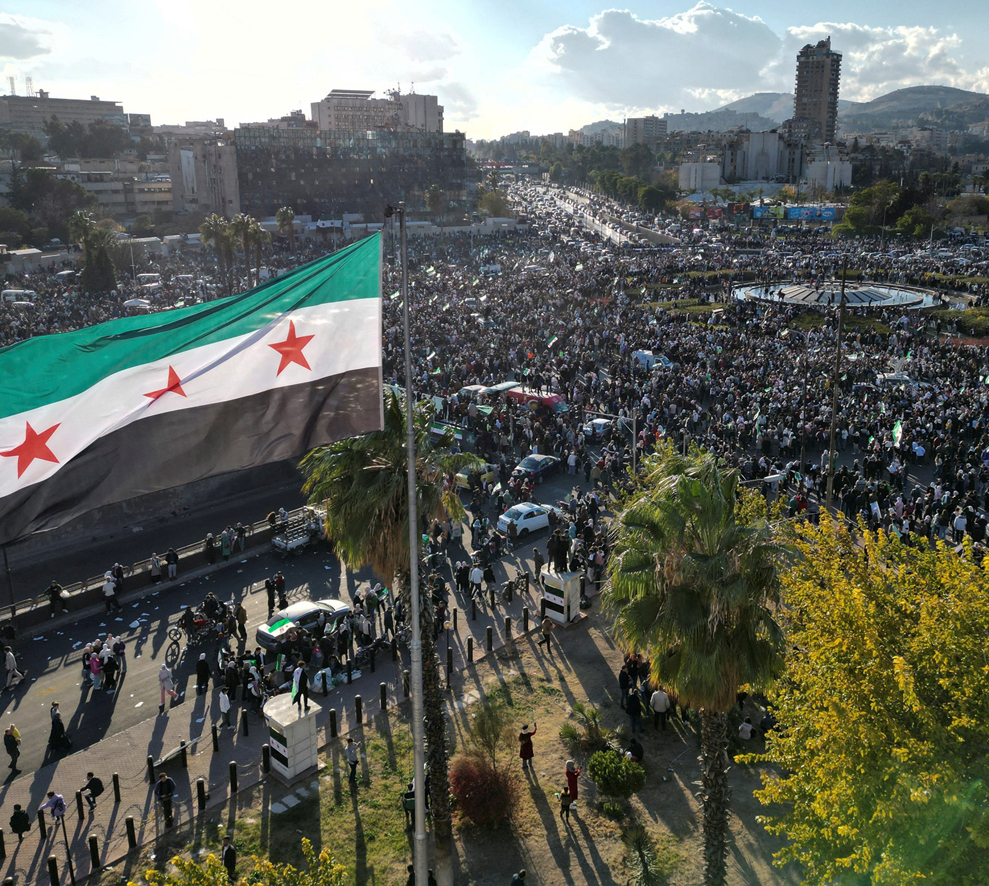
The process of rebuilding the Syrian army after the fall of the Assad regime faces structural and political challenges that hinder the formation of a unified national military institution. The current Syrian military landscape suffers from deep divisions, along with concerns about the ideological identity of the emerging army and its impact on internal cohesion and international stance. Moreover, there is limited representation of Syria’s diverse components within its structure. Therefore, the success of rebuilding the Syrian army depends on its ability to represent the diverse Syrian society and on the presence of international support conditioned by accountability and transparency.
U.S. Presence in Syria: Changing the Attribute of Participation and Presence
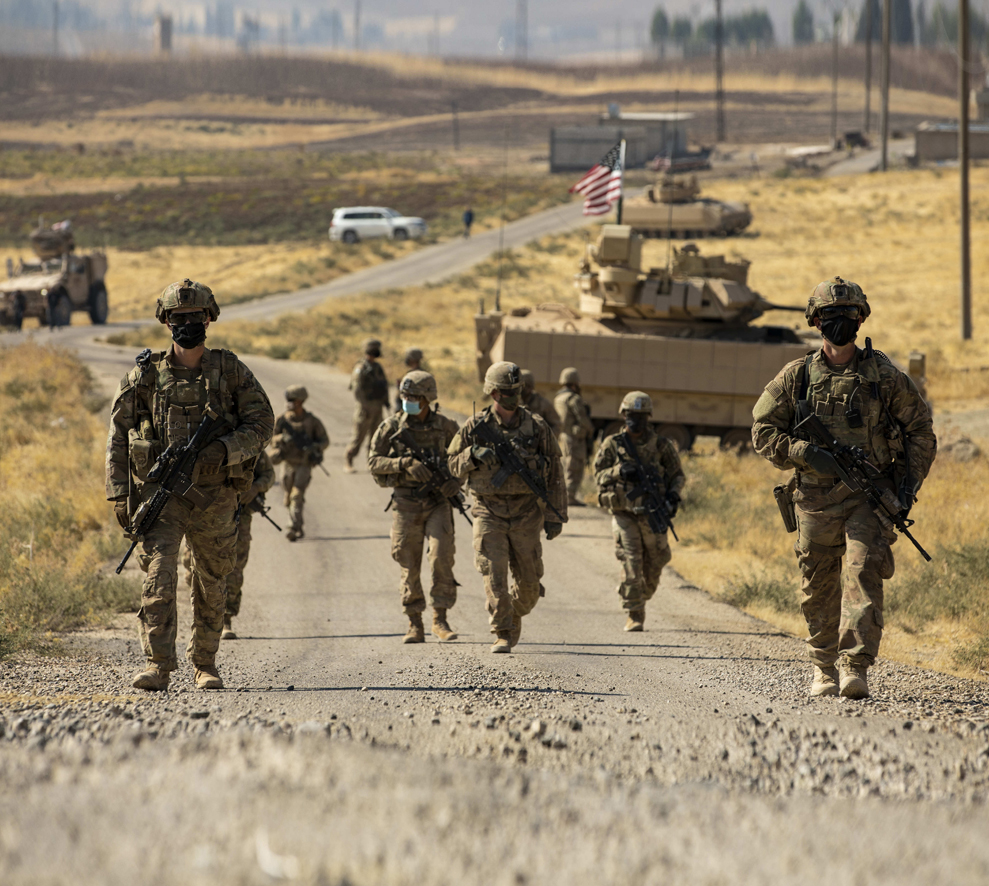
This paper examines the future of the U.S. military presence in Syria within the context of rapidly evolving local and regional shifts. It also highlights how Washington, without direct military involvement, seeks to shape a political and security environment that serves its interests through monitoring the performance of the Syrian government and curbing the influence of Iran and extremist organizations. The paper links the repositioning of U.S. forces to a change in Washington’s perception of the Syrian government, specifically, its transformation into a political partner aligned with the regional environment.
Advertising space title
Description of the advertising space. Upon the client’s initial approval of the design, this text will be removed.
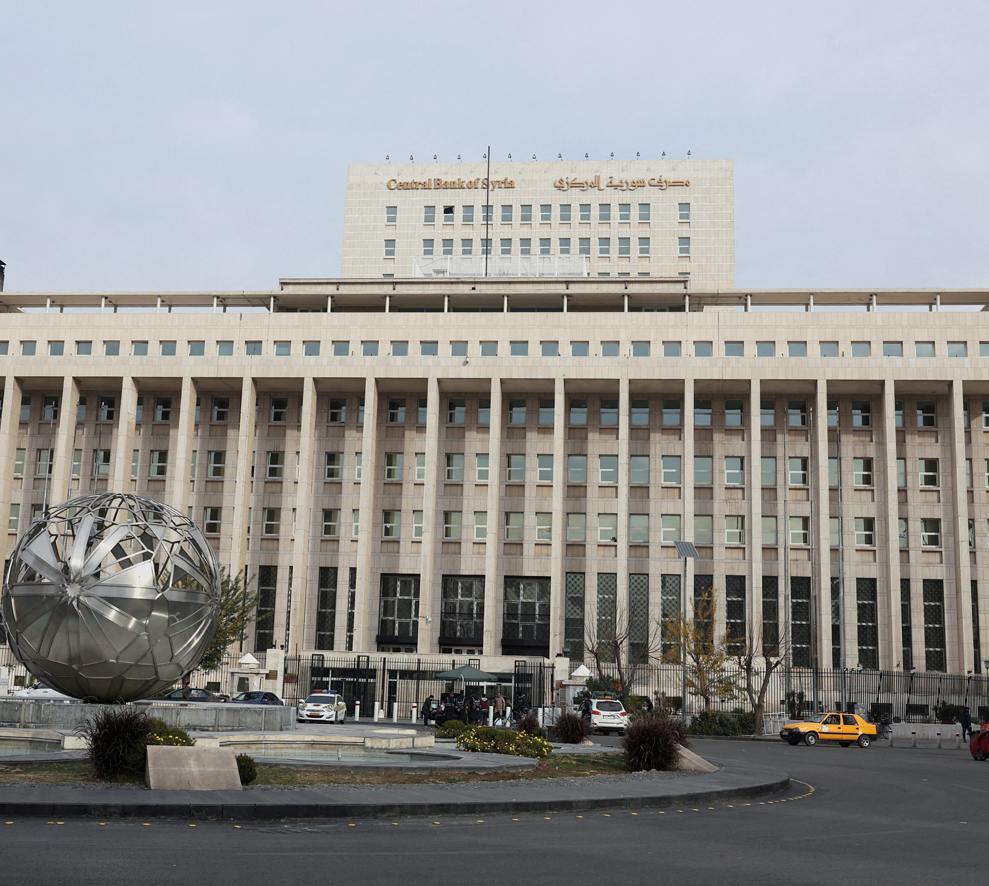
Rebuilding the Syrian Economy After a 14-Year Crisis
The economic sanctions imposed on Syria since 2011 are one of the most prominent obstacles to any economic recovery, as these sanctions led to the deepening of the humanitarian crisis and hindered reconstruction. These sanctions are imposed, mainly by the United States and the European Union, on vital sectors such as oil, gas, banking, and foreign investments.
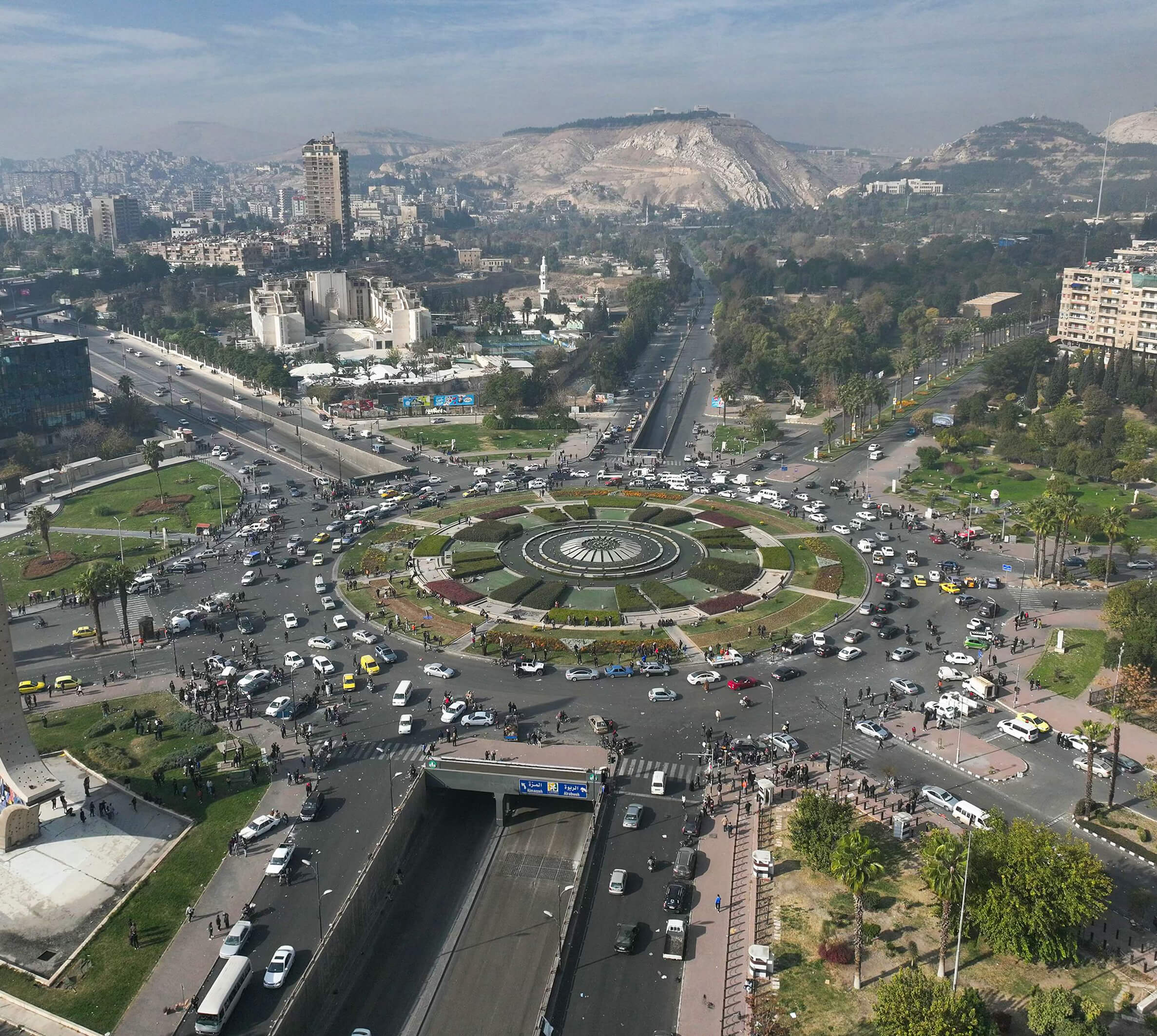
So That All Is a “Majority” in Syria
The issue of “minorities” remains a prominent concern in Arab politics. It is a central part of discussions surrounding democracy and human rights in the Arab world, as well as the construction of a unified national identity and the civil state based upon it. Moreover, the topic of minorities is not new to Arab politics or political literature, but it vanishes and reappears depending on the different historical and political contexts that have shaped our region since the advent of modern political thought and action.
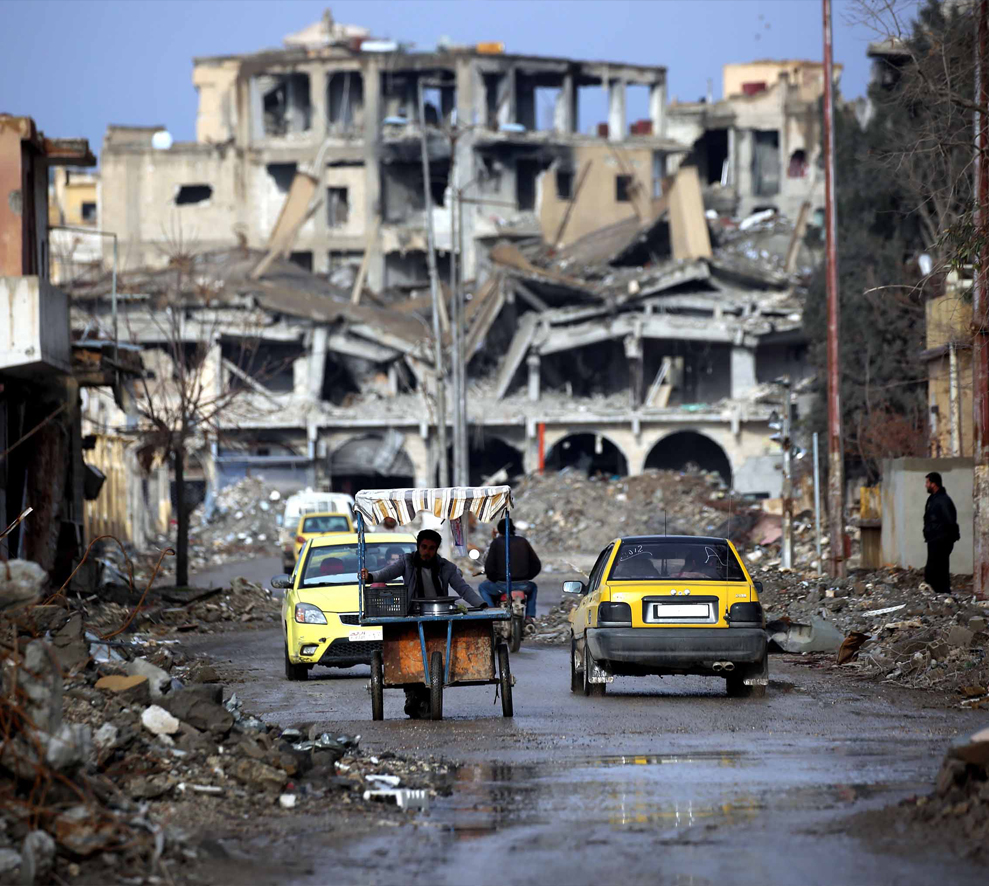
Ba’ath Regime in Syria Has Fallen. So When Do the Sanctions Fall?
The economic sanctions imposed by many countries on Syria—which are still in place—have led to restrictions on foreign trade, the freezing of Syrian assets abroad, and the prevention of necessary investments and aid for the country’s reconstruction. Therefore, lifting the sanctions on Syria remains the most crucial step in rebuilding the devastated Syrian economy, which will, in turn, serve as a foundation for establishing civil peace and coexistence, both of which will be undermined if the sanctions continue.
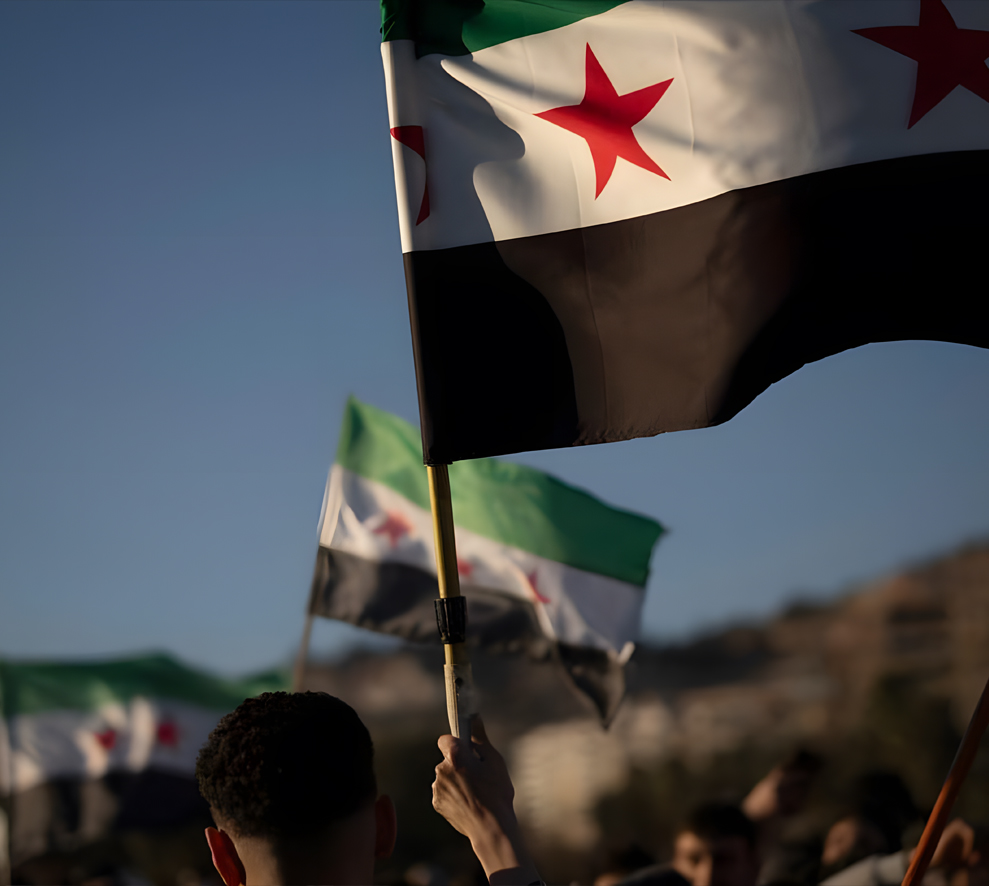
New Syria: A Moment with History is Here
Syrians realize the magnitude of the tremendous challenges they face and understand the dangers that threaten them. This is because the effects of a long period of tyranny cannot disappear overnight. Moreover, building nations cannot succeed through mere wishes and good intentions alone; it requires careful and well-thought-out planning, as well as extending a hand to everyone to ensure the unification of efforts and maximizing their outcomes.
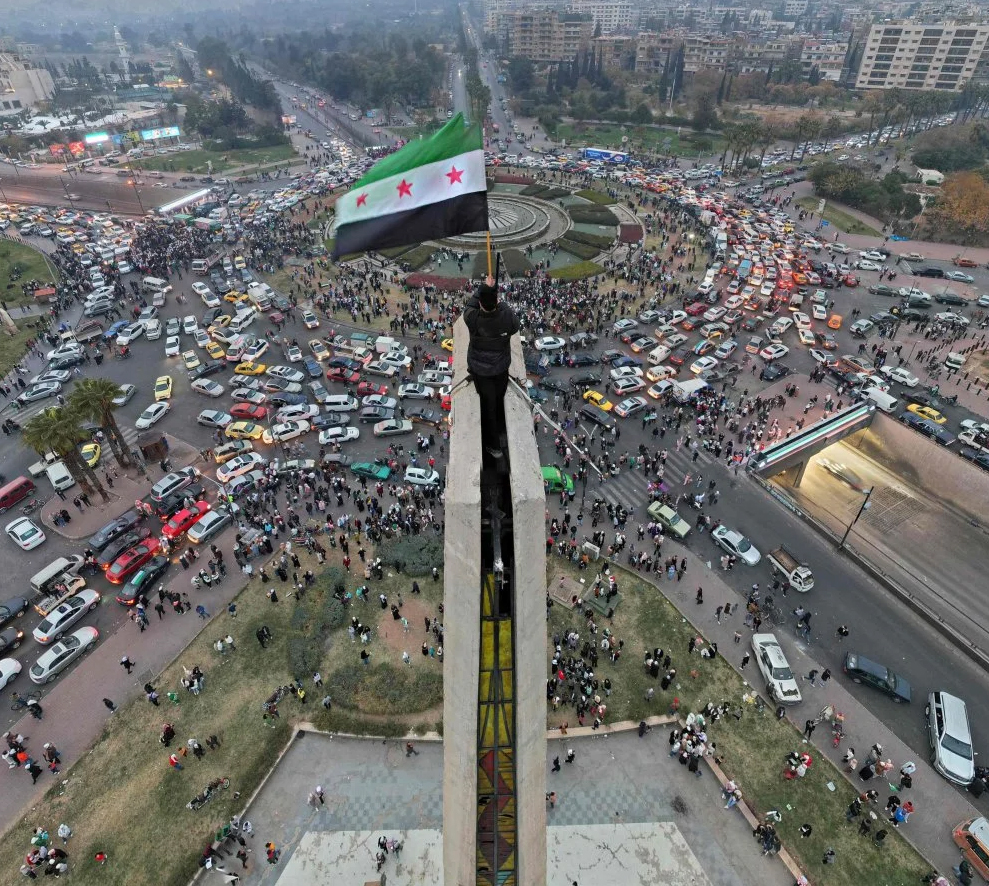
Scenarios of the State and the System of Government in Post-Assad Syria
The spotlight and numerous analyses focus on the future of Syria and its system of government after the downfall of President Bashar al-Assad’s regime. Several questions are raised about the country’s political and social future, the shape of the coming Syria, and the form of its system of government. There is also speculation on how politics could be recycled to move away from internal power struggles and external interventions. Despite regional and international consensus on the need to establish stability in Syria, the risks associated with the transitional process could lead to various repercussions, particularly concerning tactical agreements between Syria’s armed and political forces.