Analyses

Politics
test
Politics
test analyses
Regional Trends
After the Assassination of Khamenei: Scenarios for the Third Supreme Leader
International and Global Trends
Israeli-U.S. Military Operation Scenarios and Iranian Responses
International and Global Trends
Washington and Tehran: Negotiations Under the Hammer of Military Buildup
Filter by:

About Washington withdrawal from open skies treaties
This report provides an overview of the Treaty on Open Skies and discusses Washington's justifications for withdrawal. The report also explores the possible implications of the withdrawal on international arms control and whether Biden’s administration will take serious practical steps to preserve arms control treaties and enhance multilateral work.
On the Regulation of US Tech Sector
Controversy over the economic and social role played by big US tech companies escalates from time to time, particularly after debate has been brought to the corridors of the legislative and executive institutions. This article provides an analysis of the events surrounding the US tech sector regulation lawsuits.

Saudi Arabia’s G20 leadership reflects the Kingdom’s move into a new era
As this turbulent year ends, and the Kingdom leads the G20, we should all rally around Saudi Arabia with support and solidarity; Saudi Arabia’s progress through the successful realization of its reform program is the key to progress in the Middle East and beyond.
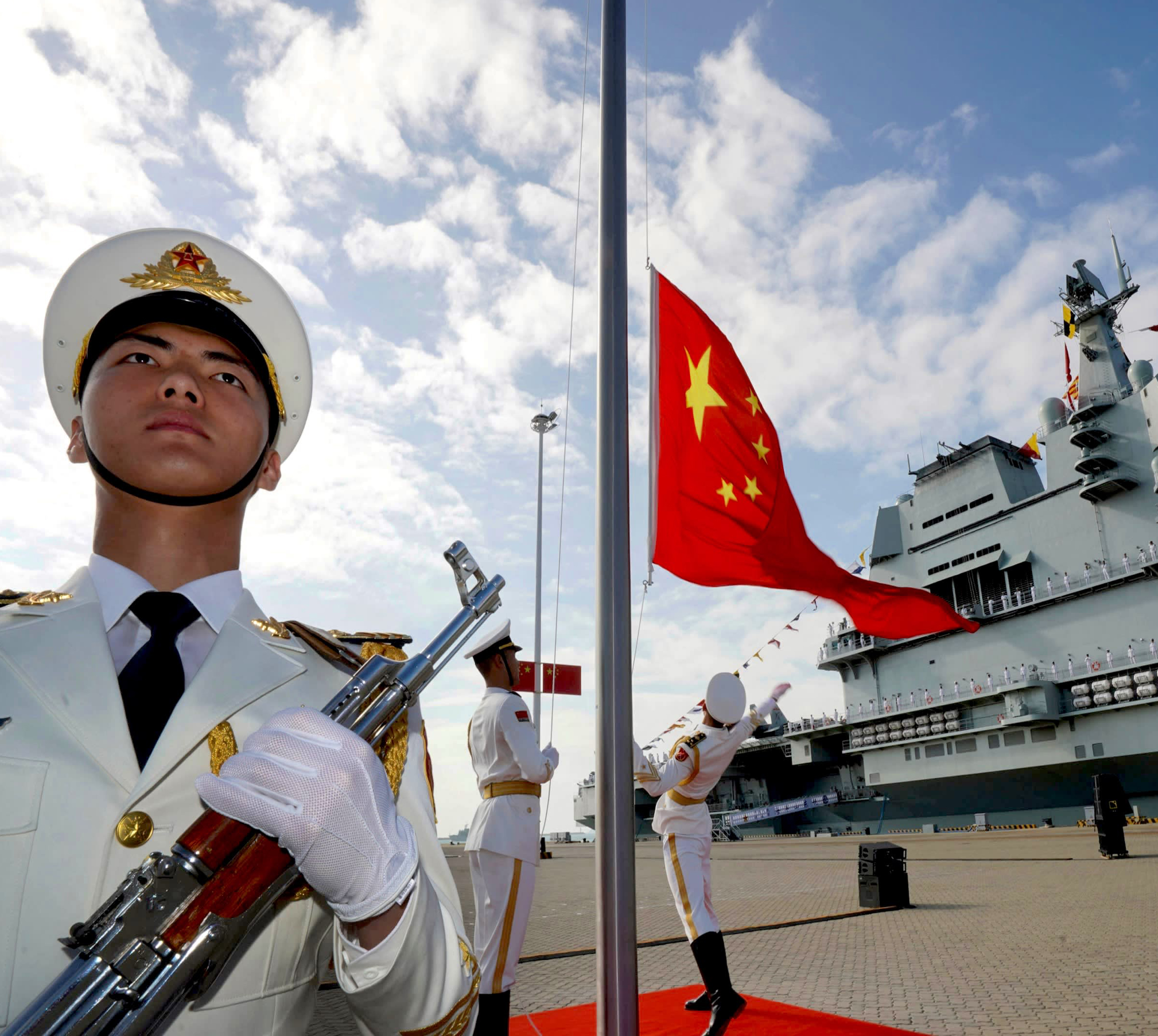
China's Geostrategy: A Broad Overview
In the midst of China's rapid rise as an influential global force in the course of international events and decisions, how does Beijing deal with vital territories that embrace a relative part of its interests? This article provides a brief comparison of China's dealing with southeast Asian and Middle Eastern regions, and shows how the circumstances surrounding China force it to order its geostrategic priorities.
Advertising space title
Description of the advertising space. Upon the client’s initial approval of the design, this text will be removed.
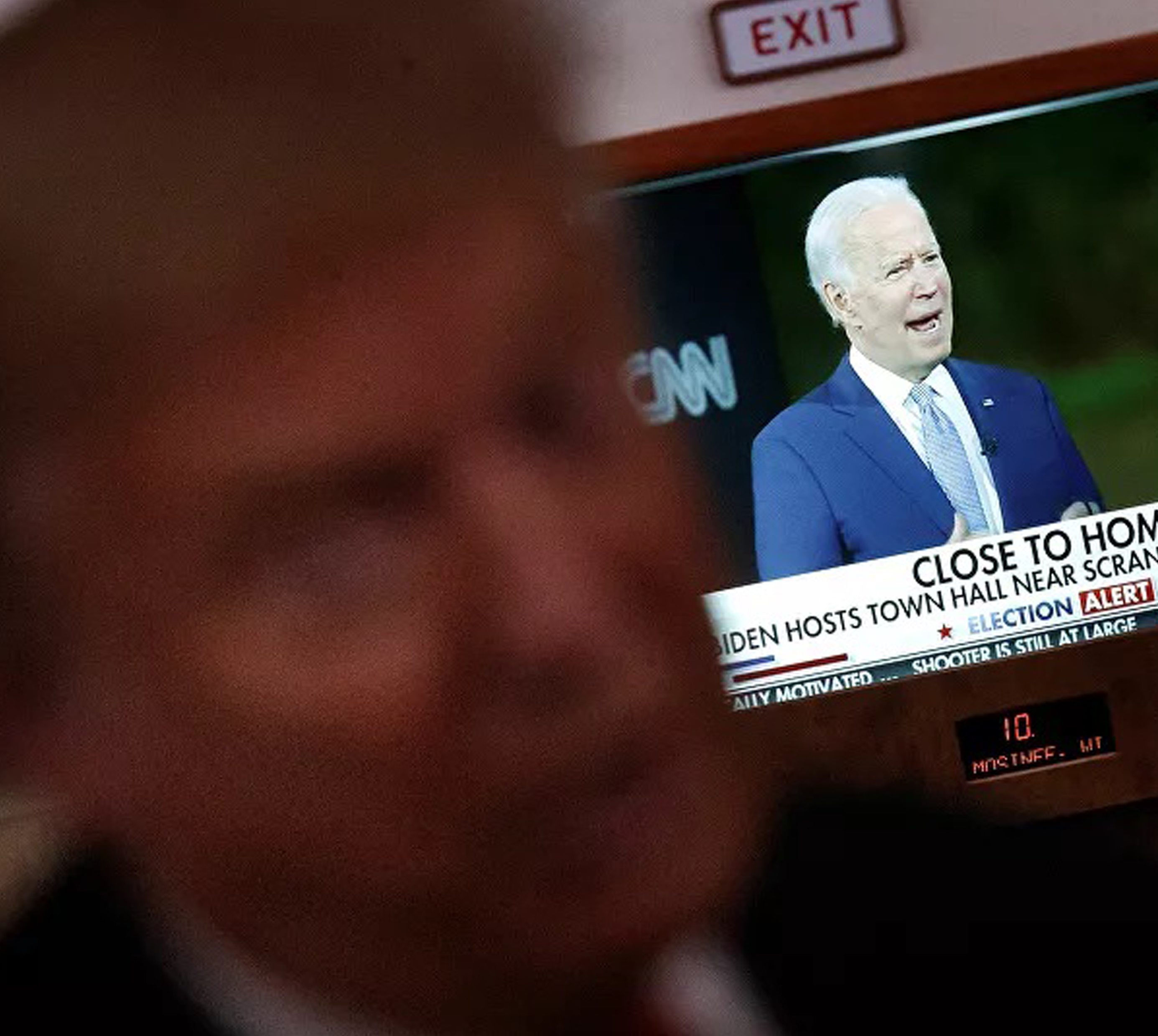
A quite exceptional American elections
Five days after global anticipation of the US election results, Joe Biden announces himself the 46th President of the United States, despite Donald Trump refusal to concede defeat. What do we make of the present political scene in the United States? Will the battle over the most powerful and highest-level executive position continue in Washington? What are the main foreign policy issues facing the next administration?
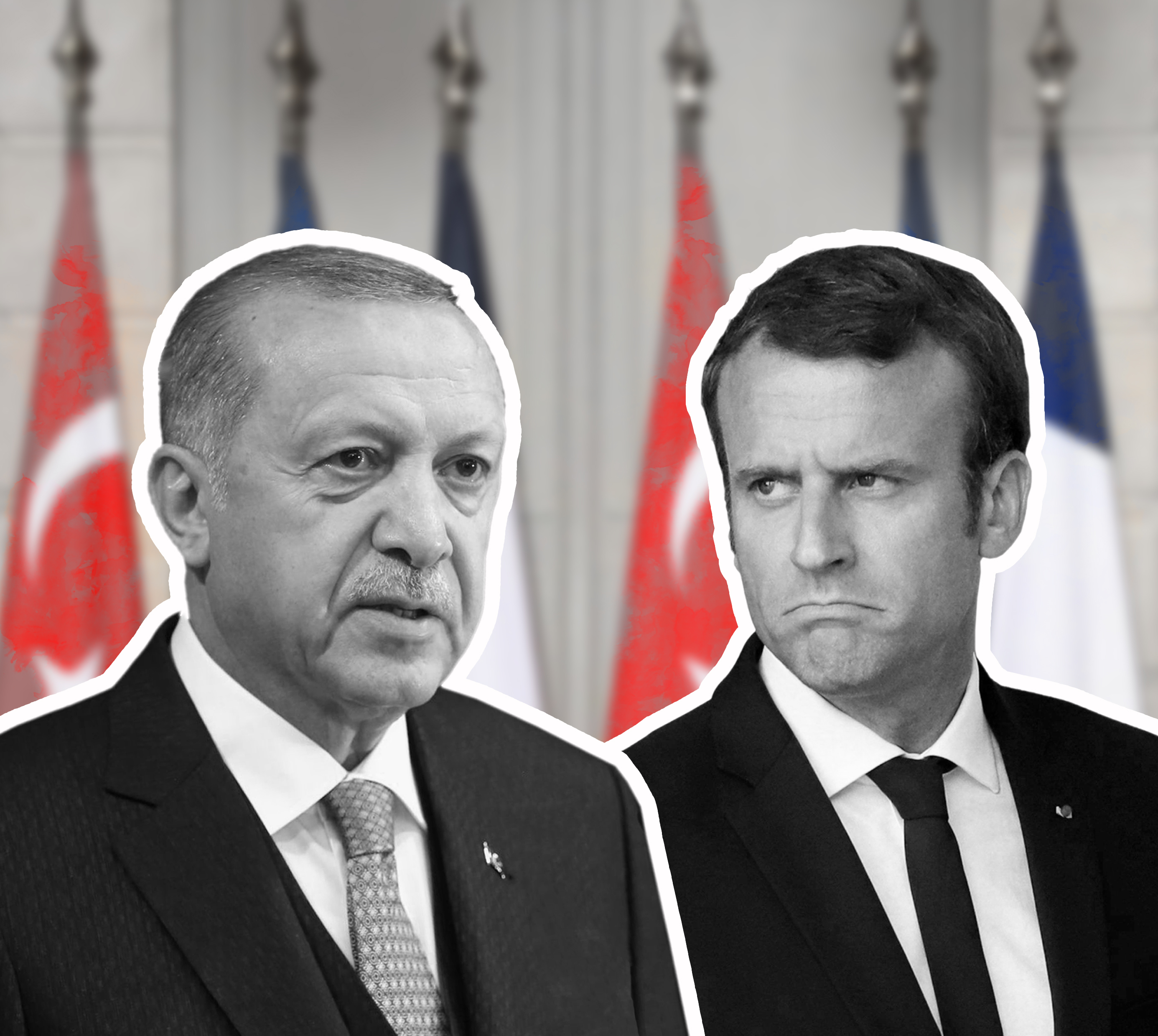
Pandora’s Box ... Radicalization and counter-radicalization in France
Radicalization and counter-radicalization in France
The Donkey & Elephant Race
Since it is not just a presidential election, but an inauguration of the “most powerful leader” in the world who will be on the throne of the largest economy and military capabilities, the latest and most accurate technology, and the most political power in the world, the US presidential election occurrence had become a global media event that people closely follow it from the primaries until after polling day, despite the rare coverage of the US foreign policy during its campaigns.
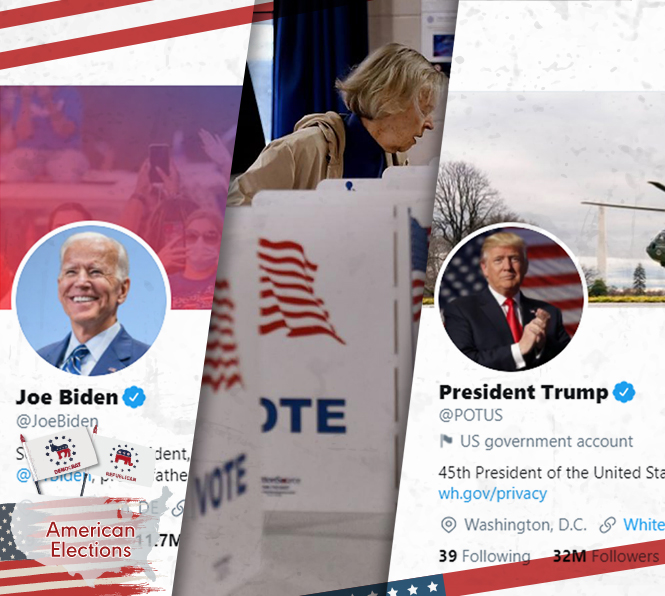
Social media: orienting voters or just interacting opinions?
“Social media have gone from being the natural infrastructure for sharing collective grievances and coordinating civic engagement to being a computational tool for social control, manipulated by canny political consultants and available to politicians in democracies and dictatorships alike.” This is how social media is described in a report – made by Oxford University’s Computational Propaganda Project and Graphika, social media analysis firm - on the employment of Russian semi-governmental entities of major social media platforms with the aim of interfering in the course of the 2016 US presidential elections. The following article highlights the role of social media in the 2020 elections and its decisive role in influencing the American electorate.
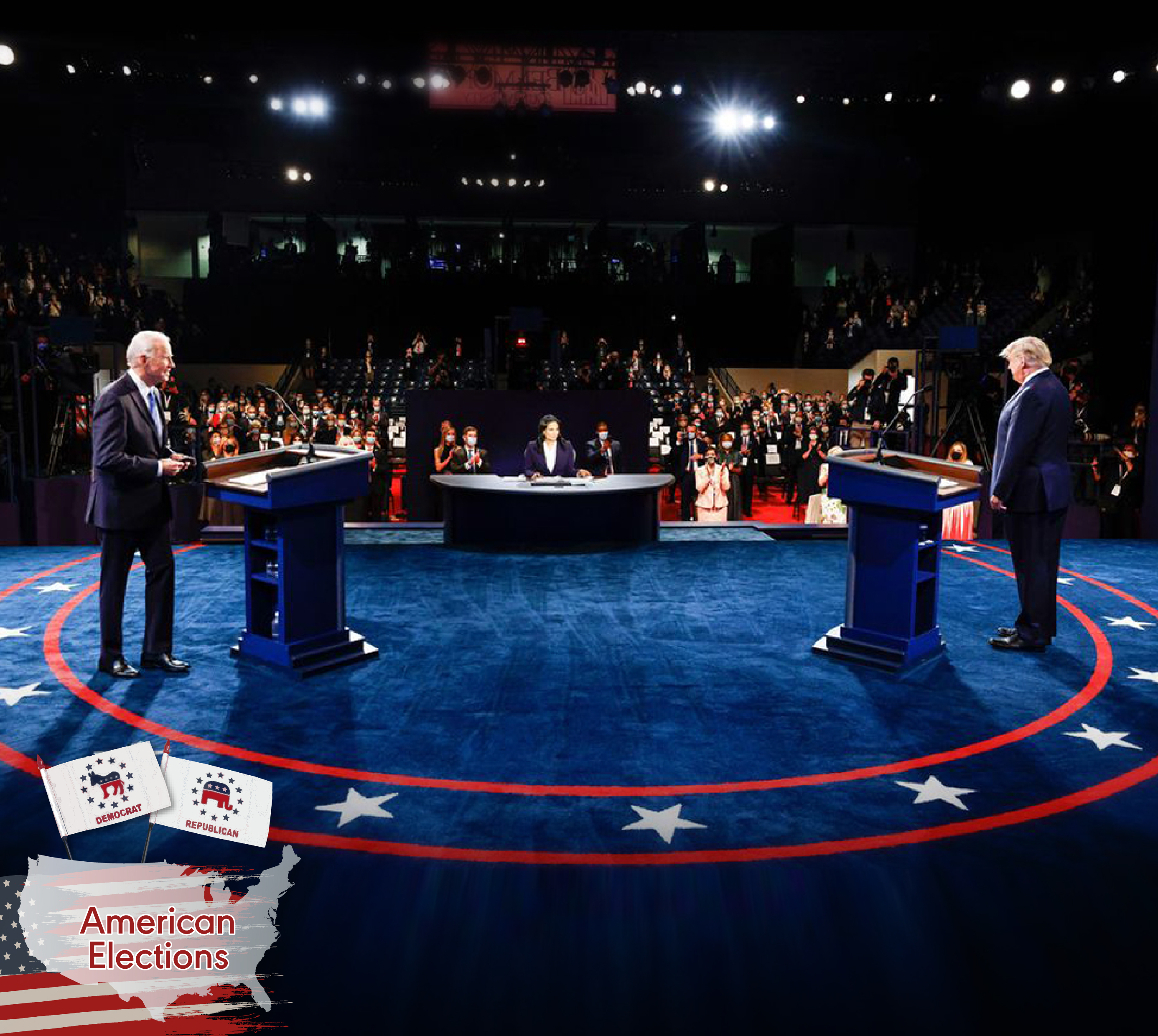
Scenarios for the next president in light of opinion polls
Opinion polls of the 2020 elections, as well as US elections in general, largely attract lots of attention, follow-up and controversy. Despite their inability to determine the final winner, they provide important insight into the preferences of American voters preceding polling day (on November 3, 2020). Having regard to that, this article examines four potential scenarios for the candidates Joe Biden and Donald Trump winning the election, based on an analytical perspective of various polls.