Analyses
Filter by:
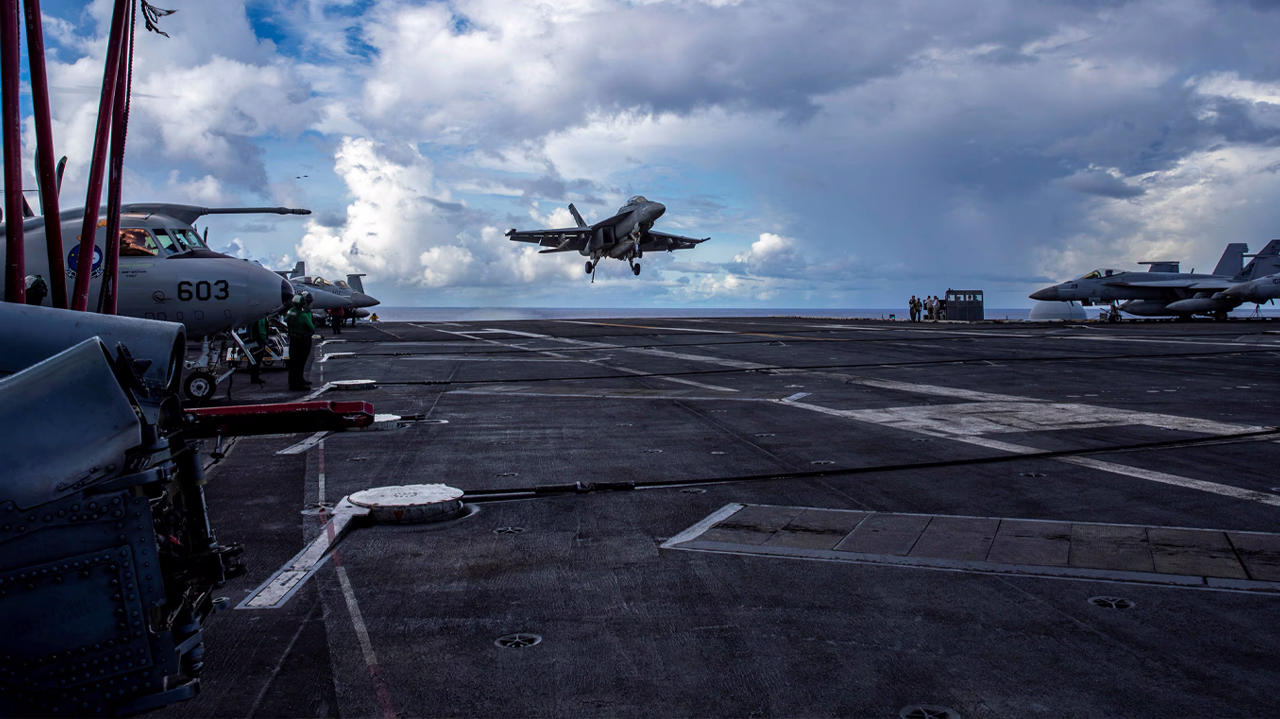
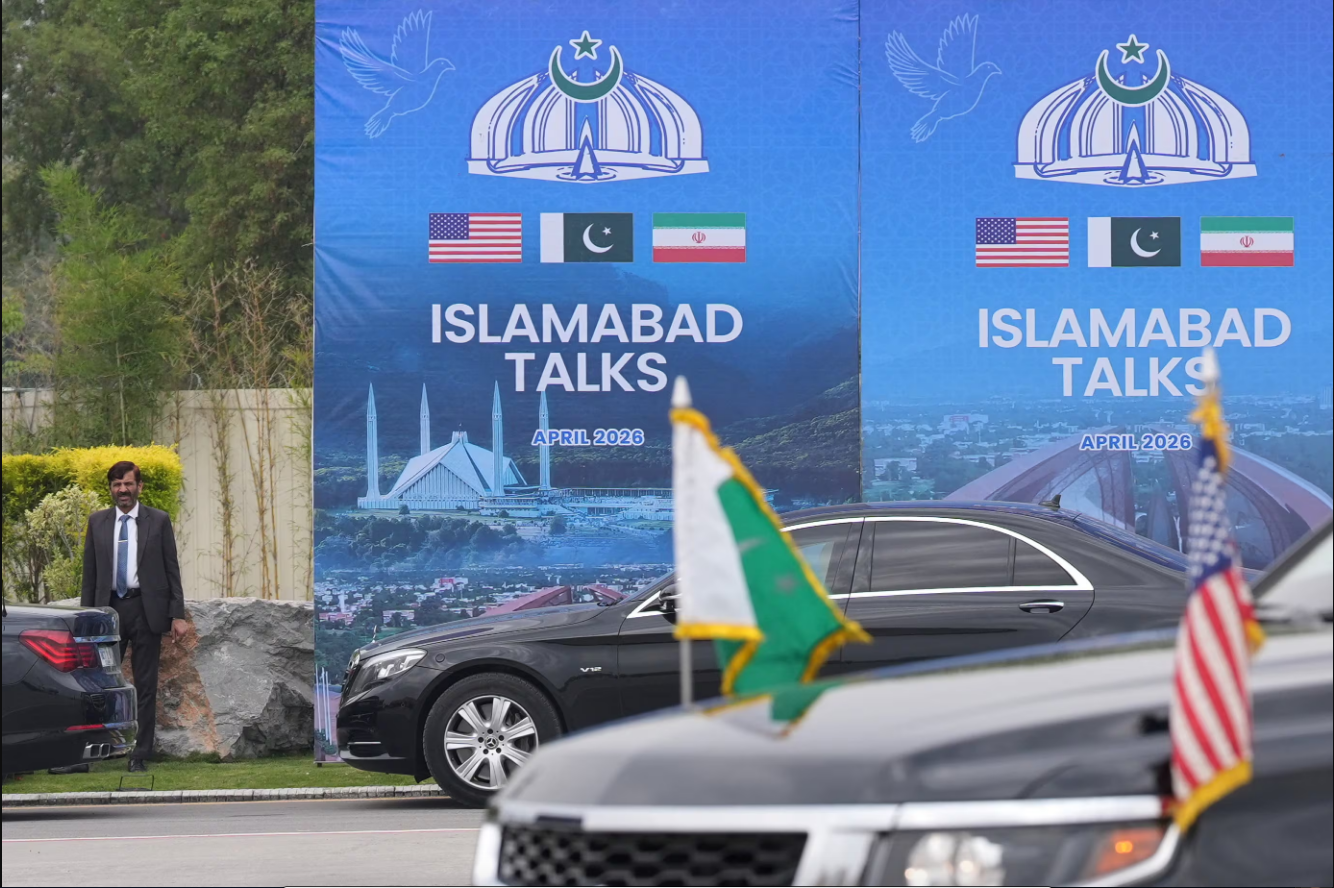
Israeli-U.S. Military Operation Scenarios and Iranian Responses
The Israeli- U.S. joint military operation against Iranian targets is still in its early stages, but it is intertwined with the war development in the Gaza Strip, particularly following the direct exchange of attacks in April 2024 and the escalation in October. The military operations were further expanded on June 13, 2025, with Israel launching a military operation against the Iranian capabilities, which was then followed by the U.S. “Operation Midnight Hammer” on June 22, 2025, targeting three nuclear facilities: Fordow, Natanz, and Isfahan.
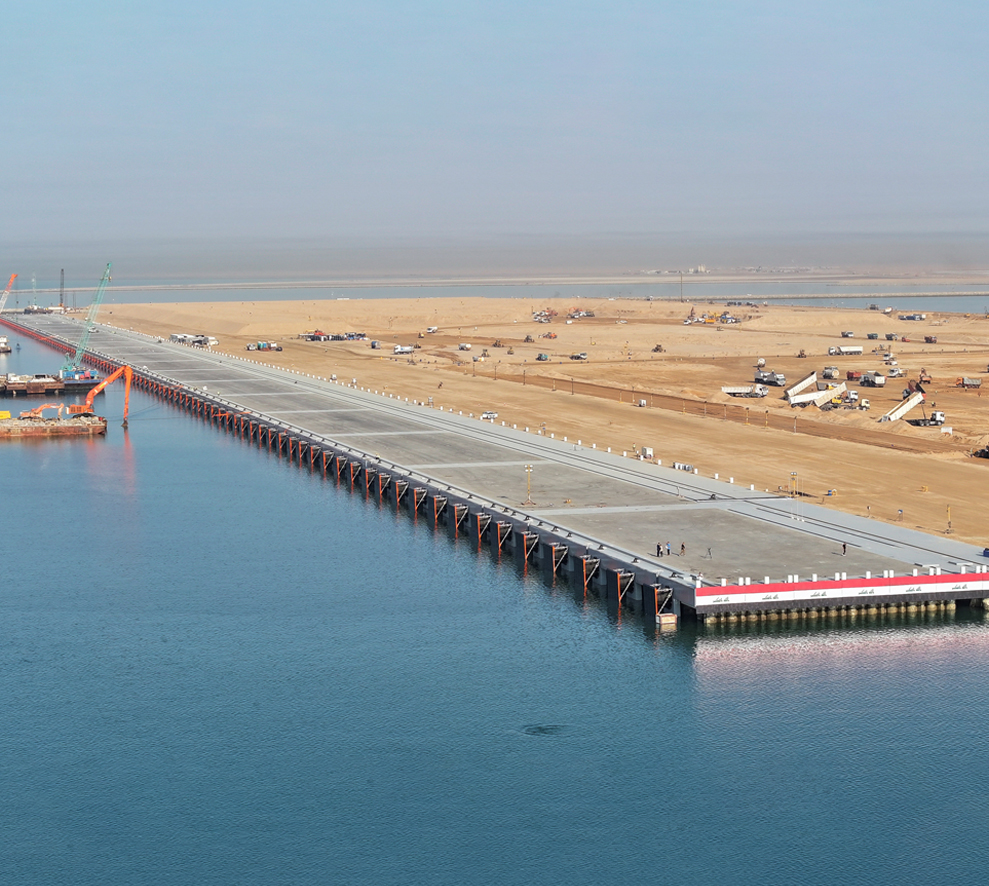
Iraq Between Geopolitical Challenges and Strategic Opportunities
Recent developments in Iraq indicate that the country stands on the threshold of a profound geopolitical and economic transformation. The recent elections are seen as a pivotal moment for reshaping regional power balances. With its vast oil and gas resources and its strategic location linking the Gulf to Turkey and Europe, Iraq is gradually becoming an arena for geo-economic competition among Iran, Turkey, and the Gulf–U.S. axis, as well as Western powers. While global actors race to invest in ports, corridors, and energy projects, Iraq’s future remains contingent on its ability to harness this competition to build stability and sustainable development.
Will the Shifting Orientations of Iraqi Voters Decide the Upcoming Elections?
As the parliamentary elections draw near, electoral campaigns must be built upon the tangible progress already achieved and address the aspirations of an Iraqi society that has indeed changed—a society no longer willing to tolerate policies of denial or procrastination.
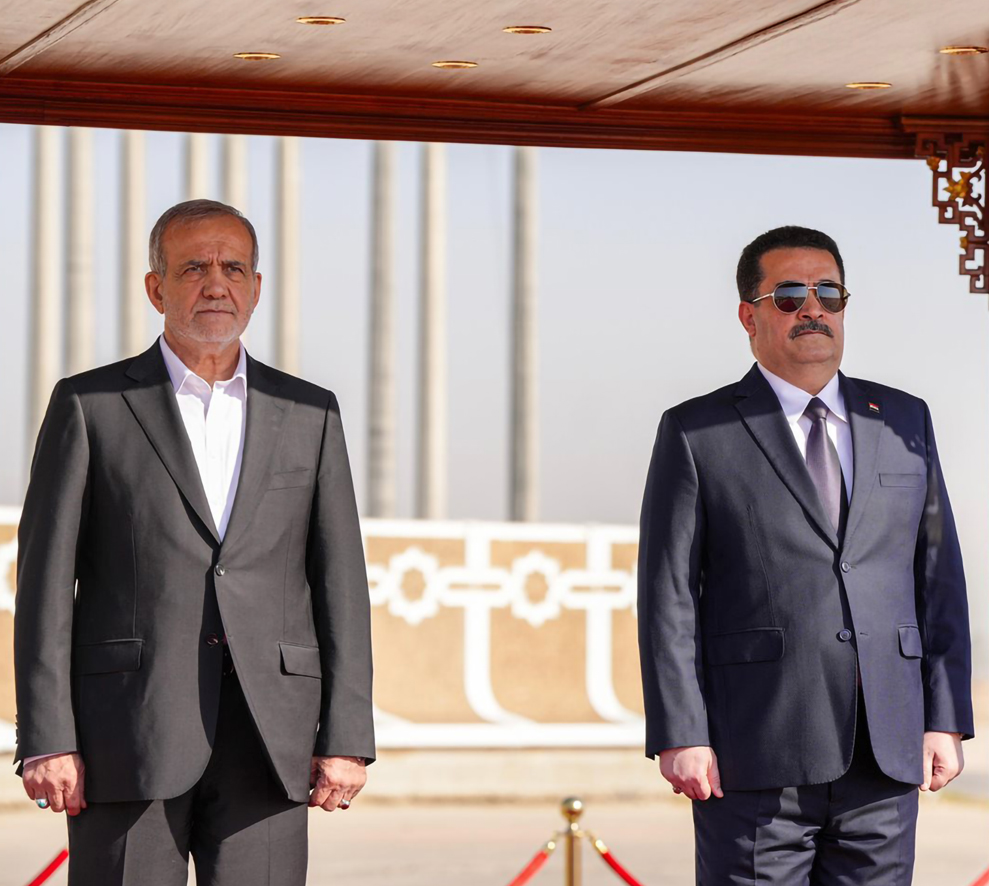
Pezeshkian in Iraq: Political Maneuver or Strategic Visit?
The visit of Iranian President Massoud Pezeshkian to Iraq raises several questions about the future of Iraqi-Iranian relations. Will Iraq be facing fundamental and decisive changes? An analysis of the factors and variables, however, suggests that changes in Iraq will not affect its political or security relations with Iran. The relationship between the two countries is deeply intertwined and transcends political changes and internal or external conditions.
Advertising space title
Description of the advertising space. Upon the client’s initial approval of the design, this text will be removed.

Challenges facing investors in entering the Iraqi market
An interview with the businessman and Chairman of the Board of Trustees of the STRATEGIECS Institute for Strategic Studies and Research, Hassan Ismaik, with the Iraqi journalist, Ghaiyath Daham, in the “Business Game” podcast.
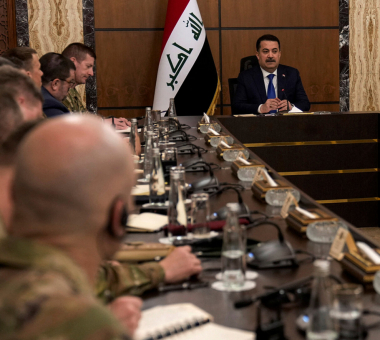
U.S. Withdrawal from Iraq: A Containment of Escalation or an Open Invitation for an Escalation of Terrorism?
This policy analysis discusses the possibilities that may ensue from the U.S. withdrawal from Iraq and the position of the Iraqi government regarding this withdrawal. It also touches on the nature of future relations between Washington and Baghdad against the backdrop of attacks between armed factions in Iraq and U.S. forces.
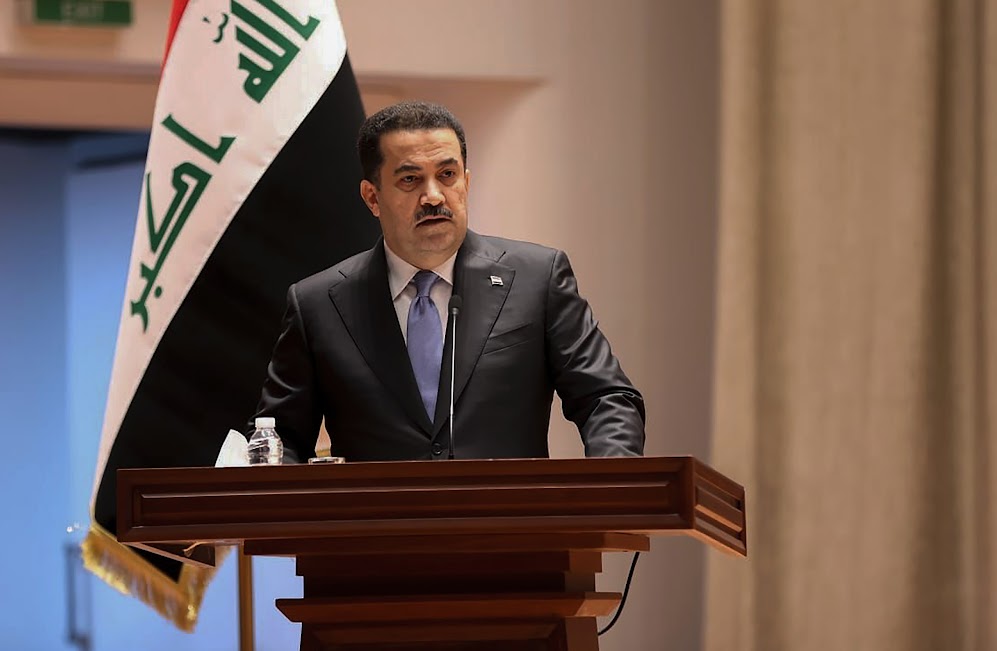
The Emergence—and the Required Juggling Act—of a Potential Statesman
How the Iraqi Prime Minister Mohammed Shia Al-Sudani is navigating between the West and Iran?
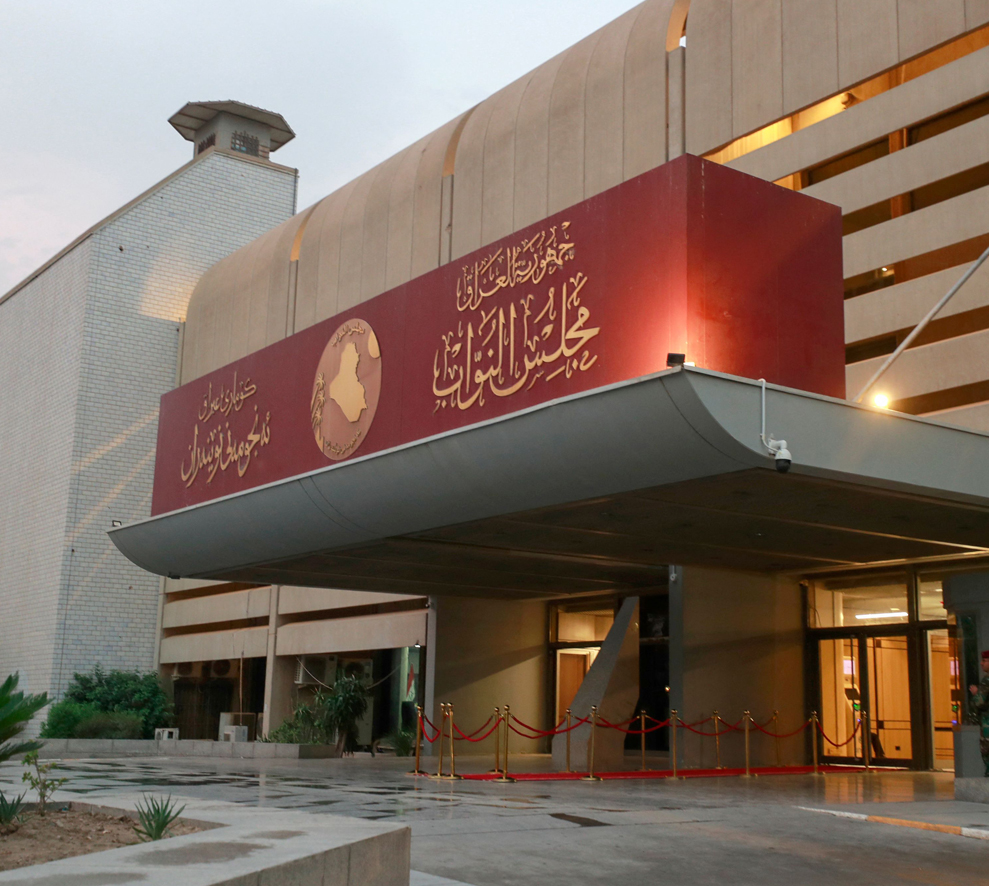
Chances of Consensus on Sainte-Laguë Electoral System in Iraq
Position Assessment |This Position Assessment examines the controversy surrounding the proposal to adopt the Sainte-Laguë mechanism for the Iraqi Electoral Law. The mechanism was previously used in the 2014 and 2018 elections, but was later stopped by the law implemented in 2020. The assessment assumes that the current political climate in Iraq presents an opportunity for the State Administration Coalition to introduce a new electoral law.
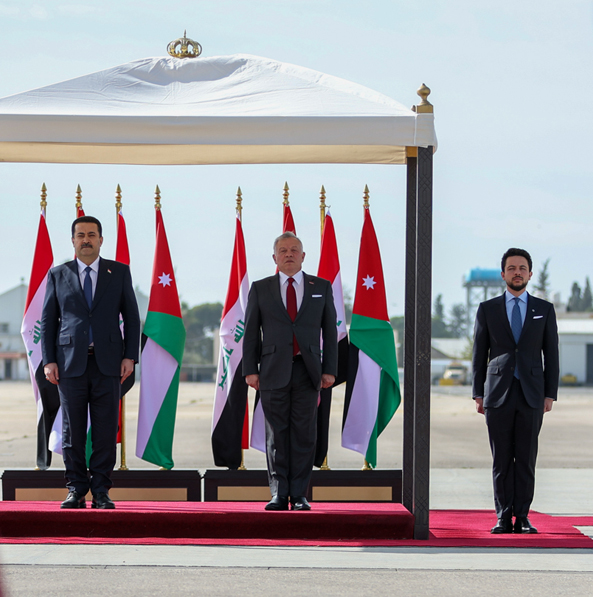
Timing and indications of al-Sudani's visit to Jordan
Position Assessment | This paper discusses the visit of Iraqi Prime Minister Mohammed Shia'a al-Sudani to Jordan, his meeting with His Majesty King Abdullah II, the implications of choosing Jordan as its first foreign stop; and the most important files and common issues between the two countries.