Opinion Piece
International and Global Trends
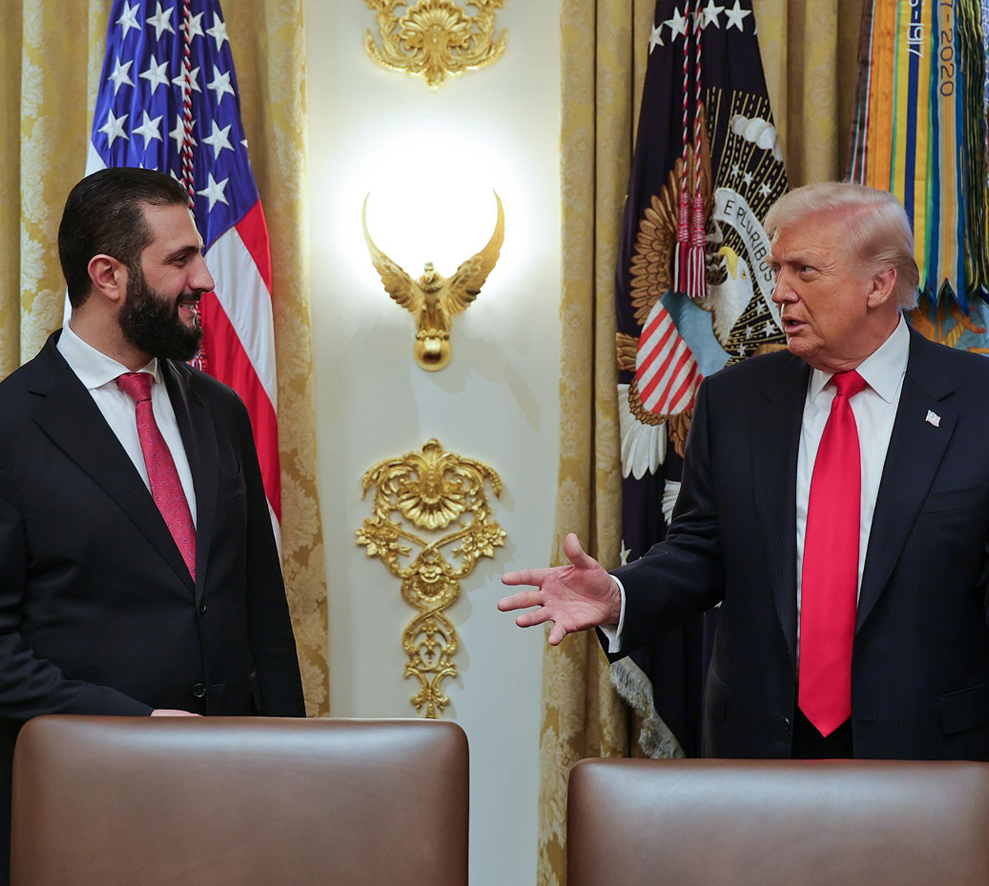
NYT: The President and A Former Terrorist Meet at the White House
Arab policy
Will the Shifting Orientations of Iraqi Voters Decide the Upcoming Elections?
Arab policy
My Third Message to Our Arab Shia Brothers: A Call to Reason and Reality
Opinion and Thought
So That All Is a “Majority” in Syria
Arab policy
A Call to Arab Countries: Support Our Shia Brothers’ Return to Their Arab Identity!
Filter by:
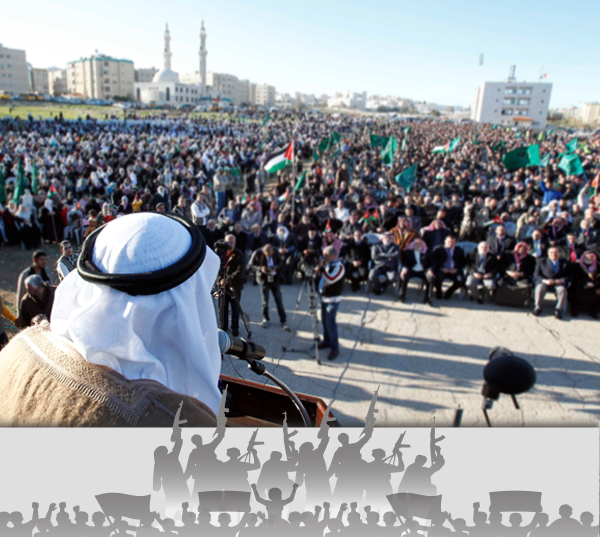
The Muslim Brotherhood in Jordan: Regional Role and Transnational Ideology
The paper aims to analyze the role of transnational ideology, in the partisan and political practices of the Muslim Brotherhood in Jordan, and its implications for the group's regional role, whether in its relations with the group's branches in Egypt, Syria, Palestine, or in some regional countries, such as Iran and Turkey.
-%D8%AE%D8%B7%D8%A7%D8%A8-%D8%A7%D9%84%D8%A7%D8%B3%D9%84%D8%A7%D9%85-%D8%A7%D9%84%D8%B3%D9%8A%D8%A7%D8%B3%D9%8A.jpg)
Political Islam Discourse: Between Employing the Crisis and the Crisis of Employment
This paper seeks to, partially, analyze the employing the crisis of the historical bitterness in the West's relationship with the Islamic world, in the discourse of political Islam groups, besides the crisis of the using symbols. In addition to analyze the problem of relating Islam, as a global religion, with Dawa'a (the call to believe in Islam) a partisan concept.
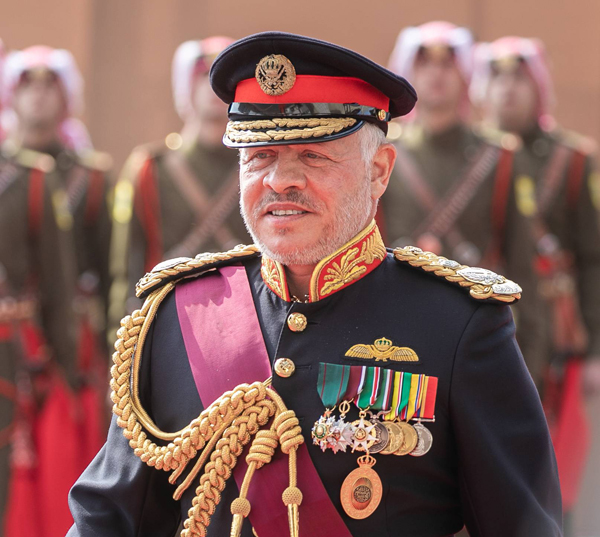
How did Jordan celebrate the King’s birthday?
On his sixtieth birthday, His Majesty King Abdullah II preferred not to limit his royal message on this occasion to accepting congratulations and blessings; it rather included a comprehensive political and social speech addressing Jordanians and calling for change. What is the change meant by this royal message? And how can this goal be achieved?
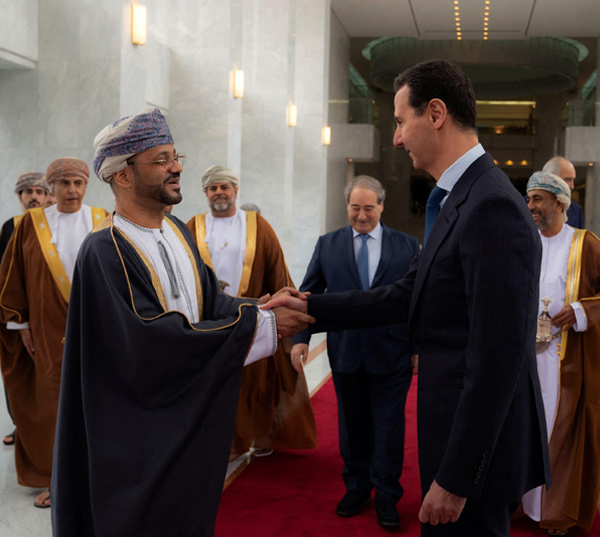
Why Oman didn’t join the Abraham Accords - opinion
Oman’s reluctance to sign the Abraham Accords or a similar agreement stems from its commitment to the “Omani approach” of neutrality and noninterference in dealing with the regional conflicts.
Advertising space title
Description of the advertising space. Upon the client’s initial approval of the design, this text will be removed.
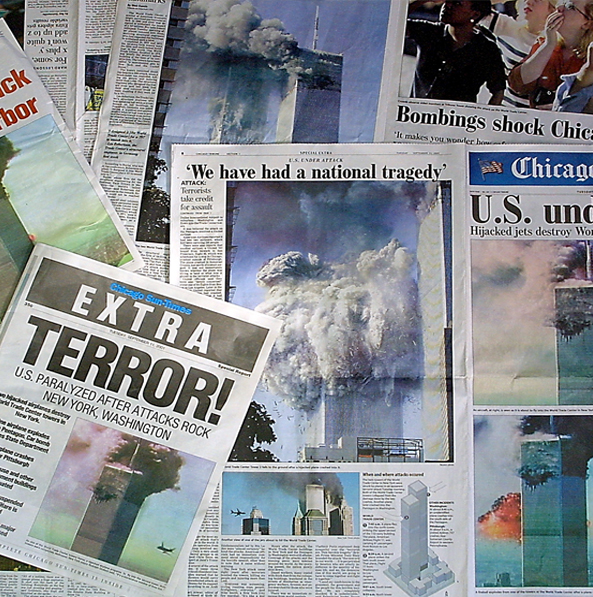
ISLAMOPHOBIA, AND MUSLIMS TURNING INTO THEIR OWN WORST ENEMY!
In the aftermath of 9/11 and subsequent media campaigns linking terrorism to Islam, the gap between Western culture and Islamic culture widened, leading to the phenomenon of Islamophobia, which has deepened to such an extent that it is no longer possible to ignore the necessity of integrating Islam and Western values, cooperating among major religious authorities, and establishing civilized dialogue between faiths and cultures, in order to normalize human relations between East and West.

Peaceful coexistence ensures mutual survival and prosperity - opinion
Away from today’s geopolitical framework, Arabs and Jews get along very well.
.jpg-%D8%AD%D8%B1%D8%A8-%D8%A7%D9%94%D9%83%D8%AA%D9%88%D8%A8%D8%B1.jpg)
SYMBOLS IN THE ARAB MIND
This paper examines the significance of employing symbols in various aspects of life, particularly in political ones, and how these symbols are linked to individuals and groups, affecting their behavior, perceptions and impressions, so that they ultimately become an integral part of political culture.
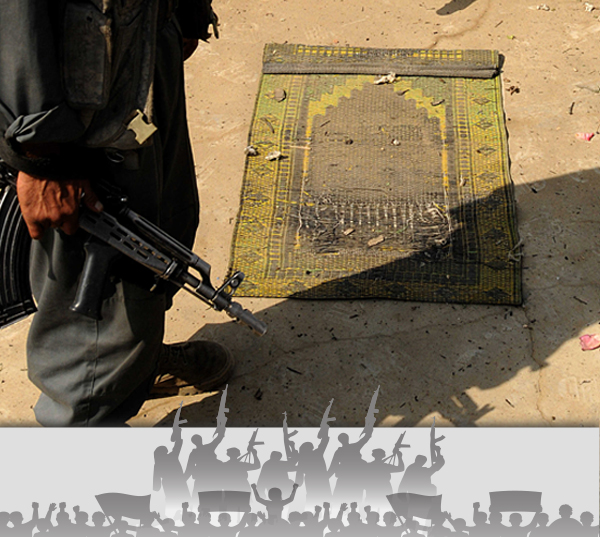
Political Islam’s Crisis of Thought and Practice
This opinion article discusses the series of collapses, which the political Islam groups faced while in power after 2011, represent a political inevitability that has its indicators and signs in the intellectual roots of those groups and their practices throughout history.
.jpg-%D8%AD%D9%84%D9%81-%D8%A7%D9%84%D9%86%D8%A7%D8%AA%D9%88.jpg)
US, UK, Israel should help form an Arab NATO - opinion
The US and UK helped Islamic militias flourish in the MENA region; they can help defeat them now.