



Strategiecs Lens Strategiecs Lens
Strategiecs Lens

The Changing American Position on Israeli Government’s Management of The War in The Gaza Strip

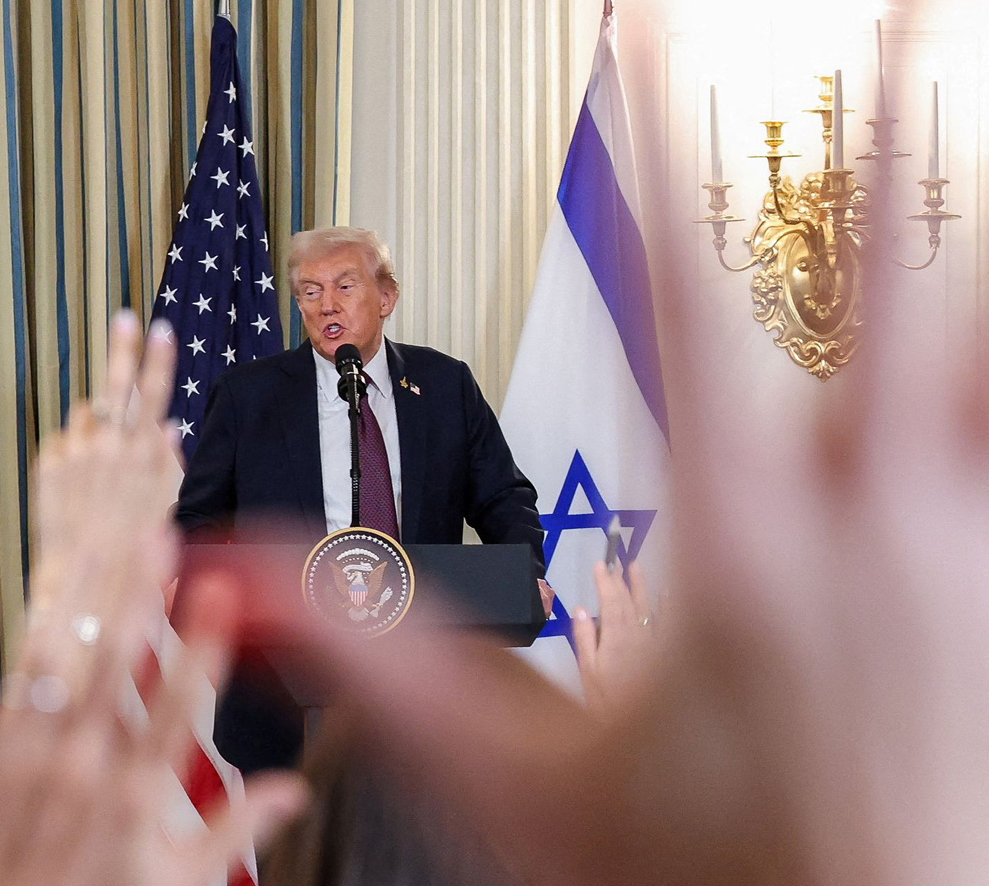
The disagreements between the American administration and the Israeli government regarding the war in the Gaza Strip are a continuation of the apparent contradictions in the visions and policies between the two parties since the formation of the Israeli government at the end of December 2022, which U.S. President Joe Biden described as “the most right-wing in the history of Israel.” It is likely that these disagreements will continue between the two parties regarding their priorities during the coming period, but the deepening of this disagreement into the structure of the bilateral relations is unlikely.

Analyses

View All
Transformations in the International Order
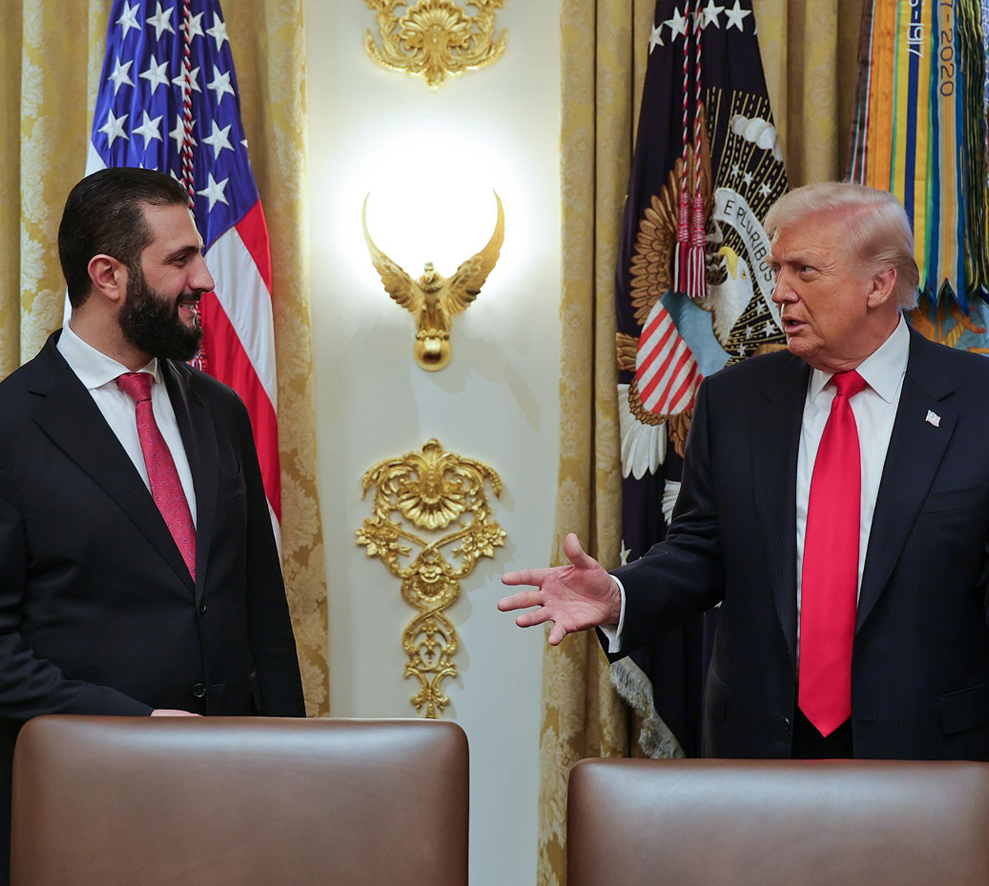
Trump’s Gulf Tour and the Intersection of Regional and International Files

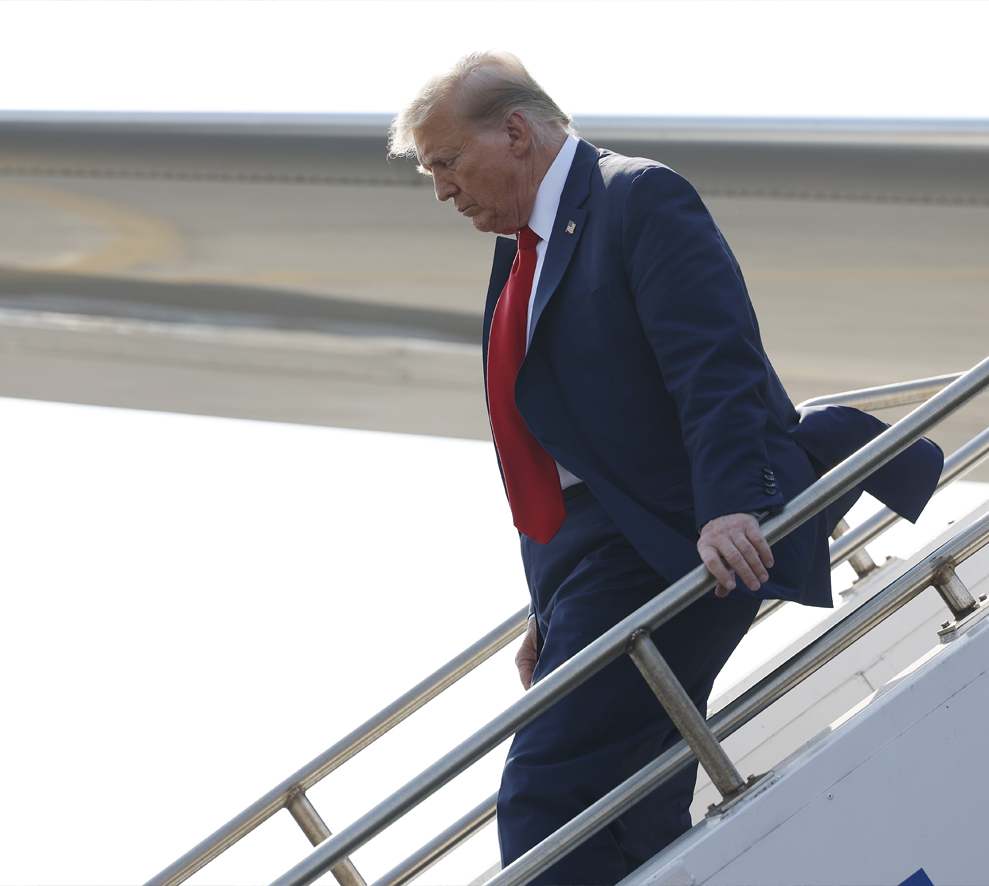
U.S. President Donald Trump departed for the Kingdom of Saudi Arabia on his first official foreign visit. His trip to the Gulf countries comes at a critical time in which the impact of regional changes intersects with the priorities of American policy. The visit highlights Gulf-American cooperation on vital issues such as Iranian policy, the Palestinian cause, and Arab-Israeli relations. Gulf countries are taking a leading role as key supporters of peace efforts, while Trump aims to focus on de-escalating conflicts and reducing the American military footprint in the region.

Emerging Threats and Non-Traditional Security
Map of the Militarization of the Red Sea and the Features of Upcoming Conflicts

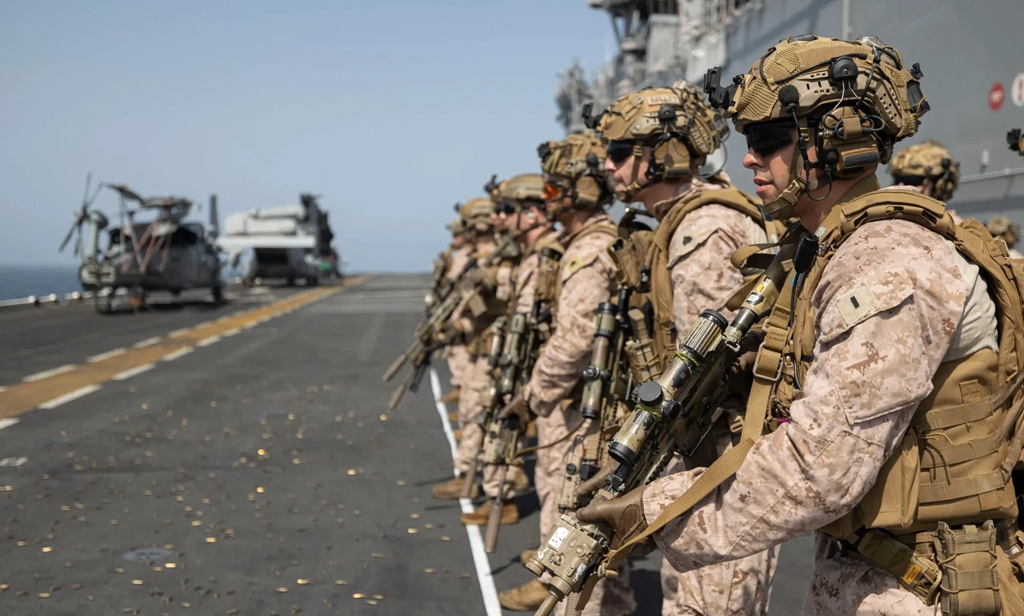
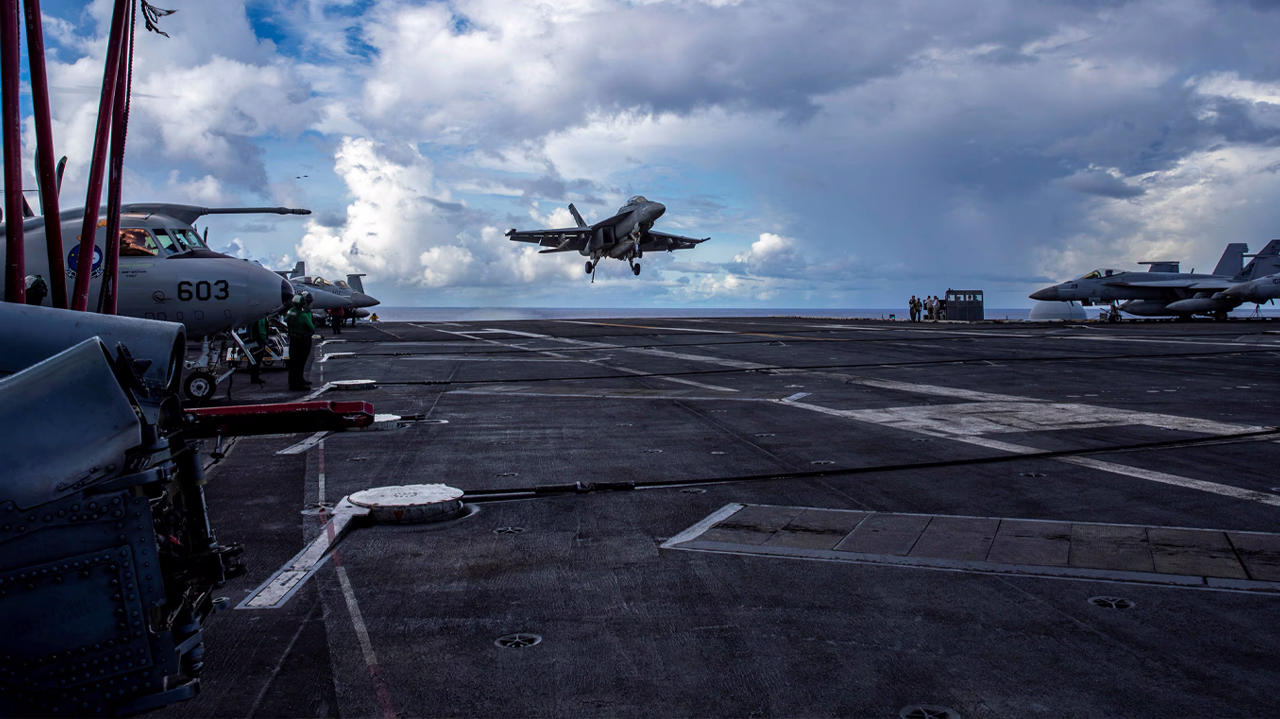
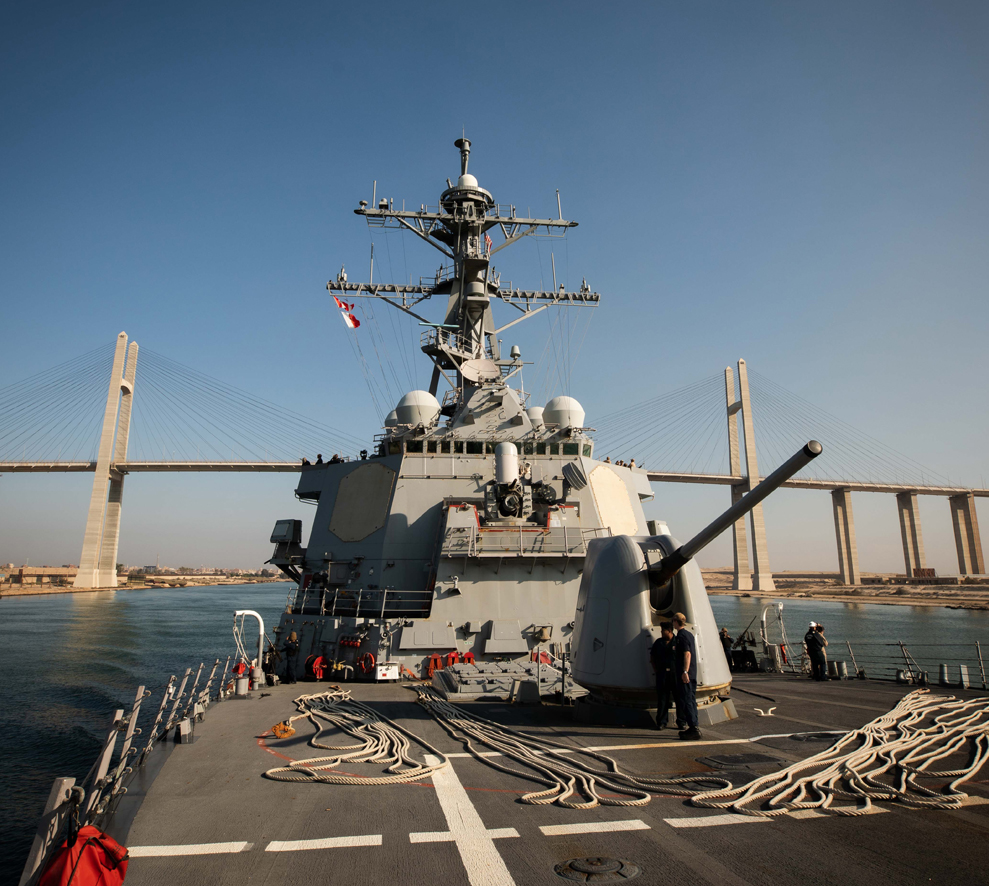
This policy analysis addresses the U.S. and Western military presence in the Red Sea in response to Houthi attacks. It also addresses several questions about the implications and motives behind the unprecedented military mobilization in the Red Sea. For instance, is it proportional to the scale of the Houthi threats to international trade?

Regional Trends
The Arab Stance Amid Regional Variables

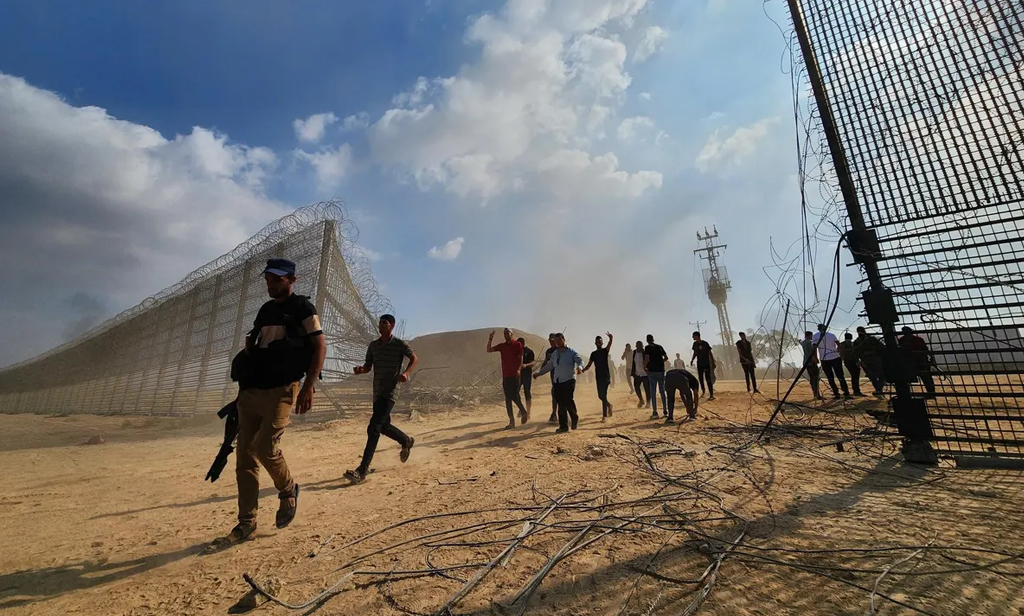
The war in the Gaza Strip and its repercussions on Lebanon and Syria, culminating in its spillover into the Iranian heartland in June 2025, marked a turning point in the balance of power that has prevailed since 2003. This shift resulted in the decline of the Iranian influence and the emergence of Israel as a central actor, and it rearranged the Arab alliances that began to fill the vacuum left by Tehran’s retreat. Worried about Israel turning into a dominant power, Arab states seek to re-engineer the regional balance to formulate a system based on cooperation rather than influence.

How the B-2 Stealth Bomber Changed the Course of U.S.–Iran Negotiations

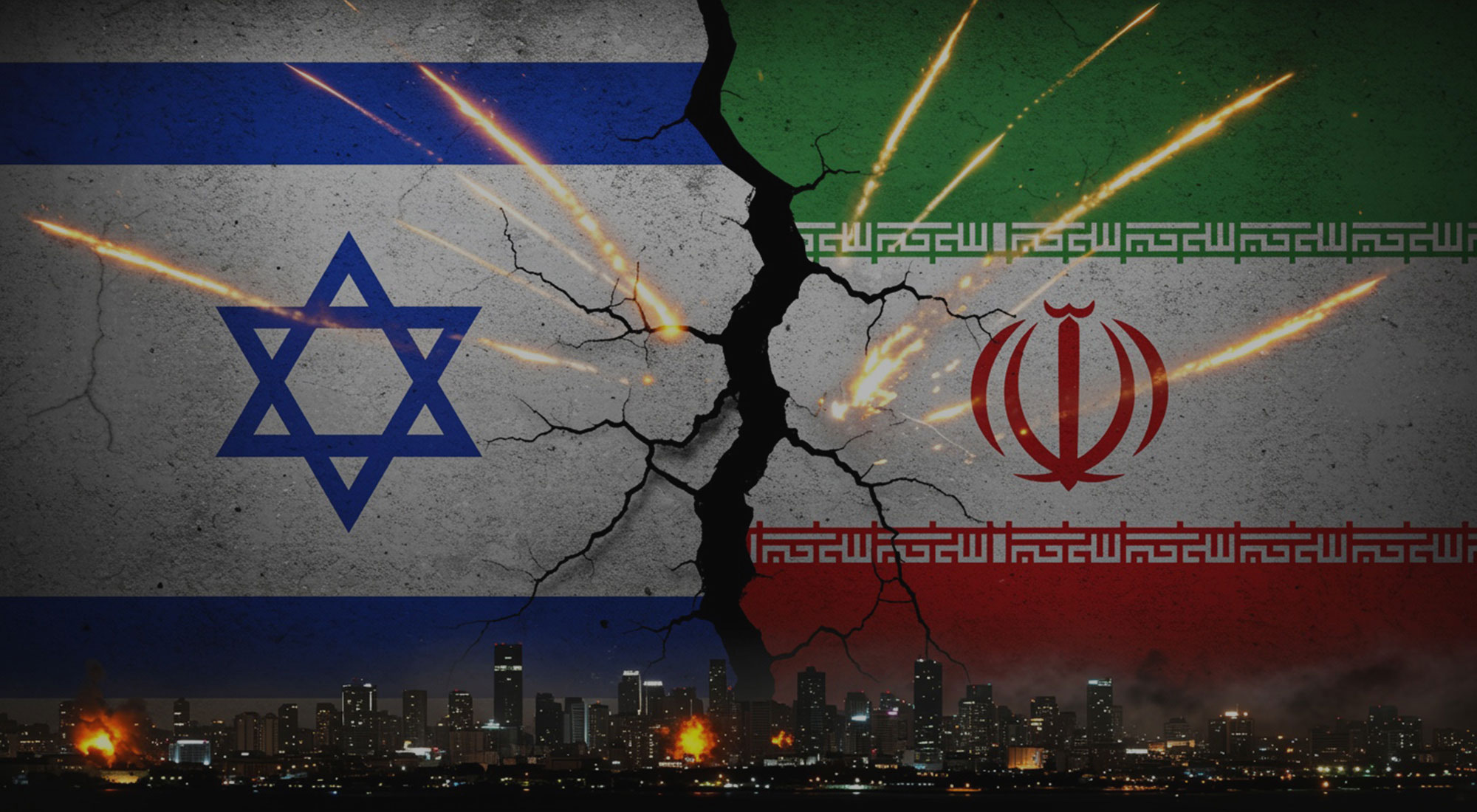
The U.S. airstrike on Iranian nuclear facilities in June 2025, carried out as part of “Operation Midnight Hammer,” marked a fundamental turning point in the trajectory of negotiations between Washington and Tehran. The United States shifted from a strategy of economic pressure and multilateral diplomacy to the direct use of military force, in unprecedented alignment with Israel’s approach. Today, Iran stands at a critical crossroads: either accept American-Israeli demands, or risk resuming its nuclear program and facing another wave of military escalation.

Israel and Southern Syria: Limits of Power and Parameters of Settlement in Suwayda

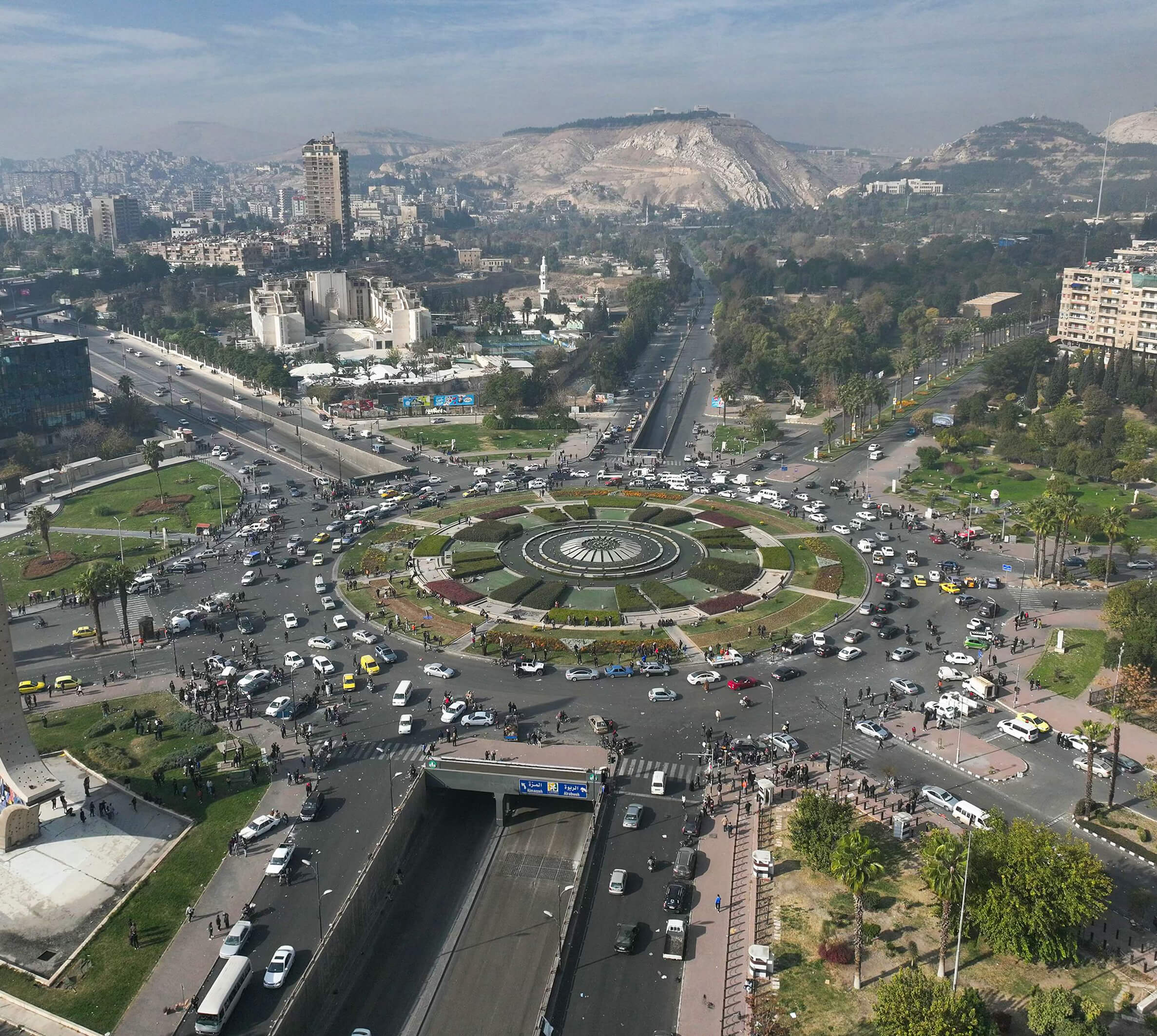
The Suwayda Governorate in southern Syria witnessed a significant security escalation following clashes between Druze factions and Bedouin tribes, which was followed by a military intervention by the Syrian transitional government. This prompted Israel to carry out airstrikes, which it considered a response to the violation of the “demilitarized zone” principle and its commitments toward the Druze community. As a result, Syrian forces withdrew and a ceasefire agreement was signed with the religious authority in Suwayda that also included local security and administrative arrangements. These developments revealed a gap in the transitional government’s understanding of the Israeli position, placing its presence in the south—and its relations with the Druze and Kurds—under challenges that may reshape the balance of power.

The Palestinian–Israeli Conflict
Will “Trump’s Plan” Succeed in Achieving a Ceasefire and Peace?

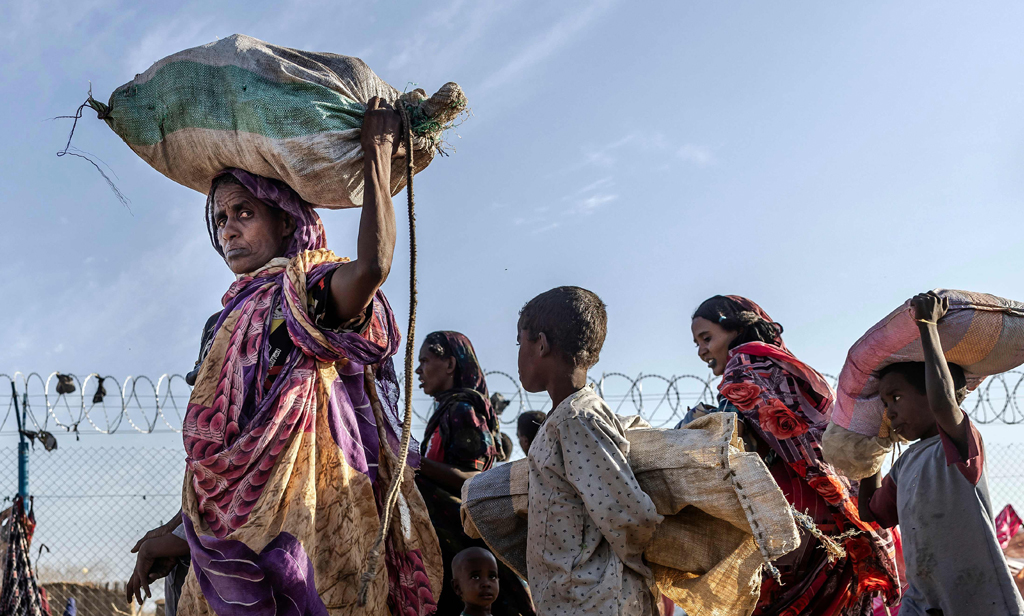
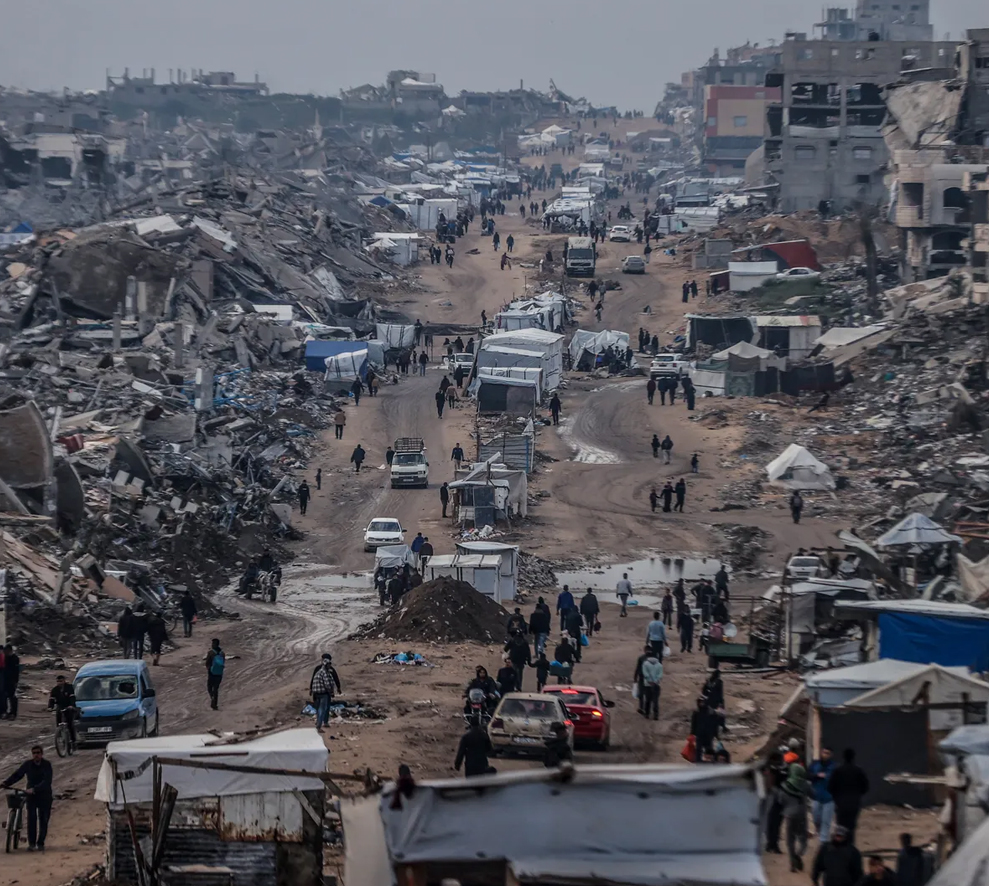
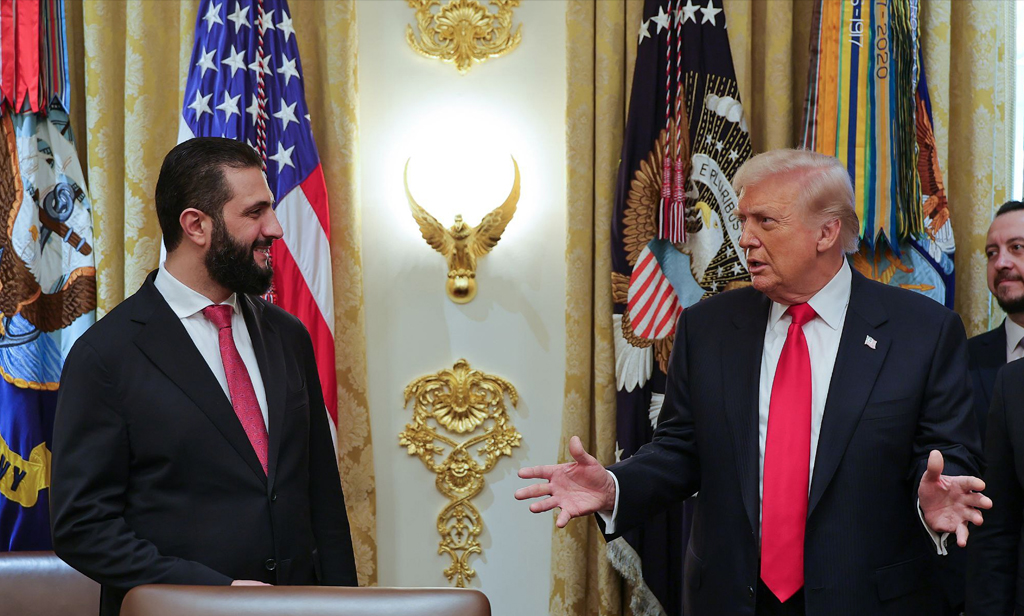
U.S. President Donald Trump’s plan to establish a ceasefire in Gaza faces complex challenges, including Hamas’s stance and the plan’s own structural and organizational weaknesses, making its implementation difficult. Although presented as a comprehensive framework to end the war, Hamas’s response and the U.S. welcome of it have effectively dismantled the plan’s unity, turning it into a gradual approach that begins with releasing detainees in exchange for halting military operations, while postponing the remaining provisions to later negotiation phases. The plan also falls short of addressing Gaza’s urgent humanitarian needs, which risks triggering indirect waves of displacement. Given the plan’s complexity and the failure of previous gradual approaches, the future of the war and the fate of the Gaza Strip remain open to multiple scenarios.

Opinion and Thought
So That All Is a “Majority” in Syria

The issue of “minorities” remains a prominent concern in Arab politics. It is a central part of discussions surrounding democracy and human rights in the Arab world, as well as the construction of a unified national identity and the civil state based upon it. Moreover, the topic of minorities is not new to Arab politics or political literature, but it vanishes and reappears depending on the different historical and political contexts that have shaped our region since the advent of modern political thought and action.

International and Global Trends
Russia and the Restoration of Strategic Presence in the Changing Syrian Landscape

The regime change that Syria experienced in December 2024 led to a radical—and also chaotic—reordering of the Syrian geopolitical landscape. One of the main questions raised at the time concerned whether Russia would accept the unfolding scenario, abandon its previous allied regime, and face the potential loss of its strategic and vital bases on the Mediterranean coast, which it had long maintained.

Arab policy
The Syrian Situation Between Centralization and Decentralization Options

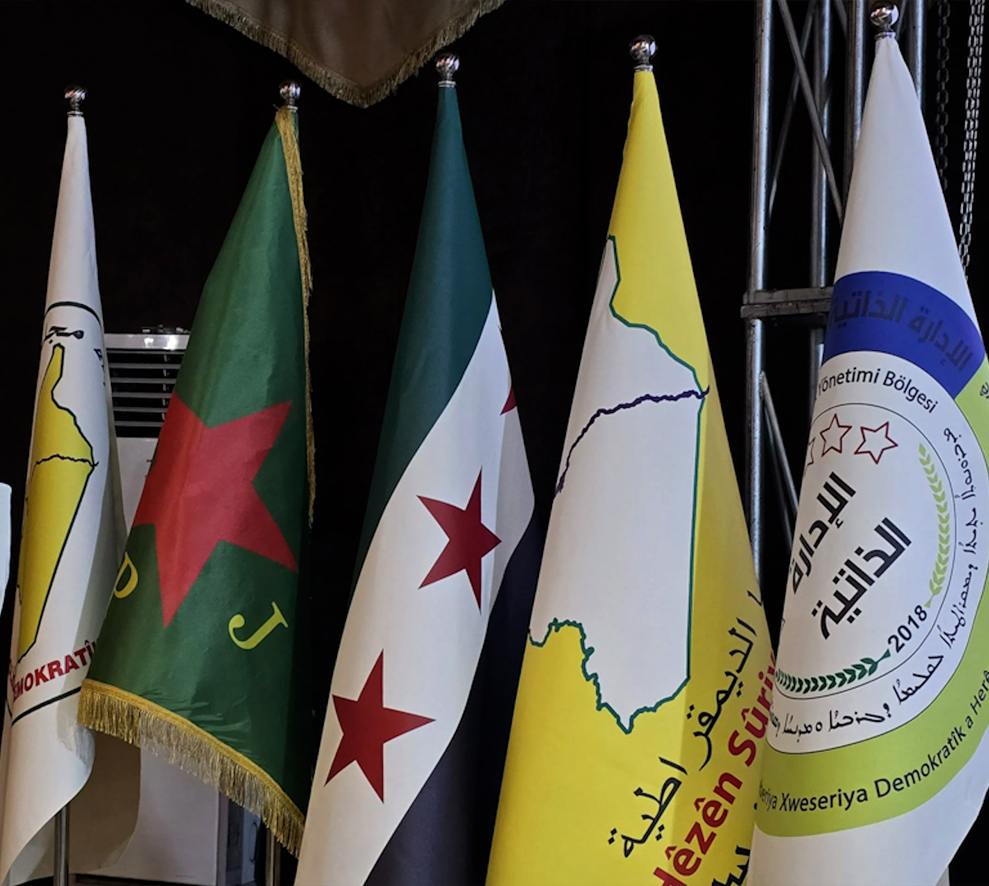
The issue of centralization versus decentralization in Syria is a structural one that goes beyond intellectual debate, touching on the very essence of state reconstruction, the definition of national identity, and the form of governance. While centralization is viewed by some as a safeguard for the country’s unity, experience has shown that it has deepened marginalization and weakened political participation. Conversely, many political segments see decentralization as an entry point for comprehensive institutional reform; however, hastily adopting it could threaten stability and sovereignty, especially given the complexities of the Syrian reality.

NINTY_SECOND
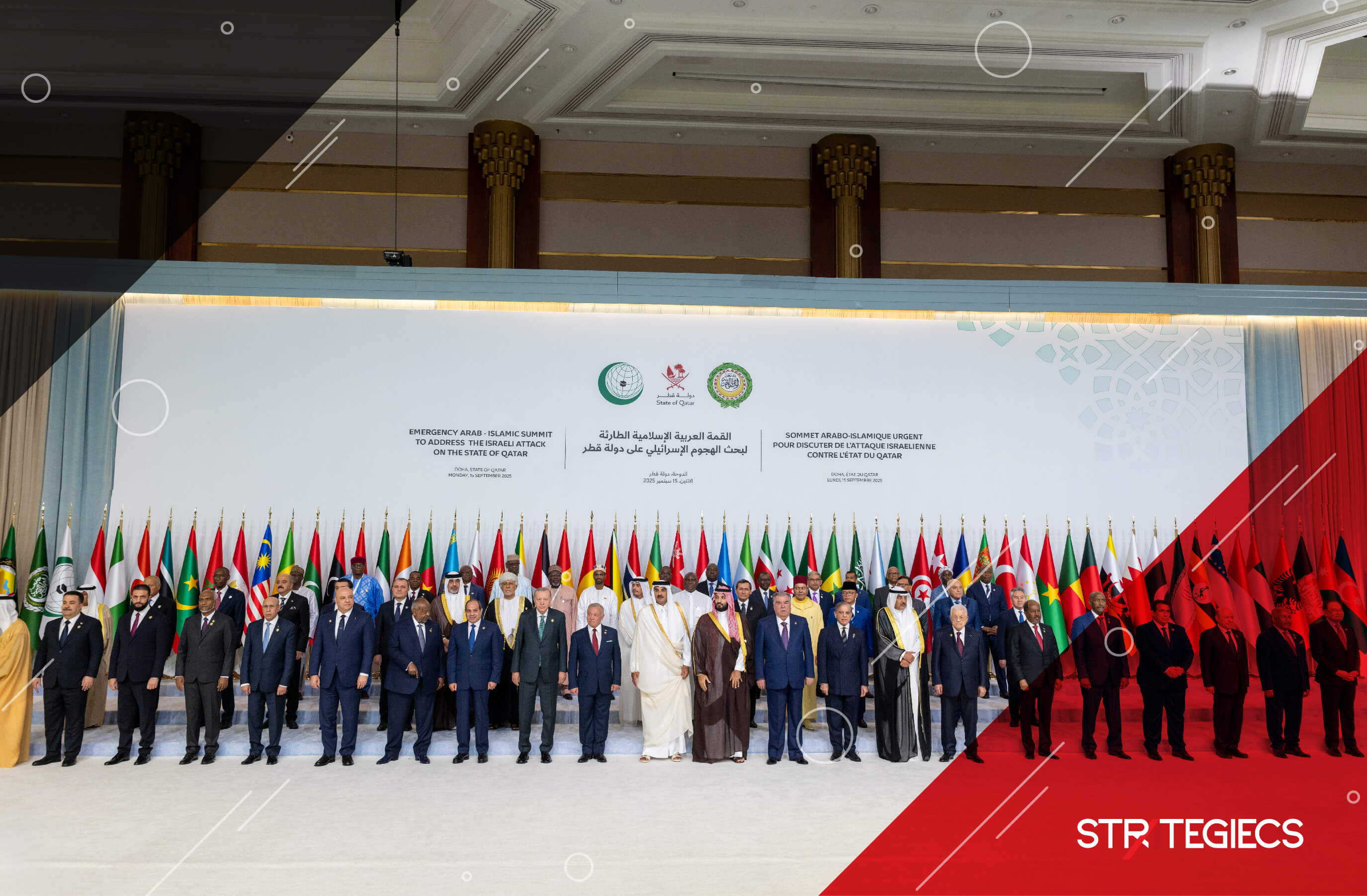
The Outcomes of the Doha Emergency Summit and the Missed Arab Opportunity NINTY_SECOND
The Outcomes of the Doha Emergency Summit and the Missed Arab Opportunity

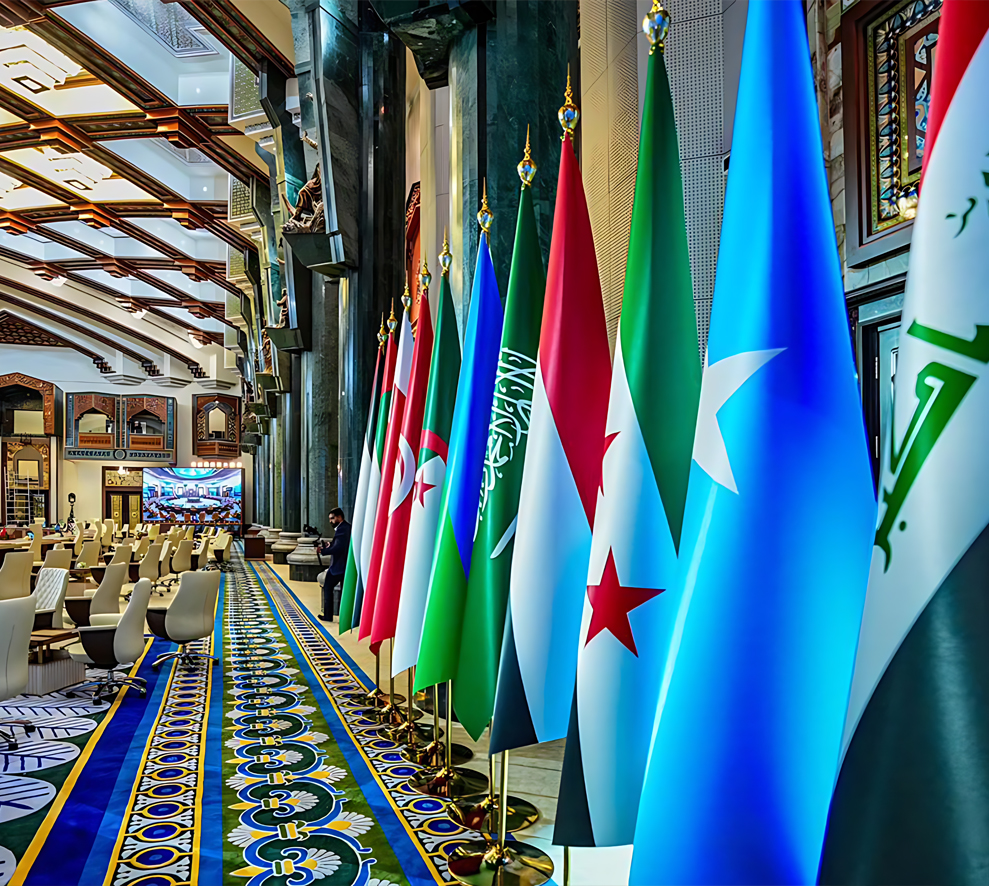
The most important criterion for judging the outcomes of the Arab-Islamic summit in Doha this September remains the extent to which they are reflected in Israeli behavior. While the summit could serve as a barrier against Israel repeating attacks on Qatar or any other Arab state, it will not alter the developments on the ground, nor will it play a role in reshaping the balance of power in the Middle East—a matter of utmost priority and significance at both the Arab and regional levels.
Thursday,18 September 2025

Podcasts

Challenges facing investors in entering the Iraqi market youtube
Challenges facing investors in entering the Iraqi market

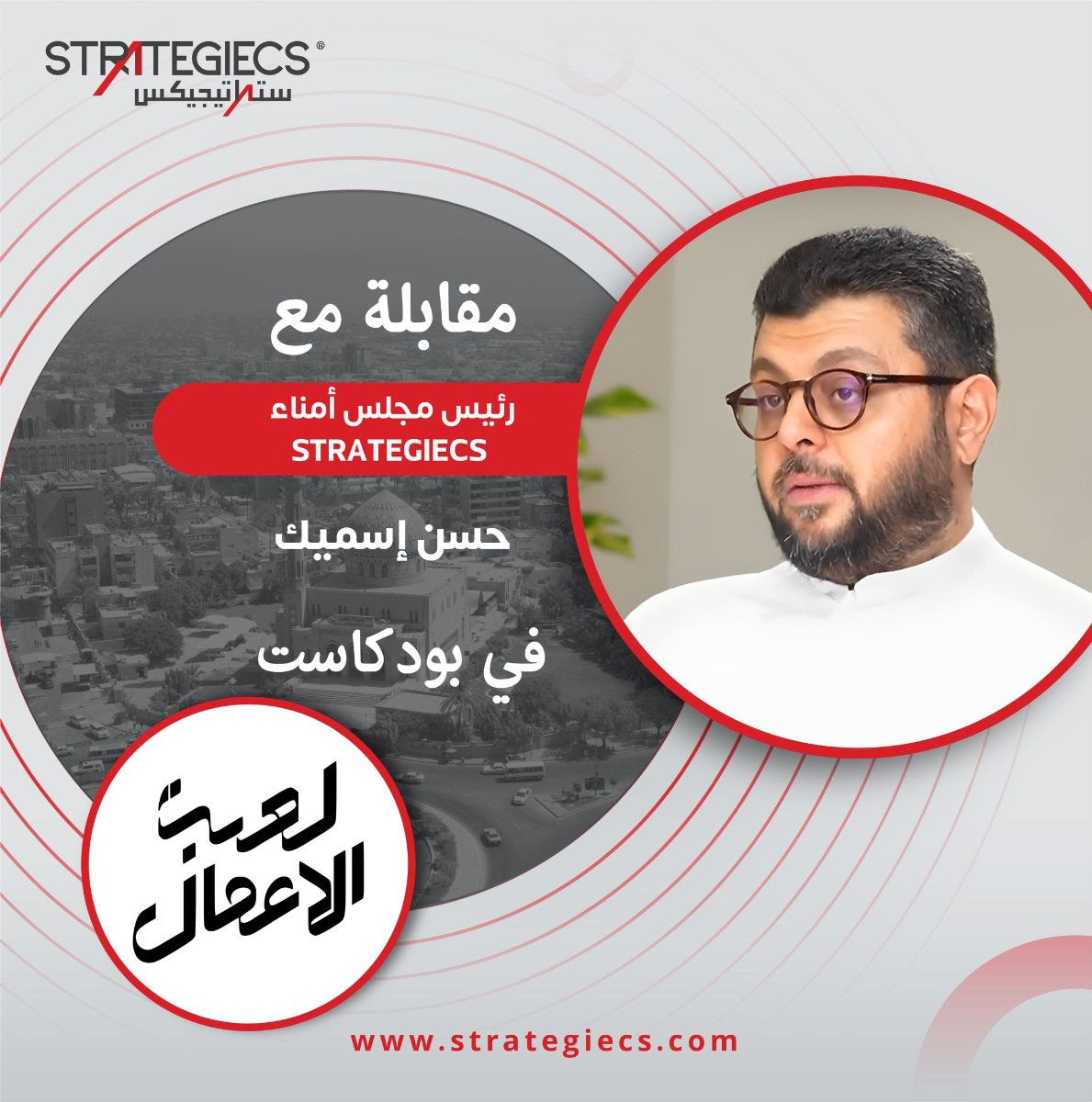
An interview with the businessman and Chairman of the Board of Trustees of the STRATEGIECS Institute for Strategic Studies and Research, Hassan Ismaik, with the Iraqi journalist, Ghaiyath Daham, in the “Business Game” podcast.

Sunday,10 March 2024

Publications

View All