Publications
International and Global Trends
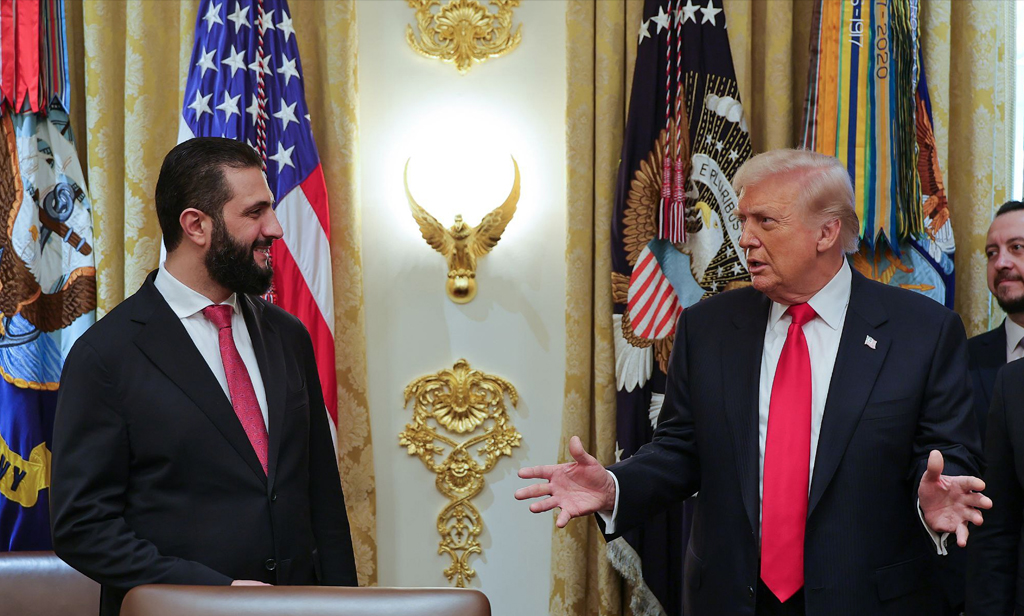
Real clear world: A former terrorist inside the white house
This article examines the unprecedented decision to welcome a former jihadist—long designated as a terrorist by the United States—into the White House. It traces his trajectory from al-Qaeda operative to interim president of Syria, raising urgent questions about a dramatic shift in U.S. foreign policy. The piece challenges readers to consider the consequences of legitimizing a figure whose past is inseparable from decades of extremist violence.

Countering Terrorism and Extremism
Sudan: The Country Hijacked by Islamists and Targeted for Burial by Iran
International and Global Trends
The Gaza War and the Military Deployments in the Region of the World’s Great Powers
The Palestinian–Israeli Conflict
Position Assessment: Potential Pathways of Conflict between Hamas and Israel
Emerging Threats and Non-Traditional Security
Asymmetric Threats:A Study in the Transformations of Traditional Deterrence Strategies
International and Global Trends
The Ukrainian Crisis And Its Repercussions On The Transformation Of Chechen Fighters From "Salafi-Jihadism" To "Sufism Jihadism"
Filter by:
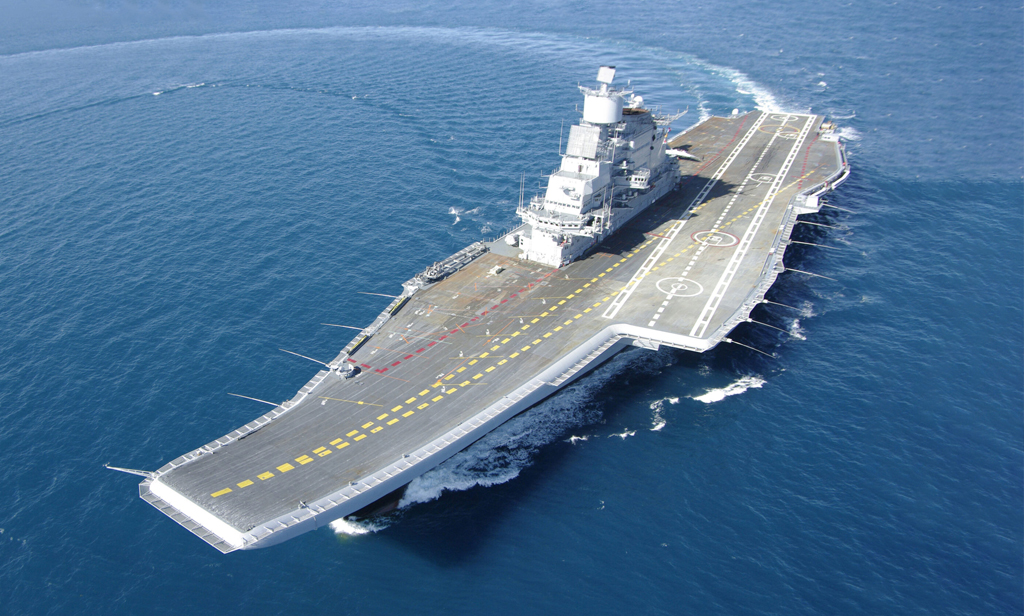
Indian Navy’s Role in the Indo-Pacific Strategy Framework
Strategic Assessment | This paper addresses India's role, within the framework of its national strategy, largely aligned with the U.S. strategy in the Indo-Pacific region. The paper also tackles the entities emanating from the Indo-Pacific understandings, such as the Quad quadrilateral, and the Anglo-Saxon Alliance (AUKUS); as well as Indian actions taken to counter China's attempts generally in monsoon lands.
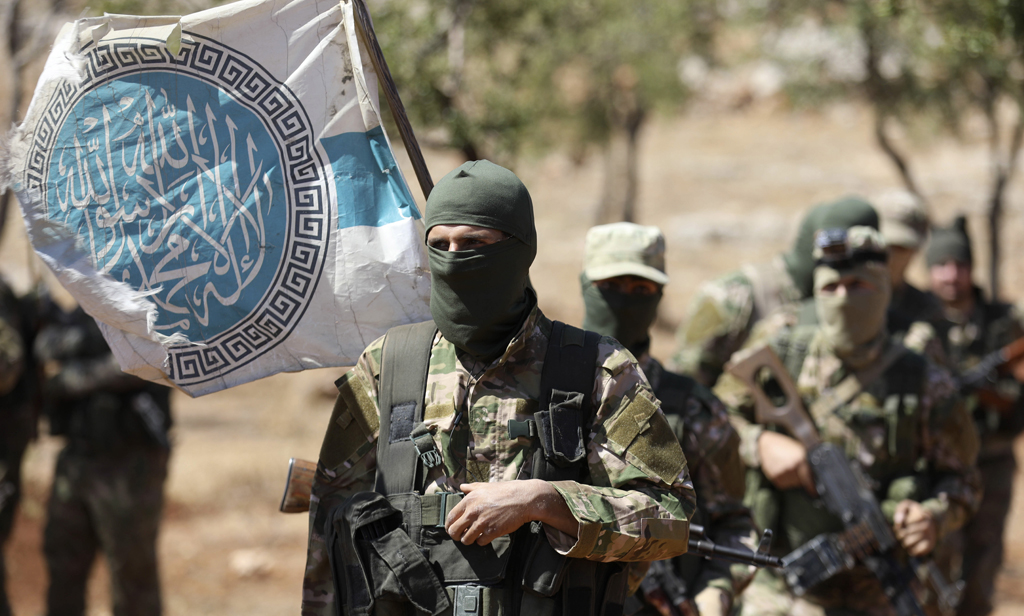
Al-Julani's Statelet: The Reality and future of Hay'at Tahrir al-Sham in the Light of Taliban Afghan Movement Rise
This study examines the features of al-Julani's political and intellectual project, its formative phases, transformations; relations with terrorist and extremist groups, and the danger this poses to the region....
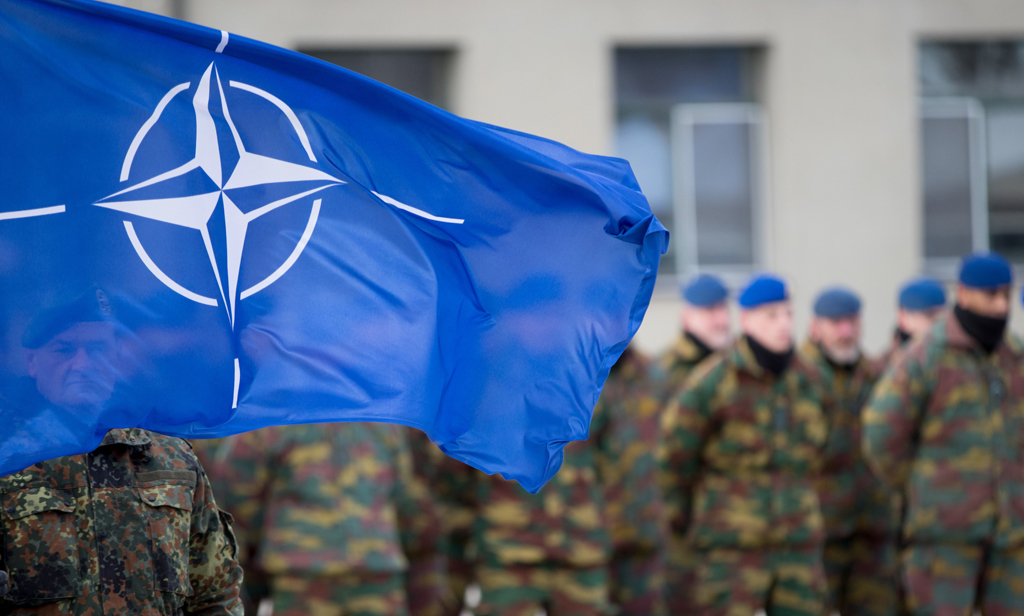
The Devolved Nordic Peace NATO's Northern Expansion and the New Security Equation in Europe
This study provides a reading for the many reasons behind the shift in the attitude of Sweden and Finland, from neutrality to NATO accession. Also, it seeks to answer a range of questions, the most important of which: Why is the West embracing and supporting Stockholm and Helsinki's desire to join the NATO?
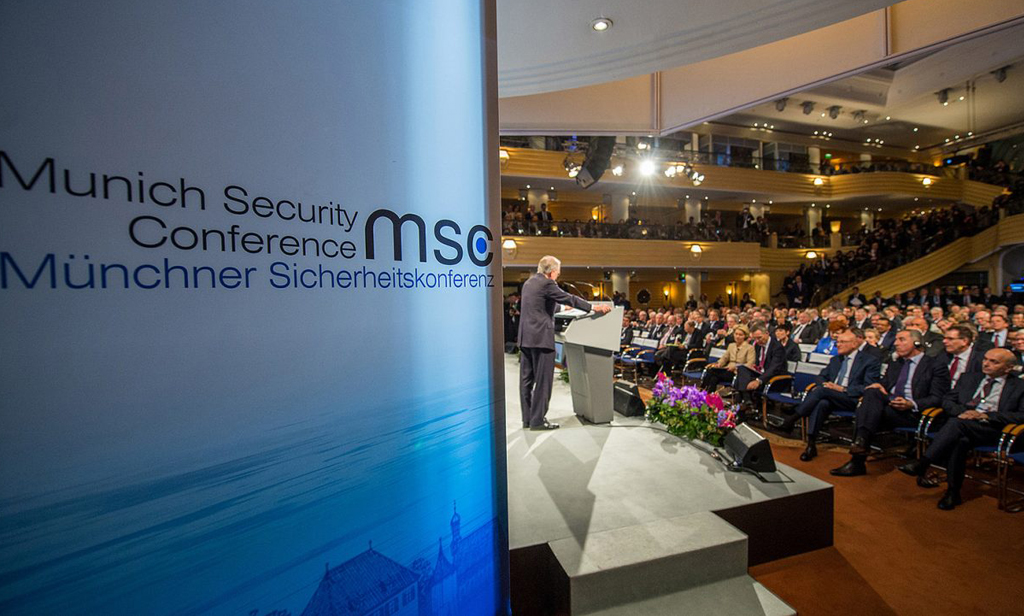
Munich Conference and the Changing European Security Landscape
This analytical paper examines the changing security landscape in Europe with the outbreak of the Ukrainian-Russian crisis, which dominated discussion and statements at the Munich Security Conference 2022, in an attempt to deliver a unified Western message to deter Russia. As the war has become a reality and the West continues to show a united position, this paper seeks to examine the consequences of the geopolitical realities in Europe and their effects on the global system, in light of Russia's moves in the field and the deterrent decisions by the West.
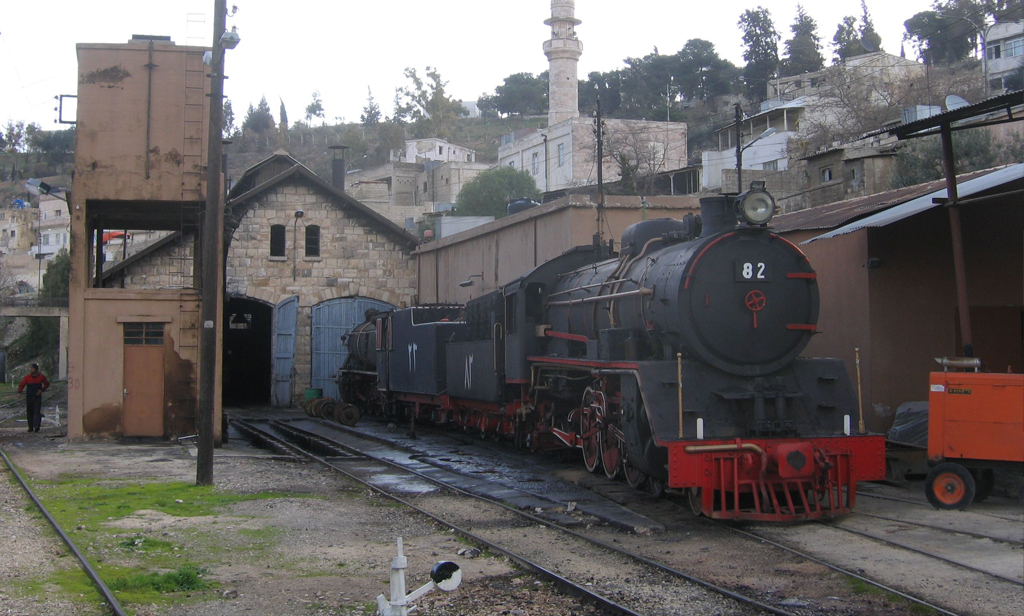
Jordan's Railway Projects: Aspirations and Challenges
This paper presents an integrated and comprehensive insight of Jordan's aspirations towards the railway project, highlighting one of the most important national strategic projects in the near future; the nature of its regional dimensions that are intended to enhance Jordan's position and regional presence; as well as the intertwining of economic and logistical interests among the countries of the region.
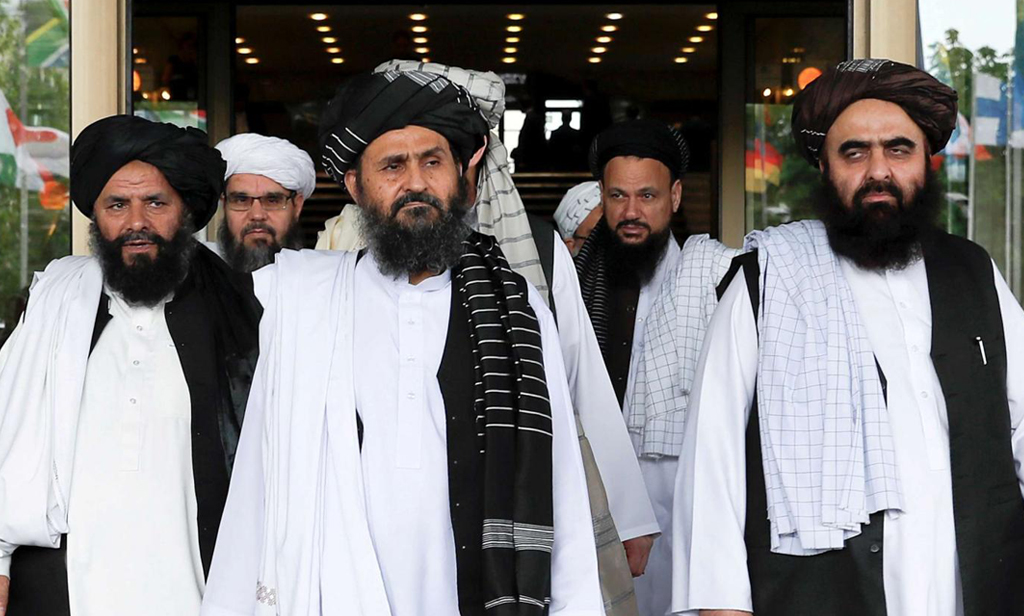
The Ruling Taliban: Domestic Challenges and Geostrategic Goals
News from Afghanistan is at the forefront of international capitals' attention, with Taliban Movement taking control of Afghan geography, marking a turning point in the history of a country that is ever engaged in international tensions, once in the collapse of the Soviet Union and then in the war on terrorism. The following paper outlines the most important "domestic" challenges facing the Movement in establishing sustainable and stable political governance. It also reviews Taliban in the highly competitive geostrategic perspective between Washington on the one hand and Beijing and Moscow on the other. The paper concludes by demonstrating the importance of gaining international recognition for the government that Taliban says it is forming with various parties, noting that such recognition will remain subject to Taliban’s ability to prove its good will in breaking with its past and building a new reality away from terrorism or extremism.
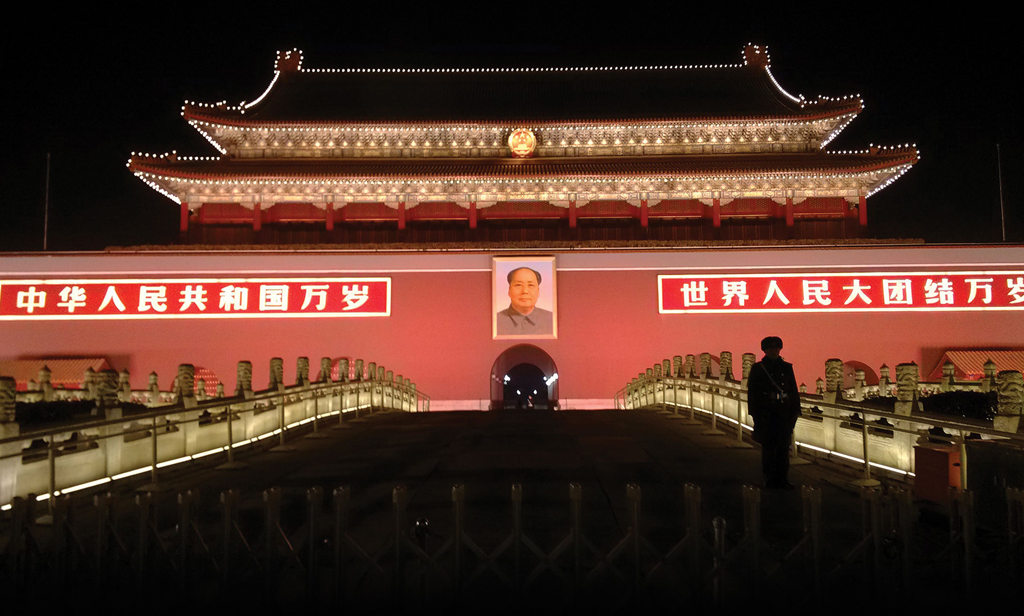
PRISM: Who Wants to Be A Great Power
After years of worrying about ethnic conflict and humanitarian intervention, civil wars and counterinsurgency, there is a renewed focus among policymakers, think-tankers, and academics on traditional strategic concerns and in particular confrontation between competing great power who aspire to achieve their goal of being a superpower; Accordingly, What are the negative and positive implications of achieving this goal?
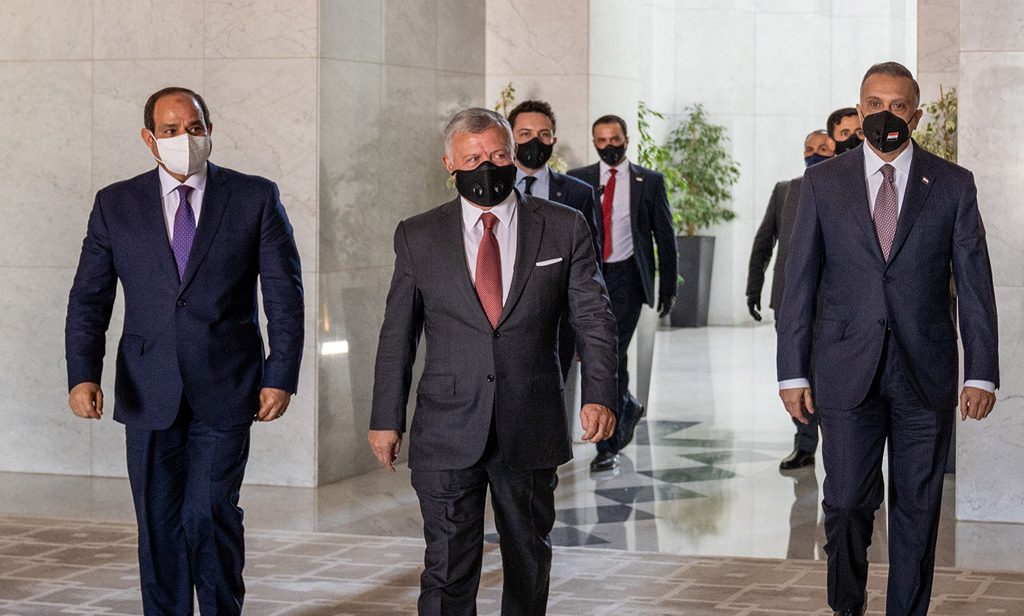
Amman, Cairo, and Baghdad: Towards a pioneering development partnership
Amman, Cairo, and Baghdad are engaged in quiet and intensive talks to formulate a framework of a multi-domain development partnership, thus, numerous official and technical meetings aimed at studying the opportunities that each country has...
Arab World as Reflected in Some Global Indicators: What Do the Numbers Tell Us?
Looking at several and comprehensive indexes offers a broad perception of the ranking of any state or region to the entire world. This is done by measuring the dynamic changes in the fields of development, economics, local politics, security, and peace. Accordingly, this article introduces a wider perspective of the situation of Arab countries in a number of selected global indexes.