Asia and Indo-Pacific
Analyses
Countering Terrorism and Extremism

Countering Terrorism and Extremism
Al-Qaeda Post-Zawahiri: Structure, Crisis, and Future
Economy and Energy Policy
Economy and Energy Policy
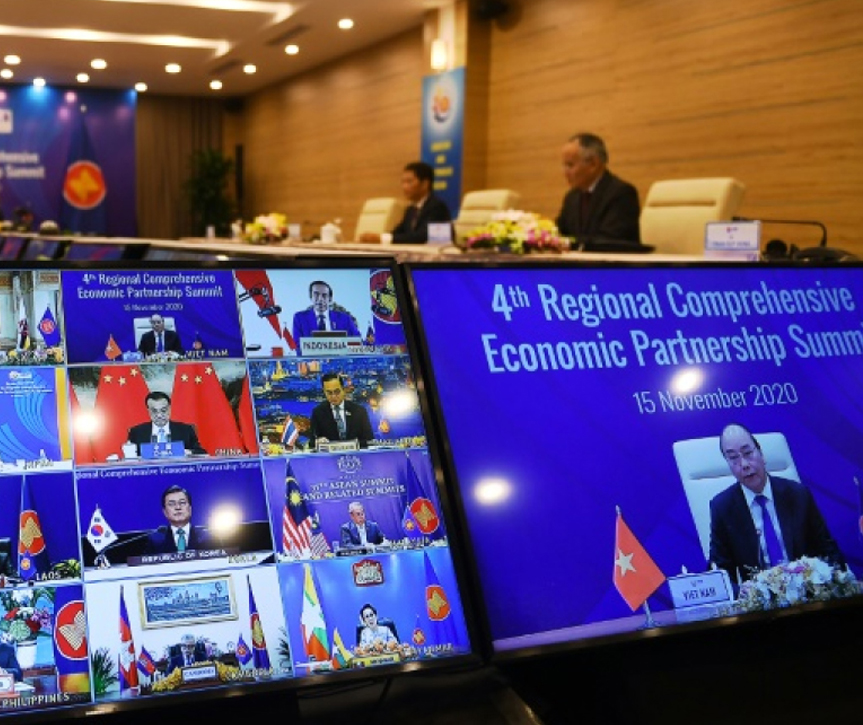
How was the largest free trade agreement in history signed?
What do we expect from the 46th G7 summit?
Domination Over Waterways
Environment and Climate
Environment and Climate
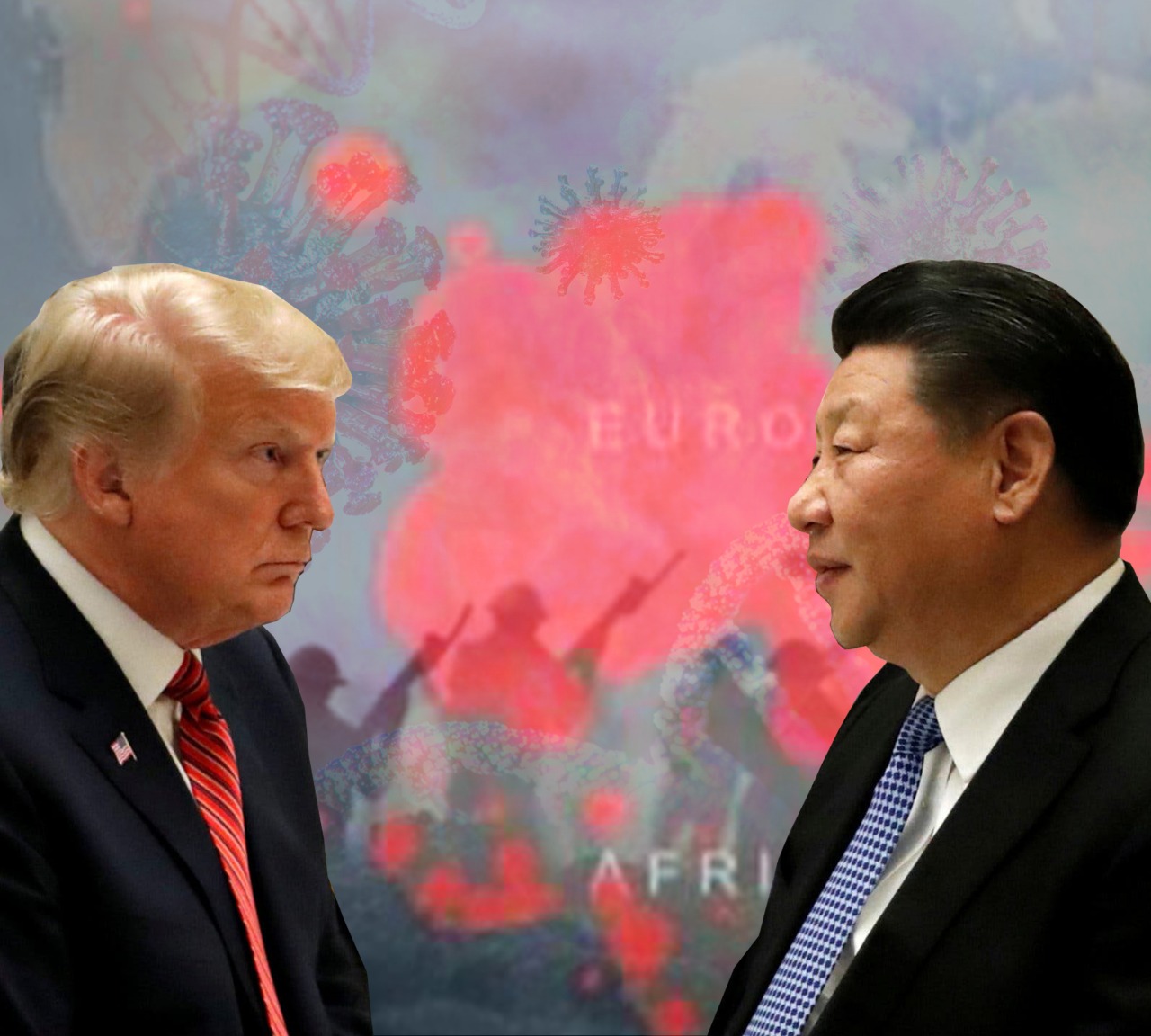
Coronavirus and the Renewed Geostrategic Competition: Will the Pandemic Spark a Nuclear War?
Foreign Policy and Diplomacy
Foreign Policy and Diplomacy
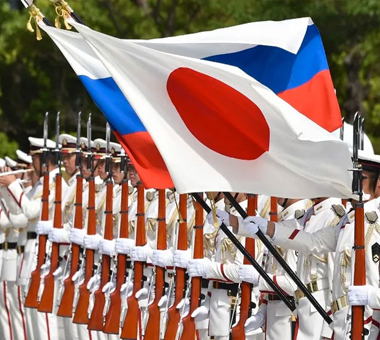
The Future of Russian-Japanese Relations in the Light of the Ukrainian Crisis
Global Governance and International Institutions
Global Governance and International Institutions
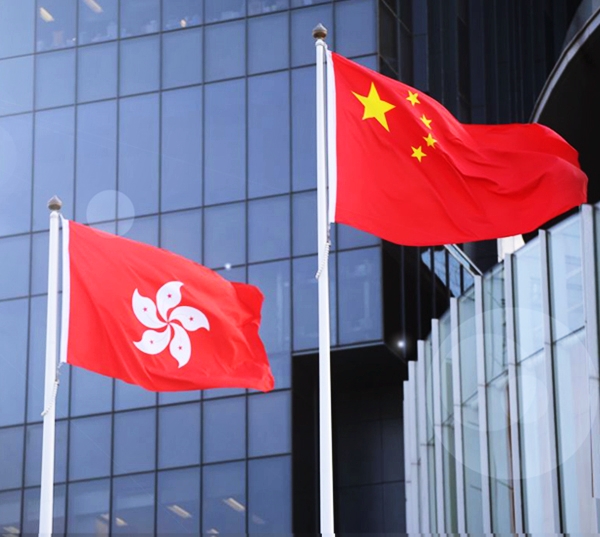
Implications of Implementing the National Security Law for Hong Kong
Conflict Resolution
Conflict Resolution
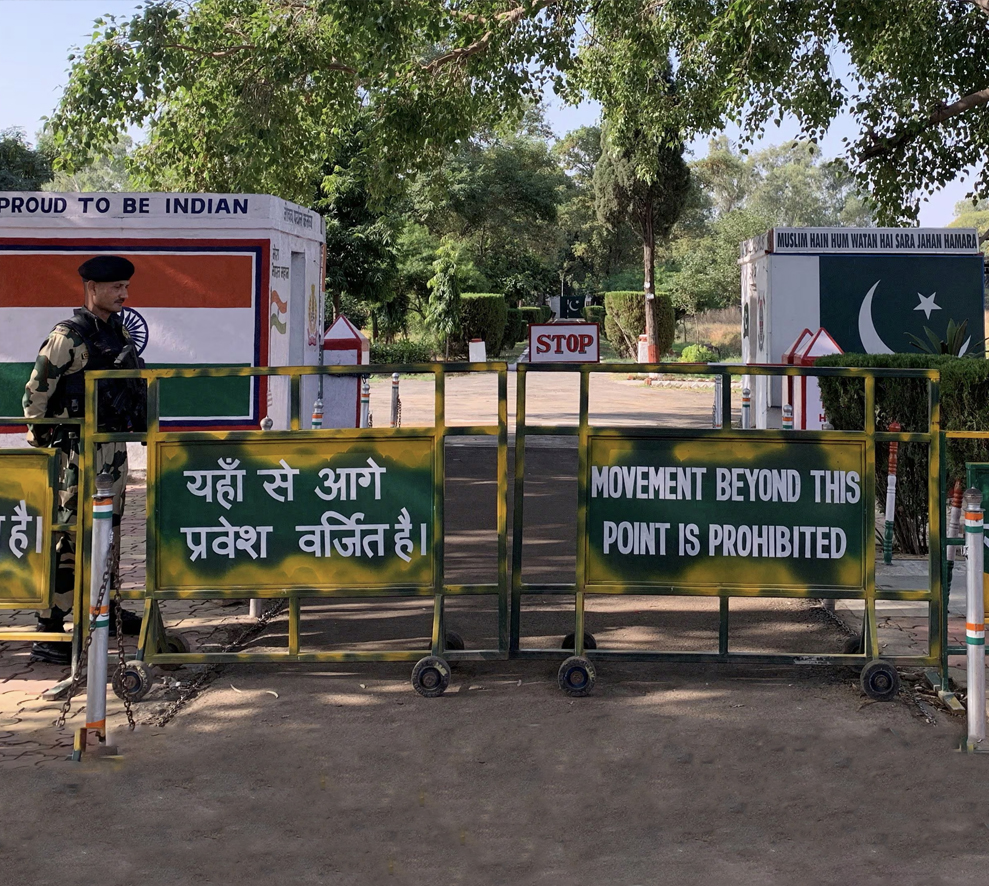
India-Pakistan Escalation Scenarios
Indian-Chinese Engagements in Flux
Transformations in the International Order
Transformations in the International Order
An In-depth Look at the Chinese President's Speech at the Twentieth Congress of the Communist Party
Is China’s Military Response to Pelosi's Visit Over?
The Middle East from the perspective of Chinese national security
China’s Strategy in the Middle East from an Analytical Perspective
Opinion and Thought
Opinion and Thought
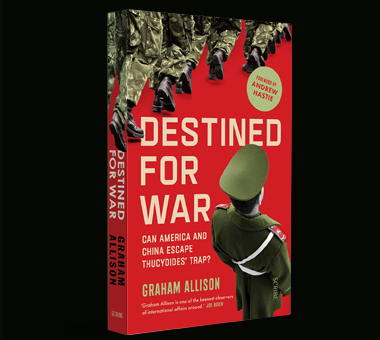
A critical reading of the book "Destined War: Can America and China Escape Thucydides’s Trap? "
Afghanistan Is Falling Apart
Francis Fukuyama: Political Order and the Dilemma of Decay as an Alternative to Liberal Democracy
Will China Pay Trillions of Dollars for its Coronavirus Mistakes?
International and Global Trends

International and Global Trends
The Local and Regional Landscape After Hasina’s Resignation in Bangladesh
Will the G20 Summit Mark a New Turning Point in the Global Order?
India and the Dilemma of Balancing Its International Relations: The Ukrainian Crisis as a Model
The Changing Landscape in Central Asia after Afghanistan's Fall
Publications
International and Global Trends
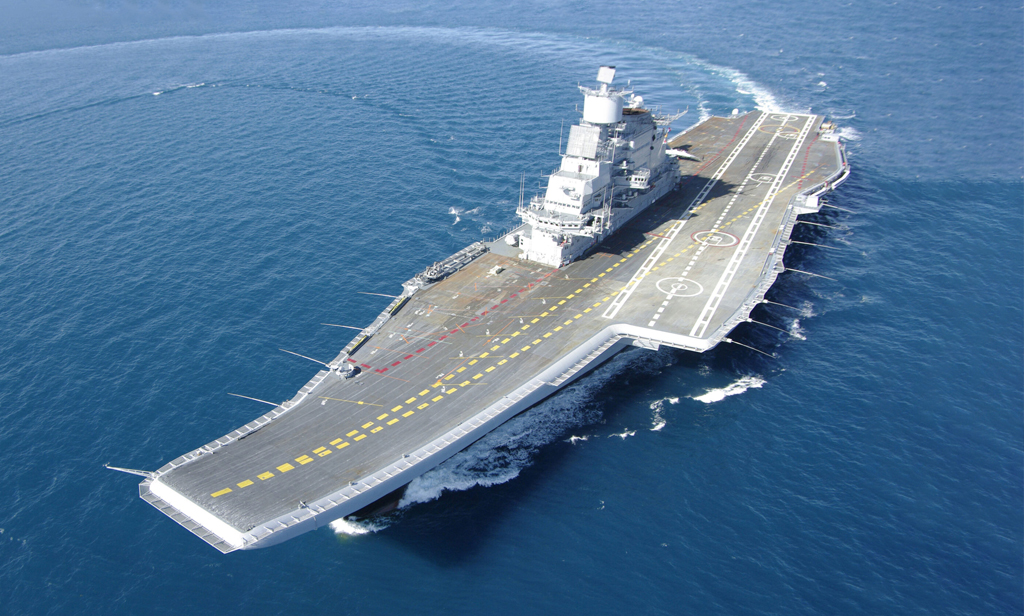
Indian Navy’s Role in the Indo-Pacific Strategy Framework
Strategic Assessment | This paper addresses India's role, within the framework of its national strategy, largely aligned with the U.S. strategy in the Indo-Pacific region. The paper also tackles the entities emanating from the Indo-Pacific understandings, such as the Quad quadrilateral, and the Anglo-Saxon Alliance (AUKUS); as well as Indian actions taken to counter China's attempts generally in monsoon lands.