
Abdulmalik Hussein Amer
Operations manager and Senior Researcher
Director of Operations at the Institute, Senior Researcher at the Institute specializing in Middle Eastern affairs, expert in UNESCO's International Leadership Program.
Writings by
The Palestinian–Israeli Conflict
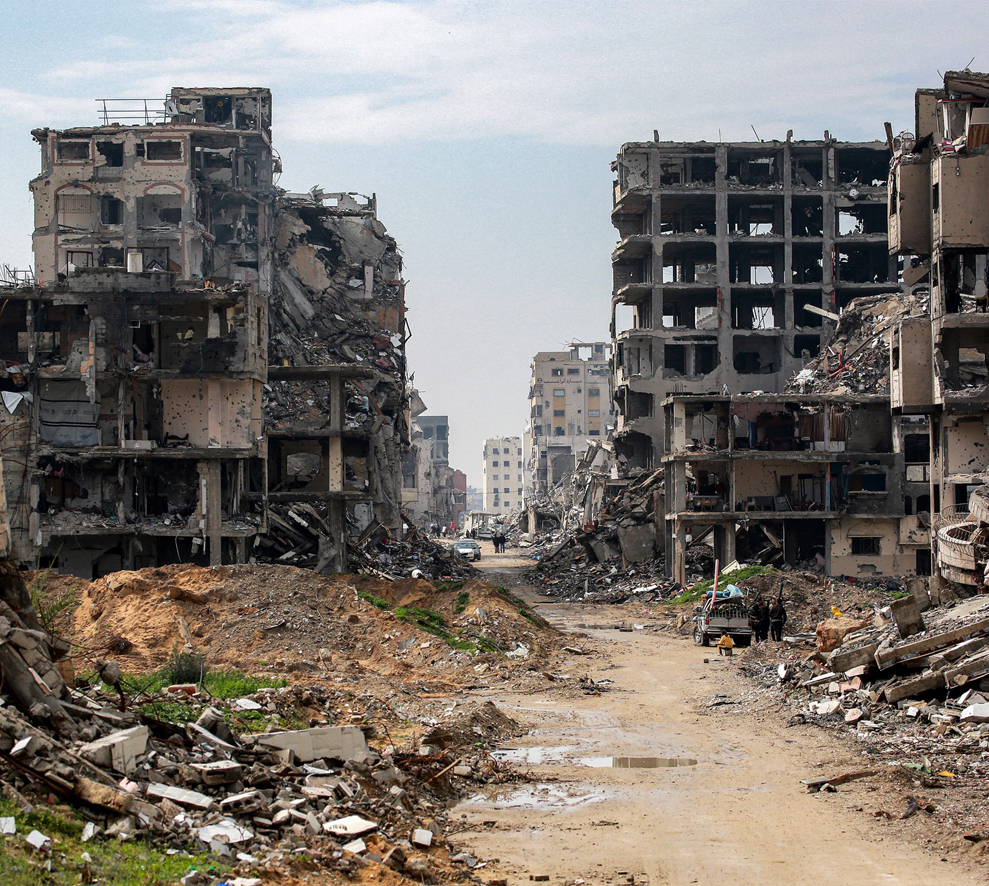
Trump’s Plan: Second Phase Scenarios
With the launch of the second phase negotiations of U.S. President Donald Trump’s plan to achieve a ceasefire in the Gaza Strip, the two-year war is entering a new stage that may bring about unexpected developments. While attention is focused on the major issues on the negotiating table, it seems that the fine details within the more complex files may prove decisive in shaping a new reality on the ground—and perhaps a political and security reality that does not align either with current expectations or the declared terms of the plan.
Countering Terrorism and Extremism
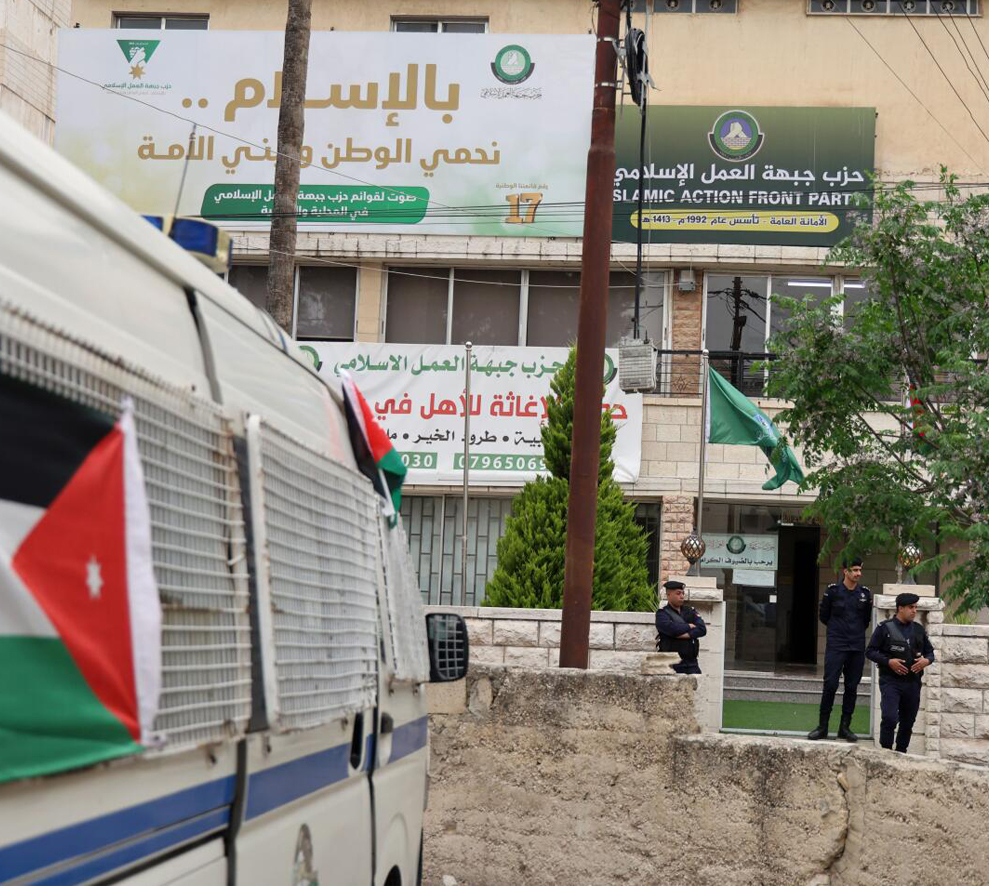
The Decision to Ban the Muslim Brotherhood in Jordan: the Hand of the Law Against Transnational Ideologies
This paper examines the Jordanian government’s decision April 23 to ban the Muslim Brotherhood group in response to growing security concerns following the discovery of affiliated cells planning to threaten Jordan’s national security. It outlines three potential post-ban scenarios: maintaining the ban solely on the group, extending it to include the Islamic Action Front party, or eradicating both entities entirely. The paper also highlights the legal and security challenges associated with each scenario.
Regional Trends
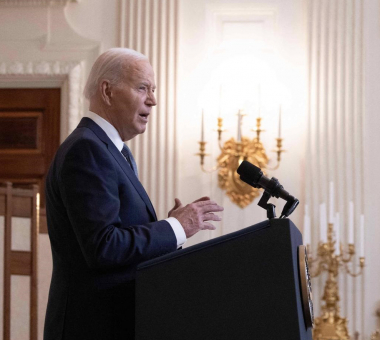
Will Biden’s Plan Succeed in Achieving Stability in the Middle East?
U.S. President Joe Biden’s plan for stability in the Middle East sets a clear initial goal —a ceasefire—and an explicit ultimate aim: sustainable cessation of the war in Gaza. However, the path of the plan from its implementation to its completion faces several complications and contains gaps that could disrupt it.

Regional Trends
How the War on Gaza Changed the Dynamics of Arab Politics Towards the Region?
This analysis discusses the transformations imposed by the war on Gaza that may affect Arab policies towards the region in terms of alliances, and the impacts of such alliances on the path to reconciliation and peace, as well as the impacts on views, priorities, and regional perceptions that alter the region’s future.