Analyses
Filter by:
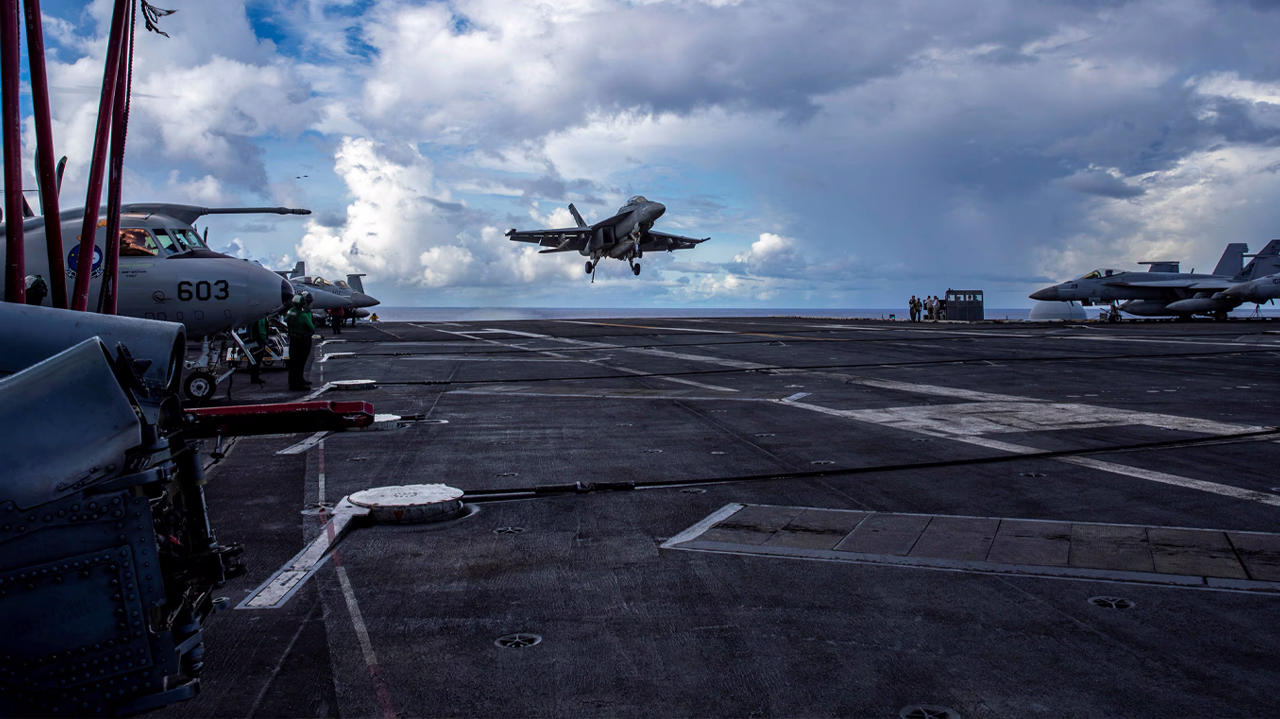
Israeli-U.S. Military Operation Scenarios and Iranian Responses
The Israeli- U.S. joint military operation against Iranian targets is still in its early stages, but it is intertwined with the war development in the Gaza Strip, particularly following the direct exchange of attacks in April 2024 and the escalation in October. The military operations were further expanded on June 13, 2025, with Israel launching a military operation against the Iranian capabilities, which was then followed by the U.S. “Operation Midnight Hammer” on June 22, 2025, targeting three nuclear facilities: Fordow, Natanz, and Isfahan.
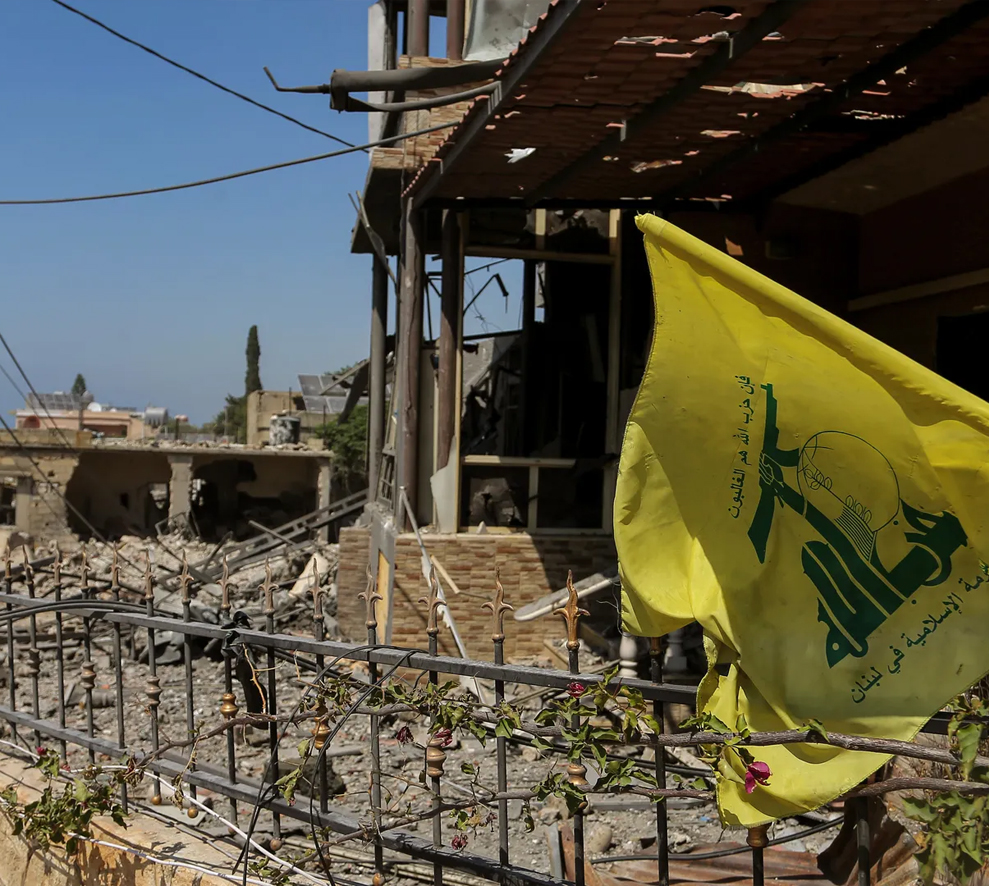
The Weapons of the Lebanese Hezbollah in the Post-War Reality
Lebanon is witnessing profound transformations resulting from the repercussions of the Gaza conflict, which has inflicted damage on Iran’s axis in the region, including Hezbollah. It seems that there is a shared understanding among the Lebanese, as well as regional and international actors, of the need to seize the moment to dismantle Hezbollah’s remaining weapons. In turn, Hezbollah feels compelled to make significant strategic concessions to preserve its political activities.
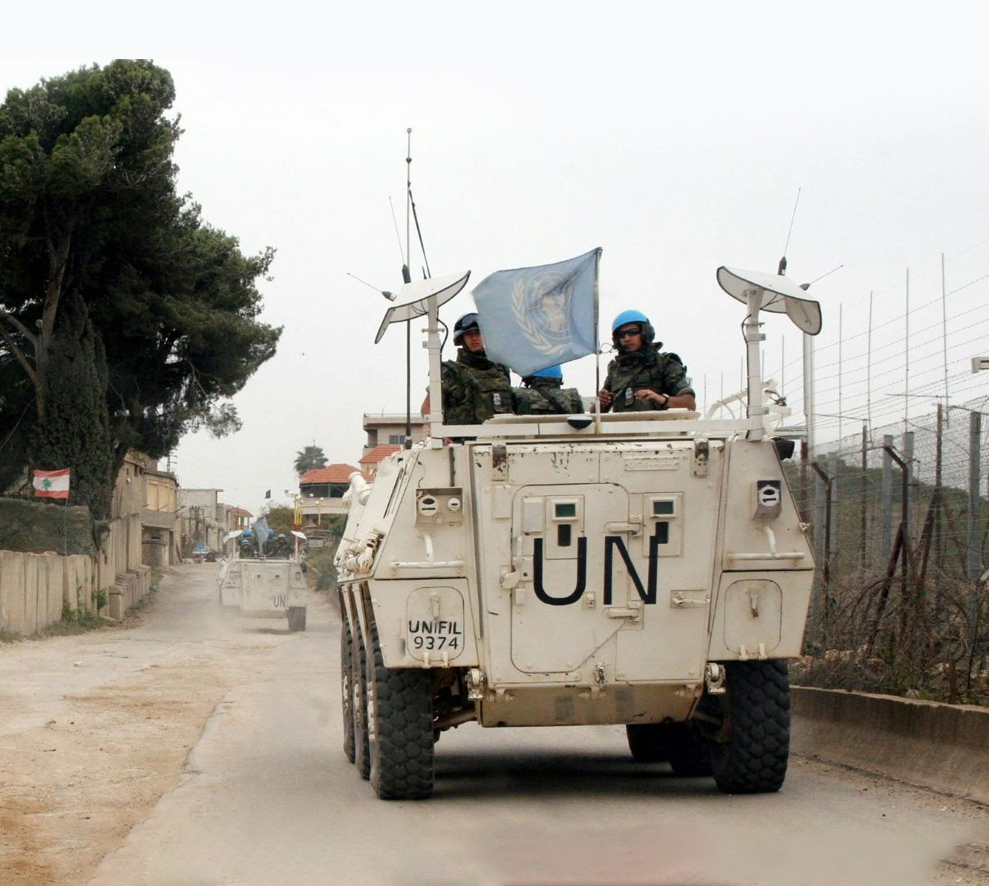
Scenarios of the UNIFIL Mission in Lebanon
Questions are increasing regarding the future of the United Nations Interim Force in Lebanon (UNIFIL), its effectiveness, and the available options for the international community to ensure its continuity or adjust its mandate. This paper addresses the possible scenarios for the fate of UNIFIL in terms of its role and presence.
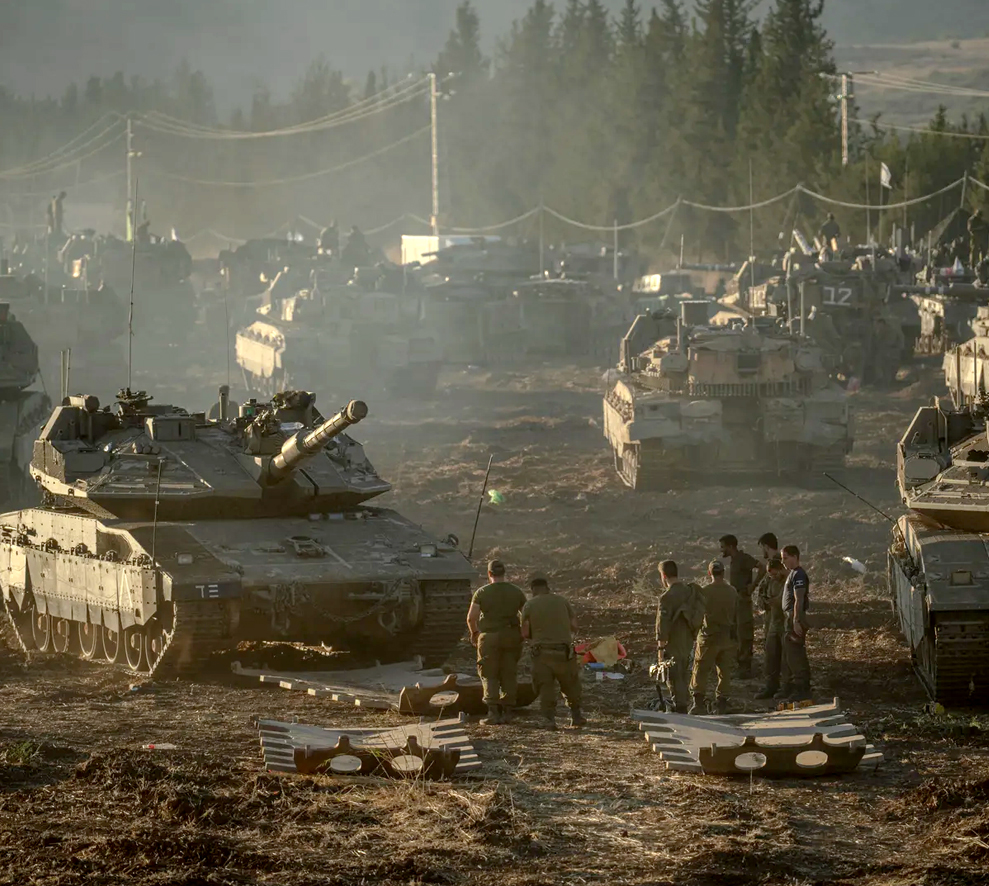
The Trajectories of the Israeli Ground Operation in Lebanon
The Israeli ground operation in southern Lebanon is shrouded in ambiguity from both sides. There is a lack of clarity regarding Israel’s objectives, the intended stopping point of its advance, and the next steps in the operation. Additionally, there are uncertainties about the latent capabilities that Hezbollah might employ to increase the costs of this incursion.
Advertising space title
Description of the advertising space. Upon the client’s initial approval of the design, this text will be removed.
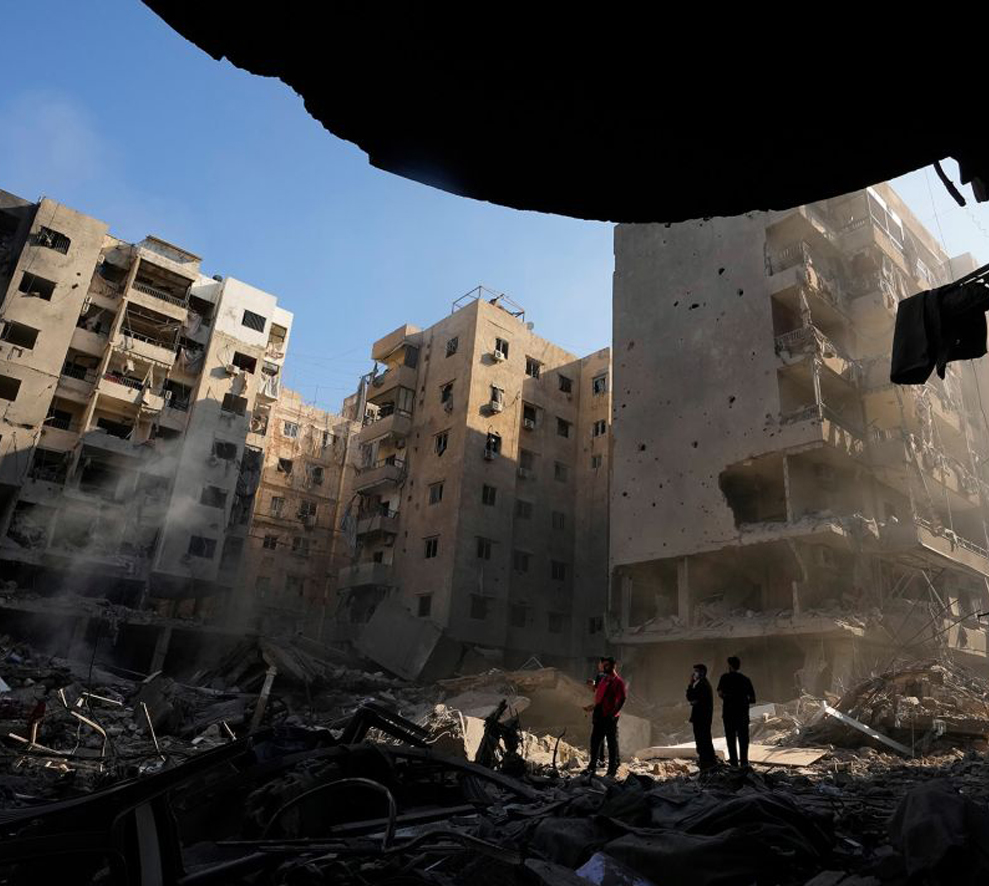
Nasrallah’s Assassination Puts Hezbollah and the Unification of the arenas in a Critical Moment
The assassination of Hezbollah Secretary-General Hassan Nasrallah puts the movement in a critical moment, exacerbating the damage to its military structure. This raises questions about Hezbollah’s position in confrontation with Israel, the Iranian approach toward its most important allies, and the stance of the other parties in the “Unification of the arenas.”

Intelligence Superiority Places the Escalation Between Israel and Hezbollah at a Turning Point
Israeli information and intelligence superiority has contributed to its deadly aim in striking several strategic targets of the Hezbollah Movement, both at its leadership and infrastructure. This paper seeks to analyze the Israeli strategy towards Hezbollah before and after the war in Gaza, which has significantly weakened the Movement’s capabilities and hindered its ability to respond proportionately and escalate in return.
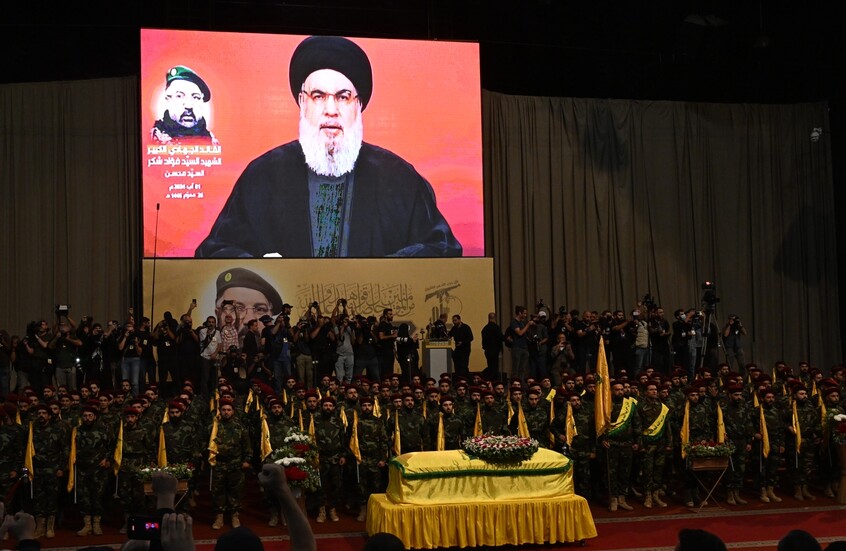
Hezbollah’s Response to Shukor’s Death: Balanced Deterrence and Preventing Escalation
The intensity of the Hezbollah response was less than what was expected after Secretary-General Hassan Nasrallah vowed on August 6 that it will be “strong, influential and effective” and will exceed the scope of the daily border skirmishes.
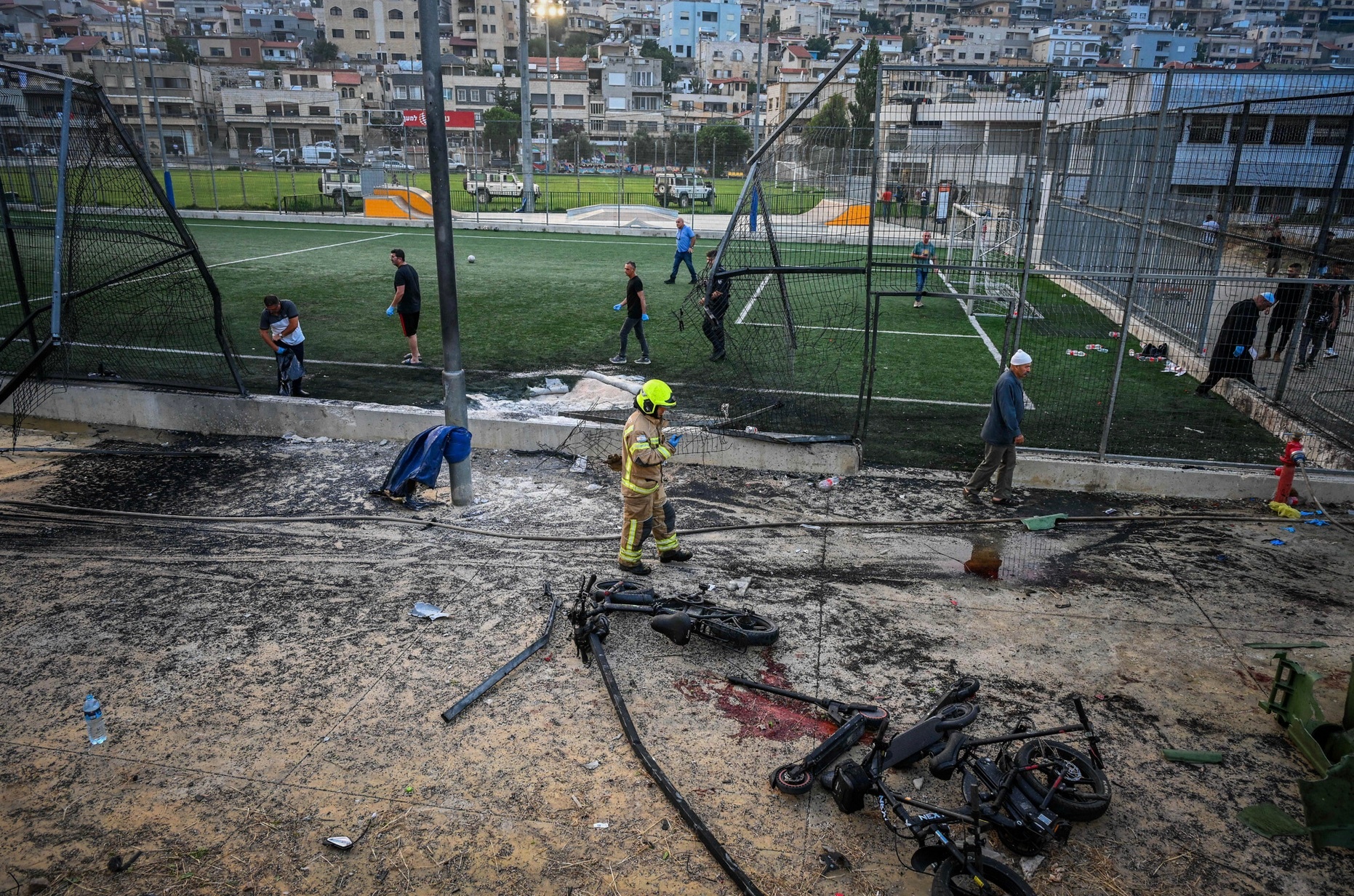
The Attack on Majdal Shams: An Accident or a Turning Point in the Rules of Engagement?
The attack has heightened international warnings about the risk of a direct and intense confrontation between Hezbollah and Israel, a possibility that has been escalating given the increasing frequency and intensity of their exchanges.
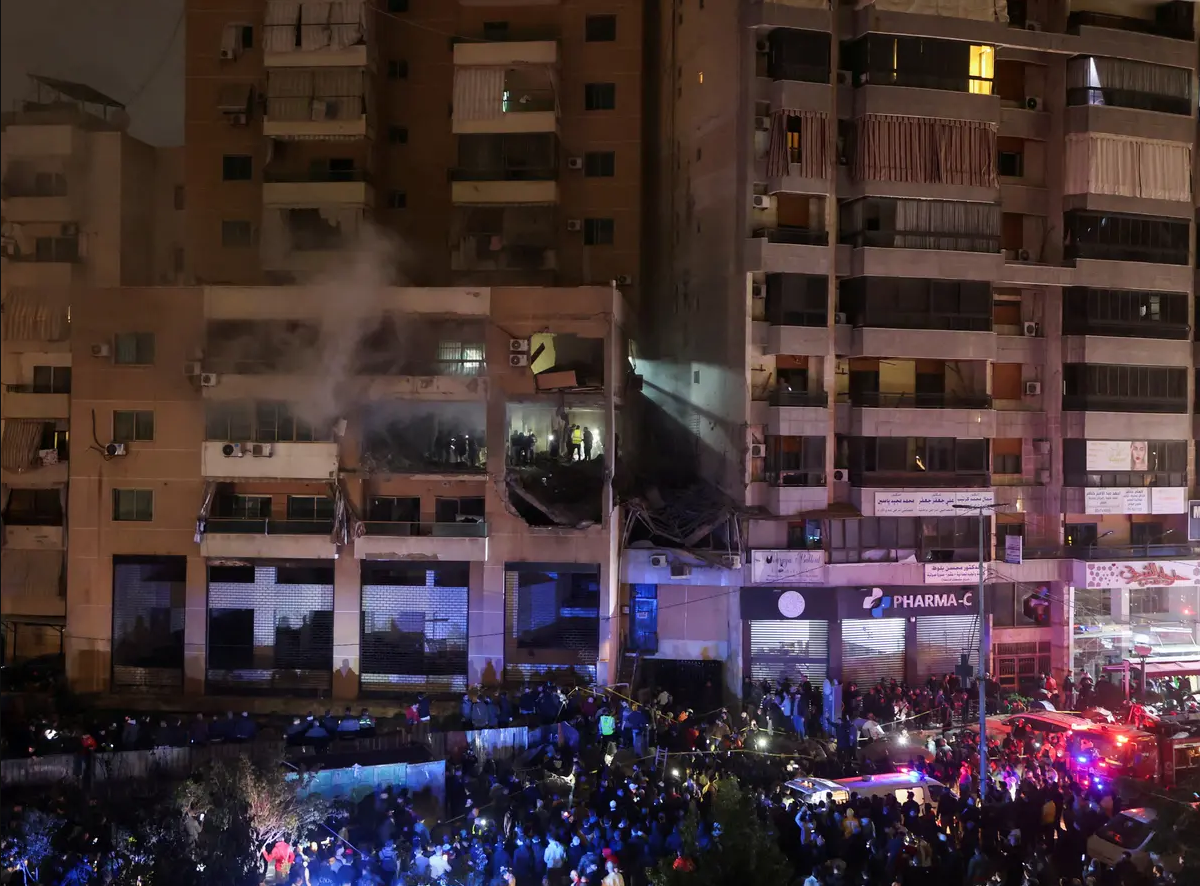
How Saleh al-Arouri’s Assassination Pushed the Gaza War Into a New Phase
The assassination mission signaled that Israel had entered into a new phase of the war in the Gaza Strip by reducing the fire rate and perfecting concentrated military operations and precise intelligence activities. This achieved by both targeting and killing important Hamas and jihad leaders and successfully bombing sensitive military facilities