Global Governance and International Institutions
War on Gaza: Israel’s Ban on UNRWA and the Challenges of Global Governance
Global Governance and International Institutions
Why the UAE is worried about a “Cold War” between the United States and China
Global Governance and International Institutions
Is It a Possible to Disconnect Russia from SWIFT?
Global Governance and International Institutions
US-Russia Summit: Chance Meeting or First Step to Correct Course?
Global Governance and International Institutions
US Retreat from the Middle East and the Future of Global Leadership
Filter by:
Social media: orienting voters or just interacting opinions?
“Social media have gone from being the natural infrastructure for sharing collective grievances and coordinating civic engagement to being a computational tool for social control, manipulated by canny political consultants and available to politicians in democracies and dictatorships alike.” This is how social media is described in a report – made by Oxford University’s Computational Propaganda Project and Graphika, social media analysis firm - on the employment of Russian semi-governmental entities of major social media platforms with the aim of interfering in the course of the 2016 US presidential elections. The following article highlights the role of social media in the 2020 elections and its decisive role in influencing the American electorate.

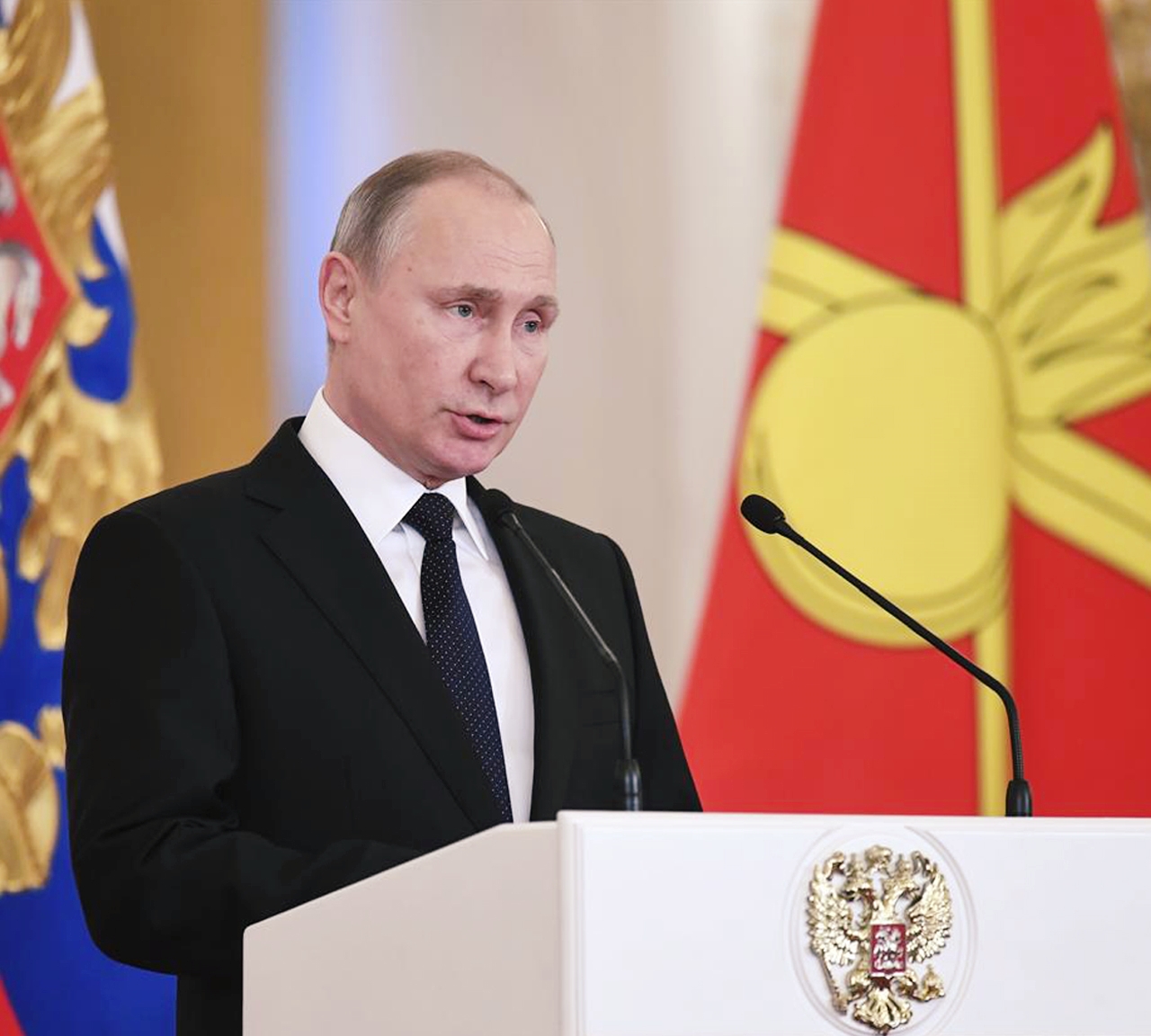
Scenarios for the next president in light of opinion polls
Opinion polls of the 2020 elections, as well as US elections in general, largely attract lots of attention, follow-up and controversy. Despite their inability to determine the final winner, they provide important insight into the preferences of American voters preceding polling day (on November 3, 2020). Having regard to that, this article examines four potential scenarios for the candidates Joe Biden and Donald Trump winning the election, based on an analytical perspective of various polls.

Assessment of the effectiveness of US sanctions policy
As the scale of US sanctions –used as a major means of achieving US foreign policy goals- has been widening under Trump’s administration, it is imperative, at the by the end of its four-year term, to evaluate the effectiveness of the imposed sanctions and to shed light mainly on the negative repercussions that have affected the durability of Washington's strategic position in the international arena.

The US Economy Situation under pressure of political competition and health crisis
The US economy is witnessing high levels of instability over the coronavirus pandemic, thus affecting Trump’s chances of winning the race for Us presidency. This articles summarizes the path of the economy under Trump, shedding the light on the most prominent criticisms made about it prior to and post the novel coronavirus outbreak.

Advertising space title
Description of the advertising space. Upon the client’s initial approval of the design, this text will be removed.
Demographics and the 2020 presidential election
The US presidential elections are taking place this year amid unprecedented social tension, according to some observers. This report provides a historical overview of the interaction between the US local political environment and demographic considerations, and it attempts to foresee the identity of the next president in light of the current tensions that would further draw these considerations into guiding the American electorate.

A glimpse of US foreign policy under President Trump
The last four years have constituted significant diplomatic phenomena and events in the international community. This is due, according to some, to the behavior of the US administration of President Donald Trump towards international actors and its views on dealing with complex issues in the regions of hotbeds of tension. This article provides a summary of the most prominent US foreign policy approaches under Donald Trump.

Constitutional Amendments in Russia: Understanding Context and Significance
This paper examines the implications of the recent amendments to Russia’s constitution in 2020, both in its internal and external context. It also attempts to answer the question as to what will Russian President Vladimir Putin do after his presidency ends in 2024, in light of the current amendments, especially those affecting sovereign institutions and articles related to the presidential period?

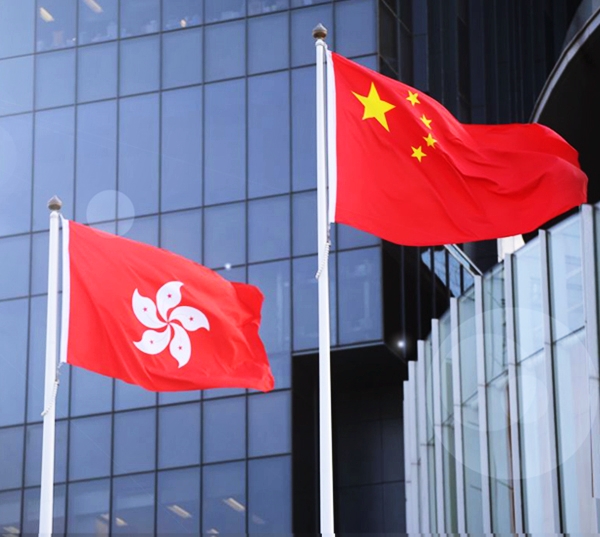
Implications of Implementing the National Security Law for Hong Kong
What are the consequences for Beijing’s enactment of the Hong Kong National Security Law? Will this lead to an escalation of tensions in the U.S.-China relations? What are the implications of Hong Kong's loss of its relative independence over the South China Sea region, which is essentially a disputed region between China and other countries?
